
Desserts
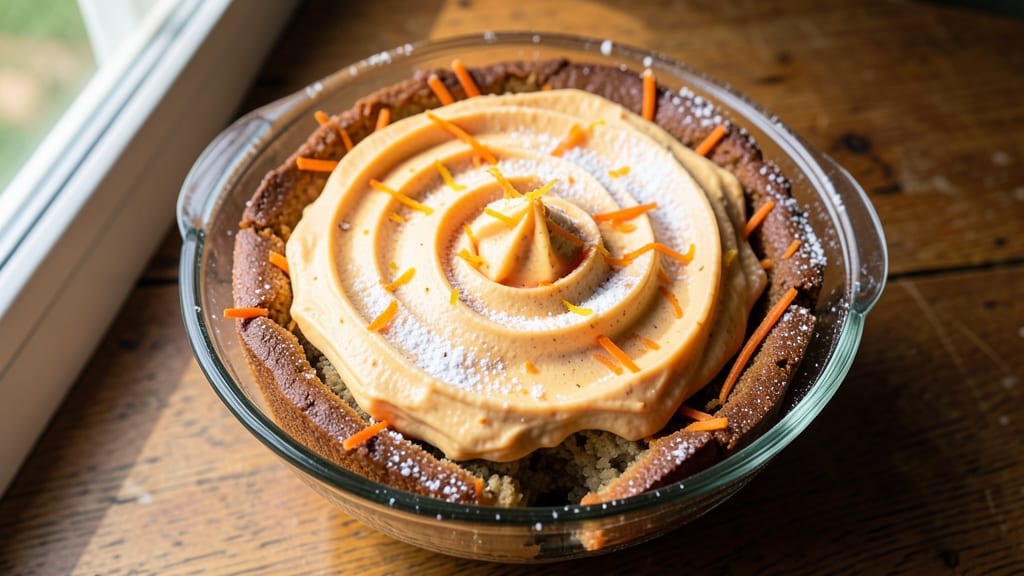
This no-sugar carrot cake recipe delivers all the classic flavors without refined sugar—moist layers, tender carrots, and natural sweetness that rivals traditional versions. The secret lies in carefully balanced alternatives like monk fruit or erythritol, which mimic sugar’s texture while keeping carbs in check.
I’ve perfected this recipe after years of testing, ensuring every bite stays tender and flavorful.
The foundation starts with grated carrots (finely, not coarse) and a touch of warm spices like cinnamon and nutmeg to enhance natural sweetness. A moist crumb comes from combining applesauce and unsweetened applesauce with the eggs, creating a tender yet sturdy base.
The frosting—a simple cream cheese blend with vanilla and a hint of lemon—adds richness without overpowering the cake’s carrot flavor.
What you’ll end up with is a cake that’s moist, not dry, with layers that crumb just enough to hold the frosting beautifully. The natural sweetness from the carrots and sweeteners shines through, making this a dessert even sugar-conscious eaters will crave.
Perfect for holidays, potlucks, or a guilt-free treat, this recipe proves you don’t need sugar to satisfy your sweet tooth.
For those with dietary restrictions, this version easily adapts to gluten-free flour blends or vegan egg substitutes. The key is patience—letting the batter rest and baking at the right temperature ensures consistent results every time. Let’s bake this cake!
Ingredients for no sugar carrot cake
Classic carrot cake flavors meet natural sweetness—just the right mix of tender layers and warm spices.
| Ingredient | Amount | Notes |
|---|---|---|
| Organic Carrots 🥕 | 2 cups | Finely grated, no moisture squeezed out |
| All-Purpose Flour 🌾 | 1 ½ cups | Sifted for light texture |
| Monk Fruit Sweetener 🍯 | ¾ cup | Granulated, 1:1 sugar substitute |
| Unsweetened Applesauce 🍎 | ½ cup | For moisture, no sugar added |
| Large Eggs 🥚 | 2 whole | Room temperature for even baking |
| Unsalted Butter 🧈 | ½ cup | Softened, full-fat for richness |
| Vanilla Extract 🌸 | 1 tbsp | Pure, no alcohol extracts preferred |
| Ground Cinnamon 🌶️ | 2 tsp | Freshly ground for warmth |
| Ground Nutmeg 🌿 | ½ tsp | Freshly grated for depth |
| Baking Soda 🧪 | 1 tsp | Pure, aluminum-free |
| Salt 🧂 | ½ tsp | Fine sea salt, not iodized |
| Plain Greek Yogurt 🥛 | ¼ cup | Full-fat for moisture |
| Lemon Juice 🍋 | 1 tbsp | Freshly squeezed, bright flavor |
| Cream Cheese 🧀 | 8 oz | Room temperature, full-fat |
| Powdered Erythritol 🍯 | ¼ cup | Optional, for extra sweetness |
The carrots are non-negotiable here—organic if you can get them, but any bright orange variety works. I always grab 2 cups worth from the produce section, usually the baby carrots since they’re sweeter. Trader Joe's has the best pre-grated carrots in a bag, but if you’re doing it fresh, use a box grater and don’t pack them down. The monk fruit sweetener? Lakanto is my go-to—it mimics sugar’s texture perfectly. If you can’t find it, erythritol works too, but the texture might be slightly grainier. The applesauce? Mott’s unsweetened is my default, but any plain, no-sugar-added brand will do.
No monk fruit? Erythritol or allulose are solid swaps, though the texture might differ slightly. The Greek yogurt adds moisture without extra fat—full-fat Fage is my pick, but any plain yogurt works. For the frosting, I skip the powdered sweetener entirely and let the cream cheese shine, but if you want extra sweetness, add the erythritol to the frosting mix. The spices? Freshly ground cinnamon and nutmeg make all the difference—Penzeys sells them pre-ground if you’re not into grinding whole spices. And yes, the lemon juice is key—it brightens up the whole thing and balances the sweetness.
This batter keeps in the fridge for 3 days if you want to prep ahead, but I bake it fresh for maximum moisture. The frosting? Make it a day ahead—it thickens nicely in the fridge. Store the cake in an airtight container with parchment between layers to keep it fresh for 5 days. Freezes beautifully too—wrap tightly and it’ll last 3 months. I always slice it thin for elegant servings, but honestly, it’s hard to stop at one piece.
Why You'll Love This Recipe
- No-Mess Moisture Magic: I love that this cake doesn’t require squeezing out carrot juice—just grate those organic carrots slightly damp and let the unsweetened applesauce and Greek yogurt do the work. No sticky countertops, no mess, just pure, tender texture that stays moist for days.
- Spice-Kissed Sweetness: The monk fruit sweetener keeps it clean, but the cinnamon and nutmeg? That’s where the magic happens. Warm, cozy flavors without any refined sugar guilt—plus, the lemon juice cuts through the richness just enough to make every bite sing.
- Make-Ahead Winner: Between the batter holding for 3 days in the fridge and the cake tasting even better the next day, this is my secret weapon for busy weeks. Throw it together Sunday, slice Monday—no stress, just deliciousness waiting in your fridge.
- Budget-Friendly Luxury: Full-fat butter, room-temperature cream cheese, and organic carrots might sound fancy, but the monk fruit and applesauce keep costs down. It’s the kind of dessert that feels indulgent but won’t break the bank—perfect for potlucks or when you want to treat yourself without the sugar crash.
Step-by-step instructions for no-sugar carrot cake
Here's how to create a perfectly moist carrot cake without refined sugar—every step ensures tender layers and rich flavor.
Prepare the Carrot Mixture for Maximum Moisture
In a large mixing bowl, combine the 2 cups of finely grated organic carrots (make sure no liquid is squeezed out—they should stay slightly damp) with the 0.5 cup unsweetened applesauce and 0.25 cup plain Greek yogurt. This combination replaces sugar while adding natural moisture and tenderness. Use a rubber spatula to fold everything together until the carrots are evenly coated and the mixture looks thick but not dry.
Next, add the 0.5 cup softened unsalted butter and 0.75 cup monk fruit sweetener, mixing until fully incorporated. The butter helps create a rich, velvety texture, while the monk fruit sweetener provides the perfect balance of sweetness without spiking blood sugar. Stir in the 1 tbsp vanilla extract and 1 tbsp lemon juice, which brightens the flavor and keeps the cake from becoming too dense.
Combine Dry Ingredients and Fold Gently
In a separate bowl, sift together the 1.5 cups all-purpose flour, 2 tsp ground cinnamon, 0.5 tsp ground nutmeg, 1 tsp baking soda, and 0.5 tsp salt. Sifting ensures a light, airy texture and prevents lumps in the final cake. Gently fold the dry ingredients into the wet mixture using a spatula, mixing just until combined—overmixing can make the cake tough.
Add the 2 whole large eggs, one at a time, mixing gently after each addition. The eggs bind the ingredients together and contribute to the cake's structure. For extra sweetness (if desired), fold in the 0.25 cup powdered erythritol at this stage. The batter should be thick but pourable—if it looks too stiff, add 1 tablespoon of water to loosen it slightly.
Bake in Two Layers for Even Cooking
Preheat your oven to 350°F and grease two 8-inch round cake pans with unsalted butter, then line the bottoms with parchment paper. Divide the batter evenly between the pans, spreading it out smoothly with a spatula. Bake for 25-30 minutes, or until a toothpick inserted into the center comes out clean and the edges are lightly golden. Rotate the pans halfway through baking for even cooking.
Here's the thing—don't overbake. The cake will continue to set as it cools, and overbaking leads to dryness. Once done, remove the cakes from the oven and let them cool in the pans for 10 minutes before transferring to a wire rack to cool completely. This step is crucial for preventing a crumbly texture.
Prepare the Cream Cheese Frosting
While the cakes cool, beat the 8 oz room-temperature cream cheese in a medium bowl until smooth. Add the 0.25 cup powdered erythritol (if using) and 1 tbsp vanilla extract, mixing until fully combined. Gradually add the 0.5 cup softened unsalted butter, beating until the frosting is light and fluffy. This frosting should be thick enough to hold its shape but still spreadable—if it's too stiff, add 1 teaspoon of milk to loosen it.
The key here is patience. Let the frosting sit at room temperature for 5 minutes before spreading to ensure it's easy to work with. The cream cheese should be completely smooth, with no lumps, for a professional finish. Taste and adjust sweetness if needed—you can add a pinch more erythritol if desired.
Assemble and Chill for Perfect Texture
Once the cakes are completely cool, place one layer on a serving plate and spread a generous layer of the cream cheese frosting over the top. Repeat with the second layer, pressing down gently to create an even surface. Use a long serrated knife to level the top if needed, then spread the remaining frosting evenly over the entire cake. Chill in the refrigerator for at least 1 hour before serving.
This chilling step is non-negotiable—it allows the frosting to set properly and prevents the cake from becoming soggy. The result? A perfectly moist carrot cake with a creamy, sweet frosting that balances the warm spices. Slice and serve with a dollop of extra frosting on top for a showstopping dessert.
Pro Tips For Making No Sugar Carrot Cake
- Grate Carrots Coarse First: DESCRIPTION: I used to shred those carrots into dust, but this cake works best with slightly larger shreds—about 1/4-inch thick. They hold moisture better and give the texture a pleasant bite. Just pulse them a few times in the food processor, then hand-pull the rest for even size.
- Whip Cream Cheese Cold: DESCRIPTION: Room-temperature cream cheese is a must, but if yours is stubbornly cold, microwave it for 10 seconds first—just enough to soften. Then beat it like you mean it. Cold cream cheese = lumpy frosting, and nobody wants to deal with that.
- Test Toothpick at 25 Minutes: DESCRIPTION: The cake’s done when the toothpick comes out clean, but don’t wait until 30 minutes to check. At 25 minutes, pull one from the center—if it’s almost clean (just a few moist crumbs), that’s your cue. Overbaking turns this moist cake into a sad, dry brick.
- Sift Spices with the Flour: DESCRIPTION: I learned this the hard way—ground cinnamon and nutmeg clump like crazy if you add them dry. Sift them with the flour so they disperse evenly. The cake’s spice flavor will be warm and consistent, not just concentrated in pockets.
Make-ahead tips for this dish
Prep Ahead Strategy
I always prep the batter the night before baking—this lets the flour absorb moisture and spices meld together overnight. Mix everything except the eggs in a large bowl, cover with plastic wrap, and refrigerate for up to 24 hours.
When ready to bake, simply add the eggs and mix gently to avoid overworking the batter.
Frosting Prep
The cream cheese frosting works best when made a day ahead. Whip it up while the cake cools, spread it on the layers, and cover tightly with foil.
Store in the fridge until serving—it’ll set perfectly and taste even better after chilling. This prevents the frosting from becoming too soft when you slice the cake.
Layering Layers
For even layers, use a cake leveler or a long serrated knife to trim any domed tops before frosting. This ensures your cake looks as good as it tastes. I like to press down gently on each layer with a spatula to create a smooth surface before adding the frosting.
Freezing For Later
Wrap the fully assembled cake tightly in plastic wrap, then place it in a freezer-safe bag. Freeze for up to 3 months. When ready to enjoy, thaw overnight in the fridge and let it come to room temperature before slicing.
The frosting will soften slightly, making it easier to spread.
Make-Ahead Garnishes
Prep any toppings like chopped nuts or coconut flakes ahead of time and store them in airtight containers. Sprinkle them on the cake just before serving to keep them fresh. A light dusting of cinnamon or a drizzle of flaxseed honey adds a beautiful finish without extra prep. 🌟
Nutrition facts
Frequently asked questions
Why does this recipe use monk fruit sweetener instead of sugar?
The monk fruit sweetener provides sweetness without the blood sugar spike of refined sugar, while maintaining a similar texture. It also enhances the natural flavors of the carrots and spices, making each bite taste richer. This alternative keeps the cake moist and avoids the dryness that can occur with sugar-free blends.
Can I skip the optional powdered erythritol in the frosting?
The cream cheese frosting is delicious on its own, balancing the warm spices perfectly. If you prefer extra sweetness, adding 0.25 cup powdered erythritol is optional—just adjust to taste. The natural sweetness from the carrots and spices still shines through.
How do I prevent my cake from cracking between layers?
Cracks often happen when layers cool unevenly. Let the cakes cool in the pans for 10 minutes after baking, then transfer to a wire rack. Press each layer gently with a spatula before adding frosting to create a smooth surface. Chilling the assembled cake for at least 1 hour also helps prevent cracks.
Can I make this cake without eggs?
While eggs are essential for structure in this recipe, you can try substituting 2 flax eggs (2 tablespoons ground flaxseed + 6 tablespoons water, soaked for 5 minutes). However, the texture may be slightly denser. For best results, stick with eggs—they ensure a tender, light crumb.
What if my batter looks too thick or too thin?
If the batter seems too thick, add 1 tablespoon of water to loosen it slightly. If it’s too thin, fold in an extra 1 tablespoon of all-purpose flour to restore the right consistency. The batter should be pourable but hold its shape when spooned.