
Desserts
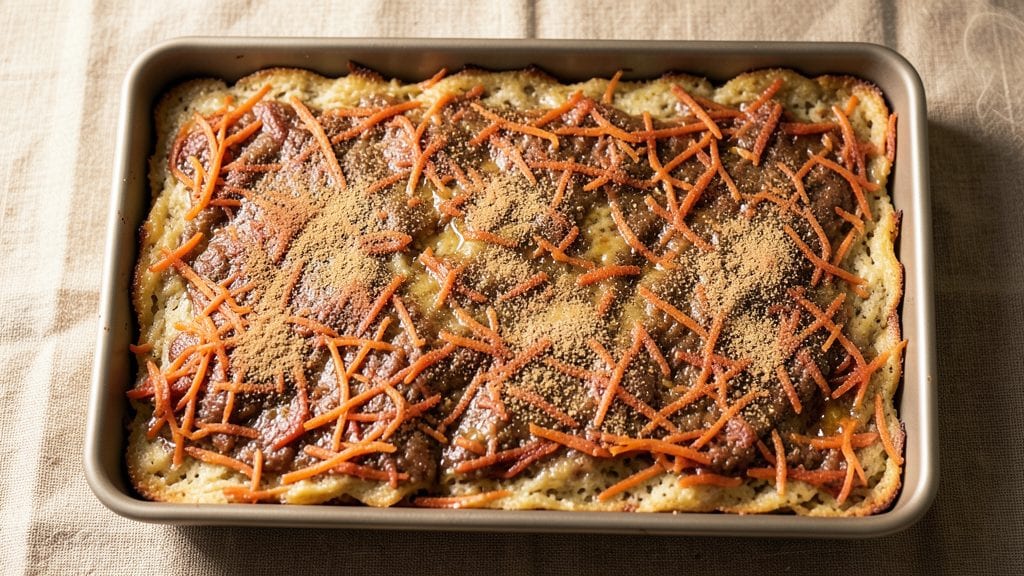
Creating no-sugar carrot cake bars that stay moist without refined sugar is a game-changer for dessert lovers who want flavor without the crash. These bars deliver the classic carrot cake experience with warm spices and tender layers—all while keeping sugar substitutes in check.
The secret lies in using natural sweeteners that mimic sugar's moisture-retaining properties, ensuring every bite stays rich and satisfying.
This recipe transforms simple ingredients into a dessert that feels indulgent yet aligns with dietary preferences. Instead of relying on sugar for texture, we use a blend of egg whites and applesauce to bind the mixture while maintaining that signature carrot cake tenderness.
The result? Bars with a perfect balance of spice, sweetness, and moisture that hold up for days without drying out.
What makes these bars truly special is their versatility—they work as an after-dinner treat, a snack for busy mornings, or a guilt-free indulgence. The warm spices like cinnamon and nutmeg create that cozy carrot cake aroma, while the moist layers ensure each slice feels like a hug.
No one will guess these are sugar-free, and no one will resist a second helping.
Ready to bake a batch that’s as nutritious as it is delicious? These bars prove that desserts can be both thoughtful and delicious—without compromising on texture or flavor. Let’s get started with a recipe that delivers on every promise.
Ingredients for no sugar carrot cake bars
Pantry staples and fresh spices transform into moist, spiced bars without refined sugar.
| Ingredient | Amount | Notes |
|---|---|---|
| Grated Carrots 🥕 | 1 ½ cups | Finely grated, no moisture squeezed out |
| Large Egg Whites 🥚 | 4 whole | Room temperature for best volume |
| Unsweetened Applesauce 🍎 | ½ cup | Unflavored, unsweetened variety |
| Almond Flour 🌰 | 1 ½ cups | Fine texture preferred |
| Coconut Oil 🥥 | ½ cup | Melted, not solid |
| Ground Cinnamon 🌿 | 1 ½ tsp | Freshly ground preferred |
| Ground Nutmeg 🌿 | ½ tsp | Freshly grated nutmeg if possible |
| Ground Ginger 🌿 | ½ tsp | Freshly ground for warmth |
| Sea Salt 🧂 | ½ tsp | Fine grain preferred |
| Vanilla Extract 🌸 | 1 tsp | Pure vanilla extract |
| Baking Powder 🍞 | 1 tsp | Aluminum-free for best results |
| Chopped Walnuts 🌰 | ½ cup | Toasted for enhanced flavor |
| Cream Cheese 🧀 | 4 oz | Room temperature, full-fat |
| Powdered Erythritol 🍬 | ¼ cup | Fine texture preferred |
| Unsweetened Shredded Coconut 🥥 | ¼ cup | Finely shredded, not sweetened |
The carrots should be finely grated—use a box grater or food processor for even texture. Organic carrots from the produce section at Whole Foods or Trader Joe's tend to stay fresher longer, but any firm, vibrant orange carrots work. For the spices, Penzeys Spices or bulk bins at natural grocery stores ensure maximum freshness—ground spices lose potency quickly. The nutmeg is crucial here; if you're using pre-ground, check the date—it should smell aromatic, not stale. Toasting the walnuts in a dry pan for 3-4 minutes before chopping enhances their flavor significantly.
No almond flour? Substitute with oat flour at the same amount, though texture may vary slightly. Running short on applesauce? Unsweetened pumpkin puree works in a pinch, but reduce by 1 tablespoon. Cream cheese can be swapped for Greek yogurt at half the quantity, though the bars will be slightly less rich. For the sweetener, monk fruit blend can replace erythritol one-to-one, but erythritol provides better moisture retention. The coconut oil is essential—butter would make the bars too heavy. If you're avoiding coconut, avocado oil works but lacks the same binding properties.
These bars keep beautifully—5 days at room temperature wrapped tightly in parchment, or 1 week in the fridge for maximum freshness. For longer storage, freeze portions for up to 3 months. I like to slice them into bars before baking, then freeze on a tray before transferring to a bag. This prevents them from sticking together. Reheat slices in the oven at 300°F for 5-7 minutes to restore moisture. The cream cheese layer softens slightly when reheated, making them extra decadent.
Why You'll Love This Recipe
- No Panic Mixing: Honestly, this recipe is one of those "you can’t mess it up" deals. Just toss the grated carrots with the unsweetened applesauce and melted coconut oil, fold in the egg whites, and boom—no blender required. The almond flour keeps things light, and the spices blend right in without fuss. I’ve made these while scrolling through emails, and they still turn out spot-on.
- Warm Spice Magic: Between the freshly ground cinnamon, nutmeg, and ginger—plus that touch of sea salt—these bars have a cozy, autumnal vibe that doesn’t quit. The walnuts add crunch, and the coconut oil keeps everything moist without any cloying sweetness. It’s the kind of flavor that makes you linger over the first bite, then immediately grab a second.
- Grab-and-Go Comfort: These bars are my secret weapon for busy days. They’re perfect for packing in lunches, sneaking into kids’ backpacks, or serving at potlucks without the sugar crash. Plus, they freeze like a dream—just pop a portion out when you’re craving something familiar but healthier. My daughter even requests them for her birthday parties, and no one misses the sugar.
- Budget-Friendly Luxury: I swear by the power of almond flour and coconut oil to stretch ingredients without sacrificing taste. The grated carrots and unsweetened applesauce are cheap staples, and the spices add depth for pennies. For the price of a fancy dessert, you’re getting a batch of bars that’ll satisfy a crowd. It’s the kind of recipe that makes me feel like a culinary genius without breaking the bank.
Step-by-step instructions for no-sugar carrot cake bars
Here's the method to create perfectly moist layers with warm spice notes—no refined sugar needed.
Prepare the Carrot Cake Layer
Preheat your oven to 350°F and line a 9x13-inch baking pan with parchment paper, leaving an overhang for easy removal. In a large mixing bowl, combine the 1.5 cups grated carrots, 0.5 cup unsweetened applesauce, 0.5 cup melted coconut oil, 1.5 tsp ground cinnamon, 0.5 tsp ground nutmeg, 0.5 tsp ground ginger, and 0.5 tsp sea salt. Mix until the carrots are evenly coated in the wet ingredients.
In a separate bowl, whisk together the 4 whole large egg whites until frothy, then gently fold them into the carrot mixture. Add the 1.5 cups almond flour and 1 tsp baking powder, mixing just until combined—avoid overmixing to maintain a tender texture. Fold in the 0.5 cup chopped walnuts and 0.25 cup powdered erythritol until evenly distributed. Spread the batter evenly into the prepared pan and bake for 25-30 minutes, until the edges are golden and a toothpick inserted in the center comes out clean.
Prepare the Cream Cheese Frosting
While the cake layer bakes, beat the 4 oz cream cheese and 0.25 cup unsweetened shredded coconut in a medium bowl until smooth and creamy. Add 1 tsp vanilla extract and mix until fully incorporated. The frosting should be thick but spreadable—if it’s too stiff, add 1-2 teaspoons of warm water to loosen it slightly. Set aside until the cake layer is ready.
Here’s the thing—this frosting is rich and tangy, balancing the warm spices in the cake. Don’t skip the coconut; it adds a subtle sweetness and texture that complements the carrot flavor perfectly. Keep the frosting at room temperature for easy spreading.
Assemble and Chill the Bars
Remove the baked cake layer from the oven and let it cool in the pan for 10 minutes. While it’s still warm, spread the cream cheese frosting evenly over the top, using a spatula to smooth the edges. The frosting should cover the entire surface, creating a thin but flavorful layer. Sprinkle the remaining 0.25 cup unsweetened shredded coconut evenly over the frosting for added texture and a hint of sweetness.
Allow the bars to cool completely in the pan, then refrigerate for at least 2 hours—this ensures the layers set properly and the flavors meld. For best results, chill overnight; the bars will be even more moist and flavorful after resting. Once chilled, use the parchment overhang to lift the bars out of the pan and cut into 16 equal squares using a sharp knife.
Pro Tips For Making No Sugar Carrot Cake Bars
- FOLD THE EGG WHITES GENTLY: I learned this the hard way—aggressive folding collapses those airy egg whites faster than you can say "dense cake." Use a spatula and lift from the bottom, letting the froth naturally incorporate into the carrot mixture. The goal is to keep that lightness; think "clouds merging," not "beating a rug."
- TOAST THOSE WALNUTS FIRST: Skipping this step means bland, sawdusty walnuts that disappear into the batter. Toss the 0.5 cup chopped walnuts in a dry pan over medium heat for 3-4 minutes until fragrant and golden—watch them like a hawk to avoid burning. That toasted nuttiness cuts through the sweetness and makes the whole bar sing.
- CHECK DONENESS BY TOUCH: A toothpick test is good, but here’s the real trick: Press the center gently with your finger. It should spring back slightly—not jiggly, not rock-hard. If it’s still sticky after 25 minutes, give it 5 more; underbaking here means a gummy mess that ruins the cream cheese layer.
- MELT COCONUT OIL JUST RIGHT: Solid coconut oil? Nope. Too hot? Also no. Melt it until it’s liquid but not smoking—about 2 minutes in a microwave or until it’s just pourable. Cool it for 2 minutes before mixing; this keeps the cake tender instead of greasy. (I used to eyeball it and ended up with a bar that tasted like a candle.)
Troubleshooting this dish
Batter Too Thick?
If your batter seems too thick after mixing, add 1-2 tablespoons of warm water or unsweetened applesauce to loosen it. The egg whites should provide enough structure, but a slightly wetter batter ensures even distribution in the pan.
I've found that overmixing can also make the batter denser, so fold the almond flour and walnuts gently until just combined. 💡
Cracked Top Surface
A cracked top often happens if the cake layer bakes too long or the oven runs too hot. Keep an eye on it after 20 minutes and remove it from the oven when the edges are golden but the center still looks slightly underdone.
If cracks appear, cover the pan loosely with foil for the remaining baking time to trap moisture.
Dry or Dense Bars
For extra moisture, try brushing the baked cake layer with 2 tablespoons melted coconut oil before adding the frosting. This helps prevent dryness, especially if your kitchen is humid. Also, ensure your egg whites are at room temperature—they should whip up to a glossy consistency, not stiff peaks.
Overmixing can also contribute to a dense texture, so fold the batter just until combined.
Frosting Too Stiff
If your cream cheese frosting feels too stiff, add 1-2 teaspoons of warm water or 1 tablespoon melted coconut oil to loosen it. The coconut adds texture, but it shouldn’t overpower the tanginess of the cream cheese.
I like to beat the frosting until it’s smooth and spreadable—think of the consistency of toothpaste. If it’s still too thick, let it sit at room temperature for 5-10 minutes before spreading.
Uneven Baking
Uneven baking often occurs if the oven isn’t preheated properly or if the pan isn’t centered on the rack. Rotate the pan halfway through baking for even heat distribution. Also, avoid opening the oven door too early—this causes temperature fluctuations and can lead to uneven browning.
Trust the 25-30 minute baking time and rely on the toothpick test to determine doneness.
Frosting Separating
If the frosting separates from the cake layer, it’s often due to temperature differences. Let the cake cool for 10 minutes in the pan before adding the frosting—this prevents the heat from melting the cream cheese too quickly.
Spread the frosting evenly while the cake is still warm, but not hot, to ensure it adheres properly. A light dusting of powdered erythritol over the cake before adding the frosting can also help it stick better.
Nutrition facts
Frequently asked questions
Why use powdered erythritol instead of other sweeteners?
Powdered erythritol mimics sugar’s texture and moisture retention perfectly, keeping these bars tender without drying them out. Unlike liquid sweeteners, it blends seamlessly into the batter and doesn’t alter the carrot cake’s natural consistency. The fine texture also ensures even distribution, so every bite tastes balanced and rich.
Can I substitute almond flour for another flour?
For best results, stick with almond flour, but oat flour works in a pinch—just use the same 1.5 cups. However, the texture may be slightly denser, and the flavor profile could differ. If avoiding nuts entirely, ensure your substitute has a neutral taste to avoid overpowering the warm spices.
How do I prevent the frosting from separating?
Let the baked cake cool for 10 minutes in the pan before adding the frosting—this prevents heat from melting the cream cheese too quickly. Spread it while the cake is warm but not hot, and lightly dust the top with powdered erythritol first for better adhesion. The coconut in the frosting adds texture but shouldn’t overpower the tanginess.
Why does the recipe call for room-temperature ingredients?
Room-temperature egg whites whip up to a glossy consistency, ensuring fluffiness in the cake layer. Similarly, softened cream cheese blends smoothly into the frosting without lumps. Cold ingredients can disrupt the texture, leading to dense bars or grainy frosting—always let them sit out for 30 minutes before using.
Can I make these bars ahead of time?
Assemble the bars and refrigerate for at least 2 hours, ideally overnight, to let flavors meld. They keep beautifully for 5 days at room temperature or 1 week in the fridge. For longer storage, freeze portions for up to 3 months—just reheat slices at 300°F for 5-7 minutes to restore moisture.