
Desserts
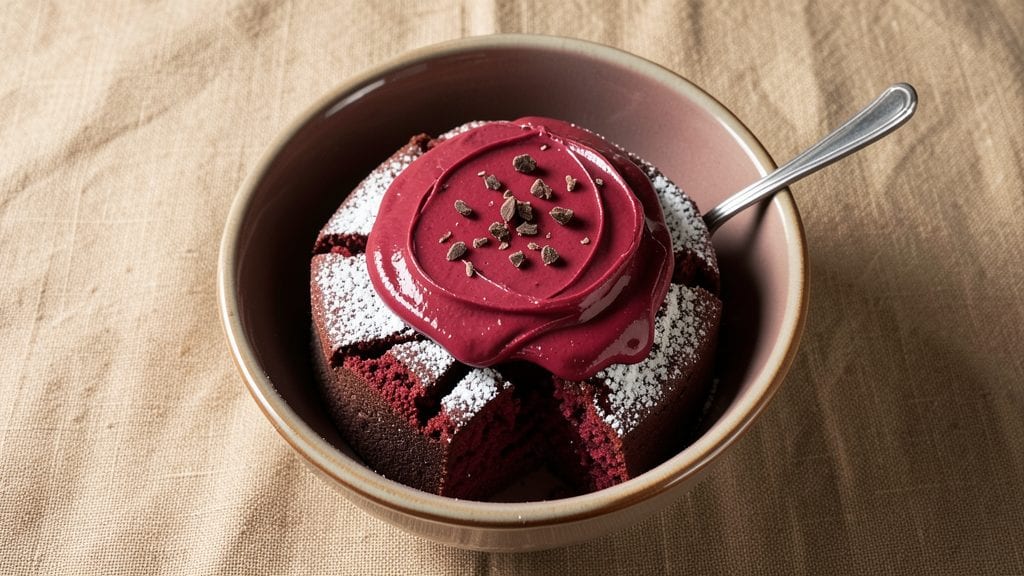
Nigella Lawson's red velvet cake delivers layers of deep, velvety richness with a signature cream cheese frosting that's impossible to resist. This recipe captures her signature blend of cocoa powder and buttermilk, creating that iconic moist crumb and vibrant red hue.
I've perfected it over years of baking, ensuring every slice delivers that perfect balance of tangy, slightly sweet flavors.
The secret lies in precise measurements and gentle folding to maintain airy layers while keeping the texture tender. The cake bakes to a golden finish with just a hint of crackle on top, while the cream cheese frosting adds a velvety contrast that makes this dessert truly luxurious.
What makes this version special is how the flavors develop—deep cocoa notes in the cake paired with the cool, tangy cream cheese frosting.
By following these steps, you'll achieve a cake that's moist yet sturdy enough to hold thick layers of frosting without crumbling. The cooling process is just as important as baking—patience here ensures clean layers and professional results.
This isn't just dessert; it's an experience that will impress even the most discerning guests.
Whether you're celebrating a special occasion or simply craving something indulgent, this recipe delivers restaurant-quality results with minimal fuss. Let's get started on creating a cake that's as beautiful as it is delicious, with every detail executed to Nigella's exacting standards.
Ingredients for nigella lawson red velvet cake
Pantry staples plus a few specialty touches. That deep red velvet magic starts here.
| Ingredient | Amount | Notes |
|---|---|---|
| All-Purpose Flour 🌾 | 2 cups | Sifted for light texture |
| Natural Cocoa Powder 🍫 | ½ cup | Dutch-processed preferred |
| Granulated Sugar 🍚 | 1 ½ cups | White or light brown |
| Buttermilk 🥛 | 1 cup | Room temperature preferred |
| Vegetable Oil 🫒 | ½ cup | Light or canola oil |
| Large Eggs 🥚 | 2 whole | Room temperature for best results |
| Red Food Coloring 🎨 | ¼ tsp | Gel or liquid, vibrant red |
| White Vinegar 💧 | 1 tbsp | For tangy flavor |
| Baking Soda 🧂 | ½ tsp | Freshly measured |
| Salt 🧂 | ¼ tsp | Fine sea salt |
| Vanilla Extract 🌿 | 1 tsp | Pure vanilla preferred |
| Cream Cheese 🧀 | 8 oz | Full-fat, room temperature |
| Powdered Sugar 🍚 | 3 cups | Sifted for smooth frosting |
The cocoa powder is non-negotiable—Dutch-processed gives that signature smoothness, while natural cocoa adds a hint of bitterness. Valrhona or Guittard are my go-tos, but any high-quality brand works. The buttermilk? If you're in a pinch, mix 1 cup milk + 1 tbsp vinegar and let it sit. The red food coloring is where the magic happens—gel coloring blends better than liquid and won't alter texture. I always grab extra because it's easy to underestimate how much you need for that perfect deep red. The cream cheese? Philadelphia is the gold standard, but any full-fat brand will work.
No buttermilk? Plain yogurt thinned with milk is a solid swap. Short on cocoa? Hershey's Special Dark works in a bind, but it's not the same. The vanilla extract can be imitation, but Madagascar bourbon vanilla takes this to the next level. For the frosting, powdered sugar is key—Domino is fine, but C&H is extra fine and dissolves better. Want extra tang? Add 1 tsp lemon juice to the frosting. The eggs should be room temperature—cold eggs can cause cracks in the cake. If you're worried about food coloring, beet juice powder is a natural alternative (though it's harder to control the shade).
This cake needs time to set—at least 2 hours before frosting. Store leftovers in an airtight container with parchment between layers to keep them fresh for 3-4 days. The frosting can be made 1 day ahead and stored in the fridge, just re-whip before using. For a showstopper, dust with powdered sugar or garnish with fresh berries. Freezes beautifully for up to 3 months—just thaw overnight in the fridge.
Why You'll Love This Recipe
- No-Fuss Moisture Bomb: The buttermilk and vegetable oil combo in this recipe keeps the cake tender without drying it out—no sad, crumbly layers here. Honestly, I’ve burned other cakes trying to get that perfect texture, but this one just works, even if you’re not a pro.
- Cream Cheese Crunch: That frosting? Made with full-fat cream cheese and powdered sugar, it’s rich but not cloying. The vanilla extract isn’t just flavor—it’s the secret to making the frosting taste like it belongs, not like a sad afterthought. Trust me, the contrast with the deep red cake is chef’s kiss.
- Leftovers That Last: I’ve made this cake for birthdays, coffee dates, and even a last-minute office potluck. The frosting can be prepped ahead, and the cake itself stays fresh for days—no sad, dry slices here. Plus, it’s the kind of dessert people actually ask for seconds of.
- Budget-Friendly Luxury: Dutch-process cocoa powder might sound fancy, but it’s cheaper than you think, and the difference in flavor? Night and day. The rest of the ingredients are pantry staples, so this is the kind of treat that feels indulgent without breaking the bank.
Step-by-step instructions for Nigella Lawson's red velvet cake
This cake comes together with simple steps but delivers that signature deep red hue and moist crumb.
Mix the Dry Ingredients
In a medium bowl, whisk together the 2 cups all-purpose flour, 0.5 cup natural cocoa powder, 0.5 tsp baking soda, and 0.25 tsp salt. Sift the mixture twice through a fine-mesh sieve to ensure a light, airy texture. This step prevents dense layers later—don't skip it. Set the bowl aside while you prepare the wet ingredients.
Here's the thing—sifting isn't just about aeration. It also helps distribute the cocoa powder evenly, which prevents any bitter pockets in your cake. I like to sift directly into the mixing bowl to avoid transferring dry flour later.
Combine Wet Ingredients for the Batter
In a separate large bowl, whisk together the 1.5 cups granulated sugar, 0.5 cup vegetable oil, 2 whole large eggs, 1 tsp vanilla extract, 1 cup buttermilk, and 1 tbsp white vinegar. Mix until smooth and fully combined. This is where the cake's moisture comes from, so don't rush this step.
Add the 0.25 tsp red food coloring now and mix until the batter takes on a vibrant red hue. You want it deep and even—no streaks. If you're using gel coloring, it'll blend more easily than liquid. The vinegar reacts with the baking soda to create lift, so let the mixture sit for 2 minutes before proceeding.
Fold Wet and Dry Ingredients Together
Gradually add the dry ingredients to the wet mixture, folding gently with a spatula until just combined. Be careful not to overmix—stop as soon as the flour disappears. Overmixing develops gluten, which makes the cake tough instead of tender. The batter should be thick but pourable.
Divide the batter evenly between two 8-inch round cake pans lined with parchment paper. Tap the pans gently on the counter to remove any air bubbles. Bake at 350°F (175°C) for 25-30 minutes, or until a toothpick inserted in the center comes out clean. Your oven might run hot, so start checking at the 20-minute mark—the edges should be set but the center should still look slightly soft.
Prepare the Cream Cheese Frosting
While the cakes cool, beat the 8 oz cream cheese in a mixing bowl until smooth. Gradually add the 3 cups powdered sugar and mix on low speed until combined. Add 1 tsp vanilla extract and beat until light and fluffy. This frosting is the star—don't skip the vanilla or it'll taste flat.
If the frosting is too thick, add 1-2 tablespoons of reserved buttermilk to reach a smooth, spreadable consistency. The frosting should hold its shape but still be easy to pipe or spread. Let the cakes cool completely before frosting—warm cakes will melt the butter in the frosting.
Assemble and Frost the Cake
Place one cake layer on a serving plate and spread a thin layer of frosting on top. This is called a "crumb coat"—it seals in any loose crumbs so your final frosting looks smooth. Place the second cake layer on top and frost the entire cake with the remaining frosting. Use a spatula to smooth the sides.
Chill the cake in the refrigerator for 30 minutes before serving. This helps the frosting set and makes slicing easier. The contrast of the deep red cake with the creamy frosting is what makes this recipe special. Serve with a cup of tea or coffee for the full experience.
Pro Tips For Making Nigella Lawson Red Velvet Cake
- Whisk the Buttermilk: DESCRIPTION:
- Sift the Cocoa Twice: DESCRIPTION:
- Bake Until Springy: DESCRIPTION:
- Room-Temp Everything: DESCRIPTION:
Flavor customization for this dish
Spiced Chocolate Twist
Add 1 tsp cinnamon and ¼ tsp cayenne pepper to the dry ingredients when sifting. This creates subtle warmth that enhances the cocoa's natural richness while keeping the cake moist.
I like to use Penzeys spices for the best flavor balance—just a pinch of cayenne adds a gentle kick without overpowering. The spice blend pairs beautifully with the cream cheese frosting for a sophisticated twist. 🔥
Espresso Infusion
For an extra depth of flavor, dissolve 1 tsp instant espresso powder into the 1 cup buttermilk before mixing with other wet ingredients. This intensifies the chocolate notes and gives the cake a subtle coffee undertone.
I use Illy espresso for the best results, but any high-quality brand works. The espresso also helps balance the sweetness of the frosting. ☕
Berry Swirl Variation
After baking, gently pipe ½ cup raspberry jam (like Knorr) in a zigzag pattern between the cake layers before adding the full frosting. This creates beautiful marbled swirls that add juicy contrast to each bite.
I like to use unsweetened jam so it doesn't compete with the frosting's sweetness. Let the cake cool completely before adding the jam to prevent soggy layers. 🍇
Salted Caramel Frosting
Swap out the vanilla frosting for a salted caramel version by mixing ½ cup caramel sauce (like Nestlé) into the 3 cups powdered sugar while beating the cream cheese. Add a pinch of flaky sea salt (like Maldon) for a sophisticated sweet-salty balance.
This frosting becomes a crowd favorite—it's rich, decadent, and perfectly complements the cake's deep cocoa flavor. 🍯
Alcohol-Infused Frosting
For a boozy twist, add 2 tbsp bourbon or Irish cream (like Baily's) to the cream cheese frosting while mixing. This adds complexity that pairs wonderfully with the cake's chocolate notes.
The alcohol also helps stabilize the frosting for a smoother texture. Reserve this for special occasions—it's an indulgent upgrade that makes the cake feel extra luxurious. 🥃
Nutrition facts
Frequently asked questions
Why does Nigella Lawson's red velvet cake need to rest before frosting?
The cake layers need to cool completely—about 1-2 hours—before adding frosting. This ensures the layers are firm enough to hold the weight without crumbling. Skipping this step can lead to a messy, uneven finish. The 30-minute chill after frosting helps the cream cheese set too, making slicing cleaner and smoother.
What if my cake doesn't have that deep red color?
If your batter looks lighter, you may need slightly more 0.25 tsp red food coloring—gel works best for even distribution. Stir it in gradually until you achieve that vibrant hue. Overmixing can also dilute the color, so fold gently after combining wet and dry ingredients. For a natural alternative, try beet powder instead of artificial coloring.
Can I make this cake without buttermilk?
Mix 1 cup milk with 1 tablespoon white vinegar and let it sit for 5 minutes to curdle—this mimics buttermilk perfectly. Plain yogurt thinned with milk also works in a pinch. The acidity reacts with the baking soda for proper rise, so don't skip the tangy element entirely.
How do I know when the cake is fully baked?
Insert a toothpick into the center—it should come out clean with just a few moist crumbs. Check at 20 minutes since ovens vary, but don't go past 30 minutes to avoid dryness. The edges should be golden while the center remains slightly soft. Your oven might run hot, so trust the toothpick test over time alone.
Why is my frosting too thick or grainy?
If it's grainy, your 8 oz cream cheese might not be fully softened—ensure it's room temperature before beating. For thickness, add 1-2 tablespoons reserved buttermilk gradually until smooth. Overbeating can also create butterfat separation, so mix just until fluffy. Let it rest 10 minutes between additions if needed.