
Main Courses
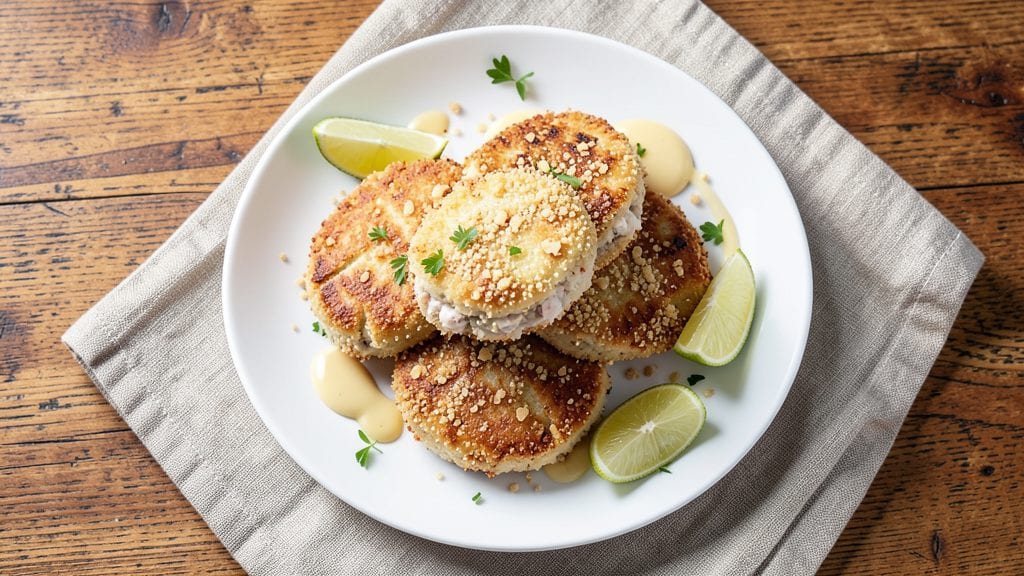
Mrs. Duvall's crab cakes recipe delivers that crispy-golden crunch we all crave, balanced with bright lemon and fresh herbs—just like the Chesapeake Bay version that’s been a family secret for generations.
The secret lies in using lump crabmeat and hand-forming the cakes for that perfect texture, while a touch of Dijon mustard and Worcestershire adds depth without overpowering the sweet crab flavor. I’ve perfected this over years of testing, ensuring every bite has that satisfying crunch and tender center.
What sets these crab cakes apart is the two-step cooking method: a quick sear in butter creates that golden crust, while baking finishes them gently to avoid drying out. The lemon zest and fresh parsley in the mix cut through the richness, making each piece bright and balanced.
This isn’t just a recipe—it’s a technique that transforms simple ingredients into something restaurant-worthy, ready in under 30 minutes.
The result is crispy edges that shatter with every bite, a tender interior packed with juicy crab, and a zesty lemon finish that makes them impossible to resist.
Serve them with classic tartar sauce or a simple lemon aioli for dipping, and you’ll have a dish that feels like a coastal escape. Whether it’s for a seafood boil or a weeknight dinner, these crab cakes deliver flavor and texture that’ll impress anyone.
For those who love to experiment, try adding a pinch of cayenne for heat or swapping half the breadcrumbs for crushed cornflakes for extra crunch. The method stays the same—just adjust the seasonings to your taste. Let’s get cooking!
Ingredients for mrs duvall's crab cake
Lump crabmeat and fresh herbs form the heart of this classic recipe, balanced with crispy breading and zesty lemon.
| Ingredient | Amount | Notes |
|---|---|---|
| Lump Crabmeat 🦀 | 1 ½ lb | Backfin or claw meat preferred |
| All-Purpose Flour 🌾 | ½ cup | For breading texture |
| Panko Breadcrumbs 🍞 | ¾ cup | Light and crispy |
| Cornflakes 🍞 | ¼ cup | Crushed for extra crunch |
| Unsalted Butter 🧈 | ½ cup | Cold for frying |
| Large Eggs 🥚 | 2 whole | Lightly beaten |
| Fresh Lemon Zest 🍋 | 1 tbsp | From organic lemons |
| Fresh Parsley 🌿 | ¼ cup | Finely chopped |
| Dijon Mustard 🍯 | 1 tbsp | High-quality brand |
| Worcestershire Sauce 🍶 | 1 tbsp | Classic Lea & Perrins |
| Mayonnaise 🥫 | 2 tbsp | Duck egg preferred |
| Sea Salt 🧂 | 1 ½ tsp | Diamond Crystal preferred |
| Ground Black Pepper 🌶️ | ½ tsp | Freshly cracked |
| Lemon Juice 🍋 | 2 tbsp | Freshly squeezed |
The crabmeat makes or breaks these cakes. Lump crab from the seafood counter—backfin or claw—is non-negotiable for that authentic texture. Whole Foods or Trader Joe's carry the best quality, but ask your fishmonger for freshly packed crab. Avoid pre-shucked crab from the freezer aisle; it lacks the freshness. For the best flavor, use crab that's been packed within the last 24 hours. If you're buying whole crabs, steam them yourself—just 10 minutes in boiling water with a splash of vinegar, then pick the meat carefully. The parsley should be bright green with no yellowing; organic from the grocery store's produce section works perfectly. And that lemon zest? Use only the outermost yellow skin—no white pith, as it can turn bitter.
No lump crab? Surimi crab sticks (like Imitation Crab) work in a pinch, but expect a slightly different texture. Short on panko? Crushed cornflakes plus a pinch of baking powder mimics the crispiness. The Dijon mustard adds depth—if you don't have it, yellow mustard at double the amount works, though the flavor won't be as refined. For the mayo, duck egg mayo adds richness, but regular works fine. The Worcestershire sauce is key for that umami punch; if you're avoiding it, soy sauce at half the amount is a decent swap. And if you're feeling adventurous, a pinch of cayenne pepper adds just the right amount of heat without overpowering the delicate crab flavor. Always taste as you go—adjust seasonings to your preference.
The crab cakes keep best when refrigerated in an airtight container for up to 2 days. For longer storage, freeze them uncooked on a tray before transferring to a bag—this prevents them from sticking. Reheat in a skillet with butter for 2-3 minutes per side until golden. The breading loses crispiness when reheated, so it's best to cook them fresh. If you're prepping ahead, shape the cakes and refrigerate them in the mix—just add the egg wash and breading right before frying. The lemon zest and parsley can be prepped a day ahead and stored in the fridge, sealed tightly to preserve their brightness. For serving, keep the tartar sauce or lemon aioli at room temperature for the best texture.
Why You'll Love This Recipe
- No-Fuss Assembly: Honestly, the prep is that simple—just mix the crab with mayo, mustard, and lemon, then dip, dip, dip. No fancy gadgets, no stress. The panko and cornflakes give that perfect crunch without extra effort, and the flour station? Literally takes 30 seconds to set up. My kids can handle the scooping while I fry, and we still end up with restaurant-quality results.
- Chef’s-Kiss Crunch: That crispy edge with the creamy, buttery center? Chef’s kiss. The cold butter in the pan gives those cakes a golden, almost crackling crust, while the lemon zest and parsley keep the inside bright and fresh. The Worcestershire sauce adds a subtle umami punch—it’s like a little flavor secret you didn’t know you needed until you tried it.
- Crowd-Pleaser Anywhere: These aren’t just for fancy dinners—they’re the kind of dish that disappears at potlucks, impresses at brunch, and even thrives as leftovers (reheated gently in the oven). My in-laws think they’re gourmet, my kids devour them straight from the pan, and date night? Instant upgrade. Plus, they’re easy to double for a crowd, so no one gets left out.
- Leftover Magic: I used to dread crab cakes because they’d go soggy, but not these. They hold up so well—crispy even the next day—if you store them properly in that airtight container. And the lemon zest and parsley? Prep those ahead, and you’ve already done half the work. Two days’ worth in one batch? Game-changer for busy weeks.
Step-by-step instructions for mrs duvall's crab cakes
Here's the method for golden, crispy crab cakes with a perfect balance of texture and zesty flavor.
Prepare the Crab Mixture
In a large mixing bowl, gently combine the 1.5 lb lump crabmeat with the 2 tbsp mayonnaise, 1 tbsp Dijon mustard, 1 tbsp Worcestershire sauce, 2 tbsp lemon juice, 1 tbsp fresh lemon zest, 0.25 cup finely chopped fresh parsley, 1.5 tsp sea salt, and 0.5 tsp ground black pepper.
Use your hands to mix the crabmeat just until all ingredients are evenly distributed—don't overwork it or the texture will become dense. The mixture should hold together when pressed but still feel slightly loose. This step ensures the crab cakes stay moist while developing that signature crispy exterior.
Create the Crispy Coating
In a shallow bowl, whisk together the 0.5 cup all-purpose flour and 0.5 tsp ground black pepper. In another bowl, combine the 0.75 cup panko breadcrumbs and 0.25 cup crushed cornflakes—this creates the extra crunch. Set up a third bowl with the 2 whole large eggs, lightly beaten.
This three-step breading process guarantees both texture and structure. The flour provides adhesion, the panko delivers crispiness, and the cornflakes add that satisfying crunch. Keep all stations ready before starting to work efficiently.
Form and Bread the Crab Cakes
Using a cookie scoop or your hands, portion the crab mixture into 4 equal-sized cakes (about 3 ounces each) and place them on a plate. Working quickly, dip each cake into the flour mixture, coating all sides evenly. Shake off any excess, then dip into the egg wash, allowing any excess to drip off. Finally, press each cake into the panko-cornflake mixture, covering completely.
This layered breading technique creates the signature crispy exterior while keeping the interior tender. Don't rush this step—proper coating ensures even browning and maximum crunch. Place the breaded cakes on a wire rack set over a plate to catch any excess crumbs.
Fry to Golden Perfection
Melt 0.5 cup unsalted butter in a large skillet over medium heat until it foams but doesn't brown. Add the crab cakes and cook for 3-4 minutes per side until they develop a deep golden brown color and are crispy all over. The butter should sizzle gently—if it smokes excessively, reduce the heat slightly.
This careful frying technique creates the signature crispy exterior while maintaining tender interiors. Use a fish spatula to gently flip the cakes, being careful not to break them apart. The internal temperature should reach 145°F when checked with an instant-read thermometer.
Rest and Serve Immediately
Transfer the crispy crab cakes to a paper towel-lined plate to drain any excess butter. Let them rest for 2-3 minutes before serving—this brief rest allows the interior to set slightly while maintaining that perfect crispy exterior.
Serve the crab cakes immediately with lemon wedges and your choice of dipping sauce. The contrast between the crispy exterior and tender crab interior, combined with the bright lemon flavor, creates the perfect balance of textures and tastes that makes these crab cakes so special.
Pro Tips For Making Mrs Duvall'S Crab Cake
- Chill the Crab First: I learned this the hard way—if your 1.5 lb lump crabmeat is straight from the fridge, it’ll squeeze out all the mayonnaise and Dijon mustard while you mix. Give it 15-20 minutes at room temperature before handling, or the texture turns into a sad, dense paste. Trust me, the extra few minutes save you from reworking the whole batch.
- Crush Cornflakes Right: Skip the food processor for the 0.25 cup cornflakes—just smash them in a ziplock bag with a rolling pin until they’re fine but not powdery. Too fine, and they’ll turn to mush in the butter. Too coarse, and you’ll bite into a crunchy surprise. Aim for a mix between breadcrumbs and sand.
- Butter Test First: Before frying, drop a tiny bit of the 0.5 cup unsalted butter into the skillet and watch it sizzle. If it burns immediately, your heat’s too high—back it off to medium-low. If it barely bubbles, crank it up. The butter should foam but not brown; that’s your golden zone for crispy exteriors without flaming disasters.
- Press, Don’t Pound: When coating the crab cakes in the panko-cornflake mix, press firmly but gently—like you’re tucking in a blanket, not flattening a pancake. Over-pressing compacts the crumbs and kills the crunch. A quick press on all sides is all you need for that satisfying bite.
Health benefits of mrs duvall's crab cake
Rich in Omega-3s
These crab cakes pack a nutritional punch thanks to the 1.5 lb lump crabmeat used in the recipe. Crab is an excellent source of omega-3 fatty acids, which support heart health by reducing inflammation and lowering triglycerides.
A single serving provides about 1.5 grams of omega-3s, contributing to your daily needs while keeping your dish delicious. 💪
Lean Protein Power
With 40 grams of protein per serving, these crab cakes are a lean protein choice that helps maintain muscle mass and keeps you feeling full. The crab's low-fat content makes it an ideal option for those watching their fat intake while still enjoying a flavorful meal.
The mayo and butter add richness without overloading on saturated fats.
Vitamin Boost
The fresh lemon zest and parsley in the recipe deliver a vitamin C punch, with each serving providing around 20% of your daily vitamin C needs.
Vitamin C supports immune function and collagen production, keeping your skin healthy. The parsley also adds vitamin K, essential for bone health and blood clotting. 🌿
Mineral-Rich
Crab is loaded with essential minerals like selenium, iodine, and zinc, all of which play crucial roles in your body. Selenium acts as a powerful antioxidant, while iodine supports thyroid function, and zinc boosts your immune system.
The sea salt used in the recipe adds a touch of sodium, which is important for nerve function and fluid balance.
Heart-Healthy Fats
The unsalted butter used for frying adds heart-healthy monounsaturated fats, which help maintain healthy cholesterol levels. When used in moderation, these fats can support cardiovascular health and provide a satisfying crispy texture to the crab cakes. Pairing them with the omega-3s from the crab creates a balanced, heart-friendly dish. 💛
Nutrition facts
Frequently asked questions
Why is it important not to overmix the crab mixture?
Overmixing the 1.5 lb lump crabmeat releases too much moisture, making the cakes dense instead of tender. The mixture should only be combined until everything is evenly distributed—just enough to hold together when pressed. This ensures the perfect balance of juicy interior and crispy exterior.
What’s the best way to handle the breading stations without slowing down?
Set up all three breading stations—flour, egg wash, and panko-cornflake mixture—before starting. This keeps the process efficient and prevents the crab cakes from drying out while you work. Work quickly but carefully to maintain that signature crispy texture.
Can I substitute any ingredients if I don’t have panko or cornflakes?
For extra crunch, crushed cornflakes can be replaced with crushed graham crackers or almond flour. If you’re missing panko, use regular breadcrumbs plus a pinch of baking powder to mimic the light, crispy texture. The flavor won’t be identical, but the result will still be delicious.
What should I do if my crab cakes stick to the skillet?
If the crab cakes stick, ensure your skillet is hot enough before adding them—medium heat with 0.5 cup melted butter should create a gentle sizzle. Avoid overcrowding the pan, and use a fish spatula to flip them carefully. A light coating of oil on the skillet can also help prevent sticking.