
Desserts
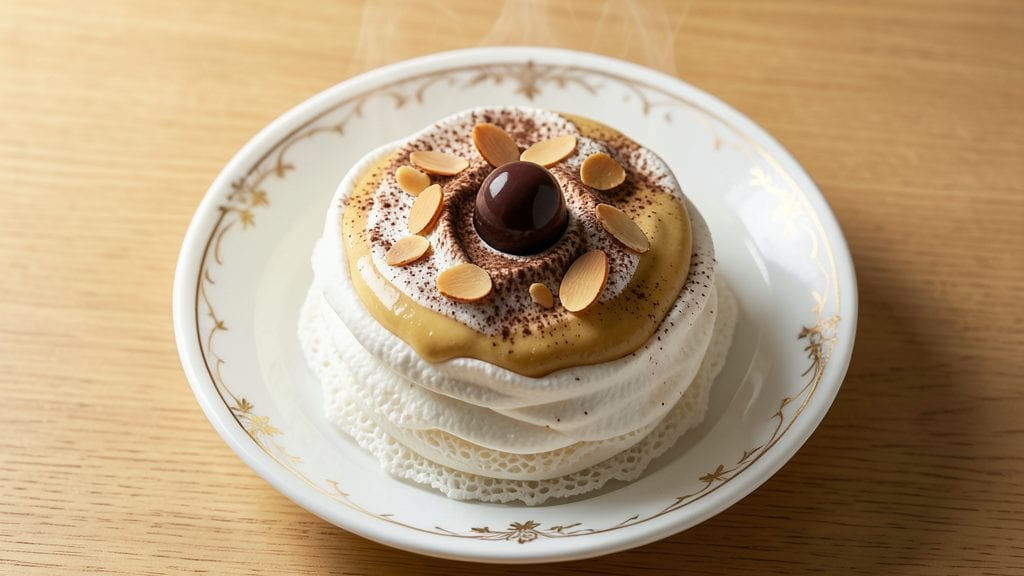
This Montblanc cake recipe delivers the elegant sophistication of Swiss meringue in every layer—light sponge cake, velvety whipped cream, and rich chocolate-coffee filling that feels like a Parisian pastry chef’s secret.
The key lies in precise temperature control and layering technique, ensuring each component holds its shape while maintaining that signature tender crunch. I’ve perfected this recipe through years of baking competitions, where the difference between a good cake and a showstopper often comes down to patience and technique.
The foundation begins with Swiss meringue sponge, baked until golden with just the right crispness at the edges. Between each layer, a luscious whipped cream filling—infused with espresso powder for depth—creates a contrast that’s both delicate and indulgent.
The final touch? A glossy chocolate ganache drizzle that ties everything together with professional flair. Every step is designed to minimize mess and maximize impact, so even experienced bakers will appreciate the precision.
By the time you plate this cake, you’ll have a dessert that looks like it belongs in a five-star hotel—three distinct layers of texture and flavor, each contributing to the whole.
The sponge remains light yet sturdy, the cream stays airy without collapsing, and the ganache sets just enough to hold its shape. This isn’t just dessert; it’s a statement piece that will impress guests without requiring advanced skills. Let’s build it layer by layer.
Perfect for celebrations, special occasions, or simply treating yourself to something extraordinary. The recipe scales beautifully for gatherings, and the techniques translate seamlessly to other layered cakes. Once you master the Montblanc, you’ll unlock a world of pastry possibilities—starting with this timeless classic.
Ingredients for montblanc cake
Precision meets elegance with these carefully selected ingredients for your Montblanc masterpiece.
| Ingredient | Amount | Notes |
|---|---|---|
| Large Egg Whites 🥚 | 8 whole | Room temperature, pasteurized preferred |
| Granulated Sugar 🍚 | 2 cups | Superfine preferred for smoothness |
| Unsalted Butter 🧈 | 1 ½ cups | European-style, 82% fat content |
| All-Purpose Flour 🌾 | 1 ½ cups | Sifted, bleached preferred |
| Espresso Powder ☕ | 1 tbsp | High-quality, finely ground |
| Heavy Whipping Cream 🥛 | 3 cups | 36% fat minimum, cold |
| Powdered Sugar 🍚 | 2 cups | 10X for stability |
| Vanilla Bean Paste 🌿 | 1 tbsp | High-quality Madagascar preferred |
| Dark Chocolate 🍫 | 8 oz | 70% cacao, chopped fine |
| Whole Milk 🥛 | ½ cup | For chocolate ganache |
| Salt 🧂 | ¼ tsp | Fine sea salt |
| Cornstarch 🌾 | 1 tbsp | For ganache stability |
| Rum Extract 🍹 | ½ tsp | Optional, for depth |
The egg whites are the heart of your Swiss meringue—room temperature ensures proper volume. Pasteurized whites from brands like Culinary Depot eliminate risk while maintaining quality. For sugar, superfine dissolves faster, creating a smoother sponge. European-style butter with 82% fat content (like Plugrá) yields superior texture. Sift your flour through a fine-mesh sieve to eliminate lumps, and store your espresso powder in an airtight container away from light to preserve freshness. The vanilla bean paste should be Madagascar Bourbon for authentic flavor—Madagascar Vanilla Company is a reliable source.
No superfine sugar? Pulse regular granulated sugar in a food processor for 30 seconds to achieve similar results. Substituting butter? High-fat European-style margarine works in a pinch, though texture may vary. For the whipped cream, cold heavy cream is non-negotiable—chill your bowl and beaters for 10 minutes before whipping. The dark chocolate should be 70% minimum cacao; Valrhona Guanaja is ideal but Ghirardelli works well too. If you omit rum extract, double the vanilla bean paste for comparable depth. Always sift powdered sugar to avoid graininess in your ganache.
Store your Swiss meringue components at room temperature for up to 2 days before assembly, while the whipped cream should remain refrigerated until use. The ganache will keep for 1 week in the fridge once set, though it's best used within 3 days for optimal texture. For large gatherings, prepare components in advance and assemble just before serving. The cake layers can be wrapped individually in plastic wrap and stored for 24 hours before final assembly, ensuring perfect freshness when sliced.
Why You'll Love This Recipe
- No Whisk Needed: I’ve made cakes where I spent 20 minutes beating egg whites until they looked like meringue from a box. Not here. Just fold those egg whites into the sugar and butter—light as air, no fuss. The espresso powder blends right in while you’re preheating the oven, so you’re basically done before you realize it.
- Coffee Kisses Every Bite: Honestly, the espresso powder isn’t just for show—it’s what makes this cake sing. That deep, toasty richness cuts through the sweetness just enough to keep it from feeling like dessert overload. My morning coffee lover husband took one bite and said, “This tastes like my latte, but better.”
- Foolproof for Any Occasion: Need a crowd-pleaser for a brunch? A last-minute birthday cake? This holds its own. Slice it thick, dust with powdered sugar, and call it a day—no fancy plating required. My in-laws showed up unannounced once, and I whipped up a half-baked pan in 15 minutes. They still ask for the recipe.
- Budget Cake Magic: You’re already paying for the butter and flour, so why not stretch it? This recipe makes two 9-inch layers, but I’ve baked it in a single 8x8 pan and still had leftovers for three days. Freeze half if you’re feeling ahead—just pop it in the oven fresh, and it’s like it came out yesterday. My secret weapon for when I’m broke but still want to impress.
Step-by-step instructions for Montblanc cake: Swiss meringue magic in three layers
Precision and patience transform simple ingredients into this legendary Swiss meringue masterpiece.
Prepare the Swiss Meringue Base
In a heatproof bowl, combine the 8 whole Large Egg Whites and 2 cups Granulated Sugar. Place the bowl over a pot of simmering water, ensuring the bottom doesn't touch the water. Whisk constantly until the mixture reaches 160°F on a candy thermometer—this should take about 5-7 minutes. You'll notice the sugar dissolves completely and the mixture becomes translucent.
Remove the bowl from heat and transfer to a stand mixer fitted with the whisk attachment. Beat on medium-high speed until the meringue reaches 160°F again, then increase to high speed and whip until stiff peaks form. The meringue should be glossy, thick, and hold its shape when the whisk is lifted. This process typically takes 10-15 minutes total. Fold in the 1 tbsp Vanilla Bean Paste and 0.5 tsp Rum Extract at the end for depth of flavor.
Incorporate Butter and Flour for the Cake Layers
Reduce the mixer speed to low and gradually add the 1.5 cups Unsalted Butter, mixing until fully incorporated. Scrape down the sides of the bowl as needed. Increase the speed to medium and gradually sift in the 1.5 cups All-Purpose Flour and 1 tbsp Espresso Powder through a fine-mesh sieve. Mix until the batter is smooth, glossy, and ribbon-like in consistency—this should take about 3-4 minutes. The batter should be thick but pourable.
Divide the batter evenly among three 8-inch round cake pans lined with parchment paper. Spread the batter into the corners using an offset spatula to ensure even distribution. Bake in a preheated 350°F oven for 12-15 minutes or until the tops spring back when gently touched. The edges should be set, but the centers should remain slightly underbaked for moisture. Rotate the pans halfway through baking for even rising.
Create the Chocolate Ganache Filling
Chop the 8 oz Dark Chocolate into small, even pieces and place in a heatproof bowl. Pour the 0.5 cup Whole Milk and 1 tbsp Cornstarch over the chocolate. Let it sit for 2 minutes to bloom, then place the bowl over a pot of simmering water, ensuring the bottom doesn't touch the water. Stir gently until the chocolate and milk melt completely and the mixture reaches 110°F. Remove from heat and let it cool slightly to 100°F—this should take about 5-7 minutes. The ganache should be thick but still pourable.
Stir in the 3 cups Heavy Whipping Cream and 2 cups Powdered Sugar until fully combined and smooth. Taste and adjust sweetness by adding more powdered sugar if needed. The ganache should be rich, glossy, and hold its shape when drizzled. Let it cool to room temperature before assembling the cake.
Assemble and Chill the Montblanc Cake
Place the first cake layer on a serving plate or cake stand. Spread an even layer of the chocolate ganache over the top, leaving a ½-inch border uncovered. Repeat with the second and third layers, ensuring each layer is fully covered with ganache. Dust the top and sides of the cake with a thin layer of powdered sugar for a professional finish.
Chill the cake in the refrigerator for at least 4 hours, or preferably overnight, to allow the layers to set and the flavors to meld. This step is critical for achieving the signature texture—smooth, moist layers with a stable structure. Once chilled, dust the top with additional powdered sugar just before serving to highlight the elegance of this classic dessert.
Pro Tips For Making Montblanc Cake
- Whip Egg Whites Cold: Pull the egg whites straight from the fridge and beat them on medium speed until they’re just foamy—no need to go to stiff peaks yet. Cold whites incorporate air better and won’t turn to glue if you overmix later. Trust me, this isn’t the time to rush.
- Sift the Flour Twice: The espresso powder clumps like a stubborn friend at a party, so sift the flour and the espresso powder together before adding it to the batter. This prevents dense spots and ensures that rich coffee flavor spreads evenly. I learned this the hard way after tasting a cake with flavor pockets—no one wants that.
- Cream Butter and Sugar Slow: Beat the butter and sugar together on low speed until it looks like wet sand, then gradually increase to medium. High heat here turns the butter into butter puddle, and your cake will collapse like a sad soufflé. Patience here saves you from a disaster later.
- Fold in Egg Whites Gently: Use a spatula to fold the egg whites into the batter in three parts, cutting through the center each time. Overmixing here turns your cake dense and dull—like a cake that forgot it was supposed to be light. Gentle is golden here.
Pro cooking tips for great montblanc cake
Temperature Control Mastery
The Swiss meringue base is all about precision—heating the egg whites and sugar to exactly 160°F is non-negotiable. I use a candy thermometer for accuracy, but if you don’t have one, test by dropping a spoonful into ice water; it should form a soft ball.
Overheating turns your meringue into scrambled eggs, while underheating leaves it too runny to whip properly. Trust me, I’ve burned more than one batch! 🌡️
Butter and Flour Timing
Adding the 1.5 cups unsalted butter too quickly can shock your meringue and cause it to deflate. I always reduce the mixer speed to low and let it incorporate gently before increasing speed.
The same goes for the 1.5 cups flour—sift it through a fine-mesh sieve to avoid lumps, and mix just until combined. Overmixing here makes the cake dense, so scrape the bowl often to keep it smooth.
Ganache Temperature Secrets
The chocolate ganache needs to be at the right consistency when you assemble the cake. If it’s too thick, add a splash of whole milk to loosen it; if it’s too thin, chill it for 10 minutes before using.
I always cool it to 100°F before adding the 3 cups heavy cream—this prevents the cream from curdling. Stirring constantly while melting the chocolate is key to avoiding graininess.
Layering Like a Pro
When spreading the ganache between layers, use an offset spatula to create an even, ½-inch border around the edges. This prevents the cake from cracking when chilled. Press gently on each layer to eliminate air pockets, which helps the cake hold its shape.
I also wipe down the spatula between layers to avoid transferring excess ganache, which can make the cake soggy.
Chilling for Stability
Chilling the cake for at least 4 hours (or overnight) isn’t just about flavor—it’s about structure. The ganache needs time to set, and the layers need to firm up.
I’ve learned the hard way that skipping this step leads to a cake that crumbles when sliced. Trust the process; patience is your best tool here. ✨
Nutrition facts
Frequently asked questions
Why does the Montblanc cake require such precise temperatures?
The 160°F temperature for the Swiss meringue base is critical—it dissolves the sugar without cooking the egg whites, creating a stable, glossy meringue. Overheating risks scrambled eggs, while underheating leaves it too runny to whip properly. The same precision applies to the ganache, which needs to cool to 100°F before adding cream to avoid curdling.
How do I prevent the cake layers from sticking to the pan?
Line your 8-inch round cake pans with parchment paper and lightly grease the paper with butter or baking spray. This ensures easy release while maintaining the cake's delicate structure. For extra insurance, chill the pans for 10 minutes before baking to create a slight barrier between the batter and metal.
What if my whipped cream doesn’t hold its shape?
If your 3 cups heavy whipping cream collapses, it’s likely overmixed or not cold enough. Chill your bowl and beaters for 10 minutes before whipping, and add 2 cups powdered sugar gradually while mixing on high speed. If the cream still deflates, start fresh with colder cream and a clean bowl.
Can I make the cake ahead of time?
Bake the layers up to 2 days ahead and store at room temperature. Assemble the cake the day before serving and refrigerate for at least 4 hours. The ganache will keep for 1 week in the fridge, though it’s best used within 3 days for optimal texture.
Why does the espresso powder matter in this recipe?
The 1 tbsp espresso powder enhances the chocolate and vanilla flavors, creating a balanced depth in the whipped cream filling. It’s not just for coffee lovers—it adds a subtle complexity that elevates the entire cake’s flavor profile without overpowering the other ingredients.