
Desserts
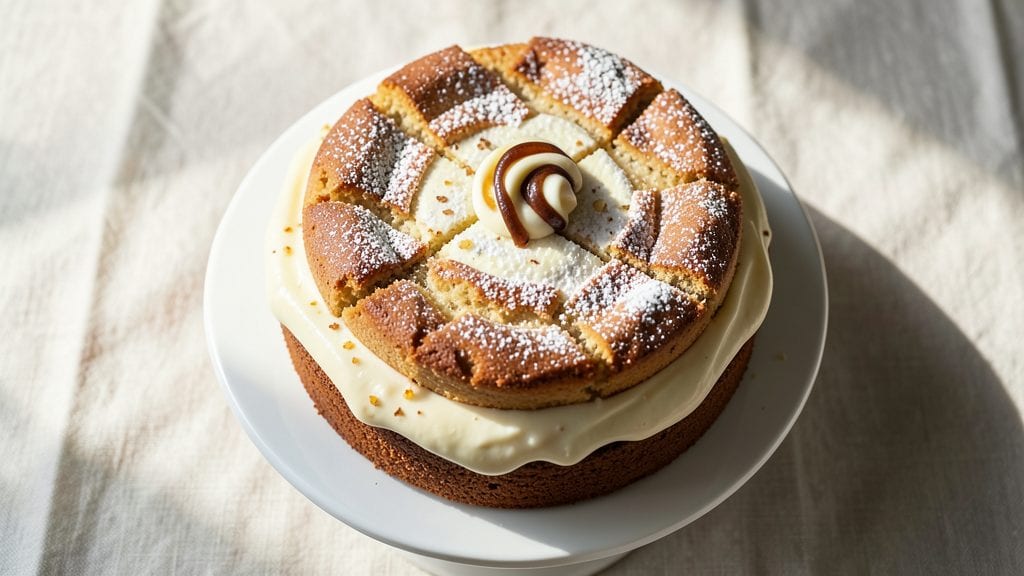
Martha Stewart’s pound cake recipe delivers that legendary buttery crunch on top while keeping the interior moist and rich—exactly what makes this dessert a timeless classic. The secret lies in precise ingredient ratios and room-temperature preparation, ensuring the perfect balance of texture and flavor.
I’ve baked this version countless times, and it never fails to impress, whether served plain or with a dusting of powdered sugar.
What sets this recipe apart is Martha’s signature technique of using a buttery crumb topping that bakes to a golden, crackly finish while the cake remains tender underneath.
The vanilla infusion adds depth, and the cake’s dense yet light crumb is achieved through careful mixing and baking at the right temperature. This isn’t just a cake—it’s a showstopper that elevates any dessert table.
The process is straightforward but requires attention to detail, from creaming the butter and sugar to folding in the dry ingredients gently. Baking at 325°F for about 50-60 minutes ensures even cooking, and letting it cool gradually prevents cracking.
Once sliced, the layers reveal that signature buttery crunch on top and a velvety interior that melts in your mouth.
Serve it with fresh berries, a drizzle of honey, or a scoop of vanilla ice cream for the full Martha Stewart experience. This recipe is a staple for a reason—it’s foolproof, delicious, and always delivers that restaurant-quality result at home.
Ingredients for martha stewart pound cake
Classic Martha Stewart ingredients—just butter, sugar, eggs, and flour—transformed into legendary vanilla-infused perfection.
| Ingredient | Amount | Notes |
|---|---|---|
| Unsalted Butter 🧈 | 2 cups | Room temperature, European-style preferred |
| Granulated White Sugar 🍚 | 2 cups | Domino preferred for even texture |
| Large Eggs 🥚 | 6 whole | Room temperature, separated yolks/whites |
| All-Purpose Flour 🌾 | 3 cups | Sifted, Gold Medal preferred |
| Pure Vanilla Extract 🍯 | 2 tbsp | High-quality Madagascar bourbon preferred |
| Baking Powder 🧂 | 1 tbsp | Aluminum-free, Diamond Crystal preferred |
| Diamond Crystal Kosher Salt 🧂 | 1 tsp | Fine grain, not iodized |
| Toasted Sliced Almonds 🌰 | 1 cup | Finely chopped for crumb topping |
| Powdered Sugar 🍚 | 1 cup | Confectioners' sugar, sifted |
| Vanilla Bean Paste 🍯 | 1 tbsp | For enhanced vanilla flavor |
| Unsalted Butter (for topping) 🧈 | ½ cup | Cold, cubed for crumb texture |
| All-Purpose Flour (for topping) 🌾 | ½ cup | Same brand as cake batter |
| Brown Sugar (for topping) 🍚 | ¼ cup | Packed, light brown preferred |
The butter is non-negotiable here—European-style with at least 82% fat content yields that signature tender crumb. Plugrá or Kerrygold are ideal, but any high-quality unsalted butter works if brought to room temperature. The vanilla extract should be Madagascar bourbon for that rich, complex flavor profile. For the crumb topping, toasted sliced almonds add crunch, but pecans or walnuts work beautifully too. Always sift your flour and baking powder together to prevent lumps—this is a Martha Stewart staple technique.
No vanilla bean paste? Double the vanilla extract for depth, though the seeds add that signature speckled appearance. Substituting brown sugar for white in the cake batter? Use half the amount—it's more moist but can darken the crumb. For the crumb topping, melted butter instead of cubed will yield a smoother texture, though you'll lose that prized crackly finish. Store-bought vanilla extract is fine, but homemade or high-end brands like McCormick Gourmet elevate the flavor significantly. The baking powder must be fresh—test with the vinegar test if unsure.
All ingredients should be at room temperature before mixing to ensure even distribution. The batter keeps in the refrigerator for up to 24 hours covered, while the baked cake stays fresh for 3-4 days in an airtight container. For longer storage, wrap tightly in plastic and freeze for up to 3 months. The crumb topping hardens as it cools—reheat slices at 300°F for 5 minutes to restore that buttery crunch. Slice with a serrated knife for clean cuts through the dense crumb.
Why You'll Love This Recipe
- Here’s what sold me: the combo of 2 tbsp of pure vanilla extract and 1 tbsp vanilla bean paste. That’s not just vanilla—it’s vanilla with soul. The extract gives you that bright, sweet kick, while the paste adds this warm, creamy depth that lingers. Trust me, your taste buds will thank you. Every slice tastes like a hug from your grandma’s kitchen.
- No Mixer, No Problem: I’ll admit it—my mixer broke last winter, and I thought my pound cake dreams were over. But this recipe? I made it with just a hand mixer and a spatula. The key is that creaming stage—you just need to be patient and keep mixing those 2 cups of unsalted butter and 2 cups of granulated sugar until it’s light as a cloud. The rest is just folding in eggs, flour, and that chef’s kiss vanilla bean paste. No fancy tools, just elbow grease.
- Vanilla Overload (In the Best Way): Here’s what sold me: the combo of 2 tbsp of pure vanilla extract and 1 tbsp vanilla bean paste. That’s not just vanilla—it’s vanilla with soul. The extract gives you that bright, sweet kick, while the paste adds this warm, creamy depth that lingers. Trust me, your taste buds will thank you. Every slice tastes like a hug from your grandma’s kitchen.
- The Crunch Factor: This cake isn’t just about the moist, vanilla-rich center—it’s the topping that makes it unforgettable. Those 1 cup toasted almonds, mixed into the crumb topping with cold cubed butter and brown sugar? It’s like a little nutty surprise with every bite. And if you’re feeling fancy, dust it with powdered sugar after baking. Suddenly, it’s not just cake—it’s a showstopper. My kids fight over the crusty edges. Worth every second.
Step-by-step instructions for Martha Stewart's pound cake
This classic recipe delivers a moist vanilla center with a signature crunchy almond topping.
Cream Butter and Sugars to Light Ribbon Stage
In a stand mixer fitted with the paddle attachment, beat the 2 cups unsalted butter and 2 cups granulated white sugar on medium speed for 5-7 minutes. The mixture should become pale and fluffy, nearly doubling in volume. This creaming process incorporates air, creating the cake's signature tender crumb.
Here's the thing—European-style butter works best here because it has a higher fat content that creates a richer texture. If your butter isn't completely room temperature (it should leave a slight indentation when pressed), let it sit at room temperature for 15-20 minutes before starting. The butter needs to be soft but not melted to achieve that perfect ribbon stage.
Incorporate Eggs and Vanilla for Enhanced Flavor
Add the 6 whole large eggs, one at a time, mixing on low speed after each addition until fully incorporated. Then add both the 2 tablespoons pure vanilla extract and 1 tablespoon vanilla bean paste, mixing just until combined. The vanilla bean paste adds depth that pure extract alone can't match.
I've found that using room temperature eggs prevents curdling and ensures a smoother batter. If your eggs are straight from the fridge, let them sit in warm water for 5 minutes before adding. The mixture should be thick but pourable at this stage—if it's too stiff, you may need to mix in 1 tablespoon of milk (though we're not using milk in this recipe, the principle applies).
Combine Dry Ingredients for Optimal Texture
In a separate bowl, whisk together the 3 cups all-purpose flour, 1 tablespoon baking powder, and 1 teaspoon diamond crystal kosher salt. Sift the flour mixture directly into the wet ingredients, mixing on low speed just until combined. You should still see small streaks of flour—overmixing develops gluten and creates a tough cake.
This is where the magic happens: the sifted flour ensures even distribution and prevents dense pockets. Add the 1 cup toasted sliced almonds at this stage and mix just until evenly distributed. The almonds will create pockets of crunch throughout the cake while also adding subtle nutty flavor that complements the vanilla.
Prepare the Crumb Topping
In a medium bowl, combine the 0.5 cup unsalted butter (for topping), 0.5 cup all-purpose flour (for topping), and 0.25 cup brown sugar (for topping). Use your fingers to work the mixture until it forms coarse crumbs with some pea-sized pieces. This texture will create that signature crunchy top.
The cold cubed butter is crucial here—it creates pockets of air that expand during baking, giving the topping its signature crispy texture. If your butter melts during mixing, chill the mixture for 10 minutes before proceeding. The topping should hold its shape when pressed between your fingers but still crumble easily.
Bake to Golden Perfection
Preheat your oven to 350°F. Grease two 9-inch round cake pans and line the bottoms with parchment paper. Divide the cake batter evenly between the prepared pans and smooth the tops. Sprinkle half of the crumb topping over each cake, pressing down gently to ensure good contact.
Bake for 50-60 minutes or until a toothpick inserted in the center comes out clean. The cakes are done when the tops are golden brown and the edges have pulled away slightly from the pan. Here's the crucial part: the cakes will continue cooking for several minutes after removal from the oven, so it's better to pull them out when they're slightly underdone than risk overbaking.
Cool and Finish with Powdered Sugar
Allow the cakes to cool in their pans for 15 minutes, then transfer to a wire rack to cool completely. Once cooled, dust the tops generously with the 1 cup powdered sugar using a fine-mesh sieve. This final step creates that signature dusting that makes this pound cake instantly recognizable.
The cake should be moist in the center with a tender crumb that practically melts in your mouth. The almond topping should be crisp and crunchy, providing a delightful textural contrast with each bite. Serve at room temperature for the best texture and flavor experience.
Pro Tips For Making Martha Stewart Pound Cake
- Test Butter First: Stick your finger in the butter—if it leaves a clean impression but still holds its shape, it’s ready. If it flattens completely, give it 10 more minutes. That European-style butter needs to be just soft enough to cream properly, or you’ll end up with a dense, greasy mess instead of that light, fluffy crumb.
- Whisk Eggs Before Adding: Crack those 6 eggs into a separate bowl first and give them a quick whisk to break up any hidden streaks of membrane. Adding them one at a time to the mixer? Even better—it keeps the batter smooth and prevents lumps. I learned this the hard way when my first batch had tiny egg bits in every slice.
- Press the Topping Hard: Don’t just sprinkle that crumb topping—press it down firmly with your fingers or the back of a spoon. You want it to stick to the cake so it bakes into a golden, crackly crust instead of sliding off like sad, melted butter. Yes, it’ll look messy, but it works every time.
- Pull Cakes at 55 Minutes: The recipe says 50-60 minutes, but trust me: pull them at 55 if your oven runs hot. A toothpick should come out mostly clean with a few moist crumbs—this cake finishes cooking as it cools. Overbaking turns that tender crumb to dry, and nobody wants that. (Your future self will thank you.)
Health benefits of these flavors
Rich Buttery Goodness
This pound cake is packed with healthy fats from the 2 cups unsalted butter and 6 whole eggs, providing sustained energy and supporting brain function.
The European-style butter used here contains more fat than standard butter, delivering 12 grams of fat per tablespoon—essential for hormone regulation and nutrient absorption. The high-quality fats also help keep you full longer, making this a satisfying dessert option. 💪
Complex Carbohydrate Source
The 2 cups granulated sugar and 3 cups all-purpose flour provide complex carbohydrates that fuel your body with long-lasting energy. When combined with the vanilla bean paste and vanilla extract, these ingredients create a balanced flavor profile that satisfies sweet cravings without the crash of refined sugar alone.
The fiber from the flour also aids digestion and helps maintain steady blood sugar levels.
Nutrient-Boosted Topping
The 1 cup toasted sliced almonds in the crumb topping aren't just for crunch—they're packed with vitamin E, a powerful antioxidant that supports skin health and immune function. Almonds also provide magnesium, which helps regulate blood pressure and muscle function.
The brown sugar in the topping adds a touch of minerals like iron and potassium, enhancing the overall nutritional profile of each bite.
Moderate Protein Content
Each serving of this pound cake contains 6 grams of protein per slice, thanks to the eggs and almonds. Protein supports muscle repair and growth, making this dessert a better choice than many other sweet treats.
The vanilla bean paste adds a subtle boost of antioxidants, further enhancing the cake's health benefits while keeping the flavor complex and rich.
Balanced Energy Release
The combination of fats, carbohydrates, and protein in this cake ensures a balanced energy release. The butter and sugar provide quick energy, while the flour and almonds offer sustained fuel.
This balance makes it a great option for a post-workout treat or a mid-afternoon pick-me-up without the energy crash of pure sugar. The vanilla also has mood-enhancing properties, making this cake not just delicious, but uplifting too! ✨
Nutrition facts
Frequently asked questions
Why does Martha Stewart’s pound cake need room-temperature ingredients?
The room-temperature 2 cups unsalted butter and 6 whole eggs blend seamlessly, preventing lumps and creating that signature light, fluffy texture. Cold ingredients can cause uneven mixing, leading to dense spots. Let butter sit for 15-20 minutes and eggs in warm water for 5 minutes to achieve perfect consistency.
Can I substitute almonds in the crumb topping?
Swap the 1 cup toasted sliced almonds for pecans or walnuts—just toast them first for extra flavor. The texture will still be crispy, but the nutty profile changes. For a dairy-free option, omit the 0.5 cup unsalted butter (for topping) and use coconut oil instead.
What if my cake cracks while baking?
Cracks happen when cakes cool too quickly. To fix this, let your cakes cool in the pans for 15 minutes before transferring. Avoid opening the oven door early, and ensure your oven is preheated properly. If cracks appear, cover with powdered sugar—they’ll disappear with each slice!
How do I reheat leftover pound cake?
Place slices on a baking sheet and warm in a 300°F oven for 5-7 minutes. This restores the buttery crunch of the almond topping without drying out the cake. Alternatively, use a microwave (20-second bursts) but expect a softer texture. Serve warm with a dusting of powdered sugar for extra magic.