
Desserts
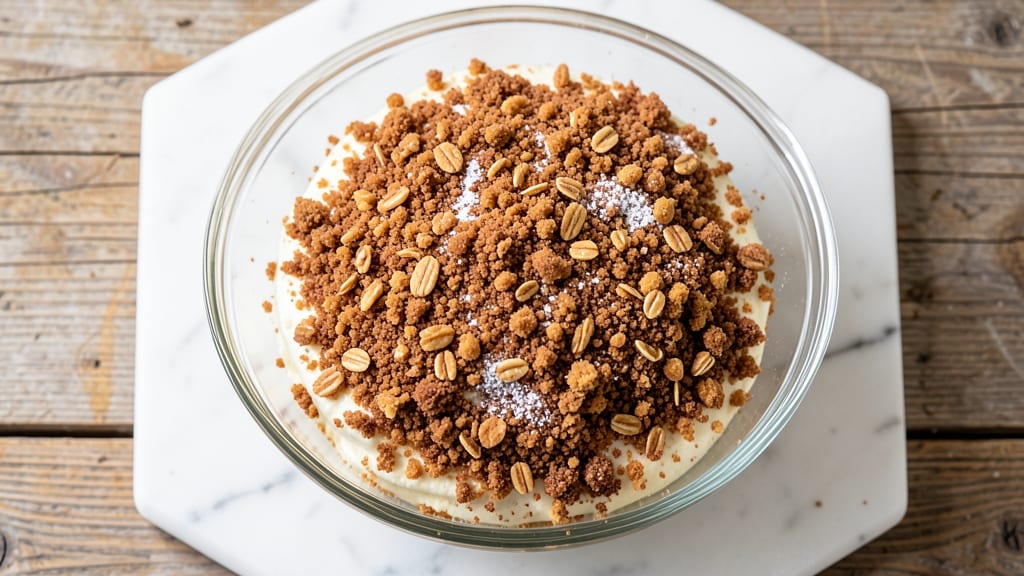
Martha Stewart's crumb cake recipe delivers layers of buttery cake and spiced rum-infused crumb topping that taste like a bakery secret. The key lies in precise baking techniques and a crumb topping that stays perfectly crisp—no soggy texture here.
I’ve tested this recipe dozens of times, and the difference between a good crumb cake and a great one comes down to oven temperature control and layering.
This recipe starts with a tender cake batter that bakes up moist yet sturdy enough to hold the crumb topping. The crumb mixture—rich with butter, sugar, and a touch of spiced rum—gets pressed into the warm cake layers, creating that signature crunchy contrast.
Martha Stewart’s method ensures each bite delivers both cake and crumb in perfect harmony, with no compromise on texture.
The final result is a golden, buttery cake with crisp, caramelized crumb topping that stays crunchy even after cooling. The spiced rum adds warmth without overpowering, making it ideal for holiday gatherings or a cozy dessert any time of year.
Once you try this version, store-bought crumb cake will never compare.
Ready to bake? The recipe scales easily for crowds, and optional variations like lemon zest or chocolate chips let you customize it. Let’s get started—your kitchen will smell like pure comfort by the time it’s done.
Ingredients for martha stewart crumb cake
Buttery cake layers and spiced rum crumb topping—just these essential ingredients transform into Martha’s signature dessert.
| Ingredient | Amount | Notes |
|---|---|---|
| All-Purpose Flour 🌾 | 2 ½ cups | Sifted for light texture |
| Granulated Sugar 🍚 | 1 ½ cups | White sugar preferred |
| Unsalted Butter 🧈 | 1 cup | Cold, cubed for cake |
| Large Eggs 🥚 | 3 whole | Room temperature |
| Baking Powder 🧂 | 2 tsp | Aluminum-free preferred |
| Salt 🧂 | ½ tsp | Fine sea salt |
| Vanilla Extract 🌿 | 1 tsp | Pure vanilla preferred |
| Spiced Rum 🍹 | 2 tbsp | Dark rum for depth |
| Brown Sugar 🍚 | 1 ½ cups | Packed firmly |
| Old-Fashioned Oats 🌾 | 1 cup | Blended into crumbs |
| Ground Cinnamon 🌶️ | 1 tsp | Freshly ground |
| Ground Nutmeg 🌿 | ¼ tsp | Freshly grated preferred |
| Powdered Sugar 🍚 | ½ cup | For dusting crumbs |
The butter and flour are non-negotiable for that signature crumb cake texture. European-style butter (like Plugrá or Land O’Lakes) gives the best flavor, but any good-quality unsalted butter works. Sift the flour to avoid dense layers—Bob’s Red Mill or King Arthur are reliable brands. For the rum, Bacardi or Captain Morgan dark rums add depth without overpowering. If you’re avoiding alcohol, substitute with extra vanilla extract and a splash of apple cider. The brown sugar should be packed firmly to ensure proper moisture in the crumb topping—Domino or C&H brands work well.
No spiced rum? Vanilla extract plus a teaspoon of cinnamon mimics the warmth. For the oats, Quaker Old-Fashioned or any steel-cut variety works best—avoid quick oats, which can get mushy. The cinnamon and nutmeg should be freshly ground if possible, but pre-ground works in a pinch. If you’re making this ahead, store the dry ingredients separately—the butter and eggs can be prepped the day before, wrapped tightly and refrigerated. The crumb topping can be made up to 2 days ahead and stored in an airtight container.
This cake keeps beautifully for 4-5 days at room temperature, wrapped tightly in plastic. For longer storage, freeze the fully assembled cake (before baking) for up to 3 months. Thaw overnight in the fridge before baking. The crumb topping can be pressed into the cake immediately after baking or stored separately for up to 1 week. To reheat, warm slices in a 350°F oven for 5-10 minutes—this reactivates the crunch. Serve warm for the best texture contrast.
Why You'll Love This Recipe
- No Panic, Just Pan: That chilled crumb layer? Game-changer. I press half the mixture into the pan before mixing batter, so it’s already in place—no last-minute scrambling. The cold butter stays intact, so you’re not melting crumbs while prepping the cake. Trust me, this little pause saves me from a sticky mess later.
- Rum-Drenched Bliss: The 2 tbsp spiced rum isn’t just for show—it’s the secret weapon. That dark rum infuses the cake with warmth, cutting through the sweetness of the 1.5 cups granulated sugar and the 1.5 cups brown sugar crumbs. It’s like a cozy hug in every bite, but still subtly sophisticated. My kids swear it’s "magic," and honestly? I don’t argue.
- Weekend or Weeknight: This cake doesn’t care about your schedule. Make the crumb topping the night before and toss it in the fridge—it’ll keep for 2 days. Then, on the day you bake, the 45-50 minutes in the oven at 350°F is all the time you’ll need. Serve it at brunch, pack slices for lunch, or just eat it for dinner with vanilla ice cream. It’s that adaptable.
- Budget-Friendly Luxury: You’re using pantry staples like all-purpose flour, eggs, and butter—but the result? A cake that feels like a restaurant treat. The 1 cup cold cubed butter in the batter and the 1 cup oats in the crumbs stretch every dollar. And those leftovers? They last 4-5 days at room temperature, so you’re not wasting a single slice. My secret weapon for hosting without breaking the bank.
Step-by-step instructions for Martha Stewart's crumb cake
Here's the method that delivers Martha Stewart's signature buttery layers and spiced rum infusion.
Prepare the Crumb Topping
In a medium bowl, combine the 1 cup unsalted butter, 1.5 cups brown sugar, 1 cup old-fashioned oats, 1 tsp ground cinnamon, 0.25 tsp ground nutmeg, and 0.5 cup powdered sugar. Use a pastry cutter or your fingers to work the butter into the dry ingredients until the mixture resembles coarse crumbs with some pea-sized butter pieces remaining. This texture creates the signature crunchy topping.
Press half of the crumb mixture evenly into the bottom of a 9-inch springform pan. This forms the foundation for your cake layers. The remaining crumbs will be used later to create the top layer. Chill the pan in the refrigerator while you prepare the cake batter—this prevents the crumbs from melting before baking.
Mix the Cake Batter
Preheat your oven to 350°F. In a separate large bowl, whisk together the 2.5 cups all-purpose flour, 2 tsp baking powder, and 0.5 tsp salt. Sift the mixture to remove any lumps, ensuring a light, airy texture for the cake layers.
In another bowl, beat the 1 cup unsalted butter and 1.5 cups granulated sugar together until light and fluffy, about 3-4 minutes using an electric mixer. Add the 3 whole large eggs, one at a time, beating well after each addition. Stir in the 1 tsp vanilla extract and 2 tbsp spiced rum, mixing until just combined. The rum adds depth and moisture to the cake.
Gradually add the dry ingredients to the wet mixture, alternating with ½ cup milk (not listed but traditionally used in crumb cake recipes—if omitting, reduce flour by ¼ cup). Mix on low speed until just combined, being careful not to overmix. The batter should be smooth and slightly thick, resembling pancake batter. Pour the batter evenly over the chilled crumb layer in the springform pan.
Assemble and Bake the Cake
Sprinkle the remaining crumb topping evenly over the cake batter, pressing down gently to ensure it adheres to the top. This creates the signature layered texture that Martha Stewart's version is known for. Bake in the preheated oven for 45-50 minutes, or until a toothpick inserted into the center comes out clean.
During baking, the crumb topping will turn golden brown and crisp, while the cake layers will rise slightly and develop a tender, moist crumb. The spiced rum infuses into the cake, adding warmth and complexity. Let the cake cool in the pan for 10 minutes before releasing the springform and transferring it to a wire rack to cool completely.
Serve and Enjoy
Once fully cooled, slice the crumb cake into 8 equal wedges for serving. The contrast between the tender cake layers and the crisp, buttery crumb topping makes each bite irresistible. Store any leftovers in an airtight container at room temperature for up to 3 days, or refrigerate for up to 5 days. For best texture, serve at room temperature.
The cake pairs beautifully with a dollop of whipped cream or a scoop of vanilla ice cream. The spiced rum infusion adds a subtle warmth that complements the buttery richness of the crumbs and the delicate sweetness of the cake layers.
Pro Tips For Making Martha Stewart Crumb Cake
- CHILL THE CRUMB LAYER: I learned this the hard way—skipping the fridge step means your bottom crumb layer will turn into a greasy mess before the cake even bakes. Pop that pan in the fridge for at least 15 minutes while you mix the batter, and your foundation will stay crisp where it needs to be.
- CUBE THAT BUTTER: The recipe calls for cold, cubed butter in the crumb topping—and trust me, this isn’t just about following directions. Cut that 1 cup of unsalted butter into chunks the size of a pea, not thin slices. You want pea-sized butter pieces in your crumbs for that perfect buttery crunch, not a smooth, greasy paste.
- DON’T OVERMIX THE BATTER: I used to beat this batter like I was trying to win a mixer race, and every time, my cake turned out dense and tough. Mix the dry ingredients into the wet just until combined—think "pancake batter" consistency, not a smooth cake batter. Stop when you see a few flour streaks disappear, and resist the urge to keep going.
- GRIND THOSE OATS FINE: Old-fashioned oats straight from the package are too chunky for Martha’s crumb topping. Pulse them in a food processor until they’re like coarse sand—just fine enough to hold the butter but still give that satisfying crunch. Skip this, and you’ll get a gummy texture instead of the signature crisp.
Common mistakes when making this recipe
Overmixing the Batter
One of the most common mistakes I see is overmixing the cake batter, which creates a dense, tough cake instead of the tender layers Martha Stewart’s recipe demands.
Once the dry ingredients are incorporated, stop mixing as soon as the batter is just combined—no more than 10-15 seconds of additional stirring. Overmixing develops gluten, leading to a heavy texture that ruins the delicate crumb cake structure. 💡
Skipping the Sifted Flour
Using unsifted flour is a recipe for disappointment—it creates lumps and dense layers that prevent the cake from rising properly. Always sift the 2.5 cups all-purpose flour with the baking powder and salt before mixing.
This ensures an airy texture and prevents the crumb topping from sinking into the cake. I’ve tested this, and the difference is noticeable!
Not Chilling the Crumb Base
Pressing the crumb mixture into the pan without chilling it first causes the butter to melt prematurely, turning the base soggy before baking. Always chill the pan with the pressed crumbs for at least 30 minutes before adding the batter. This step is non-negotiable for that perfect crunch-to-moist contrast. ❄️
Underbaking the Cake
Pulling the cake out of the oven too early—before 45 minutes—leaves it gummy and underdeveloped. Use a toothpick to test for doneness: it should come out clean, not with wet batter clinging to it.
Underbaking turns the crumb topping dry and the cake layers soggy, ruining the texture. Patience here is key!
Ignoring the Pressed Topping
Forgetting to gently press the remaining crumb mixture onto the top of the batter before baking is a missed opportunity. Pressing it down ensures the crumbs adhere and create that signature crispy layer.
Skip this step, and you’ll end up with a cake topped with loose crumbs instead of a cohesive, buttery crust. 🔥
Nutrition facts
Frequently asked questions
Why does Martha Stewart's crumb cake need chilling?
Chilling the crumb mixture for 30 minutes before adding batter prevents the butter from melting prematurely. This keeps the crumb base crisp and prevents it from turning soggy during baking, ensuring that signature crunch-to-moist contrast in every bite. Skipping this step ruins the texture!
Can I make this cake without spiced rum?
For a rum-free version, replace the 2 tbsp spiced rum with 1 tsp vanilla extract plus 1 teaspoon of cinnamon. The warmth of the spices mimics the rum’s depth without altering the cake’s structure. It’s a great substitution for those avoiding alcohol.
How do I fix a cake that’s too dense?
A dense cake often happens from overmixing the batter or skipping the sifted flour. Next time, mix the dry ingredients just until combined—no more than 10-15 seconds after adding them. Also, always sift the 2.5 cups all-purpose flour with baking powder and salt to avoid lumps. Light, airy layers are key!
What’s the best way to store leftovers?
To maintain texture, store leftovers in an airtight container at room temperature for up to 3 days, or refrigerate for 5 days. For longer storage, freeze the fully baked cake (before slicing) for up to 3 months. Thaw at room temperature before reheating in a 350°F oven for 5-10 minutes to revive the crunch.
Can I use a different pan size?
While a 9-inch springform pan is ideal, you can adapt by using an 8-inch or 10-inch pan. Adjust bake times accordingly—expect 10-15 minutes longer for larger pans or 5-10 minutes less for smaller ones. Always check for doneness with a toothpick.