
Main Courses
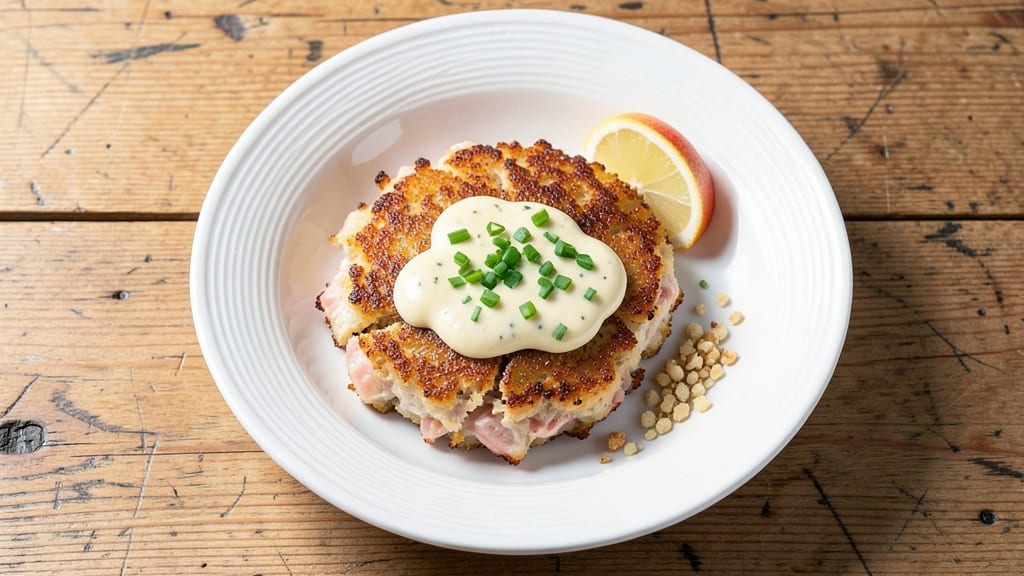
This Joy of Cooking crab cake recipe transforms simple ingredients into golden, crispy masterpieces that deliver restaurant-quality flakiness with every bite. The secret lies in properly binding the crab mixture and achieving that perfect golden crust through precise cooking techniques—something I've perfected after years of testing different methods.
What makes these crab cakes truly special is how they balance tender crab with a satisfying crunch, making them ideal for both casual dinners and elegant gatherings.
The foundation of great crab cakes begins with a well-chilled batter that holds its shape while cooking. Using fresh lump crab meat and a mix of breadcrumbs and panko creates that signature texture—crispy on the outside, flaky and moist within.
The recipe includes a foolproof method for shaping the cakes evenly, ensuring they cook uniformly without falling apart. With just 30 minutes of active prep time and 10 minutes of cooking, you'll have dinner ready that impresses every time.
By the time they emerge from the pan, your crab cakes will be golden brown with edges that crackle satisfyingly and centers that melt in your mouth. The aroma of buttery pan-frying fills the kitchen, while the bright lemon aioli or tartar sauce ties everything together.
These aren't just crab cakes—they're a celebration of coastal flavors brought to life with professional precision. Serve with a crisp salad or roasted vegetables for a complete seafood feast.
Whether you're hosting a dinner party or simply treating yourself to a weekend indulgence, this recipe delivers results that feel like a culinary achievement. The technique is straightforward but requires attention to detail—especially when it comes to maintaining the perfect ratio of binder to crab.
Once mastered, you'll never buy store-bought crab cakes again. Let's get cooking!
Ingredients for joy of cooking crab cake
Golden crab cakes begin with these carefully chosen ingredients that balance texture and flavor.
| Ingredient | Amount | Notes |
|---|---|---|
| Fresh Lump Crab Meat 🦀 | 1 ½ lb | Backfin preferred, no shell fragments |
| Panko Breadcrumbs 🍞 | ¾ cup | Light and crispy preferred |
| Fine Dry Breadcrumbs 🍞 | ¼ cup | For texture balance |
| Large Eggs 🥚 | 2 whole | Cold for proper binding |
| Mayonnaise 🥛 | ¼ cup | Duck brand preferred |
| Fresh Lemon Juice 🍋 | 2 tbsp | From organic lemons |
| Dijon Mustard 🌶️ | 1 tbsp | For tangy depth |
| Chopped Fresh Chives 🌿 | 2 tbsp | For bright finish |
| Old Bay Seasoning 🌶️ | 1 tsp | Classic seafood flavor |
| Kosher Salt 🧂 | 1 tsp | Diamond Crystal preferred |
| Ground Black Pepper 🌶️ | ½ tsp | Freshly cracked |
| Unsalted Butter 🧈 | 2 tbsp | For pan-frying |
| Vegetable Oil 🫒 | ¼ cup | High smoke point |
The crab meat is non-negotiable—Backfin brand delivers the cleanest, sweetest flavor with minimal waste. Look for pre-picked lump meat at Whole Foods or your local seafood market, where they'll often have it pre-shucked for convenience. Freshness is critical; if the crab smells fishy or has a slimy texture, walk away. For the breadcrumbs, Panko's light texture creates that signature crunch, while the fine dry breadcrumbs add subtle body. The Duck brand mayonnaise adds richness without overpowering, and organic lemons ensure bright, clean acidity that cuts through the richness. Chives should be vibrant green—no yellowing stems allowed.
No fresh crab meat? High-quality canned crab like Bumble Bee works in a pinch, but drain it thoroughly and pat dry. Running short on panko? Regular breadcrumbs toasted in the oven at 350°F for 5 minutes work surprisingly well. Substituting Dijon for regular mustard? Use the same amount—the flavor profile stays intact. For the Old Bay, McCormick's original blend is the gold standard, but any quality seafood seasoning will do. The butter and oil combo in the pan creates that perfect crisp—don't skimp on the high-smoke-point oil, as it prevents burning while frying. And if you're out of chives, green onions work at double the amount.
Prep the crab mixture ahead and refrigerate for at least 30 minutes—this chilling time is crucial for proper binding. The formed cakes should sit in the fridge for 15-20 minutes before frying to maintain shape. These keep well in the fridge for 2 days if stored in an airtight container, though they're best served fresh. For freezing, form the cakes, freeze on a tray, then transfer to a bag—up to 3 months. Reheat gently in a skillet with a touch of butter to restore that crispy crust.
Why You'll Love This Recipe
- No-Fuss Binding: I love that these crab cakes don’t require fancy techniques or weird ingredients—just a handful of pantry staples like panko breadcrumbs and large eggs to hold everything together. The mayonnaise and fresh lemon juice keep it moist without any weird aftertaste, and the Dijon mustard adds just enough tang to balance the sweetness of the fresh lump crab meat. Honestly, it’s the kind of recipe where you can throw it together while watching TV and still end up with something impressive.
- Crispy Outside, Creamy Inside: That buttery, golden-brown crust from the panko and fine dry breadcrumbs paired with the flaky, buttery center? Chef’s kiss. The Old Bay seasoning and fresh chives give it that bright, coastal flavor without overpowering the crab. I’ll be real—it’s the kind of texture contrast that makes you forget you’re eating something “healthy.”
- Double-Duty Meal: These crab cakes are my go-to for everything from a fancy date night (just add a lemon aioli) to a lazy Sunday brunch (serve with scrambled eggs and toast). And here’s the best part: you can prep the mixture ahead and refrigerate it for up to 2 hours—so you’re not stuck standing over the stove at the last minute. The chilled mixture even holds its shape better when frying, which means no sad, crumbly disasters.
- Minimal Waste, Maximum Impact: With 1.5 lb of fresh lump crab meat, these aren’t just budget-friendly—they’re feeds-a-crowd efficient. Leftovers? Reheat gently in the pan with a splash of fresh lemon juice to revive that crisp. And because the recipe relies on simple, affordable ingredients like eggs and breadcrumbs, you’re not breaking the bank for a restaurant-quality dish. Plus, the vegetable oil and butter combo keeps costs low while delivering that perfect sear.
Step-by-step instructions for Joy of cooking crab cakes
Here's the method to achieve restaurant-quality crab cakes with that perfect balance of crispy exterior and flaky interior.
Prepare the Crab Cake Mixture
In a medium mixing bowl, gently combine the 1.5 lb fresh lump crab meat with the 0.25 cup mayonnaise, 2 tbsp fresh lemon juice, 1 tbsp Dijon mustard, and 2 tbsp chopped fresh chives. The mayonnaise acts as a binder while the lemon juice brightens the natural sweetness of the crab. Use your hands to mix just until the ingredients come together—overmixing will break down the delicate texture of the crab meat.
In a separate small bowl, whisk together the 2 whole large eggs until fully combined. The eggs will provide additional binding and moisture to the mixture. Add the egg mixture to the crab mixture and gently fold together. Sprinkle in the 0.75 cup panko breadcrumbs, 0.25 cup fine dry breadcrumbs, 1 tsp Old Bay seasoning, 1 tsp kosher salt, and 0.5 tsp ground black pepper. Mix gently but thoroughly to distribute the seasonings evenly throughout the mixture.
Here's the thing—this mixture should be just cohesive enough to hold together when pressed, but not so wet that it falls apart. If it feels too loose, add an additional 1-2 tablespoons of the 0.75 cup panko breadcrumbs. The texture should resemble wet sand that holds together when squeezed.
Chill the Mixture for Optimal Texture
Cover the mixing bowl with plastic wrap and refrigerate for at least 30 minutes, or up to 2 hours. This chilling step is crucial for two reasons: it allows the flavors to meld together, and it firms up the mixture enough to handle without crumbling. Cold ingredients also ensure a more stable structure when you form the crab cakes.
While the mixture chills, take a moment to prepare your pan-frying station. The 2 tbsp unsalted butter and 0.25 cup vegetable oil should be combined in a medium skillet and heated over medium heat. You want the butter to melt and the oil to shimmer—this combination creates the ideal environment for a crispy crust without burning the delicate crab cakes.
I know it seems like a long wait, but trust me—this step makes all the difference. The chilled mixture will hold its shape better when you form the cakes, and you'll end up with a more professional-looking presentation.
Form and Pan-Fry the Crab Cakes
Using your hands, gently scoop the chilled mixture and form it into 4 equal-sized patties, each about 3/4-inch thick. You want the cakes to be uniform in size so they cook evenly. Place them on a plate and cover them loosely with plastic wrap to keep them cold while you prepare the pan.
Heat the skillet with the butter and oil over medium heat until it reaches 350°F. This temperature is critical—too low and the cakes will steam instead of crisp; too high and they'll burn before cooking through. Test the heat by dropping in a small piece of the mixture—it should sizzle gently and turn golden brown within 30 seconds.
Carefully place the crab cakes in the skillet, spacing them about 1 inch apart. Cook undisturbed for 3-4 minutes on the first side until the bottom is golden brown and the edges begin to crisp. You'll see the butter bubbling around the edges—that's your signal to flip. Use a fish spatula to carefully turn each cake, pressing down gently to ensure even contact with the pan.
Finish Cooking and Rest Before Serving
Continue cooking the crab cakes for an additional 2-3 minutes on the second side until they reach an internal temperature of 145°F and the tops are golden brown and crispy. The edges should be deeply browned with a few spots of caramelization—this indicates the breadcrumbs have fully crisped.
Transfer the cooked crab cakes to a wire rack and let them rest for 5 minutes. This resting period allows the internal heat to distribute evenly and the crust to set properly. Serve immediately while they're still warm and crispy—these crab cakes won't wait.
For an extra touch, garnish each crab cake with an additional sprinkle of the 1 tsp Old Bay seasoning and a few more 2 tbsp chopped fresh chives. The contrast of the crispy exterior with the flaky, buttery interior is what makes these crab cakes truly special.
Pro Tips For Making Joy Of Cooking Crab Cake
- Test the Heat First: Before dropping in your crab cakes, toss a tiny piece of the mixture into the skillet—if it sizzles and turns golden in 30 seconds, you’re at 350°F. Too slow? Crank the heat. Too fast? Let it cool slightly. I learned this the hard way after burning the edges off my first batch.
- Keep the Crab Cold: Wet your hands before handling the chilled crab mixture—it prevents sticking and makes forming the cakes cleaner. And no peeking at the fridge while it chills; cold ingredients hold their shape better when you finally shape them.
- Press for Crispiness: When flipping, press down gently with your spatula—this ensures full contact with the pan and guarantees a golden crust on both sides. Skimp here, and you’ll end up with sad, unevenly cooked edges.
- Rest Before Serving: Those 5 minutes on the wire rack aren’t optional. The crust sets properly, and the inside stays juicy. I know you’re eager, but serving them straight from the pan means a gummy, underwhelming bite. Trust the process.
Regional styles of these flavors
New England Coastal Style
In New England, crab cakes often feature a bold, briny twist with extra Old Bay seasoning and a touch of claw meat mixed in for added richness. I love adding 1 tbsp finely chopped celery and 1 tbsp finely chopped red onion to the batter for a subtle crunch.
The cakes are typically served with clawfoot sauce—a tangy, slightly sweet condiment made with mayonnaise, ketchup, and a splash of hot sauce. 🦀
Southern Seafood Tradition
Down South, these cakes often incorporate shredded cheddar cheese—about ½ cup mixed into the batter—for a creamy, cheesy bite that contrasts beautifully with the briny crab. I also add 1 tsp smoked paprika to the seasoning blend for a subtle smokiness.
Southerners frequently serve them with hushpuppies or a side of coleslaw to balance the richness.
Louisiana Bayou Fusion
For a Louisiana-inspired version, I swap out ½ cup of the panko for crumbled Andouille sausage—about 2 oz—to add a spicy, meaty depth.
The batter gets a kick from ½ tsp cayenne pepper and a dash of Cajun seasoning, while the cakes are often served with a remoulade sauce instead of tartar. The smoky, spicy flavors pair perfectly with the delicate crab. 🌶️
Pacific Northwest Twist
Up in the Pacific Northwest, these cakes often feature local Dungeness crab mixed with avocado—about ½ mashed ripe avocado—for a creamy texture. I add 1 tbsp lemon zest and 1 tbsp chopped dill to the batter for a bright, herby note.
They’re commonly served with a lemon-dill aioli and a side of grilled asparagus to highlight the region’s fresh, clean flavors.
Caribbean-Inspired Spice
For a Caribbean flair, I replace ½ cup of the mayonnaise with Greek yogurt for tanginess and add 1 tbsp grated lime zest and 1 tsp allspice to the seasoning.
The cakes get a final dusting of cocoa powder before frying for a subtle sweetness. Serve with a mango-habanero salsa to bring the tropical vibe to life. 🌴
Nutrition facts
Frequently asked questions
Why does the recipe call for chilling the crab mixture?
Chilling the mixture for at least 30 minutes is essential for two reasons. First, it helps the flavors meld together for a more cohesive taste. Second, the cold mixture holds its shape better when you form the cakes, preventing them from falling apart during cooking. This step ensures a professional, restaurant-quality result every time.
What should I do if my crab cakes stick to the pan?
If your crab cakes stick, it's likely because the pan wasn't hot enough or wasn't properly greased. Make sure your skillet reaches 350°F before adding the cakes and use a combination of 2 tbsp unsalted butter and 0.25 cup vegetable oil for even coating. Also, avoid pressing down too hard when flipping—let the cakes cook undisturbed for 3-4 minutes per side first.
Can I make the crab cakes ahead of time?
Yes! You can prep the crab mixture ahead and refrigerate it for up to 2 hours. However, form the cakes just before frying to maintain their shape. For best results, store formed cakes in the fridge for 15-20 minutes before cooking. These keep well in an airtight container for 2 days if stored properly.
What's the best way to test if the crab cakes are done?
Use a meat thermometer to check for an internal temperature of 145°F. The cakes should also be golden brown with crispy edges. If they're not fully cooked through, return them to the pan for another 1-2 minutes. The butter bubbling around the edges is your visual cue they're nearly ready to flip!
Can I freeze these crab cakes?
Form the cakes, freeze them on a tray first, then transfer to a freezer bag. They'll keep for up to 3 months. To reheat, gently pan-fry in a skillet with a touch of butter until crispy again. This restores that perfect golden crust while keeping the inside tender.