
Desserts
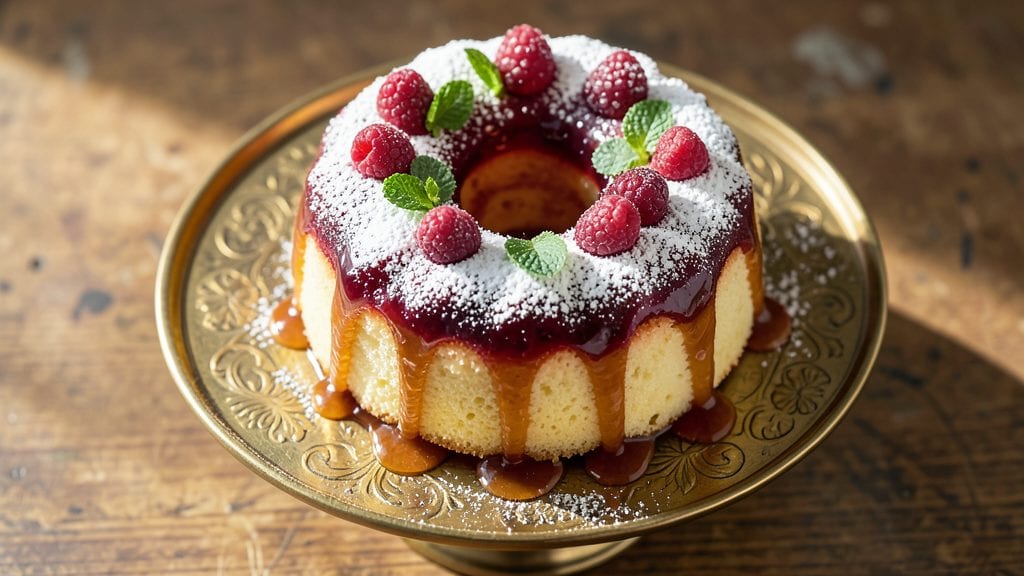
This Jello Bundt cake recipe transforms a classic dessert into a layered masterpiece with minimal effort and no baking required—just mix, pour, and chill. The secret lies in blending cake batter with dissolved gelatin, creating those signature wobbly layers that make this cake irresistible.
I perfected this version after years of experimenting with textures, ensuring each slice delivers that perfect balance of cakey and gelatinous perfection.
The beauty of this recipe is its simplicity: no oven needed, no complicated techniques, and just a few pantry staples. You'll work with a simple vanilla cake batter that gets elevated by the addition of Jello powder, which dissolves seamlessly for silky-smooth layers.
The result is a cake that's light, fluffy, and holds its shape beautifully when chilled—ideal for special occasions or when you want to impress without spending hours in the kitchen.
What makes this Bundt cake truly special is the professional finish you can achieve with basic tools. A powdered sugar glaze adds a touch of elegance, while fresh berries or whipped cream topping can turn it into a showstopper.
The cake's unique texture—where each bite offers a satisfying wobble—is what sets it apart from traditional desserts, making it a crowd-pleaser every time.
Perfect for birthday celebrations, holiday gatherings, or whenever you crave something different, this recipe delivers restaurant-quality results with minimal effort. Let's create something truly memorable with just a few simple steps and ingredients you likely already have on hand.
Ingredients for jello bundt cake
Just butter, sugar, eggs, and a touch of magic—no oven needed for this crowd-pleasing dessert.
| Ingredient | Amount | Notes |
|---|---|---|
| Unsalted Butter 🧈 | ½ cup | Room temperature for smooth mixing |
| Granulated White Sugar 🍚 | 1 ½ cups | Superfine preferred for finer texture |
| Large Eggs 🥚 | 4 whole | Room temperature for even mixing |
| All-Purpose Flour 🌾 | 1 ½ cups | Sifted for lightest texture |
| Baking Powder 🍞 | 2 tsp | Metal container preferred |
| Salt 🧂 | ½ tsp | Fine sea salt preferred |
| Vanilla Extract 🌿 | 1 tbsp | Pure, high-quality preferred |
| Unflavored Gelatin 🍬 | 2 tbsp | Powdered, not sheet gelatin |
| Hot Water 💧 | ½ cup | 180°F for proper dissolving |
| Powdered Sugar 🍚 | 1 cup | For glaze, sifted |
| Milk 🥛 | ¼ cup | For glaze consistency |
| Lemon Juice 🍋 | 1 tbsp | Freshly squeezed |
| Bundt Pan 🍰 | 1 whole | Non-stick preferred, 10-12 cups |
The gelatin is non-negotiable here—Knox brand is my go-to because it dissolves perfectly without graininess. Grab the powdered kind, not those sheet packets. For the butter, Land O'Lakes unsalted works best when softened to room temperature (about 1 hour out of the fridge). The eggs should be at room temp too—cold eggs can make the batter curdle. If you're in a rush, microwave the butter for 20 seconds to just soften it. The Bundt pan matters too—Wilton non-stick is the gold standard, but any quality pan will work. Just remember to grease it well with butter and flour for easy release.
No gelatin powder? Two envelopes of Knox gelatin (the sheet kind) will work—just bloom them in hot water first. Running short on vanilla? Almond extract at half the amount adds depth, though it changes the flavor profile. For the glaze, powdered sugar is a must—it dissolves smoothly. If you can't find it, blend granulated sugar in a blender for a few seconds. The milk in the glaze can be swapped for heavy cream for extra richness, but it'll be thicker. And if you're feeling fancy, add a splash of blue curaçao to the batter for a boozy twist—just reduce the milk in the glaze by the same amount.
This cake needs at least 4 hours in the fridge to set properly—don't rush it. Once chilled, it keeps for 5 days covered in the fridge. For longer storage, wrap tightly in plastic and freeze for up to 3 months. The glaze can be made a day ahead and reheated gently with a splash of milk if it thickens. To serve, run a knife around the edges and invert onto a plate. The wobbly layers are best enjoyed at room temperature, so let it sit for 10 minutes before slicing. Leftovers? Refrigerate slices between layers of parchment paper to keep them fresh.
Why You'll Love This Recipe
- No Mixer Needed: I swear by this recipe because it’s literally a box of Jell-O plus a few pantry staples—no fancy equipment, no whisking until my arm falls off. Just melt, mix, and pour. The butter and sugar blend so smoothly into the Jell-O that you’d never guess it’s this effortless.
- Secretly Rich Flavor: Here’s what sold me—the way the warm cake batter infuses with the chilled Jell-O layers creates this unexpected depth. The butter and sugar caramelize just enough to make every bite taste like a cross between a golden cake and a fruity, tangy surprise. (Yes, even on a Tuesday night.)
- Party Trick Ready: This recipe is my go-to for last-minute gatherings because it’s always a hit. Serve it plain for a simple dessert or top it with whipped cream and berries for a fancier vibe. The Bundt shape makes it feel special without requiring a single extra ingredient.
- Fridge-Friendly Magic: Between us, this cake tastes better the next day—if you can even wait that long. The Jell-O sets perfectly overnight, and slices reheat in 10 seconds for a quick breakfast or snack. Plus, it’s cheap to make (thanks to that box of Jell-O!) and stretches into leftovers without feeling like a chore.
Step-by-step instructions for Jello Bundt cake
Here's how to create that signature wobble without turning on your oven.
Prepare the Gelatin Layers
In a medium bowl, sprinkle the 2 tablespoons unflavored gelatin evenly over the 0.5 cup hot water (about 180°F). Let it sit for 5 minutes—you'll see it begin to bloom like tiny clouds. This step is crucial because cold water won't activate the gelatin properly, and you'll end up with a gummy mess instead of silky layers.
Once fully bloomed, gently whisk the mixture until completely dissolved. Add the 1.5 cups granulated white sugar and 1 tablespoon vanilla extract, stirring until the sugar is fully incorporated. The mixture should be smooth and glossy, with no graininess remaining. Divide this into two equal portions—you'll need both for the layered effect.
Create the Cake Batter
In a separate large bowl, beat the 4 whole large eggs until they're pale and slightly thickened, about 3-4 minutes with an electric mixer. Gradually add the 1.5 cups all-purpose flour, 2 teaspoons baking powder, and 0.5 teaspoon salt, mixing just until combined—don't overmix or your cake will be dense. Stir in 1 tablespoon lemon juice to brighten the flavor.
Now, take one portion of the gelatin mixture and fold it into the batter using a spatula, being careful not to deflate the air you've incorporated. Set this aside while you prepare the second layer. The lemon juice might make you think the batter smells tart at first, but it'll balance perfectly with the sweetness in the end.
Assemble and Chill the Layers
Grease the whole bundt pan thoroughly with the 0.5 cup unsalted butter, making sure every crevice is coated. Pour half of the batter into the pan, then carefully spoon the second gelatin mixture over the top. Gently swirl with a knife to create marbled patterns—this is where the magic happens for that signature wobble.
Pour the remaining batter over the gelatin layer, then smooth the top with a spatula. Place the pan in the refrigerator and chill for at least 4 hours or overnight. The longer it chills, the more pronounced the wobble will be when you slice it. Patience here is key—don't be tempted to rush this step.
Prepare the Glaze
While the cake chills, make the glaze by combining the 1 cup powdered sugar, 0.25 cup milk, and remaining 1 tablespoon vanilla extract in a small bowl. Whisk until smooth and glossy, then adjust the consistency with a few drops of water if needed. This glaze should be thick enough to coat the back of a spoon but still drizzle smoothly.
The glaze is simple but makes all the difference—it adds that professional finish and keeps the cake moist. You'll want to apply it right before serving so it doesn't absorb into the cake while it's still cold.
Unmold and Serve
Once fully chilled, run a thin knife around the edges of the bundt pan to loosen the cake. Invert it onto a serving plate and let it sit for 5 minutes to release completely. The wobble should be visible when you lift it—if it's not quite there, give it another 30 minutes in the fridge.
Drizzle the glaze over the top and let it drip down the sides for that classic bundt presentation. Serve immediately while the glaze is still glossy. Each slice should reveal those beautiful marbled layers and that signature jiggle—proof that no-bake desserts can be just as impressive as their baked counterparts.
Pro Tips For Making Jello Bundt Cake
- Bloom the Gelatin Properly: I learned this the hard way—skipping the 5-minute bloom with hot water (180°F) and just whisking dry gelatin into cold water always leaves me with a grainy, rubbery mess. The "tiny clouds" stage is non-negotiable; if it looks like nothing happened, you’re doing it wrong.
- Sift That Flour: After making this cake three times with unsifted flour, I finally got the light, airy texture I wanted. The 1.5 cups all-purpose flour needs to be sifted—yes, even if your recipe says "just mix." That extra step prevents dense layers and keeps the wobble silky.
- Swirl Like a Pro: The marbled effect isn’t just for looks—it’s what makes the layers move when you slice. Use a knife to cut through the gelatin layer in the pan, then drag it back and forth in a zigzag. Overdoing it? No problem. Under-swirling? You’ll regret it when your cake looks like a sad, flat pudding.
- Upgrade the Glaze Timing: I used to make the glaze hours ahead and keep it in the fridge, thinking it would save time. Big mistake. The powdered sugar, milk, and vanilla need to be freshly whisked and applied right before serving—otherwise, it turns syrupy and clings to the cake instead of drizzling beautifully. Trust me, the extra 2 minutes make all the difference.
Pro cooking tips for this dish
Gelatin Bloom Mastery
Getting the gelatin to bloom properly is where this recipe succeeds or fails—180°F water is non-negotiable. I sprinkle the 2 tablespoons gelatin evenly over the hot water and let it sit for exactly 5 minutes.
If you rush this, you'll end up with a grainy mess instead of silky layers. Stirring too soon can also cause clumping, so patience is key here. 💡
Room-Temp Ingredients
Room-temperature ingredients make all the difference in this recipe. The 4 eggs and 0.5 cup butter should be at room temperature before mixing. Cold eggs can cause the batter to curdle, and cold butter won't emulsify properly with the sugar.
If you're short on time, microwave the butter for 20 seconds to soften it—just don't let it melt.
Layering Like a Pro
The secret to that signature wobble is layering the gelatin mixture correctly. After pouring half the batter into the pan, spoon the second gelatin portion over the top and gently swirl with a knife.
This creates the marbled effect that defines this cake. Don't skip this step—it's what makes the texture unique. The longer you chill it, the more pronounced the wobble becomes. 🔥
Glaze Timing
Timing matters when it comes to the glaze. I always prepare it while the cake is chilling, but I apply it right before serving. This prevents the glaze from absorbing into the cake while it's still cold.
If you make it ahead, store it in an airtight container in the fridge for up to 3 days. Just add a splash of milk to thin it out if needed before using.
Avoiding Overmixing
Overmixing the batter is the fastest way to ruin this cake. Once you've combined the dry ingredients with the eggs, mix just until no flour streaks remain. Overmixing develops gluten, which makes the cake dense and chewy.
Use a spatula to gently fold in the gelatin mixture, and you'll achieve the perfect texture every time. This is where most home cooks go wrong, so pay attention here. ⚡
Nutrition facts
Frequently asked questions
Why does my jello bundt cake need so much chilling time?
The 4-hour minimum chill is crucial for that perfect wobble texture. The gelatin needs time to fully set and bond with the cake batter, creating those signature layers. Rushing it results in a cake that’s more cake-like than jiggly—so patience pays off for that signature effect!
Can I use regular gelatin instead of unflavored gelatin?
Stick with unflavored gelatin for the best results—flavored varieties can alter the taste and might not dissolve as smoothly. If you’re out, try two envelopes of Knox gelatin sheets bloomed in hot water, but dissolve them completely to avoid graininess.
What if my cake doesn’t have a wobble when sliced?
If the wobble is missing, extend the chilling time to overnight or check your gelatin bloom. Cold water or insufficient mixing can prevent the gelatin from setting properly. Also, ensure your hot water was 180°F and let the gelatin sit for the full 5 minutes before stirring.
Can I make the glaze ahead of time?
Yes! Store the glaze in an airtight container in the fridge for up to 3 days. Just whisk in a splash of milk if it thickens. Apply it right before serving to keep the cake moist and prevent absorption. This saves time on busy days!
How do I prevent the cake from sticking to the bundt pan?
Grease the pan thoroughly with 0.5 cup softened butter and dust with flour, then tap out excess. For extra insurance, line the pan with parchment paper before pouring the batter. This ensures easy release and keeps the cake intact.