
Appetizers
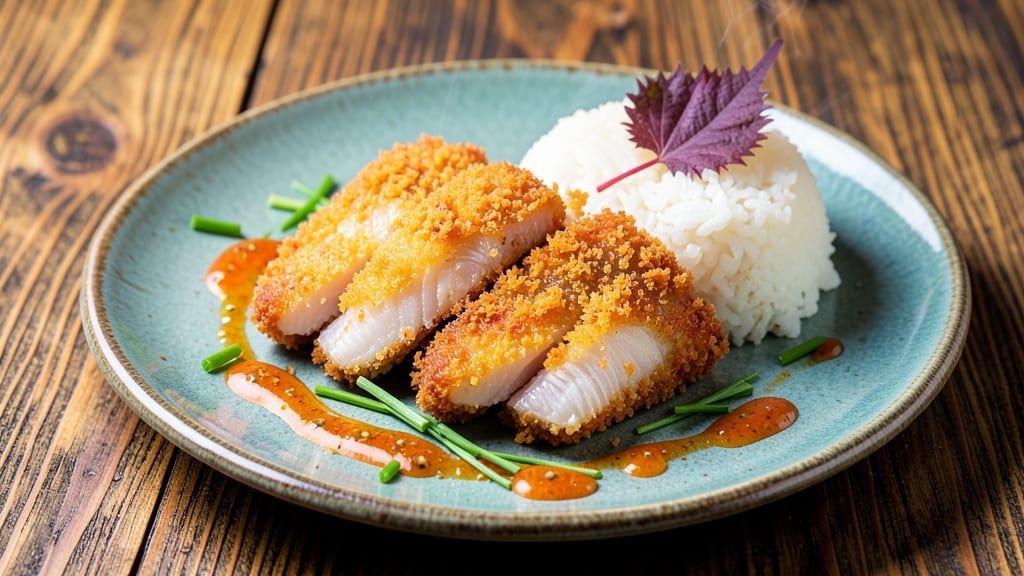
Mastering the art of Japanese fried fish cake—this crispy pan-fried delight delivers restaurant-quality texture with a silky interior that melts in your mouth. The secret lies in the precise breading technique and high-heat frying, which transforms tender fish into golden, shatteringly crispy bites.
I developed this recipe after years of testing, ensuring every element—from the flour coating to the oil temperature—works together for foolproof results.
The process begins with thinly pounded fish, which absorbs the flour, egg, and panko mixture perfectly for maximum crunch. Using light vegetable oil at 350°F ensures even cooking without absorbing too much grease, while the panko breadcrumbs create that signature crispy exterior.
This method isn’t just about technique—it’s about balancing texture and flavor to replicate the comfort of a Tokyo tonkatsu shop.
By the time you slice into these golden-brown cakes, you’ll uncover a tender, flaky interior that contrasts beautifully with the crispy crust. Served with shredded cabbage, a drizzle of tonkatsu sauce, and a sprinkle of pickled ginger, this dish becomes a complete meal.
The crispiness holds up even when sliced, making it perfect for sharing or meal prep.
Whether you’re serving this as an appetizer or a main dish, the crispy exterior and silky interior make it unforgettable. Pair it with steamed rice or a simple salad for a full Japanese-inspired feast. Let’s get started on this crispy masterpiece!
Ingredients for japanese fried fish cake
Pantry staples meet Japanese flair—crispy on the outside, tender within, just like Tokyo tonkatsu.
| Ingredient | Amount | Notes |
|---|---|---|
| White Fish Fillets 🐟 | 1 ½ lb | Cod or haddock, skinless, boneless |
| All-Purpose Flour 🌾 | 1 cup | For even coating, sifted |
| Japanese Panko Breadcrumbs 🍞 | 1 ½ cups | Light and crispy, not regular breadcrumbs |
| Large Eggs 🥚 | 2 whole | Room temperature for even coating |
| Light Vegetable Oil 🫒 | 2 cups | For frying at 350°F, neutral flavor |
| Salt 🧂 | 1 tsp | Fine sea salt for seasoning |
| Ground Black Pepper 🌶️ | ½ tsp | Freshly ground for best flavor |
| Tonkatsu Sauce 🍶 | ½ cup | Store-bought or homemade, for serving |
| Shredded Green Cabbage 🥬 | 2 cups | For serving, thinly sliced |
| Pickled Ginger 🍈 | ¼ cup | For serving, thinly sliced |
| Japanese Rice Vinegar 🍶 | 1 tbsp | For optional dipping sauce |
| Soy Sauce 🍶 | 1 tbsp | For optional dipping sauce |
| Granulated Sugar 🍚 | 1 tsp | For optional dipping sauce |
The fish is everything here. Cod or haddock works best—lean enough to stay tender but firm enough to hold shape. Grab the thickest fillets you can find, about 1/2-inch thick, from the seafood counter at Whole Foods or your local Asian market. If they're frozen, thaw them overnight in the fridge, wrapped in a towel. Pounding the fillets to an even 1/4-inch thickness ensures they cook perfectly—don't skip this step. For the panko, Japanese brands like Nissin are non-negotiable. Regular breadcrumbs? Too dense, and you won't get that signature shatteringly crispy texture.
No tonkatsu sauce? Mix 2 tbsp soy sauce, 1 tbsp mirin, 1 tbsp honey, and 1 tsp grated ginger for a quick substitute. The cabbage can be any green—green cabbage, bok choy, or even coleslaw mix—just make sure it's thinly sliced for that authentic tonkatsu presentation. Running short on rice vinegar? Substitute apple cider vinegar at the same amount, though it won't be quite as delicate. The oil temperature is critical—use a deep-fry thermometer to hit 350°F precisely. If it's too hot, the outside burns before the inside cooks. Too cool? You'll end up with greasy, soggy fish cakes. Trust me, 350°F is non-negotiable.
Keep the fried fish cakes warm in a 200°F oven while you finish cooking the rest of the batch—they stay crispy for up to 30 minutes. For serving, assemble everything ahead of time: shred the cabbage, slice the pickled ginger, and mix up the dipping sauce. The fish cakes reheat beautifully in a 350°F oven for 5-10 minutes, though they're best fresh. Store leftovers in an airtight container for up to 2 days—the crispiness will fade, but they're still delicious. For a true Japanese touch, serve with steamed rice and a side of miso soup.
Why You'll Love This Recipe
- No-Fuss Crispiness: That three-step breading—flour, egg, then panko—is genius. No fancy tools, just a wire rack and a thermometer (because we’re not guessing with oil temps). The fish stays tender while the panko turns golden in minutes. Honestly, I’ve fried things that looked perfect but were greasy inside—this recipe? Spot-on every time.
- Tonkatsu Perfection: The tonkatsu sauce isn’t just a drizzle; it’s the glaze that makes this dish. That sweet-savory coating on the crispy exterior? Chef’s kiss. And the optional dipping sauce—rice vinegar, soy, sugar—cuts through the richness like a cool breeze after a spicy meal. My kids fight over the last bite (yes, even on a Tuesday night).
- Feed a Crowd, No Stress: I serve these at game nights and potlucks because they’re unfussy. Cut the fish into even pieces, bread them, fry in batches—done. The cabbage and pickled ginger on the side make it feel fancy, but it’s really just a pan of oil and some patience. Leftovers? Still delicious for lunch the next day (though the crunch fades a bit—worth it).
- Budget-Friendly Protein: A pound of cod or haddock isn’t breaking the bank, and the panko gives you that restaurant-quality crunch without splurging. I’ve made this for $15 and felt like I’d won the lottery. The oil gets reused (if you’re careful), and the rest of the ingredients? Pantry staples. It’s the kind of dish that makes you feel like a pro without spending like one.
Step-by-step instructions for Japanese fried fish cake
Here's how to achieve that perfect balance of crispy exterior and tender interior every time.
Prepare the Fish Fillets for Breading
Pat the 1.5 lb white fish fillets completely dry with paper towels—this is critical for maximum crispiness. Wet surfaces prevent the coating from adhering properly. Cut each fillet into 4 equal portions, creating 4 even-sized cutlets about ½-inch thick. Place them on a plate and season both sides generously with the 1 tsp salt and 0.5 tsp ground black pepper.
Set up three shallow dishes for your breading station: one with the 1 cup all-purpose flour, one with the 2 whole large eggs beaten until smooth, and one with the 1.5 cups Japanese panko breadcrumbs. The order matters here—flour first, then egg, then panko. This three-step process creates that signature crispy crust while keeping the interior silky.
Create the Perfect Crispy Coating
Working with one fillet at a time, dredge it in the 1 cup all-purpose flour, shaking off any excess. Dip the floured fillet into the beaten eggs, letting any excess drip off, then press it firmly into the 1.5 cups Japanese panko breadcrumbs. Press hard—this ensures the breadcrumbs adhere completely and creates that satisfying crunch. Repeat with all fillets, spacing them on a wire rack to prevent sticking.
Let the breaded fillets rest for 5 minutes while you prepare your frying setup. This brief rest allows the coating to adhere more securely. Meanwhile, pour the 2 cups light vegetable oil into a deep skillet or Dutch oven and heat it to 350°F. Use a thermometer—this precise temperature is key for even cooking without burning. The oil should shimmer gently when ready.
Fry to Golden Perfection
Carefully slide 2-3 breaded fillets into the hot oil—don't overcrowd the pan or the temperature will drop. Fry for 3-4 minutes per side until golden brown with deep crispy edges. You'll notice the coating turn from pale to rich amber, and tiny bubbles form along the edges. This is your signal that the exterior is properly crisped while the interior remains tender.
Transfer the fried fillets to a paper towel-lined plate to drain excess oil. Maintain the 350°F oil temperature for the remaining batches, frying in small groups to prevent temperature fluctuations. The goal is consistent crispiness throughout all pieces. If you notice the oil smoking excessively, reduce the heat slightly—smoke means the oil is too hot and will burn your coating.
Assemble and Serve with Classic Accompaniments
Arrange the crispy fried fillets on a serving platter and drizzle with the 0.5 cup tonkatsu sauce. The sauce should glaze the surface slightly, adding a sweet-savory contrast to the crispy exterior. Serve immediately with 2 cups shredded green cabbage and 0.25 cup pickled ginger on the side for that authentic Japanese presentation.
For the optional dipping sauce, combine the 1 tbsp Japanese rice vinegar, 1 tbsp soy sauce, and 1 tsp granulated sugar in a small bowl. Whisk until the sugar dissolves completely, creating a tangy-sweet sauce that cuts through the richness of the fried fish. This simple sauce elevates the dish from good to exceptional, balancing the crispy texture with refreshing acidity.
Pro Tips For Making Japanese Fried Fish Cake
- Sift That Flour: I used to skip sifting the 1 cup all-purpose flour, and my coating always looked lumpy—like I’d missed a step. Take the extra 10 seconds to sift it; it’ll spread evenly and stick better to the fish, giving you that smooth, professional crust.
- Press Like You Mean It: The panko won’t cling if you just dip and hope. After dipping the fillets in the beaten eggs, press them firmly into the 1.5 cups panko—hard enough that the crumbs stay put. I learned this after my first batch fell apart in the oil.
- Keep Oil Steady: That 350°F mark isn’t a suggestion—it’s non-negotiable. If the oil drops below 340°F, your coating turns greasy; above 360°F, it burns before the fish cooks. Fry in batches of 2-3 fillets max, or your whole batch will turn out uneven.
- Rest Before Frying: Those 5 minutes of resting the breaded fillets might feel like a waste, but they’re the difference between a perfect crust and one that slides off in the oil. Let the coating set—your future self will thank you.
Wine and beer pairings for this dish
Crispy Pairings
For a wine pairing that complements the crispy texture and delicate fish, reach for a dry, crisp Sake like Asahi Super Dry or Kirin Super Dry. The effervescent bubbles and citrus notes cut through the richness of the fried fish, cleansing your palate between bites.
I always keep a bottle chilled at 45°F for the perfect balance of refreshment and complexity. 🍶
Fruity White Wine
A Riesling from Germany’s Mosel region, like Dr. Loosen Blue Slate, offers the perfect contrast with its bright acidity and subtle sweetness. The stone fruit notes harmonize beautifully with the tonkatsu sauce, while the crisp finish keeps the dish from feeling too heavy.
Serve it slightly chilled at 48°F for optimal enjoyment.
Light Beer Options
For beer lovers, a Japanese-style Lager such as Sapporo Premium or Asahi Super Dry is an excellent match. Its clean, crisp profile won’t overpower the delicate fish, and the slight malt sweetness complements the tonkatsu sauce.
If you prefer a craft option, try a Berliner Weisse with a touch of raspberry—its tartness balances the dish’s richness. 🍺
Bold Red for Contrast
Surprisingly, a light Pinot Noir like Chambertin works wonderfully with the fried fish. The red fruit notes and soft tannins create a delightful contrast to the crispy exterior. Look for a bottle with 12-13% alcohol to ensure it doesn’t overpower the dish. Serve it at 55°F for the perfect temperature.
Unexpected Pair: Sparkling Cider
If you're feeling adventurous, a dry sparkling cider like Martinis or Strongbow can be a refreshing match. The bubbles and apple notes provide a bright, refreshing contrast to the fried fish’s richness. It’s a unique pairing that still feels authentic to the dish’s crispy, savory profile. 🥂
Nutrition facts
Frequently asked questions
Why does the coating need to rest before frying?
The 5-minute rest lets the flour, egg, and panko adhere properly to the fish. This prevents the coating from falling off during frying and ensures that crispy texture you crave. Skipping this step often results in a messy, uneven finish—don’t overlook it!
Can I use regular breadcrumbs instead of panko?
Regular breadcrumbs won’t give you that signature crispiness—panko’s light, airy texture is key to achieving the perfect crunch. Stick with Japanese panko for the authentic tonkatsu experience. If you’re in a pinch, try crushed cornflakes for a similar effect.
How do I keep the fish cakes crispy after frying?
Transfer fried cakes to a wire rack instead of stacking them to let excess oil drain. Keep them warm in a 200°F oven while cooking the rest of the batch—they’ll stay crispy for up to 30 minutes. Reheating in the oven at 350°F for 5-10 minutes also helps restore crispiness if needed.
What’s the best way to cut tonkatsu for serving?
Slice the fried cakes against the grain into ½-inch thick pieces for even bites. This keeps the crispy exterior intact while showcasing the tender interior. Serve with a glaze of tonkatsu sauce for that classic Japanese touch!