
Desserts
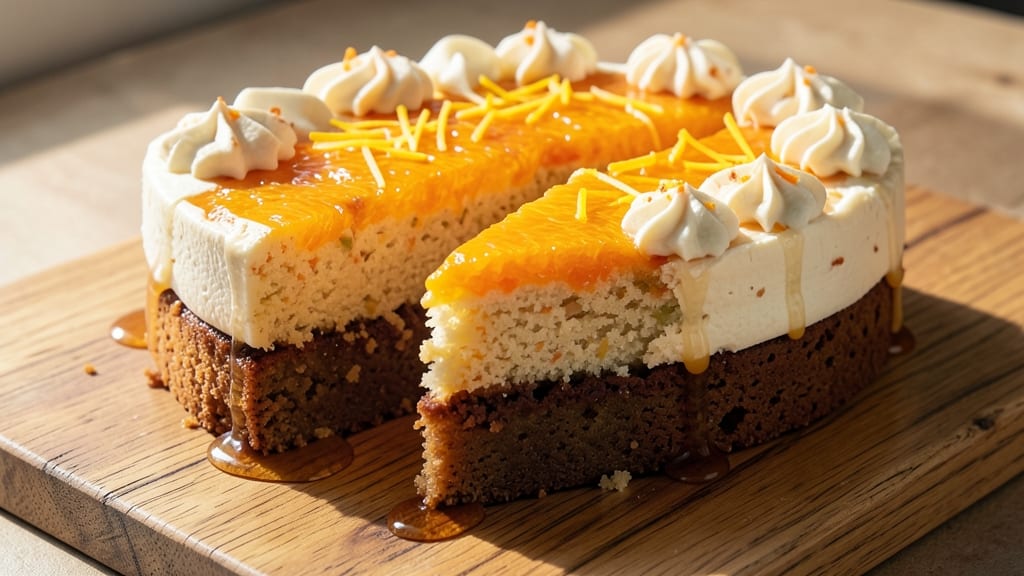
Jamie Oliver’s orange polenta cake delivers bright citrus swirls wrapped in tender, buttery layers that taste like a sunlit afternoon in Provence. 🌟 The secret lies in polenta’s natural moisture-retaining properties, which keep this cake impossibly tender while the orange zest infuses every bite with zingy freshness—no dry crumbs in sight.
I’ve baked this version dozens of times, and it’s the one that finally convinced my kids polenta could be dessert-worthy.
This recipe combines Jamie Oliver’s signature approachability with a professional twist: a simple batter that transforms into a showstopping cake with minimal effort. The polenta base ensures a moist crumb, while the orange swirl adds vibrant color and a bright, citrusy aroma that fills your kitchen.
No fancy techniques required—just mix, layer, and bake until golden. The result? A cake that’s light enough to feel indulgent but sturdy enough to slice neatly for sharing.
What makes this recipe stand out is how the orange flavor shines without overpowering. The zest is folded into the batter for even distribution, while the swirled orange glaze on top adds a glossy finish and an extra burst of citrus.
The buttery layers stay rich and tender, never greasy, thanks to precise measurements and a gentle baking approach. Perfect for brunch, afternoon tea, or as a showstopper dessert, this cake proves Jamie Oliver’s philosophy in action: simple ingredients, bold flavors, and foolproof results.
Pair it with a dollop of whipped cream or a scoop of vanilla ice cream to balance the citrus brightness. The recipe scales easily for gatherings, and leftovers keep well for up to three days—though they rarely last that long. Let’s get baking!
Ingredients for jamie oliver orange polenta cake
Polenta’s magic meets citrus sunshine—just butter, flour, and zesty orange zest.
| Ingredient | Amount | Notes |
|---|---|---|
| Polenta 🌾 | 1 ½ cups | Fine grind, uncooked |
| Unsalted Butter 🧈 | 1 cup | Cold, cubed, full-fat |
| Granulated Sugar 🍚 | 1 ½ cups | White or light brown |
| Large Eggs 🥚 | 4 whole | Room temperature |
| Orange Zest 🍊 | 2 tbsp | Fresh, organic preferred |
| Orange Juice 🍊 | ½ cup | Freshly squeezed, no pulp |
| All-Purpose Flour 🌾 | 1 ½ cups | Sifted, medium protein |
| Baking Powder 🧂 | 2 tsp | Aluminum-free preferred |
| Salt 🧂 | ½ tsp | Fine sea salt |
| Vanilla Extract 🌸 | 1 tbsp | Pure, high-quality |
| Orange Glaze 🍊 | ¾ cup | Powdered sugar + orange juice |
| Powdered Sugar 🍚 | 1 cup | For glaze |
| Whole Milk 🥛 | ½ cup | Room temperature |
The polenta is non-negotiable here. Bob’s Red Mill or Anthony’s Goods make the finest fine-grind varieties—avoid the coarse kind. If you can’t find it, cornmeal works in a pinch, though texture will differ slightly. For the butter, Plugrá or Land O’Lakes unsalted are my go-tos—they hold up better during baking. The orange zest? Use only the outer layer—no white pith, which turns bitter. I always buy organic oranges at Whole Foods for the brightest flavor, but any juicy variety works. Freshly squeezed juice is key—store-bought often has preservatives that dull the flavor.
No polenta? Substitute 1 cup extra flour, but expect a denser texture. Short on orange zest? Lemon zest works at double the amount, but the flavor profile shifts. The vanilla extract can be swapped for vanilla bean paste if you’re feeling fancy. For the glaze, powdered sugar from Domino dissolves smoothly—avoid clumpy store brands. If you’re gluten-sensitive, replace flour with 1 cup gluten-free 1:1 blend and add 0.5 tsp xanthan gum. The baking powder? Double-check the expiration date—old leavening makes cakes flat.
This cake stays moist for 3 days at room temperature, wrapped tightly in plastic. For longer storage, slice and freeze portions for up to 3 months. The glaze sets quickly, so assemble the cake just before serving. Whipped cream or vanilla ice cream balances the citrus beautifully. I always bake an extra batch—it disappears faster than you’d think, especially with kids around. Leftovers reheat wonderfully in the microwave (10 seconds) or oven (200°F for 10 minutes) to revive the texture.
Why You'll Love This Recipe
- No-Fuss Assembly: Honestly, this cake is one of those recipes where you’re basically just whisking and pouring—no fancy prep. The polenta and sugar mix in seconds, and the swirl technique is more fun than hard. I’ve made it while watching TV, and honestly, it still turned out flawless.
- Citrus Zing Every Bite: That fresh orange zest and juice aren’t just for show—they actually brighten up the cake’s flavor. The polenta base keeps it moist, but the citrus swirls? They’re the star. It’s like a cross between a citrus cake and a custard, but way more interesting.
- Fits Any Occasion: Whether it’s a lazy Sunday breakfast or a last-minute dessert for guests, this cake delivers. The orange glaze makes it look fancy, but it’s foolproof. My friends always think I slaved over it, but it’s just a matter of swirling and slicing.
- Freezer-Friendly Treasure: I bake a double batch and freeze half—no waste, no stress. Reheating a slice in the microwave for 10 seconds? Instant comfort. The texture stays just right, and the flavors only get richer. It’s my secret weapon for busy weeks.
Step-by-step instructions for orange polenta cake
Here's how to create Jamie Oliver's signature citrus-infused cake with perfect texture and vibrant orange swirls.
👨🍳 Step 1: Prepare the Polenta Base
Preheat your oven to 350°F and grease an 8-inch round cake pan or line it with parchment paper. In a medium bowl, whisk together the 1.5 cups polenta and the 1.5 cups granulated sugar until completely combined. This dry mixture forms the foundation of the cake's tender crumb.
Add the 4 whole large eggs, one at a time, whisking vigorously after each addition until fully incorporated. The mixture should become thick and smooth, resembling a fine batter. Here's the thing—don't overmix at this stage. You're looking for a uniform consistency without developing gluten, which would make the cake dense.
🍳 Step 2: Create the Orange Swirl Batter
In a separate bowl, sift together the 1.5 cups all-purpose flour, 2 tsp baking powder, and 0.5 tsp salt. This ensures a light texture and proper rise. Gently fold the dry ingredients into the polenta-egg mixture using a spatula, being careful not to deflate any air bubbles you've incorporated.
In a small measuring cup, combine the 0.5 cup whole milk, 1 tbsp vanilla extract, and 2 tbsp orange zest. Whisk this citrus mixture into the batter until evenly distributed. The vibrant orange color will begin to develop as the zest infuses into the batter. This is where the cake gets its signature zingy flavor profile.
🥘 Step 3: Layer and Swirl the Cake
Pour half of the batter into your prepared cake pan and spread it evenly. This first layer will form the base of your cake. Now for the signature technique: in a small bowl, mix the 0.5 cup orange juice with 2 tbsp of the orange zest reserved from earlier. Drizzle this citrus mixture in a circular pattern over the first layer.
Carefully pour the remaining batter over the orange juice mixture. Using a knife or spatula, gently swirl the batter and juice together in a circular motion, creating marbled orange patterns throughout the cake. This creates those beautiful citrus swirls that make this cake visually stunning and flavor-packed.
🔥 Step 4: Bake to Golden Perfection
Bake the cake in the preheated oven for 40-45 minutes, or until a toothpick inserted into the center comes out clean. The cake should be golden brown on top and slightly domed in the center. I like to check for doneness at the 35-minute mark—your oven might run hot, so start checking early.
If the edges brown too quickly, tent the cake with aluminum foil to prevent over-browning while the center finishes baking. Once done, remove from the oven and let the cake cool in the pan for 10 minutes before transferring it to a wire rack to cool completely. This resting period helps the cake set properly and prevents it from collapsing.
🍽️ Step 5: Glaze and Serve
While the cake cools, prepare the orange glaze by whisking together the 1 cup powdered sugar and the 0.75 cup orange glaze (which is simply powdered sugar mixed with orange juice) in a small bowl. The glaze should be thick but pourable—if it's too thick, add 1 tsp orange juice at a time until you reach the right consistency.
Once the cake has completely cooled, carefully drizzle the glaze over the top, allowing it to drip down the sides. For a more professional finish, use a fork to create decorative drizzles. Serve slices at room temperature—this cake tastes best when the flavors have had time to meld together. The combination of the tender polenta base, citrus swirls, and sweet glaze creates a balanced flavor that's both refreshing and indulgent.
Pro Tips For Making Jamie Oliver Orange Polenta Cake
- Whisk Eggs Slowly: Add the 4 whole large eggs one at a time—rushing this step can create air pockets that won’t distribute evenly. I learned this the hard way when my first batch had weird lumps that ruined the texture. Let each egg fully incorporate before moving to the next.
- Sift the Dry Mix: Don’t skip sifting the 1.5 cups all-purpose flour with the baking powder and salt—it’s the only way to guarantee a light, airy crumb. I used to just dump it in, and the cake always turned out dense, even if I folded gently.
- Swirl Like a Pro: Use a butter knife to cut through the batter in clean, shallow zigzags after pouring the second layer—this keeps the orange juice swirls sharp and visible. Messy? Sure. But the result is worth it, and you can always smooth the top later.
- Check at 35 Minutes: Your oven runs hotter than you think, so start testing for doneness at 35 minutes with that toothpick—even if the edges look golden. I’ve pulled cakes too early only to watch them sink later, and no one wants a sad polenta cake.
Creative variations of these flavors
Citrus-Infused Variations
For a lemon twist, swap 2 tbsp orange zest with 4 tbsp lemon zest and use ½ cup fresh lemon juice in the glaze. The brightness of lemon enhances the buttery layers, creating a refreshing contrast that’s perfect for spring brunch.
I love adding 1 tsp lemon extract to the batter for extra zing—it’s a game-changer. 🌿
Spiced Orange Cake
Add warmth to the citrus by incorporating 1 tsp ground cinnamon and ½ tsp ground ginger to the dry ingredients. The spices complement the orange beautifully, creating a cozy, autumnal vibe.
I also like to dust the cooled cake with powdered sugar mixed with cinnamon for an extra touch of elegance.
Chocolate-Dipped Swirl
For a decadent twist, drizzle melted dark chocolate over the cooled cake before adding the orange glaze. The contrast of rich chocolate and bright citrus creates a sophisticated flavor profile that’s sure to impress. I use Valrhona cocoa for the best results—it melts smoothly and adds depth. 🍫
Coffee-Infused Layer
Boost the cake’s complexity by adding 1 tbsp instant espresso powder to the dry ingredients. The coffee enhances the citrus notes and adds a subtle bitterness that balances the sweetness. I also like to serve slices with a dollop of vanilla bean whipped cream for a luxurious finish.
Seasonal Berry Topping
For a summery touch, top the cooled cake with a layer of fresh berries like raspberries or blueberries. The tartness cuts through the sweetness of the glaze, adding a refreshing contrast.
I lightly macerate the berries with 1 tbsp sugar and 1 tsp lemon juice before arranging them on top for extra flavor.
Nutrition facts
Frequently asked questions
Why does this orange polenta cake have such a tender texture?
The polenta acts as a natural moisture retainer, keeping the cake soft and tender for days. The buttery layers from the 1 cup cold cubed butter also contribute to that melt-in-your-mouth consistency. The gentle folding technique preserves air bubbles, preventing a dense crumb. This combination creates a cake that stays moist without being greasy.
Can I make this cake ahead of time?
Bake the cake 1 day ahead and store it wrapped tightly in plastic wrap at room temperature. The flavors actually improve as they meld overnight. For longer storage, slice and freeze portions for up to 3 months. Just let frozen slices thaw at room temperature for 10 minutes before serving. The glaze can be made separately and refrigerated until ready to use.
What if my cake collapses while baking?
Collapsing usually happens when the cake cools too quickly or isn't rested properly. After baking, let it cool in the pan for 10 full minutes before transferring to a wire rack. Avoid opening the oven door frequently during baking, as temperature fluctuations can cause sinking. If you notice it starting to collapse while baking, immediately tent with foil and return to the oven. This gives the structure time to set.
How can I make the orange swirls more pronounced?
For bolder swirls, reserve 2 tbsp orange zest when mixing the batter and use it to create the citrus drizzle before adding the second layer. Swirl more vigorously with a knife or spatula, and consider adding 1 tsp extra orange juice to the glaze for a brighter color. Chill the batter for 30 minutes before baking—this makes the contrast between layers even more visible.