
Main Courses
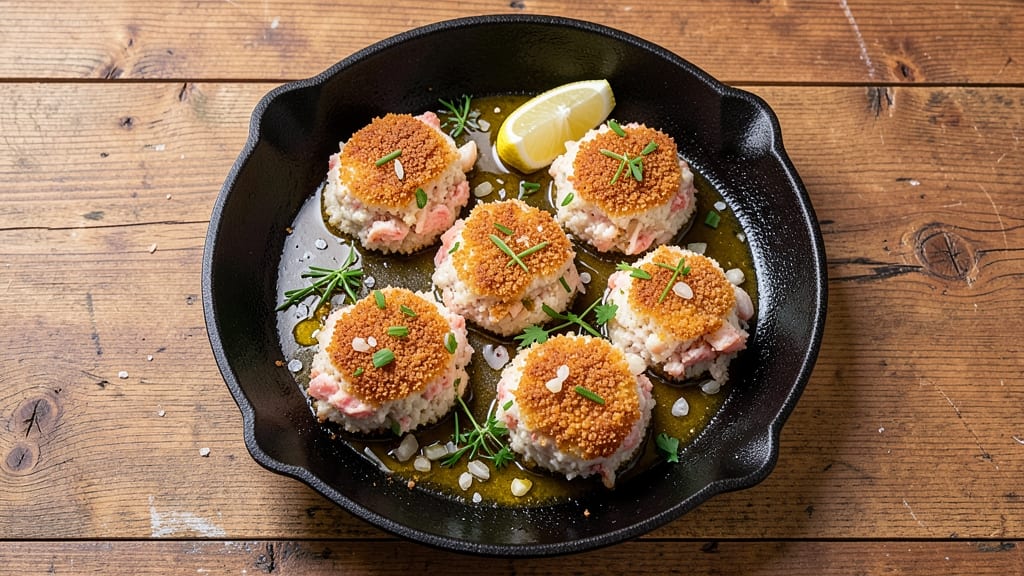
Jacques Pépin's crab cakes recipe delivers restaurant-quality results with golden crispy edges and a tender interior, all tied together by a bright lemon twist. This dish captures the essence of classic seafood dining while keeping the technique approachable for home cooks.
The secret lies in properly handling the crab meat and achieving that perfect balance between crispy exterior and moist center.
What sets these crab cakes apart is the combination of fresh lump crab meat, finely chopped herbs, and a touch of Dijon mustard for depth. Pépin's method emphasizes gentle mixing to maintain the crab's natural texture while ensuring the breadcrumb coating adheres perfectly.
The lemon twist isn't just for flavor—it cuts through the richness and adds that signature freshness that makes these crab cakes irresistible.
By following this recipe, you'll achieve crab cakes with beautifully seared edges that hold their shape while remaining tender inside. The aroma of sizzling crab cakes in the pan will fill your kitchen with that unmistakable coastal charm, creating a dish worthy of any special occasion or weeknight dinner.
The crispy exterior gives way to juicy crab meat with every bite, making this a true crowd-pleaser.
Serve these crab cakes with classic accompaniments like tartar sauce, lemon wedges, or a simple arugula salad to complete the presentation. The method is designed to be foolproof, ensuring consistent results whether you're cooking for two or hosting a dinner party.
Let's bring the flavors of a fine seafood restaurant to your kitchen with this refined recipe.
Ingredients for jacques pepin crab cake
Fresh seafood meets classic technique—just 14 simple ingredients transform into restaurant-quality crab cakes.
| Ingredient | Amount | Notes |
|---|---|---|
| Fresh Lump Crab Meat 🦀 | 1 ½ lb | Backfin preferred, shell-on for texture |
| All-Purpose Flour 🌾 | ½ cup | For binding crab mixture |
| Panko Breadcrumbs 🍞 | 1 cup | Japanese-style for extra crisp |
| Dijon Mustard 🍯 | 1 tbsp | For depth and binding |
| Fresh Lemon Juice 🍋 | 2 tbsp | Freshly squeezed, bright flavor |
| Extra-Virgin Olive Oil 🫒 | 2 tbsp | Light variety for frying |
| Fresh Chives 🌿 | 2 tbsp | Finely chopped, mild onion flavor |
| Fresh Parsley 🌿 | 2 tbsp | Finely chopped, vibrant color |
| Shallots 🧅 | 2 whole | Minced, aromatic base |
| Large Egg 🥚 | 1 whole | For binding mixture |
| Salt 🧂 | 1 tsp | Kosher or sea salt |
| Black Pepper 🌶️ | ½ tsp | Freshly ground, light hand |
| Unsalted Butter 🧈 | 2 tbsp | For pan searing |
| Lemon Zest 🍋 | 1 tsp | Bright aromatic finish |
The crab meat is non-negotiable here. Backfin lump crab from a trusted seafood market delivers that luxurious texture—shell-on pieces add subtle crunch. For the best quality, ask your fishmonger for freshly shucked crab (not canned or pre-packaged). If you're using frozen, thaw it overnight in the fridge, never under running water. The Dijon mustard is key for binding without overpowering the delicate crab flavor, while Panko breadcrumbs ensure that signature crispy exterior. I always grab mine from Trader Joe's—it's consistently high quality and stays fresh longer than regular breadcrumbs.
No fresh herbs? Dried chives and parsley at half the amount work in a pinch, though the flavor won't be as bright. Substituting regular breadcrumbs for Panko? Add an extra 1 tbsp of flour to compensate for the lack of airiness. The shallots can be swapped for green onions if you're in a hurry, but they lack the same depth. For the olive oil, light or extra-light varieties are ideal—they won't overpower the crab flavor. If you're using pre-shredded cheese in other recipes, avoid it here—the moisture content ruins the texture. The lemon juice should be freshly squeezed—bottled juice lacks the same zesty punch that cuts through the richness.
Crab cakes are best served immediately, but you can prep the mixture up to 4 hours ahead and refrigerate it. For extra crispiness, pat the cakes dry with paper towels before frying. Store leftovers in an airtight container for up to 2 days, though they lose some crispiness. To reheat, warm in a skillet with a little butter for 2-3 minutes per side. Freezing isn't recommended—the texture suffers, but if you must, flash-freeze on a tray first before transferring to a bag for up to 1 month. The lemon zest can be prepped ahead and stored in the freezer for up to 3 months in a sealed container.
Why You'll Love This Recipe
- No-Chop Night Win: I swear by this recipe when I’m too tired to chop anything. The shallots are already minced in the list, and the chives and parsley just need a quick chop—no dice, no fuss. Honestly, the hardest part is resisting eating the raw crab mixture before it even hits the pan.
- Crispy-Creamy Magic: That moment when the first bite hits—crispy panko crust from the Japanese-style breadcrumbs, melting butter richness, and the fresh lemon juice cutting through the sweet crab? It’s the kind of balance that makes you close your eyes. The Dijon mustard adds this subtle depth that turns "good" into "I need more."
- Weeknight to Dinner Party: Make the whole mixture ahead and chill it for up to 4 hours—so easy to pull out when guests show up. Serve them with a simple lemon aioli or tartar sauce, and suddenly you’re hosting a seafood spread without stress. (Yes, even on a Tuesday night.)
- Leftovers That Don’t Suck: Okay, they’re not as crispy after a day, but reheated gently in the oven, they’re still solid. The crab stays tender, and the flavor holds up—way better than takeout. And since you’re using lump crab (not the cheapest protein), this feels like a splurge you can actually enjoy without guilt.
Step-by-step instructions for jacques pepin's crab cakes
Here's the method for golden, crispy crab cakes with a perfect balance of texture and flavor.
Prepare the Crab Mixture
In a large bowl, gently combine the 1.5 lb fresh lump crab meat with the 0.5 cup all-purpose flour, 1 cup panko breadcrumbs, 1 tbsp Dijon mustard, 2 tbsp fresh lemon juice, 2 tbsp finely chopped fresh chives, 2 tbsp finely chopped fresh parsley, 2 whole Shallots, minced, 1 tsp salt, and 0.5 tsp black pepper. The crab should be cold when you begin—if it's been sitting out, chill it in the refrigerator for 15 minutes before mixing.
Use your hands to work the ingredients together lightly, just until everything is evenly distributed. Overmixing will break down the delicate crab texture, so be gentle. The mixture should hold together when pressed but still feel slightly loose—this ensures crispy edges without a dense interior. If the mixture feels too wet, add 1-2 tablespoons more of the 1 cup panko breadcrumbs to help bind it.
Bind and Chill the Crab Cake Mixture
In a separate bowl, lightly beat the 1 whole large egg and stir in the 1 tsp lemon zest. Pour this egg mixture over the crab mixture and gently fold everything together with a rubber spatula. The egg acts as a binder, helping the crab cakes hold their shape during cooking. Avoid overmixing—just combine until the egg is fully incorporated and the mixture is uniform.
Transfer the mixture to a shallow dish and cover it tightly with plastic wrap. Refrigerate for at least 30 minutes (up to 2 hours). Chilling is crucial—it firms up the mixture, making it easier to handle and ensuring the crab cakes hold together when frying. This step also allows the flavors to meld, giving you a more cohesive taste in each bite.
Form and Chill the Crab Cakes
After chilling, remove the mixture from the refrigerator and let it sit at room temperature for 5 minutes to make it easier to shape. Using your hands, gently form the mixture into 4 equal portions, each about 3 inches in diameter and ½ inch thick. Place them on a parchment-lined baking sheet and return them to the refrigerator to chill for another 15 minutes. This final chill prevents the crab cakes from spreading too much in the pan.
While the crab cakes are chilling, heat a large skillet over medium heat. Add 2 tbsp extra-virgin olive oil and 2 tbsp unsalted butter to the pan, swirling to coat the bottom evenly. The butter adds richness and helps create a golden-brown crust. Let the oil and butter heat together for 1 minute until the butter melts and the mixture begins to foam but isn't smoking.
Fry the Crab Cakes to Golden Perfection
Carefully place the chilled crab cakes in the skillet, spacing them about 1 inch apart. Cook undisturbed for 3-4 minutes on the first side until the bottom is golden brown and crispy. You'll see the edges start to set and the pan release a delicate aroma—this is your signal that the crust is forming properly. If the pan gets too hot and the crab cakes brown too quickly, reduce the heat slightly to medium-low to avoid burning.
Flip the crab cakes gently with a spatula and cook for another 3-4 minutes on the second side until golden brown and crispy. The interior should reach an internal temperature of 145°F when measured with an instant-read thermometer. Remove the crab cakes from the pan and transfer them to a paper towel-lined plate to drain any excess oil. Serve immediately while still crispy and warm.
Pro Tips For Making Jacques Pepin Crab Cake
- Chill the Crab First: That 15-minute fridge stop for the 1.5 lb fresh lump crab meat isn’t optional—it tightens the texture and keeps your crab cakes from falling apart when frying. I used to skip it, and my first batch turned into a sad, crumbly mess. Trust me, the cold crab mixes better and holds shape.
- Don’t Overmix the Egg: When you fold in the 1 whole large egg, stop as soon as it’s evenly distributed. Overworking it turns your crab cakes into dense patties instead of light, crispy bites. I learned this after making a batch that tasted more like egg salad than crab.
- Watch the Butter Foam: Let the 2 tbsp unsalted butter and 2 tbsp extra-virgin olive oil foam for that full minute before adding the crab cakes—this builds flavor and ensures a golden crust. Skipping this step means your pan will be hot but flavorless, and your crab cakes will just be greasy.
- Prep the Mixture Early: Make the full crab mixture up to 4 hours ahead and refrigerate it—this saves time and lets flavors meld. I now prep mine while I’m cooking dinner, so frying is just the last step. Just don’t skip the final 15-minute chill before shaping.
Flavor customization for this recipe
Spicy Cajun Kick
Add 1 tsp Penzeys Cajun seasoning to the crab mixture along with the shallots for a bold, spicy twist. This Southern-inspired variation keeps the delicate crab texture while delivering serious heat.
For extra depth, stir in 1 tbsp hot honey with the lemon juice before mixing. The sweet-spicy contrast will make your taste buds dance! 🔥
Lemon-Garlic Infusion
Boost the brightness by increasing the lemon zest to 2 tsp and adding 2 minced garlic cloves to the mixture. The garlic pairs perfectly with the lemon, creating a zesty aroma that enhances every bite.
For an extra touch, drizzle with lemon-garlic aioli when serving—just mix ½ cup mayo with 1 tbsp lemon juice and 1 minced garlic clove. This keeps the dish light yet rich. ✨
Smoky Chipotle Finish
For a smoky depth, blend 1 chipotle pepper in adobo with 1 tbsp adobo sauce and mix it into the crab mixture. This adds a subtle smokiness that balances the brightness of the lemon.
Garnish with fresh cilantro after cooking for a refreshing contrast. The smoky-sweet notes will surprise and delight your guests. 🌶️
Creamy Dill Delight
Swap out ½ cup of the panko breadcrumbs for 2 tbsp finely chopped fresh dill and add 1 tbsp sour cream to the egg mixture. This Scandinavian-inspired variation adds a tangy, herby flavor that pairs beautifully with the lemon.
Serve with a dollop of crème fraîche for extra creaminess—it’s like a coastal twist on classic crab cakes. 💛
Spicy Sriracha Glaze
After frying, brush the warm crab cakes with a mixture of 2 tbsp sriracha and 1 tbsp honey for a fiery-sweet glaze. Let it sit for 2 minutes to let the flavors meld.
This Asian-inspired finish adds a bold kick that complements the tender crab perfectly. Garnish with sesame seeds for a nutty crunch. 🌟
Nutrition facts
Frequently asked questions
Can I use frozen crab meat instead of fresh?
Fresh lump crab meat is ideal for this recipe, but frozen will work if thawed properly. Place frozen crab in the refrigerator overnight (never under running water) to preserve texture. Drain excess moisture thoroughly before mixing—this prevents soggy crab cakes. For best results, use Backfin lump crab (shell-on pieces add subtle crunch).
Why do my crab cakes fall apart when frying?
Overmixing the mixture or skipping the 30-minute chill are common culprits. The egg binder needs time to set, and gentle handling preserves the crab's delicate texture. If your mixture feels too wet, add 1-2 extra tbsp panko breadcrumbs before forming. Also, ensure your pan isn't too hot—medium heat prevents premature browning that can weaken the structure.
How do I make these crab cakes ahead of time?
Prep the mixture up to 4 hours ahead and refrigerate it tightly covered. For shaped cakes, form them 1 hour before cooking and keep chilled. Reheat gently in a skillet with 2 tbsp butter for 2-3 minutes per side to restore crispiness. Avoid freezing—the texture suffers, but you can store leftovers in an airtight container for 2 days (though crispiness declines).
What's the secret to extra crispy edges?
Japanese-style Panko breadcrumbs are key—they create air pockets for maximum crispiness. Chill the cakes before frying to prevent spreading, and use a mix of olive oil and butter in the pan (butter adds richness and golden color). Cook undisturbed on medium heat for 3-4 minutes per side—resist flipping too soon! Pat cakes dry with paper towels before frying to remove excess moisture.
Can I bake these instead of frying?
Yes, but texture will differ. Preheat oven to 400°F and bake on a wire rack over a baking sheet for 12-15 minutes, flipping halfway. Brush tops with 1 tbsp melted butter for crispiness. For extra crunch, broil for 1-2 minutes at the end. Baked cakes won't be as crispy as fried, but they're a lighter alternative. The internal temp should reach 145°F.