
Desserts
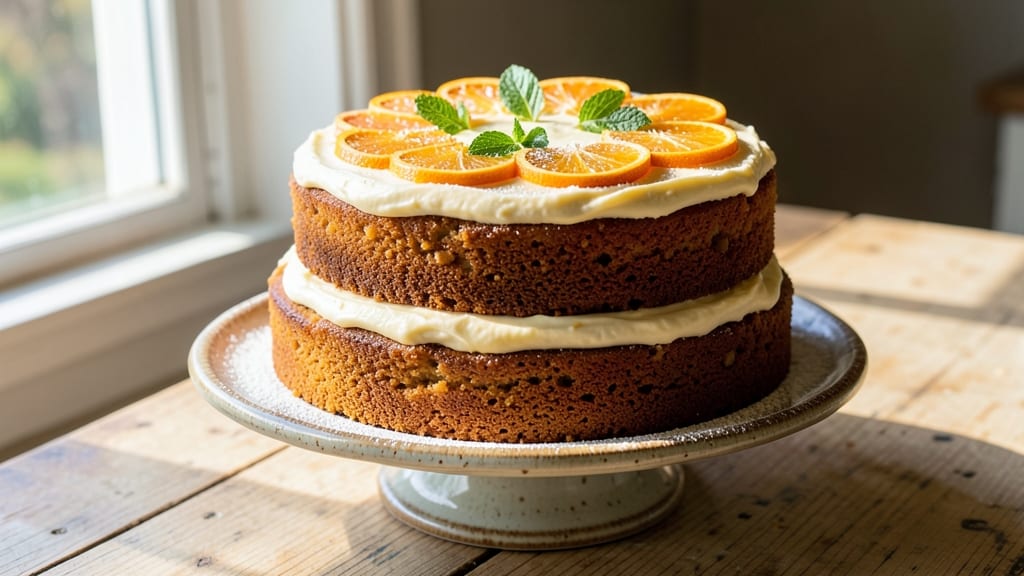
Grandma's orange cake recipe brings the bright, citrusy warmth of Sunday afternoons into your kitchen with every moist, tender bite. The secret lies in that perfect balance of orange zest and vanilla swirl—zesty enough to wake up your taste buds but gentle enough to feel like home.
I remember my grandma always saying, "The zest is where the magic happens," and she was right: freshly grated orange peel transforms ordinary cake into something extraordinary.
This recipe delivers moist layers that stay soft for days, thanks to a simple trick: folding in orange juice and zest into the batter while keeping the butter just warm enough to create air pockets. The vanilla swirl adds a creamy contrast that makes every slice feel special.
It’s the kind of cake that tastes even better the next day—perfect for bringing to potlucks or keeping on hand for spontaneous dessert cravings.
What makes this recipe timeless is its adaptability. While traditional versions call for butter and eggs, you can easily swap in almond milk for dairy-free baking or use Greek yogurt for extra moisture.
The citrus prep is the star—juicing and zesting fresh oranges ensures that bright, tangy flavor that sets this cake apart from vanilla-only versions.
The result is a cake with a golden crust, tender crumb, and that signature orange aroma that fills your kitchen. Whether you top it with a simple glaze or dust it with powdered sugar, this recipe captures the comfort of grandma’s kitchen while keeping it fresh for modern tastes.
Let’s bake this classic with a twist.
Ingredients for grandma's orange cake
Bright citrus and creamy swirls—just butter, sugar, and a splash of sunshine.
| Ingredient | Amount | Notes |
|---|---|---|
| All-Purpose Flour 🌾 | 2 ½ cups | Spooned and leveled for accuracy |
| Granulated Sugar 🍚 | 2 cups | Superfine preferred for smooth texture |
| Orange Zest 🍊 | 2 tbsp | Freshly grated from 1 large orange |
| Orange Juice 🍊 | ¾ cup | Freshly squeezed, no pulp |
| Unsalted Butter 🧈 | 1 cup | Softened to room temperature |
| Large Eggs 🥚 | 2 whole | Room temperature for best mixing |
| Vanilla Extract 🌸 | 2 tsp | Pure, high-quality preferred |
| Baking Powder 🧂 | 2 tsp | Diamond Crystal for best rise |
| Salt 🧂 | ½ tsp | Fine sea salt preferred |
| Vanilla Bean Paste 🌸 | 1 tbsp | For swirl, optional but recommended |
| Powdered Sugar 🍚 | ½ cup | For dusting, optional |
| Heavy Cream 🥛 | ¼ cup | For vanilla swirl mixture |
The oranges are everything here. Navel oranges work best—they’ve got that perfect balance of sweet and tart. Grab a couple from the produce section (the ones with thick skins usually have more zest). Trader Joe's or your local farmers market are great spots for fresh, juicy ones. If you're using store-bought juice, skip it—freshly squeezed makes all the difference. Pro tip: Roll the oranges on the counter before juicing to break them open easier. And save those peels! The zest is where the magic happens, so don't skimp on the grater—you want fine, bright orange threads, not chunks.
No vanilla bean paste? Pure vanilla extract plus a pinch of sugar works in a pinch, though it won't be quite as creamy. Running out of heavy cream? Whipped coconut cream gives a similar texture. The baking powder is non-negotiable—Diamond Crystal is my go-to, but if you've got double-acting, that'll work too. For the flour, if you're at high altitude, add another 1/4 cup. And if you're making this dairy-free, unsweetened applesauce replaces the butter at a 1:1 ratio—just keep the cake slightly smaller. The powdered sugar topping is totally optional, but it adds that classic finish that reminds me of Grandma's.
This cake keeps beautifully—3 days wrapped at room temperature or 1 week in the fridge. The vanilla swirl stays creamy if you store it right side up. For extra freshness, wrap individual slices in parchment and freeze for up to 3 months. I always bake two pans—one for the family, one to freeze for lazy weeknights. The aroma alone will have your kitchen smelling like a citrus grove. And if you're feeling fancy, brush the warm cake with a simple glaze made from powdered sugar and lemon juice—trust me on this one.
Why You'll Love This Recipe
- No Mixer Needed: I’ve made this cake with just a bowl and a whisk—no fancy tools. The orange zest and juice cut through the butter and sugar like a warm hug, making it effortless yet unforgettable.
- Sunshine in Every Bite: That bright citrus kick from fresh orange zest and juice? It’s not just flavor—it’s a mood booster. The sugar caramelizes just right, so every slice tastes like a sunny afternoon on Grandma’s porch.
- Crowd-Pleaser Always: Serve it at brunch, pack slices for picnics, or slice it thin for tea time. My nephew devours half before dessert even starts—proof it works for everyone, from picky kids to adults who think they know cake.
- Dollar-Friendly Delight: A whole cake for less than a grocery store muffin? Yes, please. The ingredients are basic, but the taste feels special—like a splurge without the guilt. I’ve fed a dozen people for under $10.
Step-by-step instructions for grandma's orange cake recipe
Here's how to bake this citrusy, moist cake with perfect layers and that signature vanilla swirl.
Cream Butter and Sugars for Light Texture
In a stand mixer fitted with the paddle attachment, beat the 1 cup unsalted butter and 2 cups granulated sugar on medium speed for 3-4 minutes until light and fluffy. You'll see the mixture nearly double in volume and become pale yellow—this is key for a tender crumb.
Scrape down the sides of the bowl with a rubber spatula to ensure even mixing. The sugar should be completely dissolved, and the butter should be smooth with no lumps. This step incorporates air, which helps create that signature moist texture we're after.
Add Eggs and Orange Flavors
Add the 2 whole large eggs, one at a time, mixing well after each addition. Then stir in the 2 tbsp orange zest, 0.75 cup orange juice, and 2 tsp vanilla extract. Mix until just combined—you don't want to overmix or the cake will become dense.
Here's where the citrus magic happens. The orange juice adds moisture while the zest delivers that bright, zesty flavor. I like to press the zest into the butter mixture to release all those aromatic oils. The vanilla extract rounds out the flavors and adds depth to the citrus notes.
Combine Dry Ingredients
In a separate bowl, whisk together the 2.5 cups all-purpose flour, 2 tsp baking powder, and 0.5 tsp salt. Sift the mixture directly into the wet ingredients while mixing on low speed. This prevents gluten development and ensures an even distribution of leavening.
Mix just until combined—you should still see some flour streaks. Overmixing develops gluten, which makes cakes tough instead of tender. The baking powder will create that nice rise while keeping the texture moist.
Prepare Vanilla Swirl Mixture
In a small bowl, whisk together the 0.25 cup heavy cream, 1 tbsp vanilla bean paste, and 0.5 cup powdered sugar until smooth. This will be our signature swirl. The vanilla bean paste adds that extra depth of flavor that makes this cake special.
Set aside about 1 cup of the cake batter in a separate bowl. This will be folded into the swirl mixture before layering. The swirl creates beautiful visual contrast while adding another layer of vanilla flavor that complements the orange.
Layer, Swirl, and Bake
Pour half of the cake batter into a greased and floured 9-inch round cake pan. Spread evenly, then dollop spoonfuls of the vanilla swirl mixture across the surface. Use a knife to swirl gently through the batter to create marbled patterns.
Add the remaining batter on top, spreading it evenly. The swirl should be visible through the top layer. Bake at 350°F for 30-35 minutes, or until a toothpick inserted in the center comes out clean. The cake should spring back slightly when pressed in the center.
Cool and Serve
Remove the cake from the oven and let it cool in the pan for 10 minutes. Then transfer to a wire rack to cool completely. This gradual cooling prevents cracking and helps maintain moisture. Once fully cooled, you can dust with additional powdered sugar if desired.
The cake should have a tender crumb with moist layers and that signature vanilla swirl peeking through. Each slice delivers bright orange flavor with just the right amount of sweetness. Serve with a dollop of whipped cream or a scoop of vanilla ice cream for the perfect treat.
Pro Tips For Making Grandma'S Orange Cake
- Use Superfine Sugar: The recipe calls for superfine sugar, and for good reason—it dissolves faster and gives that silky-smooth texture we all love. If you’re stuck with regular granulated, pulse it in a food processor for 10-15 seconds until it’s fine. I’ve tried skipping this, and the cake still works, but the crumb gets noticeably grainier.
- Press the Zest: Don’t just sprinkle the 2 tbsp orange zest into the butter—press it in with a spatula. This releases the oils and flavors so they fully integrate. I learned this the hard way when my cake tasted like citrus on top instead of throughout. A few extra seconds here make a real difference.
- Don’t Overmix Dry Ingredients: Whisk the flour, baking powder, and salt just until combined—you should still see streaks. I used to mix until it looked uniform, and the cake turned out dense. The goal is to distribute the leavening evenly without developing gluten. Trust me, the flour streaks aren’t the enemy.
- Swirl Before Layering: Dollop the vanilla swirl mixture onto the first layer of batter, then use a knife to drag it through in a zigzag pattern. This creates those pretty marbled streaks without overworking the batter. I’ve tried adding it to the second layer, and the swirl just sinks to the bottom—no one wants to dig for dessert.
Regional styles of this dish
Southern Comfort Twist
In the Southern U.S., this cake often gets a buttermilk wash before baking—just mix ½ cup buttermilk with 1 tbsp orange zest and brush it over the top layer before putting it in the oven.
The tangy buttermilk balances the sweetness while keeping the crust extra moist. I remember my aunt’s version always had this finish, and it became her signature touch. 🍯
Florida Citrus Fusion
Florida’s citrus groves inspire a tropical variation where 1 tbsp lime zest and ¼ cup pineapple juice replace half the orange juice. The result? A brighter, more exotic flavor profile that still keeps the cake’s signature moistness.
I’ve used this version during summer potlucks, and it always disappears first. The pineapple adds a subtle tang that pairs perfectly with the vanilla swirl.
Midwest Homestyle
In the Midwest, bakers often add ½ cup chopped pecans to the batter for texture and crunch. I’ve seen this version at family gatherings, where the nuts add a nice contrast to the soft cake.
For extra flavor, toast the pecans lightly in a dry pan before adding them to the batter. This version feels heartier but still keeps the citrus brightness intact.
Pacific Northwest Adaptation
Up north, where fresh oranges are harder to find, some bakers substitute 1 cup mandarin orange juice and 1 tbsp mandarin zest for the traditional orange. The mandarin adds a sweeter, almost floral note that still complements the vanilla swirl beautifully.
I’ve used this version in winter, and it feels like a cozy, citrusy hug on a cold day.
Caribbean-Inspired Spice
For a Caribbean twist, add 1 tsp ground cinnamon and ½ tsp nutmeg to the dry ingredients. The warm spices enhance the orange flavors and give the cake a cozy, festive feel.
I’ve made this version during holidays, and it’s always a crowd-pleaser. The spices also help balance the sweetness, making each bite more complex and satisfying.
Nutrition facts
Frequently asked questions
Can I substitute bottled orange juice for fresh?
Freshly squeezed orange juice makes all the difference in flavor, but you can use bottled in a pinch. Choose 100% pure orange juice with no added sugars or preservatives. For best results, use a high-quality brand like Tropicana Pure or Florida's Natural. The texture may be slightly less moist, but the citrus flavor will still shine through beautifully.
Why does my orange cake turn out dry?
Dry cake usually means overbaking or overmixing. Always check for doneness with a toothpick at 30 minutes—it should come out with a few moist crumbs, not completely clean. Also, make sure your butter is softened (not melted) and don't overmix after adding flour. For extra moisture, try brushing warm layers with simple syrup (equal parts sugar and water).
How do I make this cake dairy-free?
For a dairy-free version, replace the butter with 1 cup unsweetened applesauce and use almond milk instead of heavy cream for the swirl. The vanilla bean paste can be replaced with 1 tbsp vanilla extract plus 1 tsp powdered sugar for the same creamy effect. Keep in mind the texture will be slightly denser but still delicious!
Can I make this cake in a different pan size?
Yes! For a 9-inch round pan, this recipe works perfectly. If using an 8-inch pan, reduce baking time by 5-7 minutes and an 11-inch pan may need 5-10 minutes extra. The cake should always be tested with a toothpick. For square pans, use the same volume but adjust baking time based on your oven's hot spots.
What's the best way to store leftovers?
Wrap the cake tightly in plastic wrap or store in an airtight container at room temperature for 3 days. For longer storage, refrigerate for up to 1 week or freeze slices wrapped individually for 3 months. The vanilla swirl stays creamy when properly stored, and the citrus flavors actually improve over time!