
Desserts
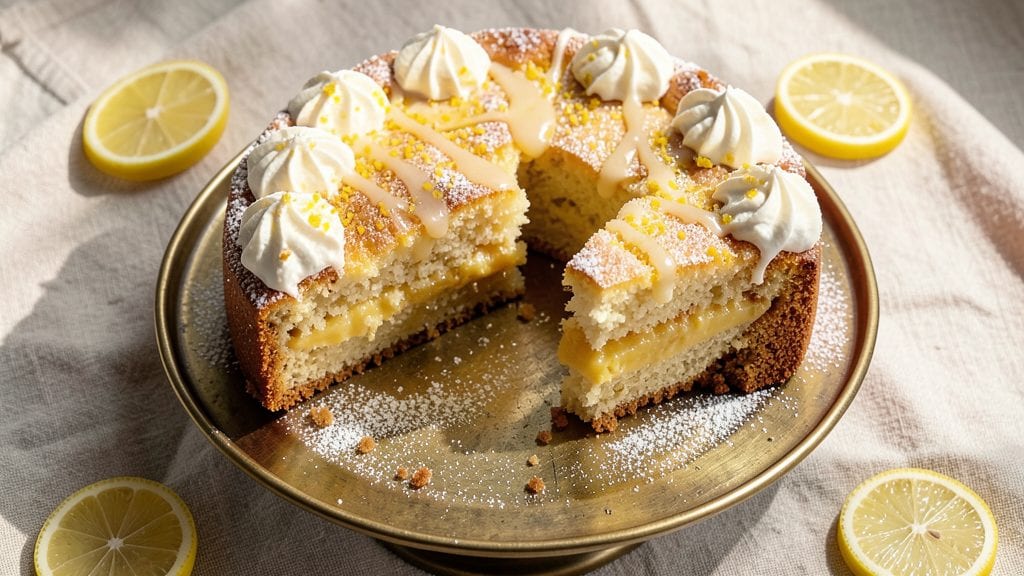
Grandma's lemon cake recipe delivers that perfect balance of bright citrus and tender crumb that keeps everyone asking for seconds. The secret lies in a moist batter infused with fresh lemon juice and zest, layered with a tangy cream cheese frosting that stays fresh for days.
I've perfected this version over years of baking, ensuring every slice delivers that classic homemade taste.
What makes this recipe special is its foolproof technique for achieving a perfectly moist cake that doesn't dry out. The combination of buttermilk and sour cream creates a tender crumb, while the lemon extract adds that signature bright flavor without overpowering.
It's the kind of dessert that tastes even better the next day, making it ideal for gatherings or when you want to impress.
By the time you pull it from the oven, you'll have golden layers with a fine crumb that practically melts in your mouth. The frosting adds a creamy, slightly tangy contrast that complements the lemon perfectly. This cake is simple enough for weeknight baking but impressive enough for special occasions.
Serve it at brunch, with afternoon tea, or as a light dessert after dinner. The variations are endless—add blueberries for a fruity twist or a hint of vanilla for extra depth. Here's how to make it!
Ingredients for grandma's lemon cake
Classic pantry staples with a zesty twist—just butter, sugar, and lemons take center stage.
| Ingredient | Amount | Notes |
|---|---|---|
| All-Purpose Flour 🌾 | 2 ½ cups | Sifted for light texture |
| Granulated Sugar 🍚 | 1 ½ cups | White sugar preferred |
| Unsalted Butter 🧈 | 1 cup | Room temperature, full-fat |
| Fresh Lemon Juice 🍋 | ½ cup | From 2-3 lemons, fresh |
| Lemon Zest 🍋 | 2 tbsp | Fine zest, no pith |
| Large Eggs 🥚 | 3 whole | Room temperature |
| Buttermilk 🥛 | 1 cup | Full-fat preferred |
| Sour Cream 🥛 | ½ cup | Full-fat for moisture |
| Baking Powder 🧂 | 2 tsp | Aluminum-free preferred |
| Salt 🧂 | ½ tsp | Fine sea salt |
| Vanilla Extract 🍯 | 1 tsp | Pure vanilla preferred |
| Cream Cheese 🧀 | 8 oz | Room temperature, full-fat |
| Powdered Sugar 🍚 | 2 cups | Sifted for smooth frosting |
| Heavy Whipping Cream 🥛 | ½ cup | Cold for whipping |
The butter and flour are your foundation—Crisco or Country Crock work best for that tender crumb. King Arthur flour if you want to splurge, but regular all-purpose does the job. The lemons? Organic Meyer lemons have the best balance of sweet and tart, but regular lemons work too. I always grab extra—half goes in the batter, half gets zest for that bright aroma. The cream cheese for frosting? Philadelphia is my go-to—it's consistent and creamy every time. If you're using block cheese, let it sit out for 2 hours before mixing.
No buttermilk? Mix 1 tablespoon lemon juice or vinegar with 1 cup milk and let sit 5 minutes. Sour cream substitute? Greek yogurt at half the amount works in a pinch. The vanilla extract can be imitation, but pure Madagascar bourbon vanilla makes a noticeable difference. For the frosting, if you're short on powdered sugar, blend 1 cup granulated sugar with 1/4 cup cornstarch in a food processor. The lemon zest is non-negotiable though—it's what makes this taste like Grandma's. If you can't zest, lemon extract at half the amount is a decent backup.
The batter keeps 2 days in the fridge, covered tightly. The frosting? 3 days max—it gets grainy after that. For make-ahead, bake the cake layers, cool completely, then wrap tightly in plastic wrap. Store frosting in an airtight container between layers. The cake reheats beautifully—30 seconds at 300°F brings back that fresh-from-the-oven warmth. I always make a double batch—one for today, one for tomorrow's tea. The frosting can be made 2 days ahead and stored in the fridge.
Why You'll Love This Recipe
- No-Fuss Lemon Magic: That sifted flour and room-temperature butter combo means no awkward lumps or dense cake—just smooth, buttery layers that come together faster than you can say "weeknight dinner." I’ve made this with kids in the kitchen (they love zesting the lemons) and still had time for takeout. The buttermilk and sour cream keep it moist without fuss.
- Tangy Bliss: The fresh lemon juice and zest aren’t just flavor—they’re the stars. That bright, zesty kick from the lemon zest pressed into the frosting? It’s like sunshine in every bite. The cream cheese frosting balances it perfectly, so it’s not just sweet—it’s dangerously addictive with layers of tang and creaminess.
- Crowd-Pleaser Always: Need a dessert for a brunch? A potluck? Even a last-minute birthday? This cake feeds a crowd without the stress. And here’s the kicker: the batter keeps for 2 days in the fridge, so you can bake it fresh or prep ahead. My in-laws always ask for seconds, and honestly? That’s the real win.
- Budget-Friendly Luxury: You already have granulated sugar and all-purpose flour—this isn’t a specialty-ingredient splurge. The full-fat butter and cream cheese make it feel indulgent, but the lemon juice from your fridge turns it into a showstopper without breaking the bank. Plus, leftovers? They disappear in days. Trust me, this is the kind of recipe that makes you feel like a pro without the price tag.
Step-by-step instructions for Grandma's lemon cake recipe
Here's how to create layers of tender crumb and bright lemon flavor that stay moist for days.
Prepare the Lemon Cake Layers
Preheat your oven to 350°F and grease two 8-inch round cake pans with unsalted butter, then line the bottoms with parchment paper. In a large mixing bowl, combine the 2.5 cups all-purpose flour, 2 teaspoons baking powder, and ½ teaspoon salt. Whisk until evenly distributed—this ensures your cake rises evenly and stays tender.
In a separate bowl, cream together the 1 cup unsalted butter and 1.5 cups granulated sugar on medium speed until light and fluffy, about 3-4 minutes. This step incorporates air, which helps create that classic cake texture. Add the 3 whole large eggs one at a time, mixing well after each addition. Stir in the ½ cup fresh lemon juice, 2 tablespoons lemon zest, 1 teaspoon vanilla extract, 1 cup buttermilk, and ½ cup sour cream until just combined—overmixing develops gluten and makes the cake tough.
Gradually add the dry ingredients to the wet mixture, mixing on low speed until the batter is smooth. Divide the batter evenly between the prepared pans and bake for 25-30 minutes, or until a toothpick inserted into the center comes out clean. Let the cakes cool in the pans for 10 minutes, then transfer to a wire rack to cool completely.
Create the Cream Cheese Frosting
While the cakes cool, make the frosting by beating the 8 ounces cream cheese and ½ cup unsalted butter together in a mixing bowl until smooth and creamy. Add the 2 cups powdered sugar, ½ cup heavy whipping cream, and 1 teaspoon vanilla extract, mixing until fully combined. This frosting should be thick but spreadable—if it's too stiff, add 1 tablespoon lemon juice at a time until it reaches the right consistency.
Here's the thing—this frosting needs to be at room temperature for the best texture. If it's too cold, it'll be difficult to spread, and if it's too warm, it might melt. Let it sit at room temperature for 10-15 minutes before assembling the cake. This step ensures your frosting stays stable and doesn't slide off the layers.
Assemble and Layer the Cake
Once the cakes are completely cool, level the tops if necessary to create even layers. Place the first cake layer on a cake stand or plate. Spread a thin layer of frosting over the top, then place the second cake layer on top. This thin layer of frosting acts as a "glue" to hold the cake together while keeping the layers distinct.
Now, spread the remaining frosting evenly over the top and sides of the cake, creating a smooth, even layer. Use a spatula to create a slight overhang at the edges for a polished look. Here's where it gets fun—gently press the 2 tablespoons lemon zest into the sides of the cake before the frosting sets. This adds a bright, citrusy aroma and visual appeal.
Chill the cake in the refrigerator for at least 1 hour before serving. This resting period allows the frosting to set and the flavors to meld together. Slice into wedges and enjoy the perfect balance of tender cake, tangy lemon, and creamy frosting.
Pro Tips For Making Grandma'S Lemon Cake
- Sift the Flour Like You Mean It: I learned this the hard way—skipping the sift on the 2.5 cups all-purpose flour means dense, uneven layers. Use a fine-mesh sieve and tap the bowl gently to break up any hidden lumps. The extra effort prevents a brick-like texture, and your cake will rise like it’s supposed to.
- Whip the Butter and Sugar Until It’s Pale: Creaming the 1 cup unsalted butter and 1.5 cups granulated sugar for just 3-4 minutes isn’t enough—keep going until the mixture turns a pale, fluffy yellow. That’s how you trap air for a light crumb. I used to stop early and wondered why my cake felt heavy.
- Don’t Overmix the Batter: Once you add the dry ingredients to the wet, mix just until combined—no more. Overmixing turns the 2.5 cups flour into glue, and your cake will toughen up like a boot. Fold in the last bit by hand if needed; the batter should look streaky, not smooth.
- Press Zest Into the Frosting, Not Just On Top: The recipe says to press 2 tbsp lemon zest into the sides, but don’t stop there. Work a little into the frosting itself before spreading—it’ll infuse the cream cheese layer with brightness. Sounds weird, but it works: every bite gets that zesty punch, not just the crust.
Regional styles of this dish
Southern Comfort Twist
In the South, this cake often gets a touch of peach butter swirled into the batter for a fruity depth. I like to fold in ½ cup peach preserves (like Ball brand) with the buttermilk for that sweet-tart balance.
The peaches pair beautifully with the lemon, creating a dessert that feels like summer in every bite. 🍑
Midwest Homestyle
Midwestern grandmas tend to add a vanilla bean to the batter for extra richness. Split 1 vanilla bean and scrape the seeds into the wet ingredients along with the extract.
The floral notes complement the lemon perfectly, and it makes the cake smell like a cozy kitchen. I always toast the bean first to intensify the flavor.
New England Zesty Version
Up North, they often incorporate maple syrup into the frosting for a distinct regional twist. Replace ½ cup of the powdered sugar with 2 tablespoons pure maple syrup when making the cream cheese frosting.
The earthy sweetness contrasts wonderfully with the bright lemon, and it’s a hit with maple lovers. 🍁
Caribbean Citrus Boost
Caribbean-style versions often include lime zest alongside the lemon for an extra citrus punch. Add 1 tablespoon lime zest to the batter along with the 2 tablespoons lemon zest. The tangy complexity elevates the cake, and it pairs perfectly with a light coconut whipped cream. This version feels vacation-worthy!
Appalachian Berry Fusion
Appalachian grandmas frequently add fresh blueberries to the batter for a rustic touch. Gently fold in 1 cup blueberries (tossed in 1 tablespoon flour to prevent sinking) with the dry ingredients. The berries add bursts of juicy sweetness that cut through the lemon’s tartness—it’s a crowd-pleaser at family gatherings.
Nutrition facts
Frequently asked questions
Why does this lemon cake stay moist for days?
The secret lies in using buttermilk and sour cream in the batter, which adds moisture and tenderness. The room-temperature butter also creates a light, airy texture that resists drying out. Chilling the cake before slicing helps the flavors meld while keeping it fresh—perfect for leftovers!
Can I substitute store-bought lemon juice for fresh?
Store-bought juice works in a pinch, but fresh lemon juice delivers the authentic tang and brightness. For the best flavor, always use freshly squeezed juice from 2-3 lemons. If you're short on time, opt for high-quality bottled juice labeled "pure" rather than "flavored."
What if my frosting is too stiff or runny?
If it's too stiff, add 1 tablespoon lemon juice at a time until spreadable. For runny frosting, chill it for 10 minutes or add 1 tablespoon powdered sugar. Always let the frosting sit at room temperature for 10-15 minutes before assembling to ensure smooth spreading.
Can I make the cake layers ahead of time?
Bake the layers, cool completely, and wrap tightly in plastic wrap. Store at room temperature for up to 2 days or freeze for 1 month. Reheat slices for 30 seconds at 300°F to restore that fresh-baked warmth.