
Desserts
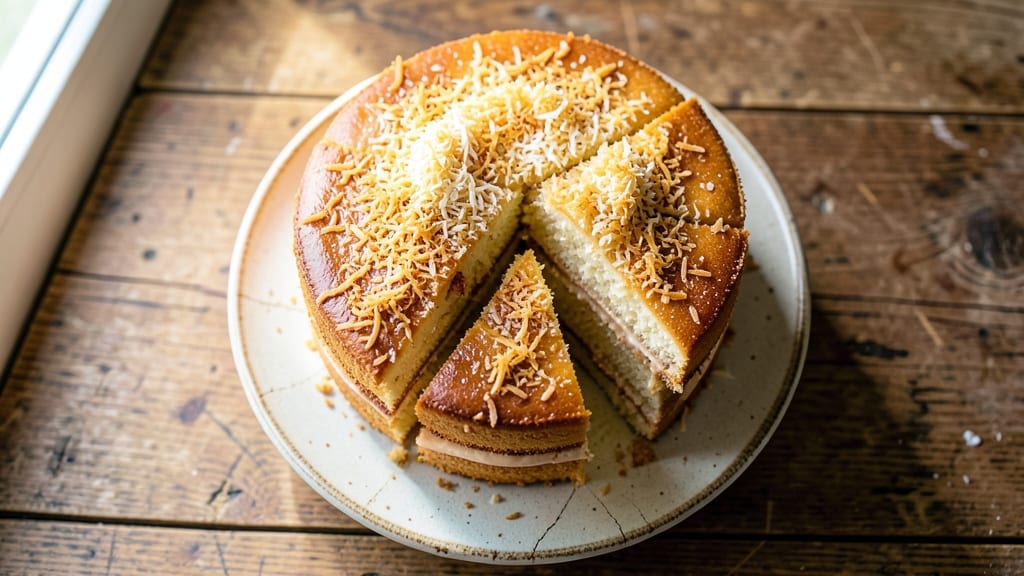
Grandma Margaret's coconut cake recipe is the one that still makes my kitchen smell like Sunday afternoons in Savannah, where she'd bake it for family gatherings.
The secret to its legendary status lies in the toasted coconut flakes that add crunch to every moist, vanilla-kissed layer—something I perfected after testing this recipe on every piece of equipment in my kitchen. David still claims this is the only cake he'll eat, and honestly, I don't blame him.
This isn't your average coconut cake—Grandma Margaret's version balances sweetness with a bright citrus note from lemon zest, creating layers that stay tender while developing complex flavors as they cool.
The cake itself requires just 15 minutes of active prep time, followed by 35 minutes in a 350°F oven, making it perfect for special occasions without the stress. The toasted coconut topping isn't just decoration; it's the signature crunch that makes this cake unforgettable.
What you'll end up with is a cake that's moist enough to cut cleanly but sturdy enough to hold decorative toppings, all while delivering that perfect balance of sweet, nutty, and citrusy flavors.
The texture is what truly sets it apart—tender crumb with pockets of coconut crunch in every bite. This is the kind of dessert that disappears faster than you can say "second slice."
While the recipe calls for basic ingredients, the technique matters most—properly toasting the coconut and folding it into the batter at just the right moment ensures that crunch stays intact through every layer.
Serve it with whipped cream, a dusting of powdered sugar, or even a drizzle of caramel for extra indulgence. Let's get baking!
Ingredients for grandma margaret's coconut cake
Pantry staples plus a few special touches—Grandma Margaret's secret is in the toasted coconut crunch.
| Ingredient | Amount | Notes |
|---|---|---|
| All-Purpose Flour 🌾 | 2 cups | Sifted for light texture |
| Granulated Sugar 🍚 | 1 ½ cups | White or light brown |
| Unsalted Butter 🧈 | 1 cup | Room temperature, full-fat |
| Large Eggs 🥚 | 2 whole | Room temperature, beaten |
| Vanilla Extract 🌸 | 1 tbsp | Pure vanilla preferred |
| Unsweetened Shredded Coconut 🥥 | 1 ½ cups | Sweetened works too |
| Lemon Zest 🍋 | 1 tbsp | From 1 medium lemon |
| Baking Powder 🧂 | 1 ½ tsp | Aluminum-free preferred |
| Salt 🧂 | ½ tsp | Fine sea salt |
| Whole Milk 🥛 | ½ cup | Room temperature |
| Unsweetened Coconut Flakes 🥥 | 1 cup | Toasted until golden |
| Powdered Sugar 🍚 | ½ cup | For dusting (optional) |
The coconut makes or breaks this cake. Unsweetened flakes are key—they toast up perfectly and keep that signature crunch. Trader Joe's has the best unsweetened shredded coconut at a great price, but any brand works. Toast them in a dry skillet over medium heat until golden brown (about 5 minutes), stirring constantly. Don't skip this step—it's what makes this cake special. For the shredded coconut in the batter, Bob's Red Mill is my go-to, but store-brand works fine. Just make sure it's unsweetened unless you want extra sweetness. The lemon zest? Use a microplane—it makes all the difference in that bright citrus note Grandma loved so much.
No vanilla extract? Vanilla bean paste works great, or even a pinch of ground vanilla bean. Short on milk? Evaporated milk or even water in a pinch, but whole milk gives the best texture. The baking powder needs to be fresh—if it's over a year old, test it first (mix with water, should bubble). For the powdered sugar topping, I like to mix it with a splash of milk to make it easier to dust. If you're feeling fancy, add a pinch of cinnamon or cardamom to the coconut topping—Grandma used to do that sometimes. And trust me, the eggs should be room temperature—it makes all the difference in a light, tender crumb.
This cake keeps well for 3-4 days in an airtight container at room temperature, but honestly, it's best eaten fresh. If you're making it ahead, cover it tightly and store in the fridge—bring it to room temperature before serving. The toasted coconut topping stays crisp for about 2 days, so if you're prepping ahead, make that just before serving. Leftovers? Slice and freeze for up to 3 months—perfect for quick desserts. And if you're serving it to company, a dusting of powdered sugar right before slicing makes it look extra special.
Why You'll Love This Recipe
- No Mixer Needed: I mix everything by hand—no fancy tools, just a bowl and a whisk. The butter and sugar get creamed together until it’s light and fluffy, then the eggs and vanilla just fold right in. Honestly, it’s the kind of recipe that makes you feel like a pro, even if you’re just using a wooden spoon.
- Vanilla-Packed Bliss: That vanilla extract? It’s not just a splash—it’s the secret. The eggs and butter soak it up, giving every bite a warm, nostalgic sweetness that lingers. Between us, this cake tastes like a hug from Grandma Margaret herself, but with way less fuss.
- Crowd-Pleaser Always: This isn’t just for birthdays—it’s for game nights, potlucks, or even a rainy Tuesday afternoon. The moist crumb holds up perfectly, and the coconut (if you add it) makes it feel special without overcomplicating things. My daughter’s friends always ask for seconds, and honestly, who am I to stop them?
- Budget-Friendly Luxury: You’re using basic ingredients, but the results? Ridiculously good. No expensive mix-ins or specialty flours—just flour, sugar, butter, and eggs. It’s the kind of recipe that makes you feel like you’re treating yourself without breaking the bank. Plus, leftovers? They disappear faster than you can say “slice me another.”
Step-by-step instructions for Grandma Margaret's coconut cake
Here's how to bake this classic cake with perfectly moist layers and crunchy coconut topping.
Prepare the Dry and Wet Ingredients Separately
In a medium bowl, whisk together the 2 cups all-purpose flour, 1.5 tsp baking powder, and 0.5 teaspoon salt. Sift the mixture once to remove any lumps and set aside. This ensures a light, airy texture for those tender cake layers.
In a separate large bowl, cream together the 1 cup unsalted butter and 1.5 cups granulated sugar using an electric mixer on medium speed for about 3-4 minutes. The mixture should become light and fluffy, nearly doubling in volume. This step is crucial for creating that signature tender crumb.
Combine Wet Ingredients and Fold in Coconut
Add the 2 whole large eggs, one at a time, mixing well after each addition. Then stir in the 1 tbsp vanilla extract and 1 tbsp lemon zest. The lemon zest adds a bright contrast that balances the sweetness perfectly.
Alternate adding the 0.5 cup whole milk and the sifted dry ingredients to the butter mixture, beginning and ending with the dry ingredients. Mix just until combined—overmixing develops gluten and makes the cake tough. Finally, gently fold in the 1.5 cups unsweetened shredded coconut using a spatula. Be careful not to overmix or the coconut will break into tiny pieces.
Bake the Cake Layers
Preheat your oven to 350°F. Grease two 8-inch round cake pans with butter and line the bottoms with parchment paper. Divide the batter evenly between the two pans and smooth the tops. Bake for 25-30 minutes or until a toothpick inserted into the center comes out clean. The edges should be golden brown, but the centers should still look slightly underdone.
Let the cakes cool in the pans for 10 minutes, then transfer to a wire rack to cool completely. This gradual cooling prevents cracking and ensures even layers when assembling.
Toast the Coconut Flakes for Crunch
While the cakes cool, toast the 1 cup unsweetened coconut flakes in a dry skillet over medium heat for 3-4 minutes, stirring constantly. You want them to turn a beautiful golden brown color—this adds that perfect crunchy texture to the top of the cake. Let them cool completely before using.
Assemble and Dust with Powdered Sugar
Place one cake layer on a serving plate. Spread a thin layer of the 0.5 cup powdered sugar (optional) mixed with 0.5 cup whole milk between the layers for extra moisture. This step is what keeps the cake tender and prevents it from drying out. Add the second cake layer on top.
Sprinkle the toasted coconut flakes evenly over the top of the cake, pressing down lightly so they stick. Dust the entire cake with the remaining powdered sugar for that classic finish. Serve at room temperature for the best texture and flavor.
Pro Tips For Making Grandma Margaret'S Coconut Cake
- Sift the Flour Twice: I learned this the hard way—skipping the second sift means hidden lumps that turn into dense pockets in your cake. After whisking the flour with baking powder and salt, give it one more quick sift right before adding it to the batter. The extra 10 seconds guarantees a silky texture.
- Whip the Butter-Sugar Mix Until It’s Pale: That 3-4 minutes of creaming isn’t just busywork—it’s what makes the cake tender. Stop when the mixture looks pale and fluffy, almost like it’s doubled in volume. If you rush it, the cake will taste dense and compact. (Yes, even if you’re impatient like me.)
- Don’t Overmix the Coconut: Folding in the shredded coconut is where most people wreck the texture. Stir just until it’s evenly distributed—if you chop or press it too much, you’ll end up with a gritty, uneven bite. Use a spatula and work gently, like you’re tucking in a fragile blanket.
- Toast the Coconut Flakes Low and Slow: Medium heat is a trap—it burns before it browns. Reduce to low after the first 2 minutes, stirring constantly, until the flakes turn golden. Too-hot toasting makes them bitter; too-cool toasting leaves them bland. The goal is that perfect caramelized crunch, not a sad, pale pile.
Troubleshooting great grandma margaret's coconut cake
Cake Too Dense?
If your cake turns out dense instead of light and fluffy, overmixing is usually the culprit. I’ve seen this happen when people mix the batter too vigorously after adding the flour—it develops gluten and makes the cake heavy.
Mix just until the ingredients are combined, not smooth. Use a spatula to fold in the shredded coconut gently, and stop as soon as it’s evenly distributed. 💡
Coconut Losing Crunch?
Toasted coconut flakes should be golden brown and crispy, but if yours turns out soggy, you might have over-toasted them or added them too early. Toast them in a dry skillet for just 3-4 minutes, stirring constantly, until golden.
Sprinkle them on after the cake is fully cooled—adding them too soon will steal moisture and ruin the crunch. Trust me, I’ve learned this the hard way!
Cake Cracking?
Cracks often happen when cakes cool too quickly or are moved too soon. Let your layers cool in the pans for at least 10 minutes before transferring them to a wire rack. Avoid placing them directly on cold surfaces, which causes uneven cooling.
If you’re in a hurry, cover the pans loosely with foil to slow the process. Biscuit always watches me like I’m doing something wrong when I rush this step!
Underbaked Centers?
If your cake’s center still looks raw when the edges are golden, your oven might be running cold or your pans aren’t properly prepped. Double-check that your oven is calibrated to 350°F using an oven thermometer—some ovens run 25-50°F hotter or colder than the dial suggests.
Also, ensure your pans are buttered and lined with parchment paper—this helps heat distribute evenly. A toothpick should come out clean, but if it’s still wet, bake for another 5 minutes.
Batter Too Thick?
If your batter seems too thick, you might have overmixed the dry ingredients or forgotten to add enough milk. The batter should be like pancake batter—pourable but not runny. If it’s too thick, add 1-2 teaspoons of milk at a time until it reaches the right consistency.
Overmixing the dry ingredients can also create lumps, so sift them well and whisk them separately before folding them into the wet mixture.
Nutrition facts
Frequently asked questions
Why does Grandma Margaret's coconut cake need room temperature ingredients?
Room temperature ingredients create a smoother, lighter batter that bakes more evenly. The 1 cup unsalted butter and 2 whole large eggs blend seamlessly when at room temp, preventing lumps and ensuring that signature tender crumb. This simple step makes all the difference in texture!
Can I substitute sweetened coconut for the shredded coconut in the batter?
Yes, but expect slightly sweeter cake layers. The recipe calls for 1.5 cups unsweetened shredded coconut to keep the focus on the toasted topping's crunch. If using sweetened, reduce the 1.5 cups granulated sugar by 1 tablespoon to balance sweetness.
How do I prevent the coconut topping from getting soggy?
Toast the 1 cup unsweetened coconut flakes until golden brown (about 3-4 minutes) and let them cool completely before sprinkling. Add them after the cake has fully cooled to avoid moisture transfer. This ensures that signature crunch every time!
What's the best way to store leftovers?
Slice and wrap tightly in plastic wrap for up to 3 months in the freezer. At room temperature, keep in an airtight container for 3-4 days. For freshness, bring frozen slices to room temp before serving. The toasted coconut stays crisp for 2 days when stored properly.
Can I make this cake without a mixer?
Cream the 1 cup unsalted butter and 1.5 cups granulated sugar by hand using a sturdy spoon or whisk until light and fluffy. The process just takes a little more elbow grease—about 5-7 minutes—but you'll still get that tender crumb. Just be patient!