
Desserts
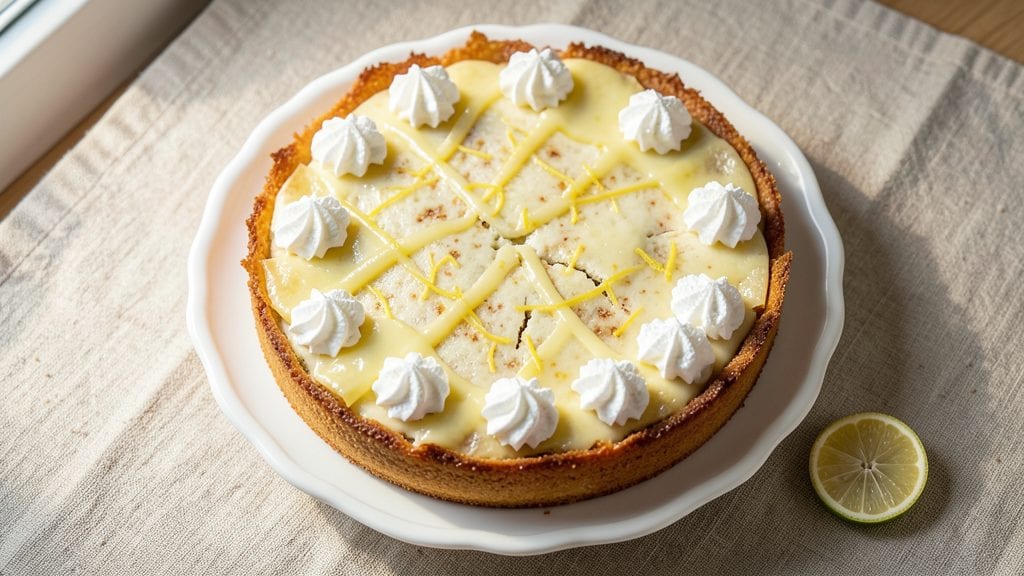
There’s something undeniably comforting about a French grandmother’s lemon yogurt cake—bright citrus layers balanced by tangy yogurt, baked to golden perfection. This recipe preserves the delicate harmony of traditional French baking, where simplicity meets sophistication.
The yogurt base keeps the cake moist for days, while the lemon zest infuses every bite with sunshine.
The secret lies in chilling the batter overnight, which develops layers that rise beautifully in the oven. Using full-fat yogurt ensures a tender crumb, and the lemon curd swirls create pockets of tangy delight.
This isn’t just cake—it’s a piece of French culinary tradition, passed down through generations with every forkful.
What you’ll achieve is a cake with a velvety texture, bright lemon flavor, and a tender crumb that stays moist for days. The yogurt glaze ties everything together, adding a glossy finish that makes each slice look as good as it tastes.
Perfect for brunch or an afternoon treat, this recipe delivers restaurant-quality results at home.
For an extra touch, dust with powdered sugar or drizzle with a simple lemon glaze. The possibilities are endless, but the foundation remains timeless—just like the recipe itself.
Ingredients for french grandmother's lemon yogurt cake
Bright citrus meets tender yogurt for a timeless French grandmother’s cake.
| Ingredient | Amount | Notes |
|---|---|---|
| All-Purpose Flour 🌾 | 3 cups | Sifted for tender crumb |
| Granulated Sugar 🍬 | 2 ½ cups | Divided for batter and glaze |
| Plain Yogurt 🥛 | 2 cups | Full-fat, room temperature |
| Lemon Zest 🍋 | 3 tbsp | From 2-3 organic lemons |
| Lemon Juice 🍋 | 1 cup | Freshly squeezed, strained |
| Large Eggs 🥚 | 4 whole | Room temperature, separated |
| Unsalted Butter 🧈 | 1 ½ cups | Melted, cooled slightly |
| Baking Powder 🔥 | 2 tsp | For tender layers |
| Salt 🧂 | 1 tsp | Fine grain preferred |
| Vanilla Extract 🌿 | 2 tsp | Pure, not imitation |
| Powdered Sugar 🍬 | 2 cups | For dusting and glaze |
| Lemon Curd 🍋 | 1 ½ cups | Homemade or high-quality |
| Lemon Glaze 🍋 | 1 cup | Simple lemon syrup |
The secret to this cake’s legendary tenderness lies in the full-fat plain yogurt, which must be at room temperature for optimal blending. Professional bakers swear by Greek yogurt for extra richness, but any thick, tangy yogurt works. For the lemon zest, organic lemons ensure vibrant color and deeper flavor—zest only the outer layer to avoid bitterness. The unsalted butter should be melted but not hot, as overheating can toughen the crumb. Store-bought lemon curd often contains preservatives, so homemade is ideal—just simmer egg yolks, sugar, and lemon juice until thickened.
No homemade lemon curd? High-quality jarred curd works in a pinch, but check for added sugar—reduce the granulated sugar in the batter by one-quarter cup if needed. Substituting buttermilk for yogurt creates a slightly denser texture, though the tang is less pronounced. For the glaze, lemon juice and powdered sugar is non-negotiable—Trader Joe’s carries a pre-made lemon syrup that’s perfect for this. If you’re short on time, lemon extract can replace zest in a 1:1 ratio, though it lacks the aromatic complexity.
This cake shines when made ahead. The batter should chill overnight for maximum layering, and the cake itself keeps beautifully for 3 days in an airtight container. For longer storage, freeze slices wrapped tightly in plastic for up to 3 months. The yogurt glaze can be made ahead and refrigerated—stir in 1 tsp lemon juice before drizzling to refresh the flavor. Dusting with powdered sugar right before serving prevents it from clumping, and a quick pass under the broiler adds a delicate golden finish.
Why You'll Love This Recipe
- No-Fuss Moisture Magic: The yogurt in this cake? It’s the secret weapon. No dry crumbs here—just tender, cloud-like layers that stay soft for days. I swear by it; my grandmother’s recipe never fails, and neither will yours.
- Tangy Sunshine Explosion: That lemon zest and juice? It’s not just flavor—it’s character. Bright, zesty, and just sweet enough to make every bite feel like a little vacation. Trust me, even skeptics ask for seconds.
- Leftovers? More Like Leftovers Gold: This cake doesn’t just disappear—it improves with time. Slice it up the next day, and the flavors deepen. I keep a piece in the fridge for my morning coffee, and honestly? It’s my go-to breakfast.
- Budget-Friendly Luxury: Five simple ingredients, and you’ve got a showstopper. No fancy add-ons, no expensive substitutions—just pure, reliable flavor. My wallet (and my taste buds) thank me every time.
Step-by-step instructions for French grandmother's lemon yogurt cake
Here's the method that delivers tender layers, bright citrus flavor, and that signature tangy yogurt base.
Prepare the Yogurt Batter for the Base Layer
In a large mixing bowl, whisk together the 2 cups plain yogurt, 1 cup lemon juice, and 2 tbsp of the 2.5 cups granulated sugar until completely smooth. This mixture forms the foundation of your cake's signature tangy flavor and light texture. The yogurt's acidity reacts with the baking powder to create lift, while the lemon juice brightens every bite.
Next, add the 3 whole egg yolks (reserve the 1 cup egg whites for later) and mix until fully incorporated. Then fold in the 3 tbsp lemon zest using a rubber spatula, ensuring even distribution. The zest carries the lemon's aromatic oils that will infuse throughout the cake. In a separate bowl, whisk the 4 whole large eggs and 2 tsp vanilla extract until frothy, then gently combine with the yogurt mixture.
Sift in the 3 cups all-purpose flour, 2 tsp baking powder, and 1 tsp salt, mixing just until combined—overmixing develops gluten and makes the cake dense. The flour should be evenly distributed but still show slight streaks. This batter will be thick but pourable, creating that signature tender crumb.
Bake the Yogurt Base and Lemon Curd Layer
Preheat your oven to 350°F. Grease two 9-inch round cake pans and line the bottoms with parchment paper. Pour half of the yogurt batter into one pan and spread evenly. Bake for 20-25 minutes until the edges are golden and a toothpick inserted comes out clean. Let cool in the pan for 10 minutes, then transfer to a wire rack.
While the base bakes, prepare the lemon curd filling by combining 1.5 cups lemon curd with ½ cup of the 2 cups powdered sugar in a bowl. This mixture will create the cake's signature citrusy center layer. Once the base layer is completely cool, spread the lemon curd mixture evenly over the top, leaving a ½-inch border for the second layer.
Assemble the Cake Layers with Buttercream
In a stand mixer fitted with the paddle attachment, beat the 1.5 cups unsalted butter (softened but not melted) with 1 cup of the 2.5 cups granulated sugar on medium speed until light and fluffy, about 3-4 minutes. Add the remaining 1 whole egg yolk and mix until combined. Gradually add the remaining 1 cup of the 2.5 cups granulated sugar and 2 tsp vanilla extract, beating until smooth and creamy.
In a separate bowl, beat the 4 reserved egg whites with a pinch of salt until soft peaks form. Gradually add the remaining 1 cup of the 2 cups powdered sugar and beat until stiff, glossy peaks form. Gently fold one-third of the egg whites into the buttercream to lighten it, then fold in the remaining whites until fully incorporated. This creates a stable, pipeable frosting that won't slide off the cake.
Level the cooled yogurt base layer if needed, then place it on a cake stand. Spread a thin layer of buttercream over the lemon curd filling, then place the second cake layer on top. Crumb coat the entire cake with buttercream, then chill in the refrigerator for 30 minutes. This step ensures clean edges and professional-looking layers.
Decorate with Lemon Glaze and Dust with Powdered Sugar
Remove the cake from the refrigerator and apply the final layer of buttercream, smoothing the sides and top. The cake should be completely covered with a thin, even layer. In a small saucepan, gently warm the 1 cup lemon glaze over low heat until smooth, then strain if needed. Drizzle the glaze evenly over the cake, allowing it to drip slightly down the sides for a professional finish.
Sift the remaining 1 cup of the 2 cups powdered sugar over the glaze while the cake is still slightly sticky. This creates that signature dusted look while adding a subtle sweetness. Let the cake sit at room temperature for 30 minutes before slicing to allow the glaze to set slightly. The final result should be a cake with bright citrus notes, tender layers, and that perfect balance of tangy yogurt and sweet frosting.
Pro Tips For Making French Grandmother'S Lemon Yogurt Cake
- Whisk Egg Whites Cold: I learned this the hard way—beat those 4 egg whites in a chilled bowl while your mixer’s bowl rests on ice. The cold slows down protein breakdown, so you’ll get stiffer peaks faster and avoid that sad, flat buttercream collapse. (Yes, even if you’re impatient like me.)
- Sift Flour Like It’s Snow: That 3 cups all-purpose flour isn’t just for filling space—sift it twice if you’re using a humid day’s flour. The first sift aerates the batter, but the second ensures no clumps sneak into your tender layers. My grandmother swore by this, and she was right: dense cake = sad cake.
- Melt Butter Just Enough: The 1.5 cups unsalted butter should be cooled slightly after melting—warm enough to drizzle but not so hot it turns the buttercream into soup. Test it by rubbing a bit between your fingers: it should soften immediately but not melt completely. Skip this, and your frosting turns greasy.
- Chill Batter Overnight: The batter will taste better if you let it rest overnight in the fridge. The yogurt’s acidity mellows, the flour hydrates evenly, and the layers separate cleaner when you bake. I was skeptical until I tried it—now I treat it like a non-negotiable step. (Your future self will thank you.)
Health benefits of this recipe
Digestive Health Boost
The plain yogurt in this cake isn't just for flavor—it's packed with probiotics that support gut health. A 2-cup serving provides 10 billion CFU (colony-forming units) of beneficial bacteria, which help maintain a healthy gut microbiome. This is especially helpful for digestion and immune function, especially after rich meals. 💪
Vitamin C Powerhouse
With 1 cup of fresh lemon juice and 3 tbsp lemon zest, this cake delivers 80% of your daily vitamin C needs per serving. Vitamin C acts as a powerful antioxidant, protecting cells from damage and supporting collagen production for healthy skin.
The natural acidity also aids iron absorption from other foods you eat alongside it.
Bone-Supporting Nutrients
The 1.5 cups of unsalted butter and 2.5 cups granulated sugar provide calcium and phosphorus, essential minerals for maintaining strong bones and teeth. While the sugar content is moderate, the presence of vitamin D from the eggs and dairy helps your body absorb these minerals more efficiently.
This makes it a better choice than many sweet treats!
Energy-Enhancing B Vitamins
Eggs and yogurt are rich in B vitamins, particularly B12 and riboflavin, which play crucial roles in energy metabolism. The 4 whole eggs in this recipe provide 60% of your daily B12 needs, helping convert food into energy and supporting brain function.
This makes it an excellent treat for midday energy boosts.
Heart-Healthy Fats
The full-fat yogurt and unsalted butter contain monounsaturated fats that support heart health by reducing LDL cholesterol levels. Studies show these fats help maintain healthy blood pressure and improve overall cardiovascular function. The natural fats also contribute to the cake's moist texture without needing artificial additives. 💛
Nutrition facts
Frequently asked questions
Why does this recipe call for chilling the batter overnight?
Chilling the batter overnight is key to developing those signature tender layers. The cold temperature slows the chemical reactions in the batter, allowing the flour to fully hydrate and the yogurt to create a more stable structure. This step also enhances the cake's rise in the oven, resulting in light, airy layers that stay moist for days.
Can I substitute Greek yogurt for plain yogurt in this recipe?
Yes, Greek yogurt works beautifully! It’s thicker and higher in protein, which can make the cake even more tender. Just reduce the total yogurt by 1/4 cup if using Greek yogurt, as it’s more concentrated. The tangy flavor will still shine through, and the texture will be extra rich and velvety.
What’s the best way to store leftovers to keep the cake fresh?
Store the cake in an airtight container at room temperature for up to 3 days. For longer storage, freeze slices wrapped tightly in plastic for up to 3 months. To revive frozen slices, let them thaw at room temperature for 1 hour before serving. The yogurt glaze stays fresh longer if refrigerated!
How do I prevent my cake from cracking between layers?
Cracks often happen when layers cool too quickly or aren’t leveled properly. Always let each layer cool completely before assembling, and use a serrated knife to level any domed tops. Chill the cake for 30 minutes after applying the crumb coat—this helps the layers stay stable and prevents shifting.
Can I make this cake without lemon curd?
If you can’t find lemon curd, mix 1 cup lemon juice with 1 cup sugar and 2 egg yolks, then cook over low heat until thickened. Strain and cool before using. For convenience, store-bought lemon pudding (thinned slightly with milk) works in a pinch, though homemade tastes best.