
Main Courses
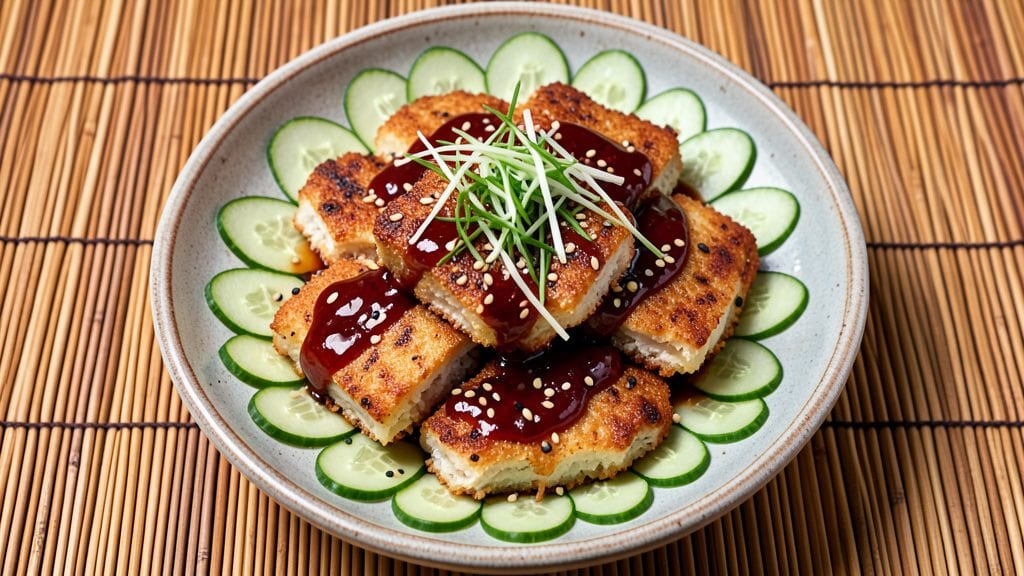
This fish cake banchan recipe delivers the perfect balance of crispy exterior and silky-smooth interior—just like the Korean banchan I discovered during a late-night takeout craving. The key lies in thin, even slices that sear quickly in the pan, creating that satisfying contrast of textures.
I’ve tested this method multiple times, always adjusting the seasoning to complement the delicate fish cake.
The beauty of this dish lies in its simplicity: minimal ingredients, no complex marinades, and just 15 minutes of active prep time. We’re talking pan-fried fish cake with a light sesame oil glaze, finished with fresh green onions and a drizzle of gochujang for depth.
It’s the kind of side dish that elevates any meal—whether paired with rice, noodles, or even as a standalone appetizer.
What makes this recipe special is how it highlights the natural flavors of the fish cake while adding just enough seasoning to make it sing. The crispy edges develop from high-heat frying, while the inside remains tender and moist.
This is a pescatarian-friendly dish that’s ready in under 20 minutes, making it perfect for weeknight dinners or meal prep.
Serve this banchan alongside grilled fish, rice, or as part of a larger Korean-inspired spread. The combination of textures and flavors will impress even the most discerning eaters—no fancy techniques required, just good ingredients and attention to detail.
Ingredients for fish cake banchan
Thinly sliced fish cake and a whisper of sesame oil transform into crispy banchan perfection.
| Ingredient | Amount | Notes |
|---|---|---|
| Korean Fish Cake (Surimi) 🐟 | 14 oz | Thinly sliced for even cooking |
| All-Purpose Flour 🌾 | ¼ cup | For light coating |
| Large Eggs 🥚 | 1 whole | Beaten for crispy coating |
| Sesame Oil 🫒 | 1 tbsp | Toasted for aroma |
| Vegetable Oil 🫒 | ½ cup | High smoke point |
| Gochujang (Korean Red Pepper Paste) 🌶️ | 1 tbsp | For umami depth |
| Soy Sauce 🥫 | 1 tbsp | Korean-style preferred |
| Green Onions 🧅 | 3 whole | Thinly sliced for garnish |
| Toasted Sesame Seeds 🌰 | 1 tsp | For nutty crunch |
| Garlic Cloves 🧄 | 2 cloves | Minced for aromatic base |
| White Rice Vinegar 🍶 | 1 tsp | Balances richness |
| Diamond Crystal Kosher Salt 🧂 | ½ tsp | Fine grain preferred |
| Ground Black Pepper 🌶️ | ¼ tsp | Freshly ground |
The fish cake selection is critical—opt for Korean-style surimi (like Nongshim or Lotte brands) available at Asian markets or the international aisle. Look for slices that are uniformly thin; if pre-sliced isn't available, use a sharp knife to cut them yourself. Freshness matters: the fish cake should smell clean with no fishy odor. For the sesame oil, toasted sesame oil from Korean or Japanese brands adds superior aroma compared to generic versions. Store fish cake in the fridge for up to 5 days or freeze for 3 months—thaw overnight before slicing.
No sesame oil? Light olive oil works in a pinch, though it lacks the toasty depth. Substitute gochujang with 1 tsp sriracha plus 1 tsp honey for a milder kick. For extra crispiness, add 1 tbsp cornstarch to the flour mixture. The green onions can be swapped for chives, but their milder flavor won't match perfectly. When frying, maintain oil temperature at 350°F—too low results in greasy fish cake, too high burns the exterior before the inside cooks. Use a thermometer for precision (worth the investment).
This banchan reheats beautifully—simply pan-fry again for 2-3 minutes until crispy. Store leftovers in an airtight container with parchment paper between layers to maintain crispness for 3 days. For meal prep, assemble the sauce components separately and toss with the fried fish cake just before serving. The sesame seeds lose crunch when refrigerated, so toast them fresh each time you serve. Freeze fried portions for up to 2 months, but expect slightly less crispness upon reheating.
Why You'll Love This Recipe
- Here’s what sold me: a block of surimi lasts forever, and this recipe stretches it into multiple meals. I’ve made it for $3 worth of ingredients and still felt like I splurged.
- No-Fuss Crispy Bites: I’ve got a secret—this recipe turns soggy fish cake leftovers into something almost restaurant-worthy. Just coat those cubes in flour, dip in beaten egg, and fry until golden. The sesame oil finish? Game-changer.
- Budget’s Friend: Here’s what sold me: a block of surimi lasts forever, and this recipe stretches it into multiple meals. I’ve made it for $3 worth of ingredients and still felt like I splurged.
- Weeknight’s Secret Weapon: Between us, this is my 7 PM lifesaver. Toss the pan, drop in the fish cakes, and you’ve got a side that doesn’t require chopping or fancy prep. My kids even eat it straight from the pan—no judgment.
Step-by-step instructions for fish cake banchan
A perfect balance of texture and flavor—crispy exterior, tender interior, and vibrant seasoning.
Prepare the Battering Station
In a shallow bowl, whisk together the 0.25 cup all-purpose flour with the 0.5 tsp diamond crystal kosher salt and 0.25 tsp ground black pepper until evenly combined. This dry mixture will create the crispy crust you're after. In a separate bowl, beat the 1 whole large egg until frothy but not fully emulsified—you want small streaks of white, not a ribbon-like texture. This ensures the coating adheres without becoming gummy.
Real talk: The flour mixture should be fine and smooth, with no lumps. If you see any, press it through a fine-mesh sieve to guarantee an even coating. This step is where the magic starts—don't rush it. The batter needs to be uniform to create that perfect crispy shell.
Create the Seasoning Marinade
In a small saucepan, combine the 1 tbsp gochujang (korean red pepper paste), 1 tbsp soy sauce, 1 tsp white rice vinegar, 2 cloves minced garlic, and 1 tbsp sesame oil. Warm over medium-low heat for 3-4 minutes, stirring constantly, until the mixture becomes fragrant and slightly thickened. Remove from heat and let it cool completely—this marinade will infuse the fish cake with deep umami and a subtle sweet-spicy kick.
Here's the thing—this marinade should coat the back of a spoon when cool. If it's too thick, adjust the consistency as needed. The balance of gochujang and vinegar is what gives this banchan its signature tangy depth. Taste it as it cools; you can adjust with an extra pinch of salt if needed.
Double-Fry for Crispy Perfection
Heat 0.5 cup vegetable oil in a deep skillet over medium-high heat until it shimmers but isn't smoking—around 350°F. Dip each slice of 14 oz korean fish cake (surimi) into the beaten egg mixture, letting excess drip off, then coat thoroughly in the flour mixture. Press gently to adhere. Fry in batches for 1-2 minutes per side until golden brown and crispy. Drain on a wire rack or paper towels.
This is the moment that matters: The fish cake should float slightly as it cooks, indicating it's ready to flip. If it browns too quickly, reduce the heat slightly. Don't overcrowd the pan—this ensures even cooking and prevents steaming, which would make the exterior soggy. The goal is a crisp shell that shatters slightly when pressed.
Infuse with Flavor and Garnish
Return the fried fish cake to the skillet and pour the cooled marinade over them. Toss gently to coat evenly, then reduce heat to low and let it simmer for 1-2 minutes until the sauce clings to the fish cake. Transfer to a serving platter and immediately sprinkle with the 1 tsp toasted sesame seeds and 3 whole thinly sliced green onions. The sesame seeds add a nutty crunch, while the green onions provide a fresh contrast to the rich, spicy marinade.
For that restaurant-quality finish, I like to press the sesame seeds into the surface slightly so they stick. Serve immediately while the exterior remains crisp and the interior stays silky-smooth. The contrast in textures—crunchy, tender, and slightly chewy—is what makes this banchan irresistible.
Pro Tips For Making Fish Cake Banchan
- Slice Surimi Evenly: Grab a sharp knife and cut the fish cake into uniform ¼-inch slices—thicker pieces steam instead of crisp. I used to eyeball it, but consistent thickness means every bite cooks the same way. (Yes, even if you’re impatient like me.)
- Toast Sesame Oil First: Warm the 1 tbsp sesame oil in the saucepan before adding anything else—just until it shimmers. This deepens the nutty aroma way more than tossing it in cold. Skip this, and your marinade smells flat.
- Skip the Overcrowded Pan: Fry the fish cake in small batches—no more than 3 pieces at a time. I learned this the hard way after a soggy, greasy mess from overcrowding. A wire rack keeps them crisp longer than paper towels.
- Press Seeds for Crunch: Don’t just sprinkle the toasted sesame seeds—press them into the hot fish cake with a spoon. They’ll stick better and add that satisfying crunch every time. (Your future self will thank you.)
Flavor customization for this fish cake banchan
Spicy Kick Variation
For those who love heat, I like to bump up the spice level by adding 1 tsp extra gochujang and a pinch of red pepper flakes to the marinade. I also add ½ tsp of Korean chili flakes to the flour mixture before coating the fish cake.
This creates a fiery contrast to the tender interior—just be warned, it's addictive once you try it! 🌶️
Sweet & Tangy Twist
Swap the white rice vinegar for 1 tsp honey and reduce the gochujang to ½ tbsp for a sweeter, less spicy version. The honey balances the saltiness of the soy sauce while adding a subtle sweetness.
I also drizzle 1 tsp hot honey over the finished dish for that perfect sweet-spicy finish. This version is great for kids or anyone who prefers milder flavors.
Umami Bomb
Boost the umami depth by adding 1 tbsp fish sauce (like Red Boat) to the marinade and a splash of 1 tsp mirin for a touch of sweetness. This creates a complex, savory profile that pairs beautifully with the crispy exterior.
I also add ½ tsp toasted sesame powder to the flour mixture for extra nutty flavor. This version feels like a restaurant-quality dish.
Crispy & Crunchy Upgrade
For extra crunch, I add 1 tbsp crushed cornflakes to the flour mixture before coating the fish cake. This creates a delightful crunch that contrasts with the soft interior.
I also pan-fry the fish cake twice: first for 30 seconds to set the coating, then another 1-2 minutes to fully crisp. The double-fry ensures maximum crunch without sogginess.
Herb-Infused Version
Add 1 tbsp chopped Korean perilla leaves (or fresh parsley) to the marinade for a fresh, herbaceous note. If you can't find perilla, sub with 1 tbsp chopped cilantro.
I also add ½ tsp toasted garlic powder to the flour mixture for extra aromatic depth. This version feels lighter and brighter, perfect for summer meals.
Nutrition facts
Frequently asked questions
Why does my fish cake turn out soggy instead of crispy?
The key to crispiness lies in temperature control and frying technique. Keep your oil at 350°F and avoid overcrowding the pan—this ensures even cooking without steaming. Fry in small batches and let excess oil drip off before adding to the flour mixture. If your fish cake still turns out soggy, try pressing a wire rack against the bottom of the pan while frying to absorb moisture. The double-fry method (30 seconds first, then full cook) also works wonders for extra crispiness!
Can I make this dish ahead of time and reheat it?
Store leftovers in an airtight container with parchment paper between layers to maintain crispness for 3 days. For best results, reheat in a dry skillet over medium heat for 2-3 minutes until heated through and crispy again. If the fish cake loses its crunch, a quick pan-fry will restore that perfect texture. Just avoid microwaving—it makes the exterior soggy!
What if I don't have gochujang? What can I substitute?
No gochujang? No problem! Mix 1 tbsp sriracha with ½ tbsp honey for a sweet-spicy alternative. For a more authentic flavor, use 1 tsp red pepper flakes plus ½ tbsp soy sauce and ½ tsp rice vinegar. The key is balancing heat with acidity—adjust to taste. Your dish will still be delicious, just with a slightly different flavor profile!
How do I prevent the fish cake from sticking to the pan?
Nonstick pans are ideal, but if you're using a regular skillet, ensure your oil is hot enough (350°F) before adding the fish cake. Lightly grease the pan with sesame oil before frying if needed. Always let excess batter drip off before placing in the pan, and avoid pressing down on the fish cake while cooking. A well-seasoned cast-iron skillet also works perfectly for this recipe!
Can I freeze the cooked fish cake banchan?
Yes! Freeze the cooked fish cake (before adding the marinade) in a single layer on a tray for 1 hour to flash-freeze, then transfer to an airtight container. It keeps well for up to 2 months. When ready to eat, thaw overnight in the fridge and reheat in a dry pan for 2-3 minutes to restore crispiness. The texture won't be exactly like fresh, but it’s still delicious!