
Desserts
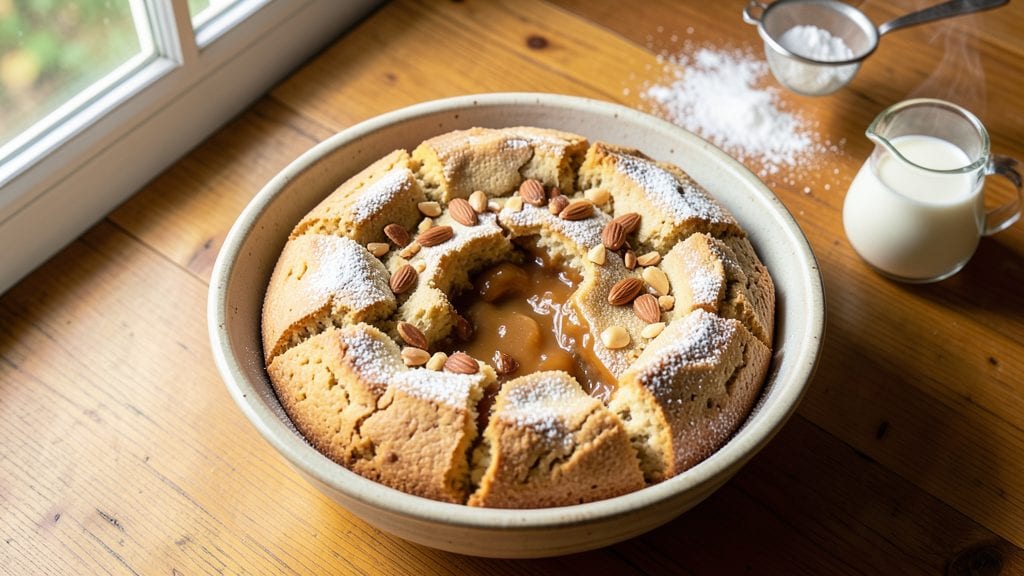
This Epiphany Cake recipe transforms a traditional holiday dessert into a fragrant, swirled masterpiece that celebrates both culture and craftsmanship. The marriage of orange blossom and rum creates an aromatic experience that transports you to Mediterranean markets, where the scent of citrus and spice fills the air.
I developed this version after years of perfecting the balance between tender brioche dough and a boozy, citrus-infused filling that stays moist for days.
The secret lies in the layers: a rich, rum-infused dough wrapped around a fragrant frangipane filling, baked to golden perfection before being swirled with a signature orange blossom glaze.
What makes this recipe special is its adaptability—whether you follow the traditional brioche method or opt for a simpler puff pastry version, the result is consistently impressive. The hidden charm, a nod to the Epiphany tradition, adds an element of surprise that delights both children and adults.
By the time you serve this cake, your kitchen will smell like a celebration, and every slice will reveal layers of citrusy sweetness balanced by the warmth of rum.
The texture is what truly sets it apart: a tender crumb that melts in your mouth, punctuated by bursts of creamy frangipane and a glaze that sparkles like morning dew. This is a dessert that commands attention at any gathering, yet feels approachable enough for a weeknight treat.
Perfect for Epiphany celebrations or as a showstopping centerpiece for any winter gathering, this cake pairs beautifully with hot chocolate or spiced coffee. The recipe includes both traditional and modern adaptations, ensuring you can create something meaningful regardless of your baking experience.
Let's bring this timeless tradition to your kitchen with professional results and simple techniques.
Ingredients for epiphany cake
Pantry staples meet Mediterranean magic with orange blossom, rum, and chocolate surprises.
| Ingredient | Amount | Notes |
|---|---|---|
| All-Purpose Flour 🌾 | 4 cups | Sifted for light texture |
| Unsalted Butter 🧈 | 2 cups | Cold, cubed for dough |
| Granulated Sugar 🍚 | 1 ½ cups | Superfine preferred |
| Large Eggs 🥚 | 4 whole | Room temperature |
| Active Dry Yeast 🍞 | 2 ¼ tsp | Or 1 packet |
| Warm Milk 🥛 | 1 cup | 110°F for yeast activation |
| Orange Blossom Water 🍊 | 2 tbsp | Pure, not imitation |
| Dark Rum 🍹 | ½ cup | Aged 3+ years |
| Ground Almonds 🌰 | 2 cups | Finely ground for frangipane |
| Powdered Sugar 🍚 | 1 cup | For glaze |
| Heavy Cream 🥛 | ½ cup | Cold for glaze |
| Vanilla Extract 🌿 | 1 tbsp | Pure Madagascar |
| Salt 🧂 | 1 tsp | Fine sea salt |
| Orange Zest 🍊 | 1 tbsp | Fresh, finely grated |
| Dark Chocolate Chips 🍫 | ½ cup | Hidden Epiphany charm |
Orange blossom water is the soul of this cake—Middle Eastern markets or specialty stores carry the real deal (not the floral water substitute). Trader Joe's often has it, but I order mine from Penzeys for authenticity. The rum? Havana Club 7-year or Diplomático adds depth without overpowering. For the frangipane, almond flour is a 1:1 swap if you're avoiding grinding whole almonds—just toast it first. Fresh orange zest matters too; store-bought often tastes bitter. The chocolate chips are a secret nod to Epiphany traditions—use Valrhona or Ghirardelli for that rich, melty quality.
No orange blossom water? 1 tsp orange extract plus 1 tsp rose water mimics it (though it's not identical). Swapping rum? Bourbon or brandy works, but reduce to 0.3 cup—rum's molasses notes are key. For a lighter texture, replace 0.5 cup flour with cornstarch. The dough needs to be cold for proper rise, so chill it 2 hours before shaping. If your kitchen's warm, use plastic wrap instead of foil to prevent condensation. The chocolate chips can be melted into the frangipane for a marbled effect if you're feeling fancy.
This cake keeps 5 days at room temperature, wrapped tightly in parchment. For longer storage, freeze the whole cake (unfrosted) for up to 3 months)—thaw overnight at room temp. The glaze sets quickly, so assemble the cake 1 hour before serving. Leftovers? Toast slices with a bit of butter and cinnamon for a breakfast twist. The frangipane filling can be prepped 1 day ahead; just cover it tightly and refrigerate.
Why You'll Love This Recipe
- No-Fuss Layers: I’ll be real—this isn’t one of those cakes where you have to fuss with multiple bowls or worry about overmixing. The yeast dough only needs a quick mix, a chill, and then boom—you’re rolling it out. The second layer? Same process, no extra steps. Just cube that unsalted butter and let the mixer do the work while I grab a coffee.
- Rum-Infused Magic: That dark rum soaking into the ground almonds for frangipane? Game-changer. It’s not overpowering—just a warm, cozy depth that makes every bite feel like a little celebration. Pair it with the orange blossom water and orange zest, and suddenly your cake tastes like a Parisian café, not your average grocery-store treat.
- Celebration on Any Day: Between the dark chocolate chips hiding in the layers and the orange cream glaze, this cake feels festive enough for New Year’s but simple enough for Sunday brunch. My kids even ask for seconds—no fuss, no forced occasion. Plus, the powdered sugar glaze looks fancy enough to impress, even if it’s just a random Tuesday.
- 5 Days of Decadence: This isn’t one of those cakes that disappears in a day. Wrapped tightly in parchment, it stays moist and delicious for five days—perfect for meal prep or when you know you’ll forget about leftovers until Thursday. And if you’re feeling extra, freeze the whole unfrosted cake for up to three months? Chef’s kiss.
Step-by-Step instructions for Epiphany cake
Here's the method to create a layered masterpiece with rum-infused frangipane and chocolate surprises.
Prepare the Yeast-Infused Orange Dough
In a small bowl, dissolve the 2.25 teaspoons active dry yeast in 1 cup warm milk (110°F) with 1 tablespoon granulated sugar. Let sit for 5-7 minutes until foamy—this confirms the yeast is active. In a stand mixer fitted with the paddle attachment, combine 4 cups all-purpose flour, 1 teaspoon salt, and 1.5 cups granulated sugar. Mix on low speed until just combined.
Add the 2 cups unsalted butter, cut into cubes, and mix on low until the mixture resembles coarse crumbs. Pour in the yeast mixture along with 2 tablespoons orange blossom water and 1 tablespoon vanilla extract. Beat on medium speed for 3-4 minutes until the dough comes together and pulls away from the sides of the bowl. The dough should be soft but not sticky—if it clings, add 1-2 tablespoons more flour. Shape into a disk, wrap in plastic, and refrigerate for 1 hour. This resting period develops gluten and ensures even layers later.
Create the Rum-Almond Frangipane Filling
In a separate bowl, whisk together 2 cups ground almonds, 1 cup granulated sugar, 1 tablespoon orange zest, and 0.5 cup dark rum. The rum will infuse the almonds with depth, so let this mixture sit for 10 minutes to meld flavors. Add 4 whole large eggs, one at a time, mixing well after each addition. The mixture should be thick but spreadable—if too dry, add 1-2 tablespoons warm milk. Fold in the 0.5 cup dark chocolate chips using a spatula, ensuring even distribution. Cover and refrigerate while you prepare the second dough layer.
For the second dough layer, follow the same process as Step 1 but omit the yeast and milk mixture. Instead, mix the 4 cups all-purpose flour, 1 teaspoon salt, 1.5 cups granulated sugar, 2 cups unsalted butter, 2 tablespoons orange blossom water, 1 tablespoon vanilla extract, and 1 tablespoon orange zest until a smooth dough forms. Divide the dough into two equal portions—one for the base and one for the top layer.
Assemble and Bake the Layers
Preheat your oven to 350°F. Roll out the first dough portion on a floured surface to fit an 8-inch round springform pan, about ¼-inch thick. Press the dough into the pan, creating a ½-inch high rim to hold the filling. Spread half of the rum-almond frangipane evenly over the base, leaving a ½-inch border. Sprinkle the remaining 0.5 cup dark chocolate chips evenly over the frangipane.
Roll out the second dough portion and place it over the filling, pressing gently to seal. Trim excess dough from the edges and crimp decoratively with a fork. Bake for 45-50 minutes until the top is golden brown and a toothpick inserted comes out clean. Cool in the pan for 10 minutes, then transfer to a wire rack to cool completely.
Prepare the Orange Cream Glaze
In a small saucepan, combine 0.5 cup heavy cream, 1 cup powdered sugar, and 1 tablespoon vanilla extract. Warm over low heat, stirring constantly until the sugar dissolves completely. Remove from heat and stir in 1 tablespoon orange zest and 1 tablespoon orange blossom water. Let the glaze cool to room temperature—it should thicken slightly as it cools.
Once the cake is completely cool, carefully remove it from the springform pan. Drizzle the orange cream glaze evenly over the top and sides, allowing it to drip naturally. For extra flair, sprinkle additional orange zest or a dusting of powdered sugar on top. Serve slices at room temperature, where the rum-infused frangipane and chocolate surprises will shine.
Pro Tips For Making Epiphany Cake
- Cube Butter Properly: I learned this the hard way—skip the soft butter, and you’ll end up with greasy dough instead of flaky layers. Cut the 2 cups unsalted butter into ½-inch cubes and keep them cold until they’re fully incorporated. The moment they start melting is when your mixer should be on low, or you’ll lose that perfect crumbly texture.
- Test Yeast Twice: That 2.25 tsp active dry yeast in 1 cup warm milk (110°F) should foam in 5-7 minutes—but if it’s sluggish, don’t panic and double it. Sometimes yeast is old or your kitchen’s too warm. I’ve wasted dough assuming it was fine; trust the foam, not the timer. If it’s slow, toss it and start fresh.
- Weigh the Frangipane: The frangipane should be thick enough to hold its shape but spreadable—like wet sand. If the 2 cups ground almonds mixture feels dry after adding the 4 eggs, add 1 tbsp warm milk at a time. Too stiff? It’ll crack when baked. Too loose? It’ll ooze. I used to eyeball it and ended up with a soggy middle—now I test with a spatula.
- Chill Before Rolling: That second dough layer? Roll it out 10 minutes after shaping, while the first one’s in the pan. Cold dough shrinks less and stays manageable. I once rushed it straight from the fridge, and the edges curled like a sad burrito. Patience here keeps your cake neat and even—no last-minute patchwork.
Troubleshooting your epiphany cake
Dough Too Sticky
If your brioche dough feels too sticky, resist the urge to add extra flour—this disrupts the gluten structure. Instead, wet your hands with cold water and gently knead the dough for 1-2 minutes. The dough should be soft but pliable, not tacky.
If it’s still clinging, chill it for 15-20 minutes—the cold will firm it up. I’ve found that using bread flour instead of all-purpose can also reduce stickiness while improving texture.
Filling Too Dry
A dry frangipane filling is usually a sign of overmixing or insufficient fat. If your mixture looks crumbly, add 1-2 tablespoons warm milk or heavy cream to loosen it. For extra richness, fold in 1 tablespoon melted butter.
The filling should hold its shape when spooned but still spread smoothly. If it’s too thick, let it sit at room temperature for 10 minutes—the eggs will help emulsify it naturally.
Cake Cracking
Cracks often appear when the cake bakes too quickly or the oven isn’t properly preheated. To prevent this, place your springform pan on the middle rack and avoid opening the oven door during the first 20 minutes of baking.
If cracks form, brush them with simple syrup (equal parts sugar and water, heated until dissolved) and let the cake rest for 1 hour before glazing. This helps the layers rehydrate and smooth out.
Glaze Too Thin
A runny glaze happens when the powdered sugar isn’t fully dissolved or the cream is too warm. To fix it, whisk in ½ teaspoon cornstarch to thicken, or chill the glaze for 15 minutes before drizzling.
For extra stability, add 1 teaspoon lemon juice—the acidity helps the glaze set faster. If it’s still too thin, reduce the cream to ¼ cup and adjust the sugar ratio to 1:1 for a thicker consistency.
Hidden Charm Too Visible
If the chocolate chips (or hidden charm) are too obvious, melt them into the frangipane for a marbled effect. Use Valrhona guanaja beans or Ghirardelli baking bars, which melt smoothly without clumping.
For a traditional touch, place the charm in the center of the frangipane layer before sealing the top dough—this ensures it’s hidden but still a surprise when sliced. 💫
Uneven Baking
Uneven baking usually means your oven isn’t calibrated or the cake isn’t centered. Rotate the pan halfway through baking (after 25 minutes) to ensure even heat distribution. If your oven runs hot, reduce the temperature to 340°F and add 5 minutes to the bake time.
For extra insurance, use an oven thermometer to verify accuracy—many home ovens are off by 25°F or more!
Nutrition facts
Frequently asked questions
Why does this epiphany cake recipe include rum?
The dark rum adds depth and warmth to both the dough and frangipane filling, creating a complex citrusy-sweet flavor profile. The aged rum enhances the orange blossom notes without overpowering—think of it as the secret ingredient that turns a simple cake into a celebratory masterpiece. This tradition aligns with Mediterranean and Latin American Epiphany customs where boozy elements often elevate festive desserts.
Can I make this cake without orange blossom water?
Yes! If you can't find orange blossom water, mix 1 teaspoon orange extract with 1 teaspoon rose water for a close approximation. The flavor won't be identical, but it'll still give that floral citrus brightness. For a simpler swap, use 1 tablespoon lemon zest plus ½ teaspoon vanilla extract—just increase the zest to 2 tablespoons for extra brightness.
What's the best way to hide the Epiphany charm?
For maximum surprise, place the dark chocolate chips (your charm!) in the center of the frangipane layer before sealing with the top dough. This ensures they're hidden until you slice it. For a more traditional approach, press them gently into the bottom layer before adding the frangipane—just be careful not to let them touch the sides of the pan. Either way, the chocolate will melt slightly during baking, creating delicious surprises in each slice!
How do I prevent the cake from cracking?
Cracks happen when the cake bakes too quickly. To avoid this, place your 8-inch springform pan on the middle oven rack and avoid opening the door during the first 20 minutes of baking. If cracks appear, brush them with simple syrup (equal parts sugar and water) and let the cake rest for 1 hour before glazing. This helps the layers rehydrate and smooth out beautifully. A steaming dish under the pan can also create a moist baking environment.
Can I make the frangipane filling ahead of time?
The frangipane can be prepared 1 day ahead and stored covered in the refrigerator. Let it come to room temperature before using—this helps it spread more easily. For best texture, don't overmix after adding the eggs, and keep it chilled until assembly. The rum will continue infusing as it sits, making the filling even more flavorful by the next day.