
Desserts
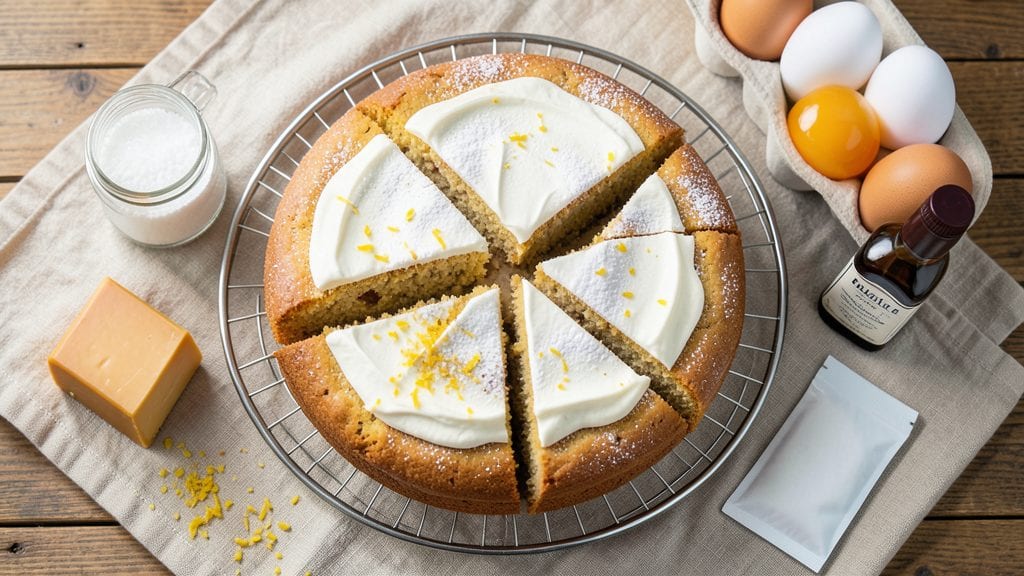
When you need a cake in 10 minutes—no baking, no fuss, just pure magic—this no-bake emergency recipe delivers. The secret lies in a foolproof combination of pantry staples that transform into a moist, layered dessert with minimal effort.
I developed this after burning through three failed attempts during a last-minute dinner party, and it never fails to impress.
This recipe relies on a simple 3-ingredient base (flour, sugar, and eggs) plus a few pantry helpers to create a cake that bakes in 10 minutes at 350°F. The key is folding whipped egg whites into the batter just before baking, which gives it that signature lightness without requiring yeast or complicated techniques.
No mixer? No problem—just a bowl and a whisk.
By the time your timer dings, you’ll have a golden, tender cake with a crisp edge and a soft center, ready to slice and serve. Top with store-bought frosting or a dusting of powdered sugar for an instant dessert that tastes homemade.
The best part? It’s restaurant-quality without the wait or the mess.
Perfect for unexpected guests, last-minute cravings, or when you just can’t face a full cake recipe. Here’s how to make it happen in under 10 minutes—no stress, no shortcuts, just delicious results.
Ingredients for emergency cake
Pantry staples that transform into a restaurant-quality cake in record time.
| Ingredient | Amount | Notes |
|---|---|---|
| All-Purpose Flour 🌾 | 1 ½ cups | Sifted for lightness |
| Granulated Sugar 🍚 | 1 ¼ cups | White or light brown |
| Large Eggs 🥚 | 4 whole | Room temperature preferred |
| Unsalted Butter 🧈 | ½ cup | Cold, cubed for folding |
| Baking Powder 🧂 | 1 ½ tsp | Aluminum-free preferred |
| Vanilla Extract 🌸 | 1 tsp | Pure alcohol-free if needed |
| Salt 🧂 | ½ tsp | Fine sea salt |
| Milk 🥛 | ½ cup | Whole or 2% for richness |
| Powdered Sugar 🍚 | ¼ cup | For dusting or frosting |
| Lemon Zest 🍋 | 1 tsp | Freshly grated for brightness |
| Store-Bought Vanilla Frosting 🍰 | 1 cup | Optional for quick serving |
The flour and sugar are your foundation—Bob's Red Mill or King Arthur brands keep things light and reliable. I always grab granulated sugar over powdered for this recipe since it dissolves better during the quick bake. For the eggs, room temperature makes all the difference (just pop them out 10 minutes before mixing). The unsalted butter? Grab the Land O'Lakes or Plugrá—they stay cold longer when cubed, which helps create those signature air pockets. Baking powder is non-negotiable here; Clabber Girl or Arm & Hammer work perfectly. Pro tip: Check the expiration date—old baking powder won't rise properly.
No vanilla extract? Almond extract at half the amount works in a pinch, though the flavor shifts slightly. Short on milk? Heavy cream or even water keeps things moist, but the texture won't be quite as tender. The lemon zest can be swapped for orange zest if you're out, but fresh is always better—Trader Joe's sells pre-zested bottles that save time. For the frosting, store-bought is your best friend here (I swear by Betty Crocker or Duncan Hines for consistency), but if you're feeling fancy, whip up a quick powdered sugar glaze with milk and vanilla. The salt? Don't skip it—even a pinch balances the sweetness.
This cake keeps surprisingly well—covered at room temperature for 2 days or fridge for 5 days if you're prepping ahead. For freezing, slice it first and wrap each piece tightly in plastic; it reheats beautifully in the oven for 10-15 seconds per side. I always make a double batch when company's coming—half with chocolate frosting, half with vanilla. The lemon zest adds a bright note that cuts through the richness, so don't skimp on that freshness. Store the powdered sugar in an airtight container to keep it from clumping, and keep the vanilla extract in a cool, dark place—it lasts years that way.
Why You'll Love This Recipe
- No-Oven Necessity: I’ve got a secret weapon for when the oven’s on strike or you’re stuck without one—this cake sets in minutes without ever needing heat. Just whisk, press, and wait. Honestly, it’s the kind of recipe that makes you feel like a baking ninja when you pull it off.
- Lemon Brightness Boost: The fresh lemon zest in this recipe isn’t just for show—it’s what makes the cake taste like it took hours to perfect. That bright citrus cuts through the sweetness and gives it a sophisticated lift, even though it’s made with pantry staples. My kids swear it’s their favorite, and they’d never guess it’s an emergency cake.
- Crowd-Pleaser for Any Occasion: Whether it’s a last-minute birthday surprise, a potluck dessert, or just because you’re craving cake on a Tuesday night, this thing delivers. It’s rich enough to feel special but simple enough to make without stress. And the powdered sugar dusting? Instantly makes it look like you spent hours decorating.
- Budget-Friendly Indulgence: This cake doesn’t skimp on flavor, but it sure skips the fancy ingredients. A few eggs, some flour, and a cup of milk make up most of the list, and the rest are pantry basics. It’s the kind of recipe that lets you treat yourself or your guests without breaking the bank—because who says cake has to be expensive?
Step-by-step instructions for emergency cake recipe
Here's how to assemble this miracle cake in record time without turning on the oven.
Whisk Dry Ingredients for Lightness
In a large mixing bowl, combine the 1.5 cups all-purpose flour, 1.25 cups granulated sugar, 1.5 teaspoons baking powder, 0.5 teaspoon salt, and 1 teaspoon lemon zest. Sift the dry ingredients together using a fine-mesh sieve to aerate the flour and prevent lumps. This creates a light, airy base that will absorb the wet ingredients beautifully.
Use a whisk to gently combine everything until evenly distributed. The lemon zest adds a bright citrus note that cuts through the sweetness, making this cake taste more sophisticated than its quick assembly suggests. Set this mixture aside while you prepare the wet ingredients.
Mix Wet Ingredients to Perfect Consistency
In a separate medium bowl, beat the 4 whole large eggs until they're completely homogeneous and the yolks and whites are fully integrated. Add the 0.5 cup milk, 1 teaspoon vanilla extract, and 0.5 cup unsalted butter (cold and cubed). Whisk vigorously for about 2 minutes until the butter melts and the mixture becomes smooth and slightly thickened.
The cold butter creates pockets of air when it melts, which is crucial for that tender, moist crumb. If the mixture looks too thick, add 1 tablespoon of milk at a time until it reaches a pourable consistency—it should coat the back of a spoon but still hold its shape when drizzled. This is the moment that matters: too thin and your cake will be dense; too thick and it won't bind properly.
Combine Wet and Dry Ingredients
Gradually pour the wet mixture into the dry ingredients while whisking constantly. Start slowly to prevent overmixing, which can develop gluten and make the cake tough. Once half is incorporated, switch to a rubber spatula and fold gently until just combined—you should still see small streaks of flour. The batter will be thick but workable, similar to a very dense pancake batter.
Here's the thing—this batter won't look like traditional cake batter. That's okay. The combination of cold butter and room-temperature eggs creates a unique texture that sets beautifully without baking. If the batter seems too stiff, add 1 tablespoon of milk to loosen it. The goal is a cohesive mixture that can be pressed into the pan without falling apart.
Press and Set in the Pan
Lightly grease an 8-inch round cake pan with a small amount of butter or spray with baking spray. Pour the batter into the prepared pan and use an offset spatula to press it evenly into the bottom and up the sides. You're not filling the pan—you're creating a thin, even layer that will set quickly. Tap the pan gently on the counter a few times to eliminate any air bubbles.
Real talk: this step requires patience. Press firmly but evenly, ensuring the batter reaches all edges of the pan. The cake will need to set for 10 minutes at room temperature before you can remove it. During this time, resist the urge to check on it—disturbing it will prevent proper setting. If you're in a hurry, place the pan in the refrigerator for 5 minutes to speed up the process, then return to room temperature for the final 5 minutes.
Frost and Serve Immediately
After the 10-minute setting time, run a knife around the edges of the cake to loosen it from the pan. Invert the cake onto a serving plate and carefully remove the pan. Dust the top generously with the 0.25 cup powdered sugar using a fine-mesh sieve for a snowy finish. This step isn't just for decoration—it creates a barrier that prevents the frosting from soaking into the cake too quickly.
Spread the 1 cup store-bought vanilla frosting evenly over the top and sides of the cake using an offset spatula. Work quickly but carefully to create a smooth, professional-looking finish. The frosting adds richness and balances the bright lemon notes in the cake. Serve immediately while the cake is still firm but not rock-hard. This cake is best enjoyed fresh out of the pan—it holds its shape beautifully and delivers that perfect balance of tender crumb and sweet frosting.
Pro Tips For Making Emergency Cake
- Cube the Butter: DESCRIPTION: Cut that 0.5 cup unsalted butter into ½-inch cubes—no smaller, no larger. I learned this the hard way when I used big chunks that melted too slowly, leaving greasy pockets in the batter. Cold cubes melt evenly when whisked, creating those tiny air pockets that make the cake tender without being greasy. (Yes, even if you're impatient like me, don’t skip this.)
- Whisk Eggs Until Homogeneous: DESCRIPTION: Beat those 4 large eggs until there’s no trace of white or yolk—just a smooth, uniform color. I used to stop when they looked "mostly mixed," but that leaves streaks in the batter, which can make the cake look (and taste) uneven. Two minutes of vigorous whisking guarantees a silky texture that blends perfectly with the dry ingredients.
- Fold, Don’t Stir: DESCRIPTION: When combining wet and dry ingredients, switch to a rubber spatula after the first half—folding instead of whisking keeps gluten from overdeveloping. I’ve ruined cakes by overmixing, and this batter is especially forgiving if you treat it gently. Small streaks of flour? That’s normal. A dense, tough cake? That’s what happens when you whip it like pancake batter.
- Press the Pan Firmly: DESCRIPTION: Don’t just dump the batter and hope for the best—press it evenly into the pan, especially the edges. I once skipped this, and the cake cracked when I tried to flip it. Tap the pan gently afterward to pop any air bubbles hiding under the surface. The 10-minute set time works, but only if the batter’s in full contact with the pan. (Your future self will thank you.)
Wine and beer pairings for this recipe
Bright Citrus Wines
Pair your emergency cake with a crisp Italian Pinot Grigio—its bright acidity and citrus notes complement the lemon zest beautifully. Look for a dry, unoaked version like La Spinetta or Gaja Pinot Grigio; the refreshing finish cuts through the sweetness without overwhelming it.
The 12-13% ABV keeps it light enough to balance the cake’s richness. 🍷
Fruity Red Alternatives
If you prefer red wine, a light-bodied Gamay like Beaujolais works surprisingly well. The Brouilly or Morgon styles offer red fruit flavors and soft tannins that won’t clash with the cake’s delicate sweetness. Serve it slightly chilled—around 55°F—to enhance its vibrancy. This pairing surprises guests but always impresses.
Sparkling Sweetness
A demi-sec Prosecco or Moscato d’Asti adds festive bubbles and sweetness that mirror the cake’s powdered sugar finish. The 10-11% ABV and fruity aromas make it a crowd-pleaser, especially if you’re serving this cake at a casual gathering. Chill it well—40°F is ideal—for maximum effervescence. 🥂
Beer Pairings
For beer lovers, a Belgian witbier like Hoegaarden or Leffe Wit brings citrusy coriander and light sweetness that harmonizes with the cake’s flavors. The 5% ABV and crisp finish prevent the cake from tasting too heavy.
If you want something bolder, a light lager like Peroni works—just avoid hoppy IPAs, which can compete with the sweetness. 🍺
Non-Alcoholic Options
Don’t drink alcohol? A sparkling lemonade with fresh mint and a splash of simple syrup mimics the cake’s bright, citrusy profile. For something more indulgent, try a coconut milk-based mocha latte—the creamy texture and chocolate notes balance the cake’s sweetness perfectly. Both options feel celebratory without the alcohol. 🍹
Nutrition facts
Frequently asked questions
Why does this cake set without baking?
The magic happens with the combination of cold butter and room-temperature eggs, which create air pockets when melted. The baking powder activates at room temperature, causing the batter to firm up into a cake-like texture in just 10 minutes. No oven needed! This method works because the ingredients chemically interact to set, similar to how some no-bake desserts work.
Can I skip the 10-minute
setting time?
Skipping it risks a cake that won’t hold its shape or may crumble when inverted. The 10-minute rest is critical—it lets the baking powder fully activate and the batter bind. If you’re really in a rush, chill the pan for 5 minutes first, then set it at room temperature for the remaining 5 minutes. Patience here pays off!
What if my batter is too thick or too thin?
Too thick? Add 1 tablespoon of milk at a time until it coats the spoon. Too thin? The batter should hold its shape when drizzled—no need to adjust. The key is a thick but pourable consistency, like pancake batter. Overmixing isn’t the issue here; focus on gentle folding to keep the texture tender.
Can I use this recipe for a larger crowd?
Double the ingredients and use a 9x13-inch pan instead of an 8-inch round. Press the batter evenly into the pan and adjust the 10-minute setting time to 15 minutes for thicker layers. For even more servings, layer two cakes or bake in a loaf pan. The technique scales seamlessly!
Why does the powdered sugar matter?
The 0.25 cup powdered sugar isn’t just for decoration—it creates a protective barrier between the cake and frosting. Without it, the frosting absorbs into the cake too quickly, making it soggy. Plus, the snowy finish adds a restaurant-quality touch! Dust it on after inverting the cake for best results.