
Desserts
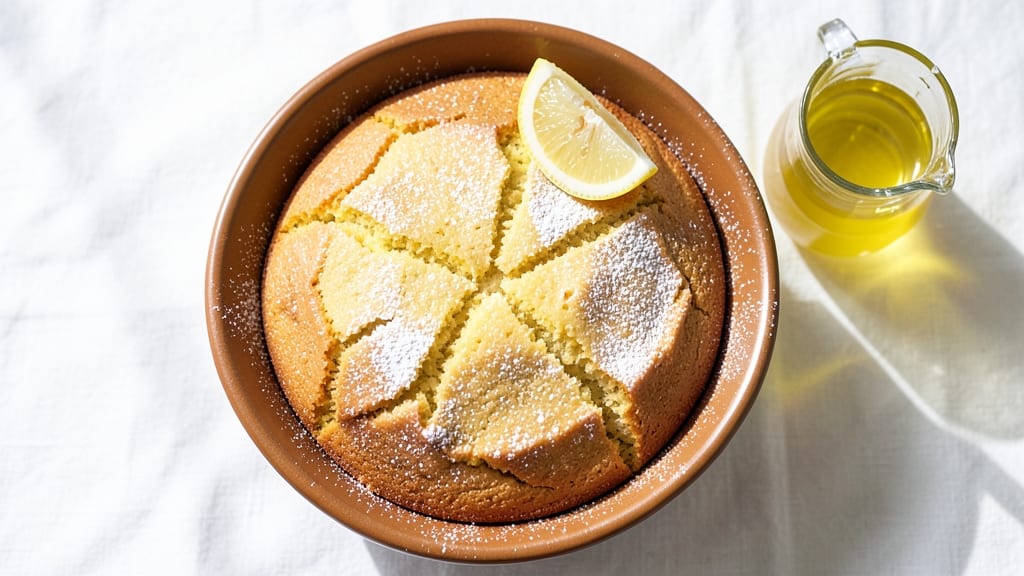
Transforming a Duncan Hines lemon pound cake box into a zesty, restaurant-worthy dessert is simpler than you think—no fancy techniques required.
This classic vanilla mix gets a bright citrus upgrade with just a few extra ingredients, delivering moist crumb and that signature lemon flavor without the hassle of baking from scratch. The secret lies in balancing the mix with butter, eggs, and a splash of lemon juice for maximum tang.
What makes this recipe stand out is how effortlessly it delivers professional-quality results in under an hour. The box mix handles the base structure, while the added ingredients elevate it to something special—think tender layers, golden edges, and a subtle lemon aroma that fills your kitchen.
No special tools or skills needed, just a standard mixing bowl and oven.
By the time it emerges from the oven, you’ll have a light, fluffy pound cake with a fragrant citrus note that pairs perfectly with tea or coffee.
The texture stays moist for days, making it ideal for slicing or even layering with a simple glaze. This is dessert baking made easy—no stress, just deliciousness.
For those who love customization, consider adding a lemon glaze or swapping in Greek yogurt for extra moisture. The possibilities are endless while keeping the process straightforward. Let’s get baking!
Ingredients for duncan hines lemon pound cake box
Just a few additions to that familiar box mix—lemon zest, extra butter, and fresh juice—turn it into something special.
| Ingredient | Amount | Notes |
|---|---|---|
| Duncan Hines Lemon Pound Cake Mix 🍋 | 1 box | Unopened, classic vanilla flavor |
| Unsalted Butter 🧈 | ½ cup | Softened, full-fat for richness |
| Large Eggs 🥚 | 2 whole | Room temperature, extra-large preferred |
| Fresh Lemon Juice 🍋 | ¼ cup | From 2-3 lemons, freshly squeezed |
| All-Purpose Flour 🌾 | ½ cup | For extra moisture and lift |
| Granulated Sugar 🍚 | ¼ cup | For enhanced sweetness |
| Whole Milk 🥛 | ½ cup | Full-fat for better texture |
| Vanilla Extract 🌸 | 1 tbsp | Pure, for deeper flavor |
| Baking Powder 🍞 | ½ tsp | Boosts rise if needed |
| Salt 🧂 | ¼ tsp | Kosher or sea salt |
| Zest of One Lemon 🍋 | 1 tbsp | Fine, for bright citrus aroma |
The box mix is your base, but the butter and eggs make all the difference. Use full-fat butter—it keeps the cake moist longer. I grab the Land O'Lakes or Kerrygold from the store, but any good brand works. Eggs should be room temperature so they blend smoothly. The lemon juice? Fresh is non-negotiable—bottled juice won’t give that bright, zesty punch. If you’re not a lemon-zester, a microplane works wonders. For the zest, just the outer layer—no pith, or it’ll get bitter. Whole Foods or local markets usually have the juiciest lemons, but grocery store ones work too if they smell fresh.
No fresh lemon juice? Lemonade concentrate works in a pinch—just dilute it with water to mimic the acidity. Short on butter? Greek yogurt at half the amount adds moisture and tang. The vanilla extract can be imitation, but pure vanilla extract (like Goya or Nielsen-Massey) makes a noticeable difference. The milk? Whole is best, but 2% works if that’s what you’ve got. And if you’re feeling fancy, swap the granulated sugar for turbinado or brown sugar—it adds depth to the flavor. The baking powder and salt are just insurance for a perfect rise and balanced flavor.
This cake keeps beautifully—3-4 days in an airtight container at room temp, or 5 days in the fridge. For longer storage, wrap tightly in plastic and freeze for up to 3 months. I like to slice it into thick layers and freeze them individually for quick desserts. The lemon flavor actually gets more pronounced the next day, so if you can wait, do it. And if you’re making a big batch, double the ingredients—it’s perfect for parties or gifts. Just let it cool completely before wrapping.
Why You'll Love This Recipe
- No Panic Needed: Honestly, this recipe is that unfussy. You’re just mixing a few pantry staples—like softened butter, room-temperature eggs, and a splash of fresh lemon juice—into the box mix, then letting the oven do the heavy lifting. No fancy techniques, no stressing over measurements. Even if you’re new to baking, the instructions are straightforward enough that you’ll get it right the first time.
- Bright Citrus Magic: The secret here? That 1 tablespoon of lemon zest and 0.25 cup of fresh lemon juice. It’s not just lemon-flavored—it’s properly lemon, with that bright, zesty punch that makes every bite sing. The vanilla from the box mix balances it perfectly, so it’s sweet but never cloying. Trust me, the difference between store-bought lemon cake and this homemade version? Chef’s kiss.
- Leftover Hero: Between us, this cake is that reliable standby. Slice it up for breakfast with a dollop of whipped cream, pack it for lunch with a side of fruit, or slice it into cubes for a no-fuss dessert. It keeps beautifully for 3-4 days at room temp—so you can make one big batch and enjoy it all week without waste. And if you’re feeling ahead-of-the-game, freeze it for up to 3 months. Zero guilt, zero stress.
- Budget-Friendly Luxury: You’d never guess this tastes like a bakery treat, but it’s basically just a box mix with a few extra ingredients—like a couple of eggs, some butter, and a lemon you probably already have. No specialty items, no expensive gadgets. For the effort of one pan and 50 minutes of oven time, you get a cake that’s so moist and flavorful, it feels like a splurge. That’s the kind of deal I live for.
Step-by-step instructions for Duncan Hines lemon pound cake box recipe
Here's how to transform that box mix into a moist, zesty lemon pound cake that tastes anything but basic.
Prep the Mix and Wet Ingredients
In a large mixing bowl, combine the 1 box Duncan Hines Lemon Pound Cake Mix with the 0.5 cup all-purpose flour, 0.5 tsp baking powder, and 0.25 tsp salt. Stir gently just until the dry ingredients are evenly distributed—don't overmix or you'll develop gluten that makes the cake tough.
In a separate bowl, whisk together the 0.5 cup softened unsalted butter, 2 whole large eggs, 0.25 cup fresh lemon juice, 0.5 cup whole milk, 1 tbsp vanilla extract, 0.25 cup granulated sugar, and the 1 tbsp zest of one lemon. This lemon zest is what gives your cake that bright, professional-quality citrus flavor. The mixture should be smooth but still slightly thick—this ensures a tender crumb.
Combine Wet and Dry Ingredients
Pour the wet ingredients into the dry ingredients and stir with a wooden spoon or rubber spatula until just combined. You're looking for a thick, smooth batter that clings to the spoon—this consistency guarantees that signature moist pound cake texture. The batter should be thick enough to hold its shape when dropped from a spoon, but not so stiff it resists mixing.
I like to scrape down the sides of the bowl a few times to make sure everything gets fully incorporated. The lemon juice and zest will make the batter smell intensely bright—this is a good sign! If the batter looks too thick, you can add 1-2 tablespoons of additional whole milk to loosen it slightly, but don't overdo it or your cake might sink in the middle.
Bake to Golden Perfection
Preheat your oven to 350°F and grease a 9x5-inch loaf pan thoroughly with butter or nonstick spray. Line the bottom with parchment paper for easy removal. Pour the batter into the prepared pan and smooth the top with a spatula. The batter will be thick and may not fill the pan completely—that's normal for pound cake.
Bake for 50-60 minutes, or until a toothpick inserted in the center comes out clean. The top should be golden brown with a slightly domed shape—this is what gives pound cake its classic appearance. If your oven runs hot, start checking at the 45-minute mark. The cake is done when it springs back gently when pressed in the center, not when it's firm to the touch.
Cool and Serve
Remove the cake from the oven and let it cool in the pan for 10 minutes. This resting period helps the cake set slightly before you attempt to remove it. Then, run a thin knife around the edges to loosen it from the pan. Invert the cake onto a wire rack and let it cool completely before slicing—this prevents crumbling and gives you those clean, professional-looking slices.
The finished cake should have a tender, moist crumb with a bright lemon flavor that's balanced by the vanilla from the mix. Each slice should hold its shape nicely and have that signature dense yet tender texture that makes pound cake so special. Serve it warm with a dusting of powdered sugar or a dollop of whipped cream for the ultimate lemon pound cake experience.
Pro Tips For Making Duncan Hines Lemon Pound Cake Box
- Soften Butter Properly: I learned this the hard way—using butter straight from the fridge means your cake won’t mix smoothly, and those cold lumps fight you the whole time. Press that 0.5 cup between two sheets of parchment and let it sit at room temperature until it’s just soft enough to dent with your finger, not melt into a puddle. That’s the sweet spot for a tender crumb.
- Whisk Eggs First: Don’t just dump those 2 large eggs into the butter mix—they’ll sink like stones. Whisk them first in a separate bowl until the yolks and whites are fully blended, then pour them into the butter while whisking. This keeps the batter smoother and prevents lumps, especially when you’re adding that 0.25 cup of fresh lemon juice later.
- Check at 45 Minutes: Your oven lies. Even at 350°F, some ovens run hot, and your cake can go from perfect to dry in minutes. Start checking with a toothpick at 45 minutes—if it comes out clean, let it sit another 5 minutes. If it’s still wet, tent it with foil and keep baking. That golden dome? Worth the patience.
- Skip the Extra Milk: The batter’s supposed to be thick, and fighting it with extra whole milk is how you end up with a sinky center. If it looks stubborn, scrape the bowl and give it one good stir—it’ll come together. Trust the recipe’s balance of 0.5 cup butter and 2 eggs; they’re already designed to hold that shape.
Perfect pairings for this recipe
Classic Tea Pairings
This lemon pound cake pairs beautifully with Earl Grey tea, especially the Twinings version with bergamot notes that complement the citrus. The bergamot’s floral aroma enhances the cake’s bright lemon flavor without overpowering it.
I always reach for a loose-leaf blend for the best infusion—steep for 3-4 minutes in hot water for a smooth, aromatic cup. 🍵
Creamy Complements
A dollop of vanilla bean whipped cream (made with full-fat heavy cream) balances the cake’s tanginess perfectly. I use Nestlé vanilla extract for that classic taste. For a twist, try adding a pinch of lemon zest to the whipped cream—it ties the flavors together beautifully.
The contrast of cool cream against warm cake is pure indulgence.
Fruit-Based Serving Ideas
Fresh berries like raspberries or blueberries add a refreshing contrast to the cake’s richness. I love arranging them on top of slices or serving them alongside.
For a tangy option, thinly sliced navel oranges provide a bright, juicy complement. The acidity cuts through the cake’s sweetness, making each bite more balanced. 🍊
Dessert Wine Pairings
For a sweet wine option, Moscato d’Asti (Italian sparkling wine) is my go-to—its light bubbles and peachy notes enhance the cake’s citrusy depth. If you prefer still wine, a Sauternes (Dessert Bordeaux) with its honeyed apricot flavors creates a luxurious pairing.
Both wines highlight the cake’s bright lemon profile without competing.
Iced Coffee Twist
If you’re a coffee lover, try serving this cake with vanilla iced coffee made with Cold Brew To Go concentrate. The coffee’s bitterness grounds the cake’s sweetness, while the vanilla adds another layer of warmth.
I sweeten mine lightly with honey and add a splash of lemon juice to the coffee for extra brightness—it’s a match made in dessert heaven. ☕
Nutrition facts
Frequently asked questions
Why does this recipe call for extra butter and eggs?
The extra 0.5 cup of softened unsalted butter and 2 large eggs transform the box mix into a moist, tender cake. Butter adds richness while eggs provide structure—without them, the cake would be dry and crumbly. This classic pound cake technique ensures a dense yet light texture that holds up beautifully.
Can I use bottled lemon juice instead of fresh?
While bottled lemon juice works in a pinch, fresh is always better for that bright, authentic flavor. The acidity in fresh juice enhances the cake's tanginess more effectively. If you must use bottled, opt for pure lemon juice (not flavored) and add an extra 1/2 teaspoon of salt to balance the taste.
What if my batter is too thick and won't fit in the pan?
This is normal for pound cake! If the batter looks too thick, add 1-2 tablespoons of whole milk to loosen it slightly. Stir until just combined—don't overmix. The batter should hold its shape when dropped from a spoon but still be pourable enough to fill the pan. It'll rise beautifully in the oven!
Why does the cake need to cool completely before slicing?
Letting the cake cool completely (1 hour or more) prevents crumbling and ensures clean slices. Pound cake is dense, so rushing it can make the texture uneven. The 10-minute rest in the pan after baking helps it set slightly, but full cooling is key for professional-looking results.