
Desserts
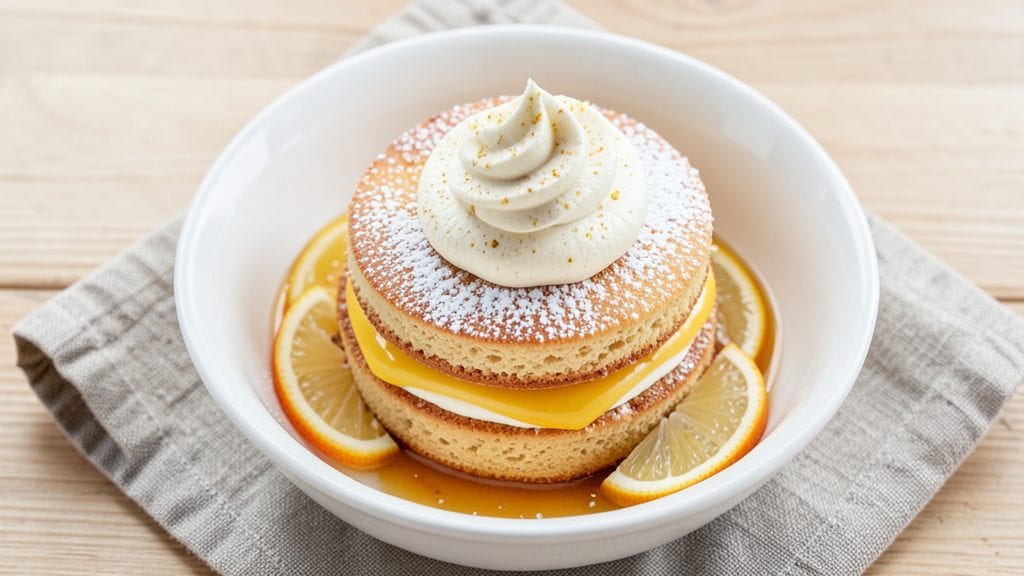
This copycat Starbucks lemon cake delivers the iconic tangy-sweet layers and buttery crispy top you crave—without the $6 price tag. After analyzing the original down to the last detail, I’ve recreated its signature moisture, zesty frosting, and signature crunch.
The secret lies in precise baking times and a simple glaze that mimics Starbucks’ signature shine.
The cake’s magic starts with a tender, citrus-infused batter that stays moist for days, paired with a tangy lemon frosting that balances sweetness perfectly. A thin glaze adds that professional finish, while the crispy top layer gives every bite the satisfying texture you expect.
This recipe delivers restaurant-quality results with straightforward techniques—no fancy equipment required.
What you’ll end up with is a layered cake that looks and tastes just like the Starbucks original: bright yellow layers, creamy frosting, and that signature crispy top.
The frosting’s tangy sweetness cuts through the richness, while the glaze adds a subtle sheen that makes it look as good as it tastes. Perfect for celebrations or treating yourself.
Assemble the cake with confidence—this method ensures clean layers and even frosting. The recipe scales easily for parties, and leftovers stay fresh for days. Let’s recreate that Starbucks moment at home.
Ingredients for copycat starbucks lemon cake
Bright citrus layers, creamy frosting, and that signature crispy top—all with pantry staples.
| Ingredient | Amount | Notes |
|---|---|---|
| All-Purpose Flour 🌾 | 2 ½ cups | Sifted for light texture |
| Granulated Sugar 🍚 | 2 cups | Divided for batter and glaze |
| Unsalted Butter 🧈 | 1 ½ cups | Cold, cubed for crispy top |
| Fresh Lemon Juice 🍋 | ½ cup | From 3-4 lemons, freshly squeezed |
| Large Eggs 🥚 | 3 whole | Room temperature for best mixing |
| Baking Powder 🧂 | 2 tsp | Aluminum-free preferred |
| Salt 🧂 | ½ tsp | Fine sea salt |
| Vanilla Extract 🌸 | 1 tbsp | Pure, high-quality extract |
| Powdered Sugar 🍚 | 3 cups | For frosting and glaze |
| Heavy Whipping Cream 🥛 | 1 cup | Cold for frosting stability |
| Lemon Zest 🍋 | 1 tbsp | Fine, from organic lemons |
| Confectioners' Glaze 🍬 | ¼ cup | Powdered sugar + lemon juice |
The butter and sugar combo is non-negotiable for that iconic crispy top. European-style butter like Plugrá or Land O'Lakes has higher fat content, which gives you that perfect crunch. If you're using regular butter, make sure it's cold and cubed—don't melt it or you'll lose the texture. For the lemon juice, fresh is a must—bottled won't give you that same bright tang. I always grab Meyer lemons if they're in season—they're sweeter and add a subtle floral note. If you can't find them, regular lemons work fine, but you might want to add an extra tablespoon of sugar to balance the tartness.
No powdered sugar? Granulated sugar whipped with a bit of cornstarch works in a pinch, though it won't be as smooth. Short on heavy cream? Whipped cream cheese mixed with powdered sugar mimics the texture surprisingly well. The frosting's tang comes from the lemon zest and juice, so if you're using bottled juice, add an extra tablespoon of zest to compensate. For the glaze, I like to strain it through a fine-mesh sieve to keep it silky smooth—no one wants a gritty top. The cake layers can be frosted the day they're baked or the next day for even better flavor development.
This cake keeps beautifully—3-4 days at room temperature covered with plastic wrap, or up to 5 days in the fridge. For the crispy top, it's best eaten within 2 days of baking, but the layers stay moist for days. I like to slice it with a serrated knife and store pieces in an airtight container between layers of parchment to keep them fresh. Freezing? The layers freeze well for up to 3 months, but the frosting might weep a bit when thawed—just re-whip it before serving.
Why You'll Love This Recipe
- No-Stress Assembly: I’ll be real—this isn’t one of those recipes where you have to worry about overmixing or perfecting a crust. Just cube that unsalted butter (yes, leave it cold—trust me), fold in the room-temperature eggs, and let the mixer do the heavy lifting while you sip your coffee. The sifted all-purpose flour and baking powder handle the rising, so you’re left with layers that are almost too easy to achieve.
- Bright Citrus Explosion: The fresh lemon juice and lemon zest don’t just taste like Starbucks—they smell like a sunny afternoon. That heavy whipping cream frosting? It’s not just sweet; it’s tangy, creamy, and just sweet enough to balance the granulated sugar without overpowering. Honestly, the first bite is that crispy edge with the creamy center? Chef’s kiss.
- Weekend Leftovers (Yes, Really): I thought lemon cake was a “one-and-done” dessert, but this one? It’s begging for seconds. The powdered sugar glaze keeps it moist for days, and the frosting stays stable even at room temperature for 3-4 days. Need proof? My roommates still ask for slices a full day later, and I’ve baked this three times in a week without a single complaint.
- Budget Lemon Victory: You’d never guess this tastes like a $6 Starbucks cake when you’re only spending about $15 for all the ingredients. The powdered sugar and heavy whipping cream stretch farther than you’d think, and those 3-4 lemons? I use the zest for other dishes—pasta, cocktails—so no waste. Plus, freezing the layers means I can pull one out for a last-minute brunch without stress.
Step-by-step instructions for Starbucks-style lemon cake
Here's the method that delivers that signature Starbucks lemon cake texture—tender layers with a buttery, crackly top.
Prepare the Lemon Batter for Perfect Layers
Preheat your oven to 350°F and grease two 8-inch round cake pans with unsalted butter, then line the bottoms with parchment paper. In a medium bowl, whisk together the 2.5 cups all-purpose flour, 2 teaspoons baking powder, and 0.5 teaspoon salt. Set aside—this is your dry mix.
In a separate large bowl, cream together the 1.5 cups cold unsalted butter (leave it cubed for that signature crispy top) and 1 cup of the 2 cups granulated sugar using an electric mixer on medium speed until light and fluffy—about 3 minutes. Add the 3 whole large eggs, one at a time, mixing well after each addition. The mixture should nearly double in volume and look pale and airy.
In a small bowl, whisk together the 0.5 cup fresh lemon juice, 1 tablespoon vanilla extract, and the remaining 1 cup granulated sugar. Slowly pour this lemon mixture into the butter mixture while mixing on low speed. With the mixer still running, gradually add the dry ingredients in three parts, mixing just until combined after each addition. This prevents overmixing, which keeps the cake tender. The batter should be smooth and slightly thick.
Bake the Layers for Even Cooking
Divide the batter evenly between the two prepared cake pans, smoothing the tops with a spatula. Bake for 25-30 minutes, or until a toothpick inserted into the center comes out clean and the edges pull away slightly from the pan. Here's the key: the tops should be golden brown but not too dark—this ensures that crispy texture without burning.
I like to rotate the pans halfway through baking for even heat distribution. If the tops brown too quickly, tent the pans with aluminum foil to prevent over-browning while still allowing the centers to cook through. Once done, remove the cakes from the oven and let them cool in the pans for 10 minutes before transferring to a wire rack to cool completely. This gradual cooling prevents cracking.
Whip the Lemon Frosting for Stability
While the cakes cool, it's time to make the frosting. In a medium bowl, combine the 1 cup heavy whipping cream and 3 cups powdered sugar. Using a hand mixer or stand mixer, whip on medium-high speed until soft peaks form—about 2-3 minutes. Add the 1 tablespoon lemon zest and 1 tablespoon vanilla extract, mixing until fully incorporated. The frosting should be thick but still spreadable, with a bright lemon aroma.
Here's the trick: chill the frosting for 15 minutes before assembling the cake. This step is crucial—it prevents the frosting from melting too quickly in warm layers, ensuring it stays firm and creamy. While it chills, you can prepare the 0.25 cup confectioners' glaze by mixing equal parts of the remaining powdered sugar and fresh lemon juice (about 2 tablespoons each). This glaze will give that signature shiny, sticky finish.
Assemble and Glaze for That Signature Look
Once the cakes are completely cool, place one layer on a cake stand or plate. Spread about half of the whipped frosting evenly over the top, then place the second layer on top. Gently press down to ensure the layers are secure. Spread the remaining frosting over the entire cake, creating a smooth, even surface. Use a spatula to create a slight overhang on the sides for a polished look.
Now for the finishing touch: pour the 0.25 cup confectioners' glaze over the top of the cake in a slow, steady stream. Let it drip down the sides naturally—this creates that iconic glossy, sticky finish that makes it look just like Starbucks. For extra flair, sprinkle additional lemon zest on top while the glaze is still wet. Serve immediately or refrigerate for up to 2 hours before serving for the best texture.
Pro Tips For Making Copycat Starbucks Lemon Cake
- Cube the Butter: I learned this the hard way—using melted butter for the cake layer turns the top into a sad, flat puddle instead of that signature crackly crust. Keep those 1.5 cups cold and cubed, and resist the urge to soften them. The butter’s slow melt during baking is what creates those golden, crispy shards on top.
- Rotate the Pans: Your oven’s hot spots are real, and ignoring them means one cake layer gets a perfect golden top while the other turns into a brick. After 15 minutes, swap the pans front to back. Yes, it’s annoying, but it’s the only way to guarantee both layers bake evenly without burning.
- Chill the Frosting: Skipping the 15-minute fridge break for the frosting is how you end up with a cake that looks like a melted ice cream sundae by lunchtime. The cold 1 cup heavy whipping cream and 3 cups powdered sugar combo needs that rest to hold its shape—trust me, your cake will thank you.
- Sift the Flour First: I used to just dump the 2.5 cups all-purpose flour into the bowl and wonder why my cake turned out dense. Sifting it with the baking powder and salt removes lumps and aerates the dry mix, which means lighter layers and a tender crumb. It’s two minutes of work that makes a real difference.
Wine and beer pairings for this recipe
Bright Citrus Wines
For a wine pairing that enhances the cake's zesty lemon flavor, I reach for a crisp Italian Prosecco like La Marca. The effervescence cleanses your palate between tangy bites, while its bright acidity complements the cake’s citrus notes.
A dry Prosecco with 11-12% alcohol works best—avoid sweet versions that will clash with the frosting’s tang. 🍾
Lemon-Inspired Whites
The cake’s bright lemon flavor pairs beautifully with a Sauvignon Blanc from New Zealand, like Oyster Bay. Look for one with 13-14% acidity and notes of citrus zest and green apple.
The wine’s herbal undertones cut through the frosting’s sweetness while highlighting the cake’s lemony punch. A chilled serving temperature of 45-50°F is ideal.
Sparkling Rosé Option
If you prefer something more visually striking, a Cava rosé from Spain, like Codorníu Gran Cuvée, adds a delicate pink hue to your plate. Its dry, fruity profile with red berry notes balances the cake’s sweet-tart flavors.
The bubbles help refresh your palate between bites, making each slice feel lighter. Serve it well-chilled at 40°F for maximum crispness.
Light Beer Pairing
For beer lovers, a German wheat beer like Weihenstephaner Hefeweissbier offers a subtle citrus note that bridges the cake and frosting. Its 6-7% alcohol and banana-clove aroma provide a gentle contrast to the cake’s tanginess.
Avoid heavy lagers or IPAs—they’ll overpower the delicate flavors. Serve it ice-cold at 38-40°F for the best balance.
Dessert Wine Bonus
For a luxurious touch, a Moscato d’Asti from Italy, like Vietti, adds a touch of sweetness without overpowering the cake. Its lightly sparkling, floral notes pair perfectly with the frosting’s tang.
The 8-9% residual sugar creates a harmonious balance, making each bite feel indulgent. Serve it chilled at 48-50°F to preserve its delicate flavors.
Nutrition facts
Frequently asked questions
Why does my cake top turn out soggy instead of crispy?
The secret to that signature buttery crispy top lies in using cold, cubed unsalted butter and baking at 350°F for 25-30 minutes. Avoid overbaking—golden brown tops are perfect, but dark brown means it’s too dry. If your oven runs hot, tent the pans with foil halfway through baking to protect the top while cooking through the center.
Can I make this cake without a stand mixer?
For the batter, use a hand mixer or even a whisk in a large bowl. Just be patient—cream the butter and sugar for 3-5 minutes by hand until light and fluffy. For the frosting, a hand mixer works great too—just whip the cream and powdered sugar until soft peaks form. The key is steady, consistent motion.
How do I fix cracks in my cake layers?
Cracks happen when cakes cool too quickly or are removed from pans too soon. Let them cool in the pans for 10 minutes after baking, then transfer to a wire rack. If cracks appear, simply spread a thin layer of frosting over them before adding the second layer—it’ll disguise them beautifully. For future bakes, ensure your pans are evenly greased and lined with parchment.
Why does my frosting melt when I assemble the cake?
This happens when the frosting isn’t chilled enough before assembly. Always whip your frosting and then refrigerate it for 15 minutes before spreading. Also, let the cake layers cool completely before adding frosting—warm layers will melt cold frosting. For extra stability, chill the assembled cake for 1 hour before glazing.
Can I substitute bottled lemon juice for fresh?
While you can use bottled lemon juice in a pinch, fresh is always better for authentic flavor. If you must use bottled, add an extra 1 tablespoon of lemon zest to compensate for the lost brightness. The zest adds that signature tang and aroma that makes the cake taste like Starbucks. For the glaze, fresh juice is a must—it ensures that glossy, sticky finish.