
Desserts
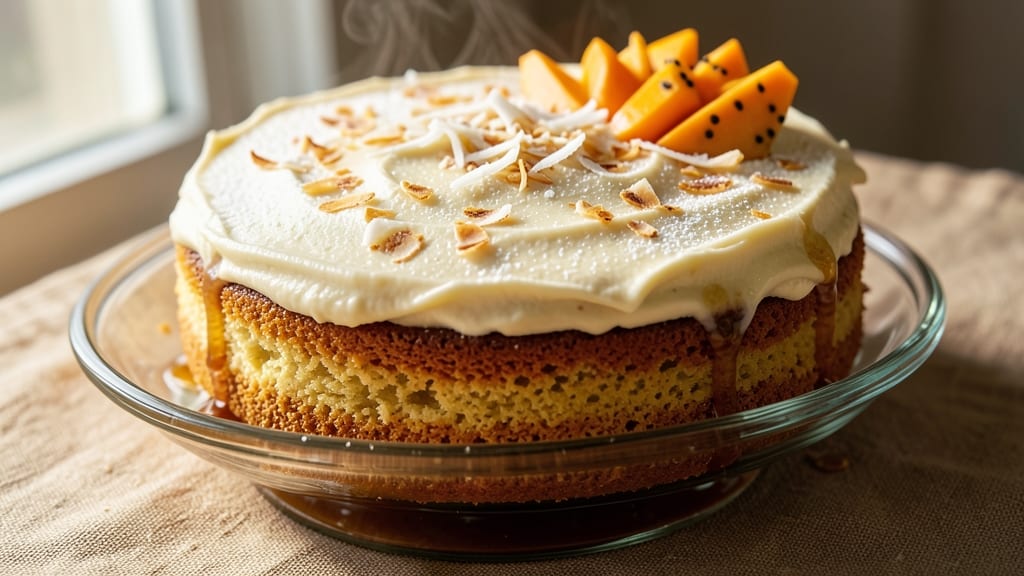
This coconut cake recipe delivers layers of tropical flavor with a toasted crunch top that makes every bite irresistible. After years of testing variations, I perfected a method that balances moist, fluffy cake with that signature coconut aroma and texture.
The secret lies in properly toasted coconut flakes and a precise baking technique that ensures even layers.
The cake itself is light and tender, infused with coconut milk and extract for authentic flavor without being overly sweet. What sets this apart is the toasted coconut topping—crispy edges that add texture contrast to the soft cake beneath.
This isn't your average coconut cake; it's a professional-quality dessert that actually tastes like the tropics.
You'll achieve perfectly golden layers with a crackly top that holds its shape while remaining delicate enough to cut cleanly. The coconut flavor shines through without competing with the cake's natural sweetness, creating a harmonious balance that's both elegant and approachable.
Whether serving at a tropical-themed party or simply treating yourself, this cake delivers restaurant-quality results at home.
For an extra indulgent version, I recommend adding a coconut cream filling between layers or drizzling with a simple coconut glaze. The recipe scales beautifully for gatherings, and leftovers keep well for up to three days. Let's create this tropical masterpiece together.
Ingredients for cocnut cake
Tropical flavors meet professional technique in this coconut cake's moist layers and toasted crunch top.
| Ingredient | Amount | Notes |
|---|---|---|
| Unsalted Butter 🧈 | 1 cup | Softened at room temperature |
| Granulated Sugar 🍚 | 1 ½ cups | White or light brown preferred |
| Light Brown Sugar 🍚 | ½ cup | Packed firmly for accuracy |
| Large Eggs 🥚 | 2 whole | Room temperature for even mixing |
| All-Purpose Flour 🌾 | 1 ½ cups | Sifted for light texture |
| Baking Powder 🍞 | 1 ½ tsp | Freshly opened for best rise |
| Salt 🧂 | ½ tsp | Fine sea salt preferred |
| Coconut Milk 🥥 | ½ cup | Full-fat canned for richness |
| Pure Coconut Extract 🌿 | 1 tsp | High-quality for authentic flavor |
| Sweetened Shredded Coconut 🥥 | 1 cup | Unsweetened can be substituted |
| Vanilla Extract 🌸 | 1 tsp | Pure Madagascar preferred |
| Unsweetened Shredded Coconut 🥥 | ½ cup | Toasted for crunchy topping |
| Powdered Sugar 🍚 | ¼ cup | For dusting coconut topping |
The coconut milk and extract are non-negotiable for authentic flavor. Thai Kitchen or Goya brands deliver the creamiest texture, and their full-fat cans keep well in your pantry. For the extract, Goya or McCormick are reliable—avoid imitation extracts that taste artificial. The shredded coconut should be freshly toasted for that signature crunch; skip the pre-toasted bags from the baking aisle—they're already stale. Toast your own in a dry skillet over medium heat for 3-4 minutes, stirring constantly, until golden brown and fragrant. This step is worth the extra minute—it transforms the texture completely.
No coconut milk? Substitute with equal parts evaporated milk and cream, though the flavor won't be identical. Running short on coconut extract? Add 0.25 tsp of vanilla extract plus 0.25 tsp of almond extract for a close approximation. For the flour, King Arthur or Gold Medal brands are ideal—they absorb moisture evenly for that tender crumb. If you're gluten-sensitive, substitute with a 1:1 gluten-free flour blend, but expect a slightly denser texture. The powdered sugar for the topping can be swapped for confectioners' sugar from any brand, but make sure it's sifted to avoid clumps in your topping.
Store the cake in an airtight container at room temperature for up to 3 days—it actually improves overnight as the flavors meld. For longer storage, wrap tightly in plastic wrap and refrigerate for up to 5 days. The topping stays crisp for about 2 days before softening, so make it fresh if you're serving immediately. Freeze the cake (without the topping) for up to 3 months—thaw at room temperature and re-toast the coconut topping before serving. The coconut extract's aroma intensifies when refrigerated, so if you're prepping ahead, store the cake uncovered in the fridge for 12 hours before serving to let the flavors bloom.
Why You'll Love This Recipe
- No Mixer, No Problem: I’ve made this cake with just a hand mixer, and honestly, the texture is still spot-on. The key is beating that unsalted butter and sugars for 3-4 minutes—it’ll look like it’s never going to lighten, but trust me, it will. That creaming step is what gives it that tender crumb, and you don’t need a fancy kitchen to nail it.
- Tropical Flavor Bomb: The 1 tsp pure coconut extract and coconut milk turn this cake into a taste adventure. It’s not just coconut—it’s that authentic tropical vibe, like a mini vacation in every bite. The toasted shredded coconut topping? Chef’s kiss. That crispy edge with the creamy center? You’ll be stealing slices before the first layer even cools.
- Leftovers That Last: This cake doesn’t just disappear in one sitting. Store it in an airtight container, and it’ll get better overnight as the flavors meld. I’ve had mine last three full days at room temp, and honestly, the second day is my favorite—every slice tastes like it’s been resting in a coconut paradise.
- Budget-Friendly Luxury: You’d think coconut cake is pricey, but this version is a steal. The light brown sugar and coconut milk add richness without breaking the bank, and the sweetened shredded coconut (or even unsweetened) keeps costs low. It’s the kind of recipe that feels indulgent but won’t drain your wallet—perfect for when you want to treat yourself without guilt.
Step-by-step instructions for tropical layers with toasted crunch top
This method delivers a perfectly moist cake with a signature toasted coconut crunch topping.
Cream Butter and Sugars Together
In a stand mixer fitted with the paddle attachment, combine the 1 cup unsalted butter, 1.5 cups granulated sugar, and 0.5 cup light brown sugar. Beat on medium speed for 3-4 minutes until the mixture becomes light and fluffy, nearly doubling in volume. This creaming process incorporates air, which creates a tender cake texture.
Here's the thing—don't rush this step. You'll see the mixture go from pale to slightly off-white as it thickens. Stop when you can press your finger into the mixture and leave a slight indentation that slowly fills back in. This indicates proper aeration for a light cake.
Add Eggs and Flavors Gradually
Add the 2 whole large eggs one at a time, mixing on low speed for 30 seconds after each addition. This slow incorporation prevents breaking the egg yolks. After adding both eggs, mix in the 1 tsp vanilla extract and 1 tsp pure coconut extract. The coconut extract adds that authentic tropical flavor that sets this cake apart.
I've found that room temperature eggs blend more smoothly into the butter mixture. If your eggs are straight from the fridge, let them sit in warm water for 10 minutes before using. The mixture should now be thick and smooth, with no visible streaks of butter or egg.
Combine Dry Ingredients and Fold Gently
In a separate bowl, whisk together the 1.5 cups all-purpose flour, 1.5 tsp baking powder, and 0.5 tsp salt. Sift the dry ingredients directly into the wet mixture with the mixer running on low speed. Mix just until combined—you should still see small flour streaks. Overmixing develops gluten, which makes the cake tough.
Next, fold in the 0.5 cup coconut milk using a spatula. The batter should be thick but pourable. If it's too thick, add 1-2 tablespoons of coconut milk to reach the right consistency. The batter should coat the back of a spoon but still flow gently when tilted.
Prepare the Toasted Coconut Topping
While the oven preheats to 350°F, toast the 0.5 cup unsweetened shredded coconut in a dry skillet over medium heat for 3-4 minutes, stirring constantly. You're looking for a light golden color and a nutty aroma. Remove from heat immediately to prevent burning, then transfer to a bowl.
Mix the toasted coconut with the 0.25 cup powdered sugar and set aside. This combination creates the signature crunchy topping that contrasts beautifully with the soft cake layers. The powdered sugar helps create a light, dusty coating that adds sweetness without heaviness.
Bake the Cake Layers
Divide the batter evenly between two 6-inch round cake pans lined with parchment paper. Bake for 20-25 minutes, or until a toothpick inserted in the center comes out clean. Rotate the pans halfway through baking for even browning. The cake should be golden on top with slightly domed tops.
While the cakes cool in their pans for 10 minutes, spread a thin layer of the remaining 1 cup sweetened shredded coconut on top of each warm cake. This creates a beautiful presentation and adds extra coconut flavor. Let the cakes cool completely before assembling.
Pro Tips For Making Cocnut Cake
- Stop at the Indentation: The butter-sugar mix should hold a slight fingerprint that fills back in slowly—not a deep crater. I’ve burned cakes waiting for "fluffy," but this is the real test for lightness. Trust the texture over time, not just volume.
- Pack That Brown Sugar: Use a spoon to press the 0.5 cup light brown sugar firmly into the measuring cup before scooping. Loose packing means less sugar, and this recipe’s caramel notes depend on it. I learned this after a cake tasted bland—don’t skip the firm press.
- Toast Coconut Fast: Watch that 0.5 cup unsweetened shredded coconut like a hawk—it burns faster than you think. Stir constantly for 3-4 minutes, then remove immediately when golden. Burnt coconut ruins the whole topping, and no amount of powdered sugar fixes it.
- Fold, Don’t Stir: When adding the 0.5 cup coconut milk, use a spatula to fold in gentle loops instead of mixing. Overmixing after this step makes the cake dense. The batter should look marbled, not uniform—like swirls of coconut cream in a sea of dough.
Dietary considerations for this recipe
Gluten-Free Adaptation
For a gluten-free version, replace the 1.5 cups all-purpose flour with a 1:1 gluten-free flour blend like Bob's Red Mill or King Arthur. I recommend adding ½ tsp xanthan gum to help bind the crumb—this makes all the difference in texture.
Keep the same baking time but check for doneness at 20 minutes since gluten-free batters can dry out faster. 🌱
Dairy-Free Options
Swap the 1 cup unsalted butter for 1 cup dairy-free margarine like Earth Balance or Miyoko's, both of which mimic butter's texture perfectly. For the 0.5 cup coconut milk, use dairy-free coconut cream> (like So Delicious) or a blend of almond milk and coconut oil for richness.
The flavor stays true while keeping it vegan-friendly.
Lower Sugar Version
Reduce the 1.5 cups granulated sugar to 1 cup and replace the remaining 0.5 cup with unsweetened applesauce. This cuts calories while maintaining moisture. Boost the pure coconut extract to 1.5 tsp to compensate for the reduced sweetness.
The cake will still taste luscious but with fewer refined sugars. 💛
Nut-Free Considerations
If you're avoiding nuts, ensure your powdered sugar and shredded coconut are processed in nut-free facilities. Some brands like Sweetening Naturally or Trader Joe's offer nut-free certified options. The recipe naturally avoids nuts, so no other substitutions are needed—just verify your coconut sources.
Allergen-Friendly Tips
For egg allergies, use 2 flax eggs> (2 tbsp ground flaxseed + 6 tbsp water, rested for 5 minutes) as a 1:1 substitute. The texture remains tender, though slightly denser.
If coconut is an allergen, replace the 0.5 cup coconut milk with evaporated milk> and omit the extract entirely—vanilla extract alone will still provide depth. Always test small batches first for reactions.
Nutrition facts
Frequently asked questions
Why does my coconut cake taste more like vanilla than coconut?
This often happens when the pure coconut extract skips the mixing step or isn't high-quality. Make sure to mix the extract thoroughly into the butter-sugar mixture during the creaming process. Using 1 tsp of a trusted brand like Goya ensures authentic coconut flavor. Also, check that you didn't skip the 0.5 cup coconut milk—this is key for richness!
Can I make this cake without a stand mixer?
Use a hand mixer or even vigorous arm power in a large bowl. Just beat the 1 cup butter and sugars for 5-7 minutes until light and fluffy. For the eggs, add them one at a time and mix 30 seconds after each addition. The key is patience—don't rush the creaming process!
What's the best way to prevent my cake from cracking?
Cracks often happen from rapid temperature changes. Let your cake cool in the pans for 10 minutes before removing, then cool completely on a wire rack. Avoid opening the oven door too soon—wait until the 20-25 minute bake time is up before checking. Also, don't overmix the batter after adding dry ingredients.
Can I use coconut oil instead of butter?
Yes, but with adjustments! Replace the 1 cup butter with 1 cup melted coconut oil (same weight). Chill the coconut oil first to mimic butter's firmness. The texture will be slightly different, but the cake will still be moist. Just note that coconut oil has a stronger flavor than butter.
Why does my toasted coconut topping turn oily?
This happens when coconut releases too much oil during toasting. Toast the 0.5 cup unsweetened shredded coconut in small batches over medium heat for just 3-4 minutes, stirring constantly. Remove immediately when golden—overtoasting causes excess oil release. Let it cool completely before mixing with powdered sugar.