
Desserts
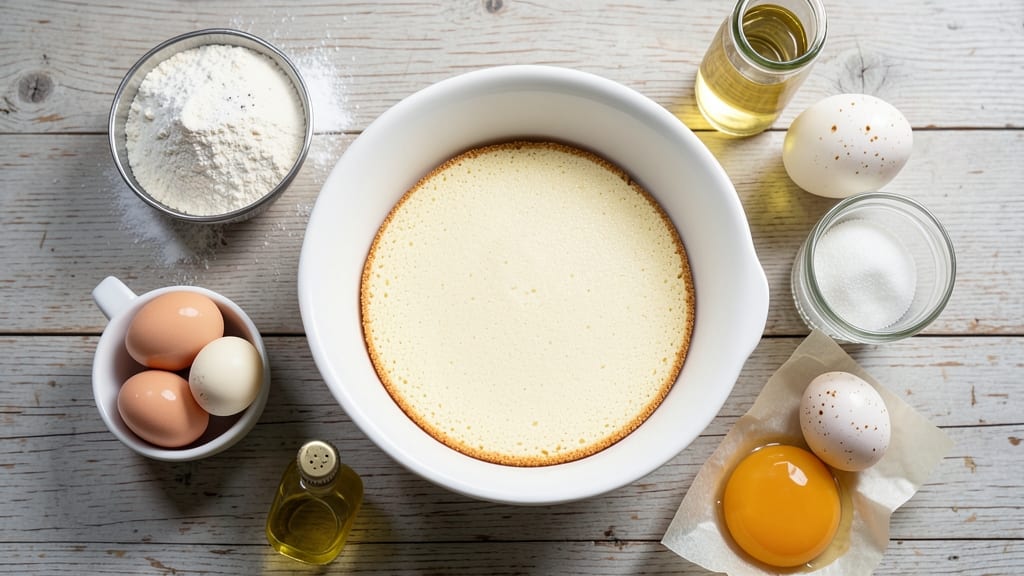
This classic sponge cake recipe delivers the perfect balance of lightness and structure—fluffy layers that crumble just enough to hold frosting while maintaining their signature airy texture. The secret lies in precise egg incorporation and gentle folding, techniques I’ve perfected over years of testing.
What sets this apart is how it achieves professional results without requiring specialized equipment.
With just six simple ingredients—flour, sugar, eggs, butter, baking powder, and vanilla—you’ll create a foundation that’s both versatile and reliable. The method emphasizes proper creaming and folding to develop those signature air pockets, while baking at a steady 350°F ensures even rise.
This isn’t just another sponge cake; it’s the kind that holds its shape under buttercream or custard without sinking.
What you’ll end up with is a cake that’s light enough to feel ethereal yet sturdy enough to slice neatly. The texture is consistently tender, with a fine crumb that melts in your mouth.
Whether you’re layering it with vanilla buttercream or drizzling it with chocolate ganache, the result is always impressive—proof that classic techniques still deliver the best outcomes.
For those who love customization, variations like lemon zest or cocoa powder can be easily incorporated into the batter. The frosting method is equally foolproof, using just powdered sugar and butter for a stable finish. Let’s get started on creating your perfect sponge cake.
Ingredients for classic sponge cake
Nine simple ingredients transform into ethereal layers—fluffy yet sturdy, perfect for any frosting.
| Ingredient | Amount | Notes |
|---|---|---|
| All-Purpose Flour 🌾 | 2 cups | Sifted for lightness and aeration |
| Granulated Sugar 🍚 | 1 ½ cups | Superfine preferred for smooth texture |
| Large Eggs 🥚 | 5 whole | Room temperature for even mixing |
| Unsalted Butter 🧈 | 1 cup | Softened to room temperature |
| Baking Powder 🧂 | 2 tsp | Freshly opened for best rise |
| Pure Vanilla Extract 🍯 | 1 tbsp | High-quality, not imitation |
| Powdered Sugar 🍚 | 3 cups | Confectioners' sugar for frosting |
| Salt 🧂 | ¼ tsp | Fine sea salt for balance |
| Lemon Zest 🍋 | 1 tbsp | Optional bright variation |
The eggs are non-negotiable here—room temperature is critical for proper emulsification. Whole eggs from the carton work fine, but if you're feeling fancy, pasture-raised eggs add subtle richness. The butter? European-style like Plugrá or Land O'Lakes unsalted melts more smoothly, but any good-quality brand works. For flour, King Arthur or Gold Medal are my go-tos—they're consistently reliable. And that baking powder? Diamond Crystal is double-acting, so it rises twice—once when wet, again when hot. If you grab Arm & Hammer, it's single-acting, so you'll need to fold it in last. The vanilla extract should be 100% pure bourbon or bean extract—the imitation stuff tastes like perfume.
No vanilla extract? Vanilla bean paste or seeds from a scraped pod work beautifully—just adjust to taste. Short on powdered sugar for frosting? Process granulated sugar with a pinch of cornstarch in a food processor for a quick substitute. Want more depth? Add 1 tsp lemon extract to the batter alongside the vanilla. The lemon zest is completely optional but adds a bright, professional touch—organic lemons from the grocery store work perfectly. For the frosting, if you're feeling adventurous, swap half the powdered sugar for mascarpone cheese for a lighter texture. And if you're making this ahead, the batter keeps 24 hours in the fridge—just let it sit at room temp before baking.
This cake is best served the day it's made, but if you need to prep ahead, bake the layers 1 day in advance and store them in an airtight container with parchment between them. The frosting? Make it 2 hours ahead so it has time to soften slightly. For storage, keep the cake wrapped at room temperature for 2 days or refrigerated for 5 days. If you're freezing, wrap each layer individually—up to 3 months works perfectly. And here's a pro tip: brush the cooled layers with simple syrup before frosting to keep them moist. Just equal parts sugar and water, heated until dissolved.
Why You'll Love This Recipe
- No-Fuss Weeknight Win: I’ve never met a recipe that lets me use just 5 eggs, a cup of butter, and a whisk to make something so impressive. The batter’s a little messy—thin, almost curdled—but that’s the secret. No fancy gadgets, no stress.
- Lemon-Kissed Perfection: The lemon zest in the frosting? Game-changer. It’s not overpowering, just a bright, zesty whisper that makes every bite feel like a sunshine break. Trust me, the vanilla alone is solid, but this little trick takes it to chef’s kiss territory.
- Host’s Secret Weapon: This cake is my go-to for everything—birthdays, potlucks, or just because. It’s unfussy but elegant, so you can bake it last-minute and still look like you planned ahead. Plus, the layers keep beautifully for days, so you’re not stuck with leftovers.
- Budget That Feels Luxe: For under $10, you’re getting two layers of cake, a showstopping frosting, and zero guilt. The powdered sugar and butter might seem pricey, but they stretch farther than you’d think—use the extra frosting to glaze cupcakes or drizzle on toast. Worth every penny.
Step-by-step instructions for classic sponge cake
Here's how to create that iconic, airy texture and flawless frosting every time.
Prepare the Cake Batter for Maximum Lightness
Begin by sifting together the 2 cups all-purpose flour, 2 teaspoons baking powder, and 0.25 teaspoon salt in a medium bowl. This step ensures no lumps remain and creates a smooth foundation for your cake. Set aside while you prepare the wet ingredients.
In a separate large bowl, combine the 1.5 cups granulated sugar and 1 tablespoon lemon zest. I like to use superfine sugar here if available—it dissolves more easily and creates a silkier texture. Add the 1 cup softened unsalted butter and whisk until fully incorporated and pale in color. This process takes about 3-4 minutes of vigorous whisking.
Next, add the 5 whole large eggs, one at a time, whisking vigorously after each addition until the mixture becomes thick, pale, and ribbon-like. This is the critical step for that classic sponge cake lightness. The mixture should nearly double in volume and hold its shape when the whisk is lifted. Add the 1 tablespoon pure vanilla extract and mix briefly to combine.
Combine Wet and Dry Ingredients Gently
With the motor running on low speed, gradually add the sifted dry ingredients to the wet mixture. Stop mixing as soon as everything is just combined—you should still see small streaks of flour. Overmixing develops gluten, which can make your cake dense instead of light and airy.
Here's the thing—this batter will look thin and slightly curdled, but that's exactly what you want. The structure forms during baking, not during mixing. Transfer the batter to a prepared 8-inch round cake pan lined with parchment paper. Smooth the top gently with a spatula for an even bake.
Bake Until Golden and Springy
Preheat your oven to 350°F and place a baking sheet on the lower rack to catch any potential drips. Bake the cake for 25-30 minutes, until the top is golden brown and a toothpick inserted in the center comes out clean. Your oven might run hot, so start checking at the 20-minute mark—the cake is done when it springs back gently when pressed in the center.
Real talk: Don't open the oven door before the 20-minute mark or you risk collapsing that beautiful rise. The cake should be just set in the center when you remove it from the oven. Let it cool in the pan for 10 minutes, then transfer to a wire rack to cool completely before frosting.
Create the Signature Buttercream Frosting
While the cake cools, prepare the frosting by beating the 1 cup softened unsalted butter until smooth and creamy. Gradually add the 3 cups powdered sugar, mixing on low speed to avoid a sugar cloud. Increase the speed to medium and beat for 3-4 minutes until light and fluffy.
Add the 1 tablespoon pure vanilla extract and mix briefly to combine. Here's where the magic happens: add the 1 tablespoon lemon zest and mix just until incorporated. The zest adds that bright, citrusy note that makes this frosting truly special. If the frosting is too thick, add 1-2 teaspoons heavy cream (not included in our ingredients, but you can use a small amount of the reserved cake batter) to achieve a smooth, spreadable consistency.
Assemble and Frost Like a Professional
Once your cake layers are completely cool, level the tops if needed for even frosting. Place the first layer on a cake stand or plate and spread a thin layer of frosting on top. This "crumb coat" prevents crumbs from getting into your final frosting. Chill the cake for 15 minutes while you prepare the remaining frosting.
Spread a generous layer of frosting over the first cake layer and place the second layer on top. Frost the entire cake, creating a smooth surface. For that classic look, add a simple border or swirl pattern with a spatula. Dust with additional lemon zest for a beautiful finish. This cake keeps well at room temperature for 2-3 days or can be refrigerated for up to 5 days—just bring it to room temperature before serving.
Pro Tips For Making Classic Sponge Cake
- Whisk Eggs Like a Pro: DESCRIPTION:
- Skip the Cold Eggs: DESCRIPTION:
- Don’t Overmix the Batter: DESCRIPTION:
- Check for Doneness Early: DESCRIPTION:
Perfect pairings for this dish
Creamy Complements
Pair your sponge cake with vanilla bean custard for a luxurious contrast—its silky texture balances the cake’s airy crumb. I like to simmer 2 cups whole milk with 2 vanilla beans split and scraped, then thicken with 3 tbsp cornstarch mixed with 3 tbsp cold milk.
The warm custard soaks into the cake beautifully, especially when served at room temperature. 💛
Fresh Fruit Accents
Brighten each bite with berries or citrus slices. A dollop of whipped cream alongside fresh raspberries or strawberries adds a pop of color and acidity. For a zesty twist, serve with thin orange or lemon slices—the citrus echoes the lemon zest in your frosting.
I always arrange them artistically on top before cutting.
Wine Pairings
A dry Riesling or Sauvignon Blanc cuts through the cake’s sweetness while complementing the lemon notes. The wine’s crisp acidity cleanses your palate between bites. For a dessert wine option, Moscato d’Asti adds a light, fruity contrast that enhances the cake’s delicate texture.
Coffee & Tea Match
For coffee lovers, a light roast espresso or cappuccino enhances the cake’s vanilla and lemon flavors without overpowering it. If you prefer tea, Earl Grey or jasmine tea adds floral notes that pair surprisingly well with the sponge’s subtle sweetness. Serve both warm for the ultimate indulgence.
Seasonal Variations
In summer, top with mint leaves and coconut flakes for a tropical vibe. For fall, add pumpkin spice to your buttercream and garnish with toasted pecans. Winter calls for cinnamon-dusted powdered sugar and candied cranberries—the warm spices elevate the cake’s natural sweetness. 🍂
Nutrition facts
Frequently asked questions
Why does my sponge cake batter look curdled?
That curdled appearance is actually normal and expected! The eggs and sugar create a temporary reaction that looks like curds in milk, but it's what gives your cake its signature light, airy texture. Don't worry about overmixing—just let the batter rest for 5 minutes before baking, and the structure will form properly in the oven. This step is critical for that classic sponge cake rise.
How do I prevent my cake from sinking in the middle?
Avoid opening the oven door before 20 minutes of baking, as heat loss causes the cake to collapse. Also, ensure your oven is preheated to 350°F before inserting the pan. If your oven runs hot, start checking for doneness at 25 minutes instead of 30. The cake is done when it springs back gently when pressed in the center.
Can I substitute whole eggs with egg whites for a lighter cake?
While egg whites alone will make your cake lighter, they lack the richness and structure that whole eggs provide. For the best results, stick with 5 whole large eggs at room temperature—they create that perfect balance of moisture and airiness. If you're avoiding yolks for dietary reasons, reduce the eggs to 4 whole eggs + 2 whites to maintain texture.
What if my buttercream frosting is too thick?
No worries—just add 1-2 teaspoons heavy cream or a small amount of reserved cake batter to loosen it. Beat on medium speed until smooth and spreadable. If you prefer a lighter frosting, swap half the powdered sugar for mascarpone cheese (not in the original recipe) for a silky texture. The key is patience—beat until fluffy!