
Desserts
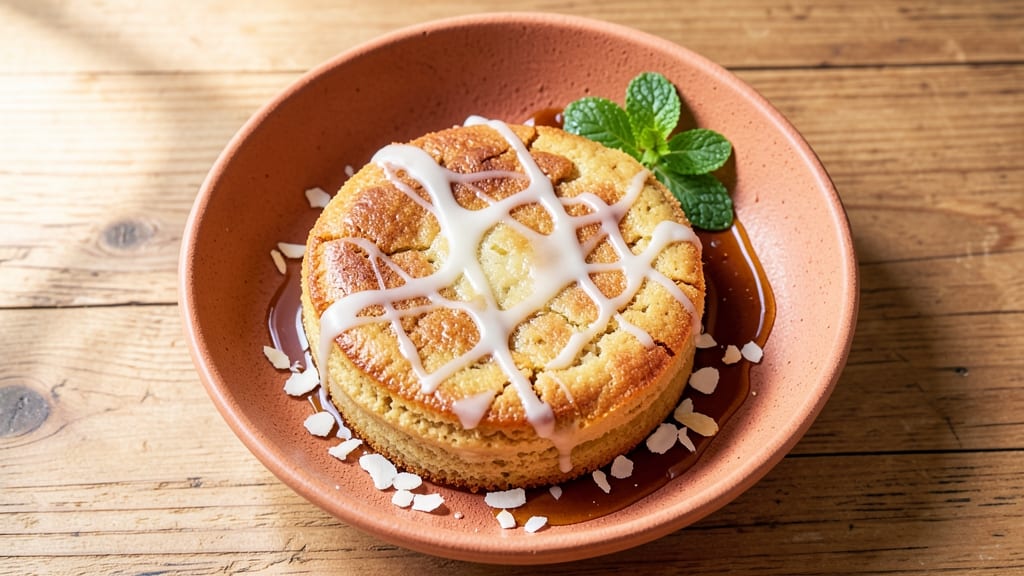
This cassava cake recipe delivers tropical moisture with a citrus zest zing that transforms ordinary desserts into something extraordinary. The secret lies in properly soaking the cassava to eliminate grittiness while preserving its natural moisture, creating a tender crumb that stays fresh for days.
I developed this recipe after years of experimenting with cassava-based desserts, and the citrus glaze adds a bright, refreshing contrast to the cake's subtle sweetness.
The beauty of this recipe is its versatility—it's naturally gluten-free and can be adapted to be vegan by using plant-based milk and egg substitutes. The cake's texture is incredibly moist thanks to a combination of coconut milk and yogurt, which adds richness without making it dense.
Baking at the right temperature ensures a perfectly golden top while keeping the interior tender and fluffy.
What you'll end up with is a cake that's impossibly moist, with a delicate citrus glaze that adds a tangy brightness to every bite. The cassava's natural sweetness pairs beautifully with the citrus, creating a dessert that's light yet satisfying.
This recipe is perfect for those who love tropical flavors or need a gluten-free option that doesn't compromise on taste.
Serve this cake at room temperature for the best texture, or enjoy it slightly warmed with a scoop of coconut ice cream. The citrus glaze also makes it ideal for gift-giving or special occasions where you want to impress with a unique dessert.
Let's get started on creating this tropical masterpiece!
Ingredients for casava cake
Tropical flavors meet tender crumb—just cassava, citrus, and a few pantry staples.
| Ingredient | Amount | Notes |
|---|---|---|
| Cassava (Yuca) 🥔 | 2 cups | Grated, soaked 1 hour |
| All-Purpose Flour 🌾 | 1 ½ cups | Gluten-free blend preferred |
| Granulated Sugar 🍚 | 1 ¼ cups | Light brown preferred |
| Unsalted Butter 🧈 | 1 cup | Room temperature, full-fat |
| Large Eggs 🥚 | 4 whole | Room temperature, organic |
| Coconut Milk 🥥 | 1 cup | Full-fat canned variety |
| Plain Yogurt 🍦 | ½ cup | Greek or dairy-free |
| Baking Powder 🧂 | 2 tsp | Aluminum-free preferred |
| Salt 🧂 | ½ tsp | Fine sea salt |
| Lemon Zest 🍋 | 1 tbsp | Freshly grated |
| Orange Zest 🍊 | 1 tbsp | Freshly grated |
| Powdered Sugar 🍚 | ½ cup | For glaze |
| Lemon Juice 🍋 | 2 tbsp | Freshly squeezed |
| Orange Juice 🍊 | 2 tbsp | Freshly squeezed |
The cassava is non-negotiable for that signature tropical moisture. Look for fresh, firm tubers at Latin markets or specialty stores—they hold up better than pre-peeled versions. Soak the grated cassava for at least 1 hour to remove excess starch, which prevents grittiness. Whole Foods or Trader Joe's usually carry pre-grated cassava, but grating it yourself ensures better texture. For the citrus zest, use organic lemons and oranges—their thicker skins yield more flavorful zest. Store-bought zest blends often contain preservatives that can dull the flavor.
No gluten-free flour blend? Almond flour or rice flour work in a pinch, but the texture will be slightly denser. Brown sugar can be swapped for white, but the molasses content adds subtle depth. For dairy-free versions, coconut yogurt replaces Greek yogurt perfectly. The coconut milk should be full-fat—light versions can make the cake dry. Fresh citrus zest is ideal, but if you're using bottled, strain it thoroughly to remove any bitter oils. Meyer lemons add a floral note if you want to experiment. For the glaze, powdered sugar is key—it dissolves smoothly for a glossy finish.
This cake keeps beautifully for 5 days wrapped in plastic at room temperature, or 2 weeks in the fridge. The glaze can be made ahead and stored separately. For gift-giving, slice and wrap individual portions in parchment paper—they stay fresh for 3 days unrefrigerated. Freeze unglazed layers for 3 months by wrapping tightly in foil. The citrus glaze can also be brushed on warm cake layers for extra shine right before serving.
Why You'll Love This Recipe
- No Soaking Stress: Honestly, the only prep work that feels like a chore is grating the cassava—and even that’s a cinch with a food processor. Soak it for an hour while you prep the rest, and you’ve got a gummy-free base that blends into the batter like magic. Trust me, the wait is worth it for that light, airy texture.
- Citrus-Kissed Magic: That combo of lemon and orange zest and juice? It’s the secret weapon here. The cake tastes like a sun-soaked vacation—bright, slightly tangy, and just sweet enough without being cloying. My kids swear it’s their favorite, and honestly, I don’t blame them.
- Feeds a Crowd (Without the Guilt): One 9x13-inch pan means you’re basically baking for a small army. Perfect for game days, potlucks, or when your family shows up unannounced. And because it keeps for five days at room temp, you can even meal prep slices for the week—no sad, dry cake leftovers here.
- Budget-Friendly Luxury: Full-fat coconut milk and organic eggs? Yes, but the cassava and flour stretch this recipe farther than a dollar-store cake mix. Plus, the glaze uses pantry staples—just powdered sugar and citrus. It’s the kind of treat that feels indulgent but won’t break the bank.
Step-by-step instructions for cassava cake
Here's the method for a perfectly moist cassava cake with vibrant citrus notes.
Prepare the Cassava Base
Begin by grating the 2 cups Cassava (Yuca) using a box grater or food processor. Transfer the grated cassava to a bowl and cover it with cold water. Let it soak for 1 hour—this removes excess starch and prevents a gummy texture. Drain thoroughly using a fine-mesh strainer, pressing gently to remove all moisture.
While the cassava drains, combine the 1.5 cups All-Purpose Flour, 2 tsp Baking Powder, and 0.5 tsp Salt in a separate bowl. Whisk gently to distribute the dry ingredients evenly. This ensures even rising and prevents dense pockets in the cake. Keep this mixture aside until ready to use.
Cream Butter and Sugar
In a large mixing bowl, beat the 1 cup Unsalted Butter and 1.25 cups Granulated Sugar together using an electric mixer on medium speed for 3-4 minutes. The mixture should become light and fluffy, nearly doubling in volume. This step incorporates air, which creates a tender crumb.
Add the 4 whole Large Eggs, one at a time, mixing well after each addition. Scrape down the sides of the bowl to ensure all ingredients are fully incorporated. Next, stir in the 1 cup Coconut Milk and 0.5 cup Plain Yogurt until smooth. The batter should be thick but pourable. Here's where the moisture starts building—don't rush this step.
Combine Wet and Dry Ingredients
Gradually add the drained cassava to the wet mixture, mixing on low speed until just combined. Avoid overmixing—you want to maintain a smooth texture without developing gluten. Add the dry ingredient mixture in three parts, alternating with the 2 tbsp Lemon Juice and 2 tbsp Orange Juice. Begin and end with the dry ingredients.
Fold in the 1 tbsp Lemon Zest and 1 tbsp Orange Zest using a spatula. These citrus elements add brightness and prevent the cake from tasting flat. The batter should be thick but still spreadable.
Bake to Golden Perfection
Preheat your oven to 350°F. Grease an 8-inch round cake pan or 9x13-inch baking dish with butter or nonstick spray, then dust lightly with 1.5 cups All-Purpose Flour. Pour the batter into the prepared pan and smooth the top with a spatula. Bake for 40-45 minutes, or until a toothpick inserted into the center comes out clean.
Here's the trick for moisture: once the cake has baked for 30 minutes, tent it loosely with aluminum foil. This prevents the top from drying out while allowing steam to escape. The cake is done when the edges pull away slightly from the pan and the top springs back when pressed gently.
Glaze and Serve
While the cake is still warm, prepare the glaze by whisking together the 0.5 cup Powdered Sugar, 2 tbsp Lemon Juice, and 2 tbsp Orange Juice in a small bowl. The glaze should be thick but pourable—add a splash more of either juice if needed. Pour the glaze evenly over the warm cake and let it sit for 10 minutes to set.
Slice the cake into 8 equal servings and serve immediately. The citrus glaze will keep the cake moist while adding a refreshing tang. For best results, serve at room temperature so the flavors meld together perfectly. This cake stays moist for 3-4 days when stored in an airtight container.
Pro Tips For Making Casava Cake
- Soak Cassava Properly: I learned this the hard way—skipping the 1-hour soak in cold water leaves your cake gummy. Press the drained cassava hard in the strainer, or you’ll end up with a sticky mess that fights back at every slice.
- Cream Butter Slowly: That 3-4 minute butter-sugar mix isn’t just busywork—it’s how you get air into the batter. If you rush it, your cake will turn out dense. Scrape the bowl after each egg or you’ll end up with raw egg bits hiding in there.
- Don’t Overmix Dry Ingredients: The second you start folding in the flour, stop mixing the moment it disappears. Overmixing develops gluten, and suddenly your tender cassava cake turns into a chewy brick. Fold just until combined—no more.
- Tent Early, Tent Often: After 30 minutes in the oven, that foil tent isn’t optional—it’s your moisture insurance. Without it, the top dries out while the middle stays wet, leaving you with a sad, cracked crust. Loose tent, not airtight.
Serving suggestions for this casava cake
Room Temperature Serving
This cake truly shines when served at room temperature, where the citrus glaze and cassava’s natural moisture meld perfectly. I always let it sit for 15-20 minutes after baking before slicing—this allows the layers to relax and prevents a crumbly texture.
The slight cooling also intensifies the citrus notes, making each bite brighter and more refreshing. 💛
Dessert Pairings
A scoop of coconut ice cream or mango sorbet complements the cake’s tropical flavors beautifully. For a richer pairing, try dark chocolate shavings or passionfruit curd drizzled over slices. The acidity cuts through the cake’s sweetness while balancing the citrus glaze.
Garnish Elevations
Sprinkle toasted coconut flakes or edible orange blossom petals over each serving for an instant tropical upgrade. Fresh mint leaves add a refreshing contrast, while a dusting of cinnamon enhances the citrus notes. I like using Penzeys Spices for consistent quality.
Occasion Adaptations
For brunch, serve with sweetened condensed milk for dipping or alongside a citrus-infused mimosa. At dinner parties, pair with grilled pineapple and prosciutto-wrapped melon for a full tropical spread. The cake’s versatility makes it perfect for any gathering.
Make-Ahead Tips
Prep the glaze a day ahead and store it in an airtight container in the fridge—it’ll keep for 3 days. For gift-giving, slice the cake into 6-inch rounds, wrap each in parchment, and tie with twine.
The citrus glaze stays fresh for 2 days unrefrigerated, making it ideal for last-minute presents.
Nutrition facts
Frequently asked questions
Why does the recipe call for soaking cassava?
Soaking the grated cassava for 1 hour removes excess starch, preventing a gummy or sandy texture. This step is essential for achieving that signature tender crumb—skipping it can make your cake dense or dry. The cold water also helps soften the cassava naturally for better moisture absorption.
Can I use almond flour instead of all-purpose flour?
Yes! While it won't be gluten-free, almond flour works but will make the cake slightly denser. For a gluten-free version, stick with a gluten-free all-purpose blend—it mimics the texture better. Just reduce the 1 cup coconut milk by 2 tablespoons if the batter seems too wet. The citrus zest will still brighten the flavor.
What if my cake springs out of the pan too early?
This happens when the cake isn't fully baked yet—check with a toothpick at 30 minutes instead of waiting until 40-45 minutes. If it's done earlier, tent it with foil immediately to prevent over-browning. For future bakes, ensure your oven is calibrated—some models run hotter than standard settings.
How do I store leftovers without drying them out?
Wrap the cake tightly in plastic wrap or foil at room temperature for up to 5 days. For longer storage, refrigerate for 2 weeks—just let it sit at room temp for 15 minutes before slicing. The glaze keeps well separately for 3 days in the fridge, so you can add it fresh when serving.