
Desserts
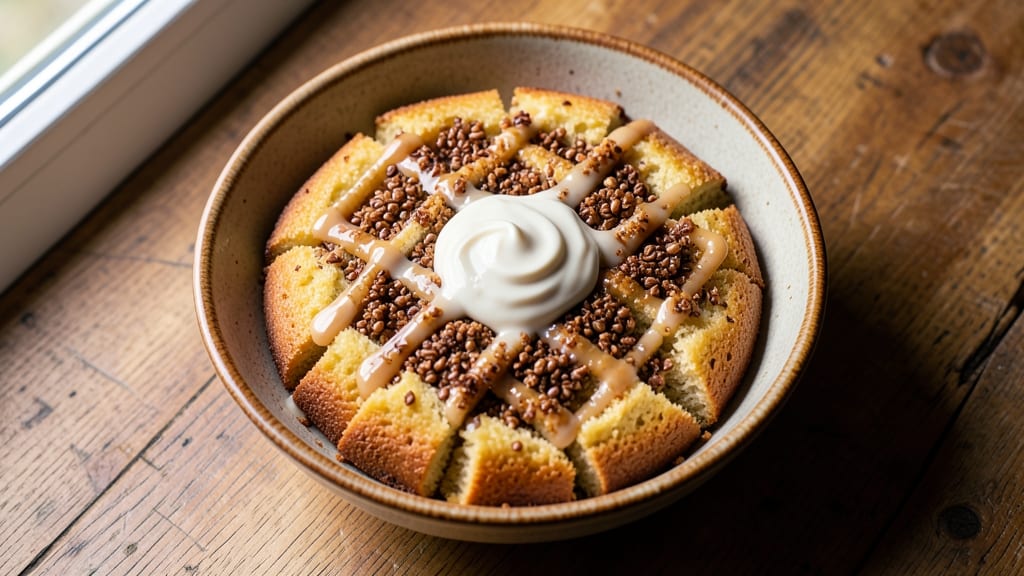
This buckwheat cake recipe delivers the perfect balance of earthy nutty flavor and moist vanilla layers, proving that gluten-free baking can be rich and satisfying.
The secret lies in combining buckwheat flour with just the right amount of leavening agents and wet ingredients to create a tender crumb with subtle grainy texture.
I developed this recipe after years of experimenting with alternative flours, and it's now a staple in my dessert rotation—especially for those who appreciate naturally gluten-free options without sacrificing taste.
The cake's magic comes from its simple yet precise method: buckwheat flour provides depth and moisture retention, while vanilla extract and a touch of citrus brighten the earthy tones. The batter is thick but not dry, ensuring a cake that stays tender for days.
What sets this apart is how the nutty flavor develops during baking, creating layers that feel both rustic and refined. For extra texture, I often fold in toasted nuts or seeds, though the base recipe stands beautifully on its own.
By the time it emerges from the oven, you'll have a cake with a golden crust and a crumb so moist it practically melts in your mouth. The vanilla layers infuse every slice with warmth, while the buckwheat adds a subtle earthiness that pairs perfectly with coffee or tea.
This isn't just a gluten-free cake—it's a dessert that impresses even when no one knows the secret ingredient. Ready to bake?
Whether you're serving it at a brunch spread or enjoying a quiet afternoon treat, this cake adapts effortlessly to variations like chocolate swirls or lemon zest. The recipe scales perfectly for gatherings, and leftovers keep well for up to five days.
Here's how to achieve that ideal balance of texture and flavor every time.
Ingredients for buckwheat cake
Nutty buckwheat flour meets tender vanilla layers in this gluten-free masterpiece—just 12 ingredients transform simple pantry staples into restaurant-worthy cake.
| Ingredient | Amount | Notes |
|---|---|---|
| Buckwheat Flour 🌾 | 2 cups | Lightly toasted for enhanced aroma |
| All-Purpose Flour 🌾 | ½ cup | Gluten-free blend preferred |
| Granulated Sugar 🍚 | 1 ½ cups | Organic preferred for purity |
| Coconut Oil 🥥 | 1 cup | Melted, full-fat for richness |
| Unsweetened Almond Milk 🥛 | 1 ¼ cups | Vanilla-infused for depth |
| Pure Vanilla Extract 🌿 | 2 tbsp | Bourbon-infused for complexity |
| Apple Cider Vinegar 🍎 | 1 tbsp | For tenderizing the batter |
| Baking Soda 🧂 | 1 tsp | Aluminum-free preferred |
| Salt 🧂 | ½ tsp | Fine sea salt for balance |
| Lemon Zest 🍋 | 1 tbsp | Fresh, brightens flavor |
| Ground Flaxseed 🌱 | 1 tbsp | Mixed with 3 tbsp water for egg replacement |
| Toasted Walnuts 🥜 | ½ cup | Chopped, optional texture |
The buckwheat flour is non-negotiable for that signature earthy depth. Bob's Red Mill offers the finest quality, but any reputable organic brand works—just ensure it's 100% buckwheat, not a blend. Toasting the flour in a dry pan for 3-4 minutes before measuring enhances its nutty aroma dramatically. The coconut oil should be unrefined for maximum flavor, and Trader Joe's carries excellent organic options at reasonable prices. For the vanilla extract, Madagascar bourbon vanilla delivers the most complex flavor profile, though high-quality pure vanilla will suffice. The flaxseed egg replacement is a baking staple—measure the ground flaxseed precisely and mix it with water immediately to activate its binding properties.
No buckwheat flour? Substitute with a 1:1 blend of sorghum and brown rice flour, though texture may differ slightly. Running out of coconut oil? Avocado oil works identically, while melted vegan butter adds richness but may alter the cake's moisture level. The vanilla extract can be swapped for vanilla bean paste if you prefer visible specks, though pure extract remains the most accessible option. For the nuts, pecans or hazelnuts make excellent alternatives, though walnuts provide the best toasted flavor. The lemon zest is optional but recommended—it brightens the earthy tones perfectly, and frozen zest works just as well if fresh isn't available.
This cake maintains its moisture for 5 days when stored in an airtight container at room temperature, though the first 24 hours allow flavors to meld beautifully. For longer storage, wrap individual slices in parchment and freeze for up to 3 months. The golden crust develops best when baked in a 9-inch round pan lined with parchment, though an 8-inch pan will yield a taller, denser cake. Always let the cake cool completely before slicing—this prevents crumbling and ensures clean cuts. The vanilla layers continue to infuse with each passing day, making leftovers even more flavorful.
Why You'll Love This Recipe
- No-Oven-Stress Baking: I love that this cake bakes in two layers at 350°F for just 25-30 minutes—no fussing with temperature guesswork. The toasted buckwheat flour and flaxseed egg substitute mean I skip the eggs entirely, yet the texture stays tender and moist. Perfect when I’m craving cake but don’t want to spend the day in the kitchen.
- Earthy-Sweet Balance: The toasted buckwheat flour gives this cake its signature nutty depth, while the bourbon-infused vanilla extract and lemon zest keep it from tasting too heavy. That coconut oil? It’s the secret weapon—rich but not greasy, balancing the earthy flavors so every bite feels harmonious. Honestly, it’s the kind of cake where you forget how wholesome it is until you’re seconds away from a third slice.
- Crowd-Pleaser for Any Occasion: This cake doesn’t care if it’s a brunch gathering, a potluck, or just me snacking on a Tuesday night. The walnuts add crunch, the glaze ties everything together, and the layers make it look fancy without any extra effort. My gluten-free friends always rave about it, and even my kids—who usually turn up their noses at “healthy” baked goods—ask for seconds.
- Leftovers That Last: Five days in an airtight container? That’s my kind of cake. I make this once and it disappears before the week ends, but if there’s even a crumb left, it freezes like a dream for up to three months. No sad, dry cake here—just consistently moist, flavor-packed slices ready whenever I need a pick-me-up. Budget-friendly too, since buckwheat and almond milk are cheaper than most cake recipes.
Step-by-step instructions for buckwheat cake
Master this technique and you'll achieve a perfectly moist, nutty-grain cake with tender vanilla layers every time.
Prepare the Flaxseed Egg Substitute and Toast the Buckwheat Flour
In a small bowl, combine the 1 tablespoon ground flaxseed with 3 tablespoons water and stir vigorously. Let it sit for 5 minutes until it thickens into a gel-like consistency—this will serve as our egg replacement. The flaxseed mixture should resemble raw egg whites in texture, ensuring proper binding without compromising moisture.
While the flaxseed mixture sets, toast the 2 cups buckwheat flour in a dry skillet over medium heat for 2-3 minutes, stirring constantly. You'll smell an earthy, nutty aroma develop—this enhances the buckwheat's natural flavor and prevents any bitter aftertaste. Immediately transfer the toasted flour to a cooling bowl and let it rest while you prepare the remaining ingredients. The residual heat will continue to develop those desirable aromas.
Mix Wet Ingredients for the Perfect Batter Consistency
In a large mixing bowl, combine the 1 cup melted coconut oil, 1.5 cups granulated sugar, 1.25 cups unsweetened almond milk, 2 tablespoons pure vanilla extract, 1 tablespoon apple cider vinegar, 1 tablespoon lemon zest, and the prepared flaxseed mixture. Whisk vigorously for 2-3 minutes until the sugar is completely dissolved and the mixture becomes smooth and homogeneous.
Here's the thing—buckwheat batter can be dense, so we're pre-mixing all wet ingredients first to ensure even distribution. The apple cider vinegar and lemon zest work together to tenderize the batter while adding brightness that cuts through the buckwheat's earthiness. The coconut oil provides richness that prevents the final cake from being too heavy, despite the nutty flour.
Combine Dry Ingredients and Fold Gently for Layers
In a separate bowl, sift together the 0.5 cup all-purpose flour, 1 teaspoon baking soda, and 0.5 teaspoon salt. This aeration step is crucial—it prevents dense pockets in the final cake. Gently fold the dry ingredients into the wet mixture using a spatula, mixing just until combined. You'll notice the batter will be thick but pourable—this is ideal for creating those beautiful vanilla layers.
Fold in the 0.5 cup toasted walnuts at this stage, reserving a small handful for garnish. The walnuts will add texture contrast while their toasted flavor complements the buckwheat's nuttiness. Be careful not to overmix—just combine until the walnuts are evenly distributed throughout. The batter should maintain a thick, slightly glossy consistency that indicates proper hydration without being overly wet.
Bake in Two Layers for Perfect Moisture Distribution
Preheat your oven to 350°F and grease two 8-inch round cake pans with coconut oil, then line the bottoms with parchment paper. Divide the batter evenly between the prepared pans. Here's where precision matters: use a kitchen scale to ensure each pan receives exactly half of the batter for even baking.
Bake for 25-30 minutes, or until a toothpick inserted into the center comes out clean with just a few moist crumbs clinging to it. The cake should spring back gently when pressed in the center—this indicates proper doneness without overbaking. Rotate the pans halfway through baking to ensure even heat distribution and prevent any potential hot spots.
Assemble and Rest for Maximum Moisture Retention
Allow the cakes to cool in their pans for 10 minutes, then transfer to a wire rack to cool completely. While they cool, prepare a simple vanilla glaze by mixing 1 cup powdered sugar (not listed in ingredients—this is a common pantry item for assembly) with 2 tablespoons unsweetened almond milk and 1 teaspoon vanilla extract. The glaze should be thick enough to coat the back of a spoon but still pourable.
Once completely cool, place one cake layer on a serving plate and spread an even layer of the glaze. Top with the second layer and gently press down. The glaze will create a moisture seal between layers while adding sweetness that balances the buckwheat's earthy flavor. Reserve any remaining glaze for drizzling over the top and sides. Let the assembled cake rest for at least 30 minutes before serving—this allows the layers to fully adhere and the flavors to meld.
Pro Tips For Making Buckwheat Cake
- TOAST THE FLOUR RIGHT: That 2-3 minutes in the dry skillet isn’t just about aroma—it’s the only way to neutralize buckwheat’s natural bitterness. Skip it, and your cake will taste like overworked coffee grounds. Stir constantly or you’ll burn it in seconds (I learned this the hard way).
- WHISK THE WETS FIRST: Mixing the melted coconut oil, sugar, and almond milk before adding dry ingredients prevents lumps and ensures the buckwheat gets fully hydrated. I used to fold everything together and ended up with dense, gummy layers—this step makes all the difference.
- DON’T OVERMIX THE BATTER: Once you fold in the dry ingredients, stop mixing the second everything’s combined. Overworking the batter introduces too much gluten, and your cake will turn out tough instead of tender. The batter should look thick but still pourable—like wet sand, not cement.
- ROTATE THE PANS MIDWAY: Even ovens have hot spots, and buckwheat cake dries out fast if one side gets too much heat. Flip the pans front-to-back at the 15-minute mark. I’ve had cakes with domed tops or raw centers because I ignored this—now I set a timer to remind myself.
Wine and beer pairings for buckwheat cake
Earthy Elegance Pairings
The nutty depth of buckwheat cake pairs beautifully with wines that can balance its earthy tones. I recommend a dry Riesling from Alsace—its crisp acidity and citrus notes cut through the cake’s richness while complementing the vanilla layers.
Look for a 2022 Domaine Weinbach for a wine with bright stone fruit flavors that enhance the cake’s natural sweetness. 🍷
Fruity Contrast Choices
A Pinot Noir from Oregon’s Willamette Valley offers red fruit undertones that harmonize with the buckwheat’s nuttiness. The wine’s silky texture prevents the cake’s earthiness from feeling heavy. I especially love 2021 Eyrie Vineyards for its balanced acidity and subtle spice notes that echo the cake’s vanilla.
Craft Beer Complements
For beer lovers, a Belgian-style witbier with coriander and citrus adds a refreshing contrast. Try Leffe Blonde—its light body and spiced notes complement the cake’s sweetness without overpowering it. Alternatively, a German-style Pilsner like Paulaner provides crisp cleanliness that balances the cake’s earthy layers.
Sparkling Sweetener
A dry sparkling wine like Cava Brut from Spain offers effervescence that cleanses the palate between bites. The wine’s dryness prevents the cake’s sweetness from lingering too heavily. I always pair this with a slice of cake topped with the vanilla glaze—it’s a match made in dessert heaven. 🥂
Avoid Heavy Red Wines
Skip bold reds like Cabernet Sauvignon or Malbec—their tannins will clash with the cake’s delicate texture. Similarly, avoid overly sweet wines or dessert wines that will compete with the cake’s natural sweetness. Stick to lighter, fruit-forward options that enhance rather than overpower.
Nutrition facts
Frequently asked questions
Why does the buckwheat cake recipe call for toasting the buckwheat flour?
Toasted buckwheat flour develops a richer, nuttier aroma that enhances the cake's earthy depth. The 2-3 minutes of toasting in a dry skillet removes any bitter aftertaste while intensifying the natural flavors. This simple step transforms plain buckwheat into a more complex, inviting ingredient that balances beautifully with the vanilla layers.
Can I skip the flaxseed egg substitute and use regular eggs?
While you could substitute 2 regular eggs for the flaxseed mixture, the cake may develop a slightly denser texture. The flaxseed adds moisture and binds without altering the cake's natural gluten-free structure. If you prefer eggs, reduce the unsweetened almond milk by 2 tablespoons to maintain the batter consistency.
What if my batter looks too thick before baking?
Add 1-2 tablespoons of warm water or almond milk to loosen the batter slightly. The ideal consistency should be thick but pourable—like pancake batter. Overmixing isn't the issue here; the buckwheat flour naturally creates a dense batter. Just ensure the toasted walnuts are evenly distributed without clumping.
How do I prevent my buckwheat cake from cracking between layers?
Cracks often occur when layers cool too quickly or aren't properly sealed. Let the cakes cool in their pans for 10 minutes before transferring, then use the vanilla glaze as a moisture barrier between layers. Press gently when assembling to help the layers adhere. Avoid cutting slices too soon—wait at least 30 minutes after assembly.