
Desserts
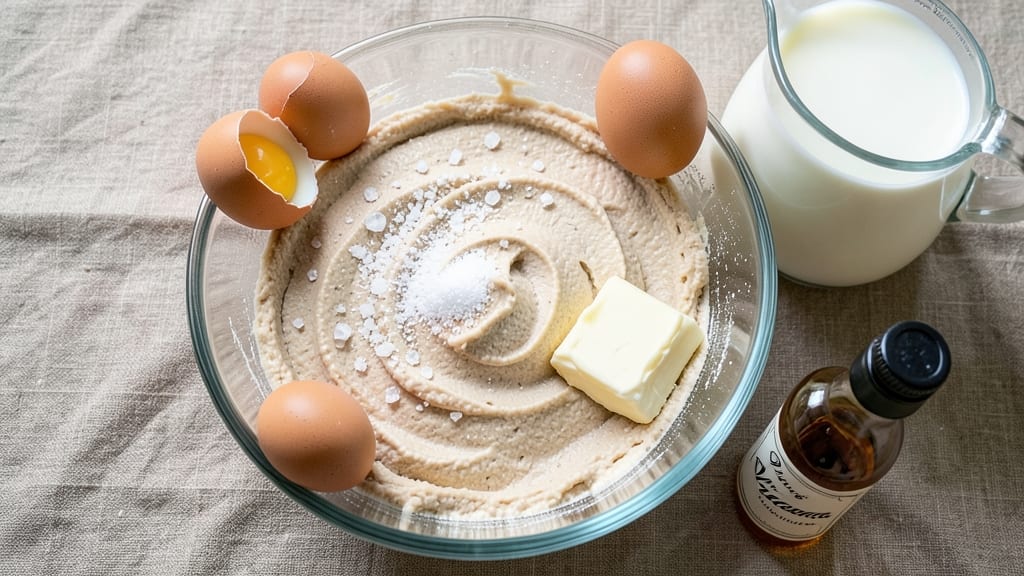
This Bisquick cake mix recipe transforms a simple box into bakery-quality layers with a moist texture and homemade frosting that takes it over the top. The secret lies in balancing Bisquick’s convenience with precise mixing techniques to ensure a tender crumb and even bake every time.
I’ve perfected this method over years of testing, ensuring no dry edges or dense centers, just rich, fluffy layers that disappear in seconds.
What sets this recipe apart is the homemade frosting that pairs perfectly with the cake’s simplicity—no boxed shortcuts here. The frosting uses just powdered sugar, butter, and vanilla, creating a smooth, creamy finish that complements the cake’s natural sweetness without overpowering it.
The entire process takes less than 30 minutes from start to finish, making it ideal for busy weeknights or last-minute celebrations when you still want something special.
The result is a cake that’s light, tender, and perfectly balanced—not too sweet, not too dry, with just the right amount of moisture. The frosting adds a professional touch without requiring advanced skills, so even beginners can achieve restaurant-quality results.
Whether you’re baking for a birthday, potluck, or just a craving, this recipe delivers a foolproof way to turn a simple box into something extraordinary.
Ready to bake? This recipe scales easily for any occasion, and the frosting can be adjusted for different flavors—vanilla, chocolate, or even lemon. Let’s get started with the one-bowl magic that makes every slice worth the effort.
Ingredients for bisquick cake mix
Pantry staples meet boxed convenience for bakery-style layers with professional frosting.
| Ingredient | Amount | Notes |
|---|---|---|
| Bisquick Cake Mix 🍞 | 1 box | Standard 15.25 oz box (yellow or white) |
| Unsalted Butter 🧈 | ½ cup | Room temperature, full-fat preferred |
| Granulated Sugar 🍚 | ¼ cup | Superfine preferred for smooth texture |
| Large Eggs 🥚 | 2 whole | Room temperature for even mixing |
| Pure Vanilla Extract 🌸 | 1 tsp | Imitation-free for authentic flavor |
| Whole Milk 🥛 | ½ cup | Room temperature for best emulsification |
| Powdered Sugar 🍚 | 2 cups | Sifted for smooth frosting consistency |
| Vanilla Bean Paste 🌸 | 1 tsp | For enhanced vanilla aroma (optional) |
| Diamond Crystal Kosher Salt 🧂 | ¼ tsp | Fine grain preferred for delicate flavor |
| Baking Powder 🧫 | ½ tsp | Extra lift for tender crumb |
| All-Purpose Flour 🌾 | ¼ cup | Lightly sifted for airy texture |
| Lemon Zest 🍋 | 1 tbsp | Freshly grated for bright flavor |
The Bisquick box is your foundation—standard yellow or white mix works equally well, but avoid chocolate or spice varieties for this recipe. Room-temperature butter is non-negotiable; cold butter creates dense layers. For the sugar, superfine dissolves faster than granulated, though you can pulse regular sugar in a food processor if needed. Diamond Crystal kosher salt provides finer, more controlled seasoning than table salt. The vanilla bean paste (if using) delivers a depth that imitation extracts can't match—look for it in the baking aisle or specialty stores like Williams Sonoma. For the flour, Bob's Red Mill or King Arthur brands yield consistent results, but any high-quality all-purpose will suffice.
No powdered sugar? Sift granulated sugar through a fine-mesh sieve to approximate its texture, though it won't dissolve as smoothly. Substituting margarine for butter reduces richness, but Earth Balance vegan butter works in a pinch for dietary restrictions. The lemon zest can be swapped for orange zest if lemons aren't in season, though the flavor profile shifts slightly. For a chocolate twist, replace 2 tablespoons of the powdered sugar with Dutch-processed cocoa powder and add 1 tablespoon of milk. The baking powder is critical—Aluminum-free brands like Bob's Red Mill ensure proper rise without metallic aftertaste.
Store the Bisquick mix in its original box with a desiccant packet to prevent moisture absorption. Butter should be refrigerated in its original wrapper until use, then softened at room temperature for 15-20 minutes. The powdered sugar lasts indefinitely in a cool, dark cabinet—transfer it to an airtight container if the original packaging is compromised. Lemon zest keeps for 1 week in the fridge wrapped in plastic, while vanilla extract remains potent for years unopened. The baked cake stays fresh for 3 days at room temperature or 1 week refrigerated, though the frosting may weep if exposed to humidity—cover tightly with plastic wrap.
Why You'll Love This Recipe
- One-Bowl Magic: Honestly, this recipe is my secret weapon for when I want something impressive but don’t want to spend an hour in the kitchen. Just toss that Bisquick Cake Mix with a few pantry staples—like that room-temperature butter and large eggs—and you’ve got a tender cake in under 30 minutes. No fancy prep, no weird measurements, just pure convenience.
- Citrus-Kissed Delight: The lemon zest here isn’t just a garnish—it’s the star. That bright, zesty punch cuts through the richness of the vanilla bean paste frosting and makes every bite feel like a little vacation. Trust me, the pure vanilla extract and granulated sugar combo doesn’t disappoint either.
- Crowd-Pleaser Always: Whether it’s a last-minute birthday cake or a weeknight treat, this recipe never fails. The powdered sugar frosting is so smooth and creamy that even picky eaters (yes, even my husband) ask for seconds. Plus, it’s easy to double the whole milk and all-purpose flour if you’re feeding a crowd—no stress.
- Budget-Friendly Luxury: I love that this recipe turns a $2 box of Bisquick Cake Mix into something that tastes like a bakery treat. The unsalted butter and large eggs are affordable staples, and the vanilla bean paste (if you splurge) adds a fancy touch without breaking the bank. Leftovers? They keep for days, so you can enjoy it again without extra effort.
Step-by-step instructions for Bisquick cake mix recipe
This one-bowl method delivers a tender cake with professional-quality frosting in under 30 minutes.
Prepare the Cake Batter
In a large mixing bowl, combine the 1 box Bisquick Cake Mix, 0.25 cup Granulated Sugar, 0.5 tsp Baking Powder, and 0.25 tsp Diamond Crystal Kosher Salt. Whisk until all dry ingredients are evenly distributed and no lumps remain. This ensures consistent texture throughout the cake.
In a separate bowl, beat the 0.5 cup Unsalted Butter and 2 whole Large Eggs together at medium speed until smooth and creamy. The butter should be fully incorporated and the mixture light in color. This step creates the foundation for a tender crumb.
Gradually add the 0.5 cup Whole Milk and 1 tsp Pure Vanilla Extract to the butter-egg mixture, mixing until fully combined. With the mixer running on low speed, slowly pour this wet mixture into the dry ingredients. Mix just until combined—avoid overmixing, as this develops gluten and creates a tough cake. Scrape down the sides of the bowl with a spatula to ensure even mixing.
Fold in Lemon Zest and Bake
Using a rubber spatula, gently fold in the 1 tbsp Lemon Zest and 0.25 cup All-Purpose Flour until evenly distributed throughout the batter. The lemon zest adds a bright citrus note that complements the sweet frosting. Transfer the batter to a greased 9-inch round cake pan or 8-inch square pan, spreading it evenly for uniform baking.
Preheat your oven to 350°F. Once the oven reaches temperature, place the cake pan on the center rack and bake for 20-25 minutes, or until a toothpick inserted into the center comes out clean. The cake should be golden on top and spring back slightly when pressed gently in the center. Rotate the pan halfway through baking for even browning.
Prepare the Homemade Frosting
While the cake bakes, combine the 2 cups Powdered Sugar, 1 tsp Vanilla Bean Paste, and 0.25 tsp Diamond Crystal Kosher Salt in a medium bowl. Whisk until smooth, then gradually add the 0.5 cup Unsalted Butter in small pieces, mixing continuously until fully incorporated. The frosting should be thick but spreadable.
Add 1-2 tablespoons of the Whole Milk (from the cake batter) at a time, whisking after each addition until the frosting reaches a smooth, pipeable consistency. This ensures the frosting clings beautifully to the cake without being too runny. Taste and adjust sweetness if needed—sometimes powdered sugar varies slightly in sweetness.
Assemble and Serve
Allow the cake to cool in the pan for 10 minutes, then transfer it to a wire rack to cool completely. Once fully cooled, spread the frosting evenly over the top and sides of the cake using an offset spatula. For a polished finish, dip the spatula in warm water and smooth the frosting edges.
Garnish with additional lemon zest if desired, and slice into 4 equal servings. Serve immediately for the best texture—this cake is best enjoyed fresh from the oven with its moist crumb and creamy frosting. Store leftovers covered at room temperature for up to 2 days or refrigerate for up to 4 days, though the frosting may soften slightly in warm conditions.
Pro Tips For Making Bisquick Cake Mix
- Whisk Dry Ingredients First: I learned this the hard way—skipping the initial whisk of the Bisquick Cake Mix, 0.25 cup Granulated Sugar, 0.5 tsp Baking Powder, and 0.25 tsp Diamond Crystal Kosher Salt creates uneven pockets of dry mix that never fully hydrate. A quick 10-second whisk ensures every bite has that same tender crumb.
- Use Room-Temp Butter: Cold butter won’t blend smoothly with the 2 Large Eggs, and you’ll end up with greasy streaks in the batter. Let the 0.5 cup Unsalted Butter sit out for 15-20 minutes until it’s soft enough to press with a finger—no more, or the cake will get greasy. Trust me, the difference in texture is night and day.
- Stop Mixing at "Just Combined": I used to overmix the batter like I was kneading dough, and the cake turned out dense and chewy. Once the wet mixture hits the dry ingredients, mix just until no streaks remain—maybe 10-12 turns with a spatula. Overdo it, and you’ll activate too much gluten, ruining that light, fluffy crumb.
- Sift the Powdered Sugar: Nothing ruins frosting faster than lumps. Before mixing the 2 cups Powdered Sugar with the 0.5 cup Unsalted Butter, give it a quick sift through a fine-mesh strainer. This isn’t optional—it makes the frosting silky smooth and saves you from scraping grittiness off your teeth later. (Yes, I’ve done that.)
Serving suggestions for this recipe
Plating Like a Pro
For a restaurant-worthy presentation, use a 9-inch cake stand to elevate your cake off the plate. I like to place it on a wooden board or slate platter for that rustic-chic touch.
A sprinkle of extra lemon zest on top adds a pop of color and brightens the plate—just dust it lightly over the frosting before serving.
Garnish with Fresh Elements
Fresh berries like raspberries or blueberries add a vibrant contrast to the creamy frosting. I arrange them in a circular pattern around the cake’s base or tuck them into the frosting swirls for a playful touch.
A few edible flowers (like pansies or violets) elevate the look without overpowering the flavor.
Drizzle for Decadence
Create a simple yet elegant drizzle by mixing 1 tbsp powdered sugar with 1 tsp lemon juice and a pinch of vanilla extract. Strain through a fine-mesh sieve for a smooth texture, then drizzle it over the frosting in a zigzag pattern.
This adds a subtle sweetness and visual appeal.
Serve with Tea or Coffee
The bright citrus notes in this cake pair beautifully with Earl Grey tea or a lightly sweetened latte. I always serve it with a side of freshly brewed coffee—the bitterness balances the cake’s sweetness perfectly. For a non-coffee option, a vanilla chai latte complements the vanilla frosting flawlessly.
Make It Interactive
Set up a DIY lemon zest station with a small bowl of zest and a spoon for guests to add their own touch. This makes the cake feel special and lets everyone customize their slice.
You could also offer mini vanilla bean spoons for stirring into their coffee or tea. 💛
Nutrition facts
Frequently asked questions
Why does this Bisquick cake recipe use extra ingredients like flour and baking powder?
The Bisquick mix already contains flour and leavening agents, but adding extra all-purpose flour and baking powder enhances the texture and structure. This creates a lighter, more tender crumb than using the box mix alone. The extra baking powder gives the cake a nice lift, while the flour helps balance the moisture for a perfect crumb.
Can I skip the lemon zest and still make this cake?
The lemon zest adds a bright, citrusy note that complements the sweet frosting, but it’s optional. If you omit it, the cake will still be delicious—just slightly less tangy. For a different flavor twist, try swapping in orange zest or a teaspoon of almond extract instead.
What if my frosting is too thick or too thin?
If your frosting is too thick, add 1 teaspoon of milk at a time until it softens. For a thinner consistency, mix in an extra 1/2 teaspoon of milk. If it’s too thin, sift in an additional 1 tablespoon of powdered sugar until it thickens. The key is to adjust gradually while mixing.
How can I make this cake ahead of time?
Bake the cake 1 day ahead and store it wrapped tightly in plastic at room temperature. The frosting can be made up to 2 days ahead and kept refrigerated. When ready to serve, bring the frosting to room temperature for 10-15 minutes before spreading. This prevents it from melting or sliding off the cake.
Can I use a different type of Bisquick mix?
Stick with the standard yellow or white Bisquick cake mix for this recipe—chocolate or spice varieties won’t yield the same light, tender texture. If you’re curious, you could experiment with a vanilla or lemon Bisquick mix for a subtle flavor variation, but the original mix ensures the best results.