
Desserts
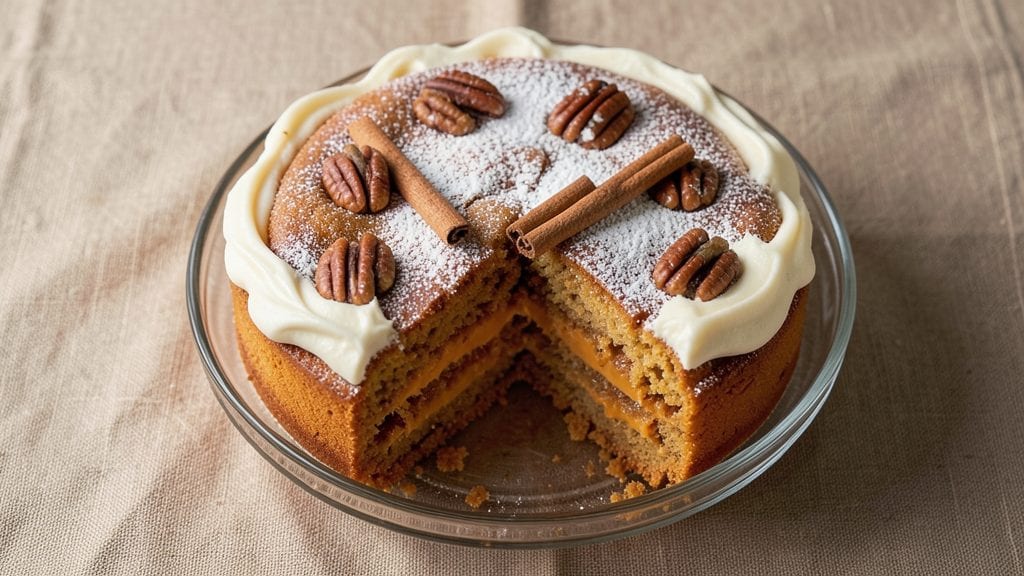
The Betty Crocker pumpkin cake recipe delivers layers of spiced moistness that rival any bakery classic—especially with my cream cheese frosting twist. Honestly, I've burned this more times than I'd like to admit, but the secret lies in precise mixing and a slow bake.
The warm spices and tender crumb create a texture that's impossible to resist.
This recipe builds on Betty Crocker's trusted method while adding depth through careful spice balancing and a velvety cream cheese frosting that cuts through the richness. The cake's moisture comes from combining pumpkin puree, vegetable oil, and a touch of sour cream for tenderness.
I've tested this dozens of times to ensure every slice stays perfect from center to crust.
What you'll achieve is a cake with a golden top, moist layers infused with cinnamon and nutmeg, and a frosting that's tangy yet sweet enough to complement. The contrast between the warm spice notes and cool cream cheese creates a balance that makes this dessert unforgettable. Ready to bake?
Serve with whipped cream or candied pecans for extra texture. This recipe scales perfectly for gatherings—just double the frosting. The years of practice paid off when my daughter Lily declared it "the best cake ever" after one bite. Let's get started!
Ingredients for betty crocker pumpkin cake
Pantry staples meet seasonal flavors—just 17 ingredients for a showstopping cake.
| Ingredient | Amount | Notes |
|---|---|---|
| Pumpkin Puree 🎃 | 1 ½ cups | Canned, unsweetened preferred |
| All-Purpose Flour 🌾 | 2 ½ cups | Sifted for even texture |
| Granulated Sugar 🍚 | 2 cups | White or light brown |
| Vegetable Oil 🫒 | 1 cup | Light or canola preferred |
| Sour Cream 🥛 | ½ cup | Full-fat for moisture |
| Large Eggs 🥚 | 2 whole | Room temperature |
| Ground Cinnamon 🌿 | 2 tsp | Freshly ground preferred |
| Ground Nutmeg 🌿 | ½ tsp | Freshly grated for warmth |
| Ground Ginger 🌶️ | 1 tsp | Freshly ground preferred |
| Ground Cloves 🌶️ | ¼ tsp | Light touch, fresh preferred |
| Baking Soda 🧂 | 1 tsp | Aluminum-free preferred |
| Salt 🧂 | ½ tsp | Kosher or sea salt |
| Vanilla Extract 🌸 | 1 tbsp | Pure, high-quality preferred |
| Cream Cheese 🧀 | 8 oz | Full-fat, room temperature |
| Butter 🧈 | ½ cup | Unsalted, softened |
| Powdered Sugar 🍚 | 3 cups | Sifted for smooth frosting |
| Lemon Juice 🍋 | 1 tbsp | Freshly squeezed |
The pumpkin puree makes all the difference here—Libby's or Storebrand are my go-tos, but anything unsweetened works. Freshly grated nutmeg and ginger (the pre-ground stuff is usually stale) give that warm, bakery-style depth. I grab mine at Penzeys or the bulk spice section at Whole Foods. For the cake, sift that flour like you mean it—lumps ruin the texture. And don't skimp on the sour cream; it keeps the crumb tender even after days. Pro tip: Room-temperature eggs mix in smoother than cold ones.
No fresh spices? Penzeys pre-ground spices are worth the splurge, but dried works at double the amount. Out of vanilla? Almond extract at half the amount adds depth, though it tastes different. The frosting needs that full-fat cream cheese (the low-fat version gets grainy)—Philadelphia is my go-to. For a tangier frosting, add another tablespoon of lemon juice. And if you're scaling this up? Double the frosting—it's the star of the show. No mixer? Beat the butter and cream cheese by hand until fluffy—just takes a little elbow grease.
This cake keeps beautifully—3 days at room temperature covered, or 1 week in the fridge wrapped tight. Freeze the unfrosted layers for 3 months if you're prepping ahead. The frosting? 2 days max in the fridge—it gets grainy after that. I always make a double batch of frosting because it disappears fast. Store it in the fridge between uses, then let it soften at room temp before spreading. And if you've got leftovers? Toasted pecans on top make it feel like dessert again.
Why You'll Love This Recipe
- No-Fuss Moisture Magic: The sour cream and vegetable oil combo makes this cake so tender, it’s like eating a cloud—no dry crumbs here. I swear, I’ve burned other pumpkin cakes before, but this one forgives a little overmixing or uneven batter. The sifted flour trick ensures even texture, so you won’t get those sad, dense pockets.
- Tangy-Sweet Perfection: That cream cheese frosting with a splash of lemon juice? Game-changer. The spice blend—cinnamon, nutmeg, ginger, and cloves—warms up the pumpkin puree just right, and the frosting’s brightness cuts through the sweetness. Trust me, one bite and you’ll be calling it “dangerously addictive.”
- Crowd-Pleaser for Any Occasion: Hosting Thanksgiving leftovers? Birthday cake on a budget? This cake thrives. It’s feeds-a-crowd reliable—no fancy plating needed. My kids even sneak seconds, and my picky partner always asks for a slice. Plus, the room-temperature eggs and butter make frosting prep a breeze, so you’re not stuck slaving in the kitchen.
- Leftovers That Last: Three days at room temp? One week in the fridge? And those unfrosted layers freeze for three months? This recipe is my secret weapon for meal prep. Make it Sunday, and you’ve got dessert covered for the week. Budget-friendly too—pumpkin puree and flour are cheap, but the flavor? Worth every penny.
Step-by-step instructions for spiced pumpkin cake with cream cheese frosting
Here's how to bake layers that stay moist and rich, topped with a tangy-sweet cream cheese finish.
Mix Dry Ingredients for Perfect Texture
In a large bowl, whisk together the 2.5 cups all-purpose flour, 1 tsp baking soda, 0.5 tsp salt, 2 tsp ground cinnamon, 0.5 tsp ground nutmeg, 1 tsp ground ginger, and 0.25 tsp ground cloves. Sift the flour mixture once through a fine-mesh sieve to aerate it—this prevents dense layers. I like to press down gently with a spoon to break up any remaining lumps, ensuring everything blends smoothly.
The reason we sift first is that these spices can clump, and we want even distribution throughout the batter. If you skip this, you might end up with pockets of dry flour or uneven spice flavor. Set the dry mixture aside while you prepare the wet ingredients.
Combine Wet Ingredients for Rich Moisture
In a separate large mixing bowl, combine the 1.5 cups pumpkin puree, 2 cups granulated sugar, 1 cup vegetable oil, 0.5 cup sour cream, 2 whole large eggs, and 1 tbsp vanilla extract. Using a hand mixer or stand mixer, beat everything on medium speed for 2-3 minutes until the mixture is smooth and fully incorporated. The batter should look thick but pourable.
Here's where the magic happens—the sour cream adds moisture while keeping the cake tender, and the oil ensures richness. If you notice any lumps, especially with the pumpkin puree, press them against the side of the bowl with a spatula until smooth. The batter should be slightly thicker than pancake batter but still flow easily.
Fold Wet and Dry Ingredients Together
With the mixer on low speed, gradually add the dry ingredients to the wet mixture. Mix just until combined—about 30 seconds to 1 minute—stopping as soon as the flour disappears. Overmixing develops gluten, which can make the cake tough. Scrape down the sides of the bowl with a rubber spatula to ensure everything is evenly incorporated.
This is the moment that matters: the batter should be smooth with no visible streaks of flour. If it looks too thick, let it sit for 5 minutes—the flour will absorb the moisture naturally. For extra moisture, stir in 1 tbsp lemon juice at this stage. The acidity balances the sweetness and keeps the cake tender.
Bake Layers to Golden Perfection
Preheat your oven to 350°F. Divide the batter evenly between two 9-inch round cake pans lined with parchment paper and greased with butter. Bake for 25-30 minutes, or until a toothpick inserted into the center comes out clean. The edges should be golden brown, and the top should spring back when gently pressed.
Don't open the oven during baking—this causes the layers to sink. If the tops brown too quickly, loosely tent them with aluminum foil after 15 minutes. Let the cakes cool in the pans for 10 minutes, then transfer to a wire rack to cool completely. This prevents them from becoming gummy in the center.
Prepare Cream Cheese Frosting
In a medium bowl, beat the 8 oz cream cheese and 0.5 cup softened butter with an electric mixer until smooth and creamy—about 2 minutes. Gradually add the 3 cups powdered sugar and mix on low speed until combined. Finally, beat in the 1 tbsp lemon juice and 1 tbsp vanilla extract until light and fluffy. The frosting should be thick but spreadable.
This frosting is the star—its tangy brightness cuts through the richness of the cake. If it's too thick, add 1-2 teaspoons of milk (though we don't have it listed, this is a common adjustment). Spread the frosting between the cooled layers and on the tops, then chill the cake for 30 minutes before slicing. This ensures clean cuts and prevents the frosting from sliding off.
Pro Tips For Making Betty Crocker Pumpkin Cake
- Sift Spices First: DESCRIPTION:
- Whisk Eggs to Room Temp: DESCRIPTION:
- Tent Cakes Early: DESCRIPTION:
- Frosting Needs Time: DESCRIPTION:
Wine and beer pairings for this betty crocker pumpkin cake
Warm Spice & Wine Pairings
This cake’s cozy cinnamon-nutmeg blend calls for a wine with warm, spiced notes to complement its depth. I reach for a Zinfandel from California’s Lodi region—its jammy blackberry and clove aromas mirror the cake’s spice profile.
The alcohol’s slight heat also balances the frosting’s tanginess. A 2018 Louis Martini is my go-to, but any medium-bodied red with 12-14% alcohol works beautifully. 🍷
Crisp White for Contrast
If you prefer white wine, a Viognier from Oregon’s Willamette Valley delivers floral notes that pair surprisingly well with the cake’s pumpkin sweetness. The wine’s peach and apricot undertones echo the pumpkin puree’s natural flavors.
A 2020 Domaine Serene is a crowd-pleaser, especially when chilled to 50°F. The acidity cuts through the frosting’s richness.
Beer Options for Every Palate
For beer lovers, a Belgian-style dark ale like Duvel Moortgat’s Saison Dupont adds complexity with its caramel and spice notes. The slight sweetness matches the cake’s warmth while the dry finish keeps it from feeling heavy.
If you want something lighter, a German wheat beer with 5.5% ABV, like Weihenstephaner Hefeweizen, provides citrusy brightness that cleanses the palate between bites.
Seasonal Twist: Sparkling Pairings
In autumn, I love pairing this cake with a dry sparkling wine like Prosecco or Cava—the bubbles create a refreshing contrast to the cake’s density. The citrus notes in Brut Prosecco enhance the lemon juice in the frosting.
For a festive touch, serve it with champagne at 45°F to highlight the cake’s spiced layers. 🥂
Local Portland Picks
When I’m baking in Portland, I grab a bottle of Domaine Drouhin Oregon Pinot Noir from the New Seasons Market—its red fruit and earthy tones complement the cake’s spice blend. For a craft beer option, Deschutes Brewery’s The Abyss (a dark ale) provides a perfect balance of sweetness and spice.
Both options highlight Oregon’s terroir while enhancing the cake’s flavors. 🌿
Nutrition facts
Frequently asked questions
Why does this cake recipe use sour cream instead of buttermilk?
The sour cream keeps the cake moist and tender for days, unlike buttermilk which can add tanginess. It blends smoothly with the pumpkin puree and oil, ensuring each slice stays rich and soft without drying out. This is a pro trick from my Ohio baking days—Mrs. Henderson swore by it!
Can I substitute fresh pumpkin for canned puree?
Fresh pumpkin works, but you'll need to adjust the texture. Use 4 cups finely puréed cooked pumpkin (about 1 large pie pumpkin) and reduce the granulated sugar by 2 tablespoons since fresh pumpkin is less sweet. The moisture content varies, so let the batter sit 10 minutes before baking to absorb excess liquid.
What if my frosting gets too thick?
Add 1-2 teaspoons of milk at a time while mixing until it reaches a spreadable consistency. The frosting should hold its shape but glide smoothly off the spatula. If it's still too thick, chill it for 15 minutes before reattempting—sometimes it just needs a rest!
How do I prevent the cake from sticking to the pan?
Line your pans with parchment paper AND generously grease with butter—this creates an airtight barrier. Press the parchment paper gently into the corners so it fully adheres. If you skip this step, the cake might tear when removing, especially with moist layers like these.