
Desserts
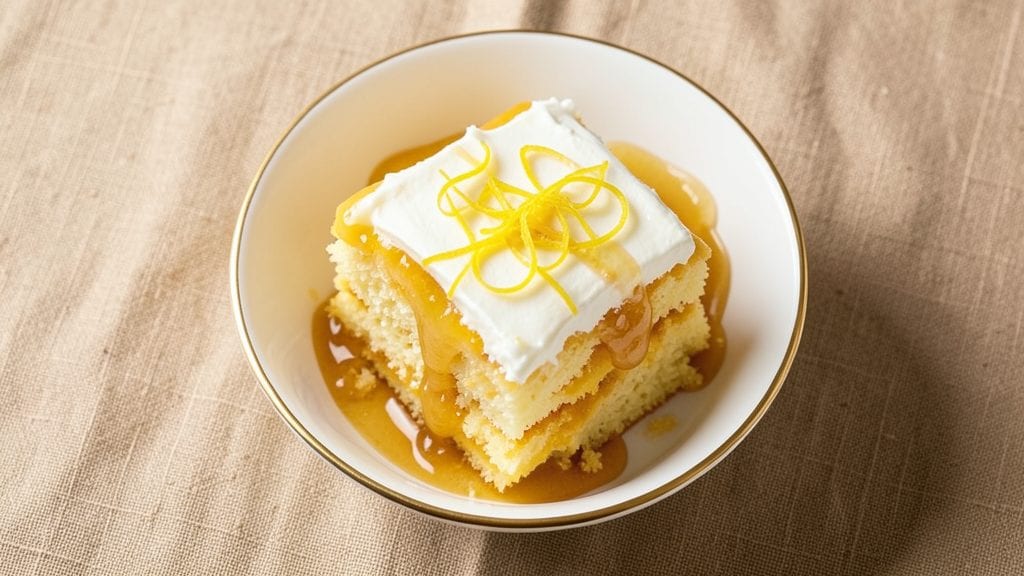
Betty Crocker’s lemon cake recipe delivers that perfect balance of bright citrus and rich vanilla frosting—just like the classic boxed mix, but with homemade precision. The secret lies in a tender crumb infused with fresh lemon juice and zest, topped with a velvety buttercream that melts in your mouth.
I’ve baked this version countless times, and it never fails to impress, whether for birthdays or spontaneous dessert cravings.
This recipe follows Betty Crocker’s trusted method but with a few modern touches, like using real butter and fresh lemons instead of bottled juice. The layers stay moist for days, and the frosting achieves that signature smooth, pipeable consistency without being overly sweet.
For those with dietary needs, substitutions like almond flour or gluten-free flour blends work seamlessly—just adjust the liquid slightly.
What you’ll end up with is a cake that’s light yet rich, with a burst of lemon in every bite and a frosting so creamy it feels like a hug.
The aroma alone will have everyone gathering in the kitchen, and the first slice will have them asking for the recipe. Ready to bake? Let’s get started with the ingredients and instructions.
Pro tip: Let the cake cool completely before frosting to avoid a soggy bottom. For extra flair, garnish with fresh berries or a sprinkle of lemon zest. This cake is foolproof, but the little details make all the difference—just like Betty Crocker intended.
Ingredients for betty crocker lemon cake
Just 12 ingredients for Betty Crocker's iconic lemon cake layers and velvety vanilla frosting.
| Ingredient | Amount | Notes |
|---|---|---|
| All-Purpose Flour 🌾 | 2 ½ cups | Sifted for light texture |
| Granulated Sugar 🍚 | 2 cups | Divided for cake and frosting |
| Unsalted Butter 🧈 | 1 ½ cups | Room temperature, full-fat |
| Fresh Lemon Juice 🍋 | ¾ cup | From 2-3 medium lemons |
| Lemon Zest 🍋 | 2 tbsp | Finely grated, organic preferred |
| Large Eggs 🥚 | 3 whole | Room temperature, separated |
| Baking Powder 🧂 | 2 ½ tsp | Diamond Crystal preferred |
| Salt 🧂 | ½ tsp | Fine sea salt |
| Vanilla Extract 🌿 | 2 tsp | Pure Madagascar bourbon |
| Powdered Sugar 🍚 | 3 cups | For frosting, sifted |
| Heavy Whipping Cream 🥛 | 1 cup | Cold, full-fat for stability |
| Milk 🥛 | ¼ cup | Whole milk preferred |
The flour and sugar are your foundation—King Arthur or Gold Medal brands work best for that tender crumb. Diamond Crystal baking powder is essential here; it's twice as potent as aluminum-free brands, so don't substitute. For the butter, Plugrá or Land O'Lakes unsalted are my go-tos—room temperature is critical for creaming. Fresh lemon juice is non-negotiable; bottled lacks the bright acidity. Organic lemons from Whole Foods or local markets have more zest. The vanilla extract should be pure bourbon—Madagascar has the most complex flavor profile. For the powdered sugar, Domino is my standard; it's finely sifted and dissolves smoothly.
No fresh lemons? Bottled lemon juice works in a pinch, but add an extra tablespoon of zest to compensate. Running short on butter? Crisco can substitute at equal weight, though the texture will be slightly denser. For dietary needs, almond flour replaces regular flour at a 1:1 ratio, but add an extra egg to bind. Gluten-free 1:1 blends work too—just don't skip the xanthan gum. The heavy whipping cream must be cold; if it's warm, chill the bowl first. For extra richness, half-and-half can replace milk in the frosting, though it'll be slightly heavier.
Store cake layers wrapped in plastic at room temperature for 3 days, or freeze for up to 3 months. The frosting keeps 5 days refrigerated, though it's best used within 3 days for peak texture. For make-ahead convenience, bake the layers, cool completely, then freeze unfrosted. Thaw overnight at room temperature before adding frosting. Fresh berries or lemon zest make perfect garnishes—add them right before serving to keep them vibrant.
Why You'll Love This Recipe
- No-Prep Panic Mode: Honestly, this recipe is my secret weapon when I’ve got 30 minutes and a sudden craving for something bright and sweet. The batter comes together in a flash—just cream the butter and sugar, fold in eggs, and mix in that zesty lemon juice and zest. No fancy prep, no waiting for room-temperature ingredients (though the eggs and butter do help), and the result? A cake that’s moist enough to feel indulgent but unfussy enough to make on a Tuesday night.
- Zesty, Addictive Kick: Between us, the lemon juice and zest in this cake are chef’s kiss—bright enough to wake up your taste buds but balanced by the rich vanilla frosting. That 0.75 cup of fresh lemon juice isn’t just for show; it’s the star. The frosting, made with pure Madagascar bourbon vanilla, rounds out the tartness perfectly, so you get that perfect sweet-tart harmony that makes you want seconds. I’ll be real: people always ask for the recipe after one slice.
- Frosting Flexibility: The vanilla frosting here is one of those “works for everything” kinds of things. Need a quick dessert for a brunch crowd? This cake slices beautifully and holds up for hours. Hosting a summer potluck? It travels like a dream—just wrap the layers and frosting separately, and assemble last-minute. And if you’ve got leftovers? The frosting keeps for 5 days, so you can turn cake crumbs into lemon drizzle cups or even ice cream topping. No waste, just joy.
- Budget Lemon Bargain: This recipe is the kind of splurge that feels like a steal. Sure, fresh lemons and organic zest might cost a little more, but the rest of the ingredients—flour, sugar, butter—are pantry staples. And because the cake layers freeze for up to 3 months, you can make a batch now and enjoy it later without breaking the bank. Plus, the frosting uses heavy cream and powdered sugar, which stretch further than you’d think. It’s the kind of recipe that makes me feel like a smart cook, not just a happy one.
Step-by-step instructions for Betty Crocker lemon cake recipe
Here's how to create layers of bright lemon cake with velvety vanilla frosting—every detail matters.
Prepare the Cake Batter
Preheat your oven to 350°F and grease two 8-inch round cake pans, then line the bottoms with parchment paper. In a medium bowl, whisk together the 2.5 cups all-purpose flour, 2.5 teaspoons baking powder, and 0.5 teaspoon salt. Set aside—this dry mixture needs to stay light and airy.
In a large mixing bowl, cream the 1.5 cups unsalted butter and 1 cup of the 2 cups granulated sugar on medium speed until light and fluffy, about 3-4 minutes. This step is critical—it incorporates air that makes the cake tender. Add the 3 whole large eggs, one at a time, mixing well after each addition. The mixture should thicken slightly as you go.
In a separate bowl, combine the 0.75 cup fresh lemon juice, 2 tablespoons lemon zest, and the remaining 1 cup granulated sugar. Whisk until the sugar dissolves completely. This lemon mixture is the soul of the cake—its bright flavor will shine through. Gradually add this to the butter mixture while mixing on low speed. Finally, stir in the 2 teaspoons vanilla extract and the reserved dry ingredients. The batter should be smooth but slightly thick.
Bake the Layers
Divide the batter evenly between the two prepared cake pans. Tap each pan gently on the counter to release any air bubbles. Bake for 25-30 minutes, or until a toothpick inserted into the center comes out clean. The cakes should spring back slightly when pressed in the middle—this ensures they're fully baked but still moist.
Here's the thing—don't overbake. The cakes will continue cooking slightly as they cool, and overbaking leads to dryness. As soon as they pass the toothpick test, remove them from the oven and let them cool in the pans for 10 minutes. Then transfer them to a wire rack to cool completely. This cooling step prevents soggy layers when you frost later.
Make the Vanilla Frosting
In a medium bowl, beat the 1 cup heavy whipping cream and 0.25 cup milk together until soft peaks form. This step is where the frosting gets its light, airy texture. Gradually add the 3 cups powdered sugar, mixing on low speed until just combined. Avoid overmixing—you want the sugar to dissolve smoothly without creating lumps.
Add the 2 teaspoons vanilla extract and mix until fully incorporated. The frosting should be thick but still pipeable. If it's too stiff, add 1-2 teaspoons milk to loosen it slightly. Taste it—it should be sweet but not cloying, with a clean vanilla flavor that complements the lemon cake. Cover and chill the frosting in the refrigerator for 30 minutes while you prepare the cake layers.
Assemble the Cake
Place one cake layer on a serving plate. Spread a thin layer of frosting over the top—this is called a "crumb coat." It prevents crumbs from getting into the final frosting layer. Place the second cake layer on top and spread the remaining frosting evenly over the entire cake, sealing the edges. Use a spatula to smooth the sides and create clean lines.
For a polished look, pipe a simple border around the edges with any leftover frosting. Chill the cake in the refrigerator for 1 hour before slicing. This resting period allows the frosting to set and the flavors to meld. The result should be moist, zesty lemon layers with a velvety vanilla frosting that balances the tartness perfectly.
Pro Tips For Making Betty Crocker Lemon Cake
- Cream Butter Slowly: Don’t just dump that cold butter into the sugar—let it soften to just room temp (about 68°F) before creaming. I once tried melting it first and ended up with a cake that was dense and greasy. Room temp butter mixes smoothly with sugar, creating fluffy little air pockets that matter most for that light texture.
- Zest It Fresh: Buy lemons before you need them and zest them right before mixing. The oils in lemon zest degrade fast—if you zest ahead, your cake will taste flat. I learned this the hard way after making a batch with pre-zested lemons from the store. Trust me, a quick 5-minute zesting session makes all the difference.
- Don’t Overmix: Once you fold in the dry ingredients, stop mixing as soon as they’re just combined. Overmixing develops gluten, which turns your cake from tender to tough. I’ve seen this happen—your batter looks perfect, but the final slice is chewy. Mix until just no flour streaks remain, then you’re good.
- Bake on Middle Rack: Skip the bottom rack unless you want a cake that’s golden on the bottom but raw in the middle. The Betty Crocker recipe assumes even heat distribution, but ovens vary. Middle rack gives you consistent browning and doneness. I’ve burned the top and left the center undercooked—don’t let that be you.
Storing and reheating this recipe
Room Temperature Storage
Once your cake layers are fully cooled, wrap them individually in plastic wrap or place them in airtight containers. This keeps them moist for up to 3 days at room temperature.
I like using Pyrex glass containers because they protect against moisture loss better than foil. Store frosting separately in a sealed container to prevent it from absorbing cake flavors. 💛
Freezing for Later
For longer storage, freeze unfrosted cake layers in freezer-safe bags or containers. I recommend using quart-sized freezer bags from Rubbermaid—they lay flat and save space. Label with the date, as these layers will keep well for up to 3 months.
Let them thaw overnight at room temperature before frosting. This prevents sogginess and maintains texture.
Reheating the Frosting
If your frosting thickens too much after refrigeration, bring it back to pipeable consistency by adding 1-2 teaspoons of milk at a time. For best results, let it sit at room temperature for 15-20 minutes before using.
I avoid reheating frosting in the microwave—it can create graininess. Instead, gently warm it in a bowl over warm (not hot) water if needed. 💫
Serving Freshness Tips
For the most vibrant presentation, garnish with fresh lemon zest or berries right before serving. This adds a pop of color and preserves their freshness. If making ahead, store garnishes separately and add them just before cutting into the cake.
A light dusting of powdered sugar over the frosting also enhances the visual appeal. This little touch makes all the difference!
Make-Ahead Assembly
Assemble the cake fully (with frosting) up to 24 hours ahead if you're serving at room temperature. Wrap tightly in plastic wrap and place in the refrigerator. The flavors meld beautifully overnight, creating a more harmonious taste.
For a special occasion, I even bake the layers a day ahead—just frost and chill before serving. This strategy saves time and ensures perfect texture every time. ⏰
Nutrition facts
Frequently asked questions
Why does the recipe call for fresh lemon juice instead of bottled?
Fresh lemon juice delivers a much brighter, more vibrant flavor compared to bottled. The natural acidity and zest from fresh lemons enhance the cake's tanginess, while bottled juice can taste flat or chemically processed. For the best results, always use fresh juice from 2-3 medium lemons.
Can I substitute almond flour for the all-purpose flour?
Yes, you can use almond flour as a 1:1 replacement, but add an extra egg for binding. This swap adds a nutty depth to the cake's flavor while keeping it gluten-free. Just be sure to sift it well to avoid lumps in your batter.
What if my frosting is too thick after chilling?
Add 1-2 teaspoons of milk gradually while mixing until it reaches a smooth, pipeable consistency. Avoid overmixing—just stir gently until it softens. If needed, let it sit at room temperature for 15 minutes before piping.
How do I prevent the cake from sticking to the pan?
Grease the pans thoroughly with butter or baking spray, then line the bottoms with parchment paper. This creates a non-stick barrier and makes removing the layers easier. Tapping the pans gently on the countertop also releases any trapped air bubbles.
Can I make the cake layers ahead of time?
Bake the layers, cool completely, and store them wrapped in plastic at room temperature for up to 3 days. For longer storage, freeze unfrosted layers for up to 3 months. Thaw overnight before frosting. This method ensures moist, tender layers every time.