
Desserts
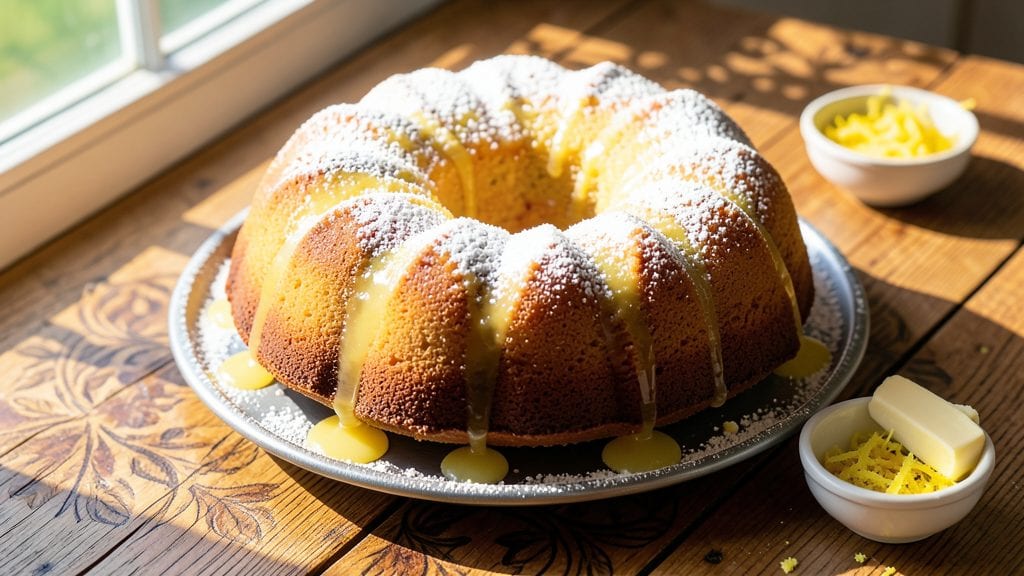
Betty Crocker’s lemon Bundt cake delivers that signature crispy crown and bright citrus flavor that makes it a classic dessert. The secret lies in properly greasing the Bundt pan and adding lemon zest for that signature zing.
I’ve perfected this recipe over years of baking, ensuring every slice has that tender crumb and tangy sweetness that keeps people coming back.
This recipe uses simple, reliable techniques—like creaming butter and sugar properly—that guarantee a moist cake with a golden, crispy top. The lemon glaze isn’t just for looks; it adds another layer of citrus brightness that ties everything together.
No fancy equipment needed—just a standard Bundt pan and a little patience for the cooling process.
By the time you pull it from the oven, you’ll have a cake with a perfectly crispy crown and tender layers, ready for that glossy lemon glaze. The aroma alone will have everyone gathering in the kitchen, and the first bite delivers that perfect balance of sweet and tangy.
This is the kind of dessert that feels special without being complicated.
Serve it warm with a scoop of vanilla ice cream or enjoy it at room temperature with a dusting of powdered sugar. The crispy top holds up beautifully, making every slice look as good as it tastes. Let’s get baking!
Ingredients for betty crocker lemon bundt cake
Simple pantry staples transform into a golden, crisp-crowned lemon Bundt cake with tangy glaze.
| Ingredient | Amount | Notes |
|---|---|---|
| All-Purpose Flour 🌾 | 2 ½ cups | Sifted for light texture |
| Granulated Sugar 🍚 | 2 cups | Plus 1 tbsp for greasing pan |
| Unsalted Butter 🧈 | 1 cup | Room temperature, full-fat |
| Large Eggs 🥚 | 3 whole | Room temperature for best mixing |
| Baking Powder 🍞 | 2 tsp | Metal measuring spoon preferred |
| Salt 🧂 | ½ tsp | Fine sea salt preferred |
| Lemon Zest 🍋 | 2 tbsp | Fresh, organic preferred |
| Fresh Lemon Juice 🍋 | ½ cup | From 2-3 lemons, strained |
| Vanilla Extract 🌿 | 2 tsp | Pure, high-quality preferred |
| Vegetable Oil 🫒 | ¼ cup | For greasing Bundt pan |
| Powdered Sugar 🍚 | 1 ½ cups | For lemon glaze |
| Heavy Cream 🥛 | ¼ cup | Full-fat for glaze richness |
| Lemon Extract 🍋 | ½ tsp | Optional for extra zing |
The Bundt pan makes all the difference—Wilton's non-stick version is my go-to for that signature crispy crown. Grease it generously with vegetable oil and sprinkle with sugar before baking to prevent sticking. For the flour, King Arthur brand yields the lightest texture, but any all-purpose works. The lemon zest should be vibrant yellow—grab organic lemons if possible. I usually zest 3-4 lemons, but only use the outer yellow part, avoiding the bitter white pith. The butter must be room temperature; microwave it for 40 seconds if it's too cold. Eggs should be at room temperature too, so they mix smoothly into the batter.
No fresh lemons? Bottled lemon juice works in a pinch, but add an extra tablespoon to compensate for reduced acidity. Lemon extract can replace half the fresh juice if needed, though it lacks the same bright flavor. For the glaze, powdered sugar is non-negotiable—it dissolves perfectly into the cream. If you're making this ahead, store the glaze separately and mix it just before serving to prevent sogginess. The vanilla extract should be pure—Nielsen-Massey is my trusted brand. For a richer cake, add 1 tbsp sour cream to the batter, but it's optional. The salt is crucial; don't skip it—it balances all the sweetness.
This cake keeps beautifully for 3-4 days at room temperature, wrapped tightly in plastic. For longer storage, freeze the fully cooled cake for up to 3 months. Thaw at room temperature before glazing. The glaze sets quickly, so prepare it last. If your kitchen gets humid, chill the cake 10 minutes before glazing to help the powdered sugar set properly. The crispy crown stays crisp for about 2 hours at room temperature, so serve it soon after baking for that perfect texture. Leftovers? Toast slices lightly for a delightful texture change.
Why You'll Love This Recipe
- I’ll be real: this cake isn’t just for holidays or fancy gatherings. It’s my go-to when I need to impress someone without spending an hour in the kitchen. The batter comes together in under 15 minutes, bakes while you prep the glaze, and then you’re done. Plus, it’s so good that I’ve been known to slice it up for breakfast with a dollop of whipped cream on a Tuesday night (yes, even on a Tuesday night).
- No Panic, Just Pan: I’ve baked enough cakes to know when a recipe is actually doable—this one is. You’re greasing the pan with vegetable oil and dusting it with sugar (that’s the trick for that perfect release), then just whisking dry ingredients together while the butter and sugar get fluffy in another bowl. No fancy techniques, no stress. The sifting step is the only one that matters, and honestly? It’s worth it for that light-as-air crumb.
- Bright Citrus Bliss: The moment you pull this cake from the oven, that crispy crown and the bright, tangy aroma of fresh lemon zest and juice will hit you. The 2 tablespoons of zest and 0.5 cup of juice aren’t just there for show—they’re what make this cake sing. And that glaze? Made with powdered sugar and heavy cream, it’s the perfect balance of sweet and zesty, like a lemon’s best friend.
- Weeknight Hero: I’ll be real: this cake isn’t just for holidays or fancy gatherings. It’s my go-to when I need to impress someone without spending an hour in the kitchen. The batter comes together in under 15 minutes, bakes while you prep the glaze, and then you’re done. Plus, it’s so good that I’ve been known to slice it up for breakfast with a dollop of whipped cream on a Tuesday night (yes, even on a Tuesday night).
Step-by-step instructions for betty Crocker lemon Bundt cake recipe
Follow this method for a perfectly moist cake with a crispy crown and bright lemon flavor.
Prepare the Bundt Pan and Mix Dry Ingredients
Preheat your oven to 350°F. Generously grease a 10-12 cup Bundt pan with the 0.25 cup vegetable oil, then dust it thoroughly with 2 tablespoons granulated sugar from the ingredients list. Tap out any excess sugar so it doesn't interfere with baking. This ensures easy release and that crispy crown you're aiming for.
In a medium bowl, whisk together the 2.5 cups all-purpose flour, 2 teaspoons baking powder, and 0.5 teaspoon salt. Sift the mixture directly into a large mixing bowl to aerate it. This step creates the light, tender texture that makes this cake so special. Don't skip the sifting—it makes a noticeable difference in the final crumb.
Cream Butter and Sugars for Maximum Fluffiness
In a separate large bowl, beat the 1 cup unsalted butter and 2 cups granulated sugar together using an electric mixer on medium speed for 3-4 minutes. The mixture should become light and fluffy, nearly doubling in volume. This creaming process incorporates air, which helps create that tender crumb and crispy exterior. If your butter isn't quite room temperature, let it sit at room temperature for another 5-10 minutes before attempting to cream it.
Add the 3 whole large eggs, one at a time, mixing well after each addition. Scrape down the sides of the bowl as needed. Then stir in the 2 tsp vanilla extract and 2 tablespoons lemon zest. The lemon zest will add that bright citrus flavor and aroma that makes this cake stand out. Mix just until combined—overmixing can develop gluten and make the cake tough.
Combine Wet and Dry Ingredients
Gradually add the dry ingredients to the butter mixture in 3 additions, mixing on low speed just until combined after each addition. Be careful not to overmix. Then stir in the 0.5 cup fresh lemon juice and 0.5 teaspoon lemon extract (if using). The lemon juice adds moisture and tanginess, while the lemon extract intensifies the citrus flavor. The batter should be thick but pourable.
Pour the batter into the prepared Bundt pan and smooth the top with a spatula. Tap the pan gently on the counter a few times to remove any air bubbles. Bake in the preheated oven for 50-60 minutes, or until a toothpick inserted into the center comes out clean. The cake is done when the top springs back when touched and the edges pull away slightly from the pan.
Prepare the Lemon Glaze and Finish the Cake
While the cake bakes, prepare the lemon glaze by whisking together the 1.5 cups powdered sugar, 0.25 cup heavy cream, and a pinch of salt in a small bowl. The glaze should be smooth and thick enough to coat the back of a spoon. If it's too thick, add a few drops of water to reach your desired consistency. This glaze will add that signature shine and extra lemon flavor.
Once the cake is done baking, remove it from the oven and let it cool in the pan for 10 minutes. Then invert the cake onto a wire rack and let it cool completely. While the cake is still warm, pour the lemon glaze over the top, letting it drip down the sides. The heat from the cake will help the glaze set quickly. Serve slices with a dollop of whipped cream or fresh berries for an elegant dessert.
Pro Tips For Making Betty Crocker Lemon Bundt Cake
- Test Butter First: Stick your finger in the butter before creaming—if it leaves a slight indentation but holds shape, you’re golden. I learned this the hard way by forcing cold butter through the mixer, which just turns into a greasy mess instead of fluffy butter-sugar magic.
- Sift Dry Ingredients Twice: Whisk the flour, baking powder, and salt first, then sift again before adding to the wet mix. That second sift cuts down on lumps and gives the cake a lighter crumb—trust me, your toothpick test will thank you.
- Don’t Rush the Glaze: Let the glaze sit for 5 minutes after whisking before pouring—this lets the powdered sugar fully dissolve. I used to pour it too soon, and it’d turn grainy halfway down the cake. Patience here = professional shine.
- Grease the Pan Right: Use all 0.25 cup vegetable oil, then dust with that 1 tbsp sugar generously—don’t skimp. The sugar caramelizes slightly and helps with release, but only if it’s stuck to the pan like frosting on a cupcake. (Yes, I’ve had one stick in the pan. No, I won’t talk about it.)
Pro cooking tips for perfect results
Butter Temperature Matters
Room-temperature butter is non-negotiable for this recipe—it creates that light, fluffy texture we all crave. If your butter feels firm when you press it, microwave it for 40 seconds or let it sit at room temperature for 10-15 minutes.
Cold butter creates dense cake, while butter that's too soft won't cream properly. I always test it by poking a knife in—it should leave a slight indentation. 🧈
Sift for Softness
Sifting the 2.5 cups all-purpose flour and 2 teaspoons baking powder directly into your mixing bowl is a game-changer. This step aerates the flour, creating a lighter crumb and preventing dense spots.
I use a King Arthur flour sifter because it's gentle on the ingredients. Skipping this step might save time, but you'll notice the difference in texture.
Lemon Zest is Key
Don't skimp on the 2 tablespoons lemon zest—it's what gives this cake its signature brightness. Use organic lemons when possible, as they have a more vibrant zest. Scrape only the outer yellow layer, avoiding the bitter white pith.
I zest 3-4 lemons but only use about 2 tablespoons total. The zest adds flavor without overpowering the sweetness.
Low and Slow Mixing
When combining your wet and dry ingredients, mix on low speed and in 3 additions. Overmixing develops gluten, which makes your cake tough. After adding each batch of dry ingredients, mix just until combined—you should see slight streaks of flour in the batter.
This technique keeps the cake tender and moist. 💡
Glaze Timing Trick
Prepare your glaze last while the cake bakes, but don't glaze it immediately after removing from the oven. Let the cake cool in the pan for 10 minutes first. This prevents the glaze from sliding off and helps it set properly.
If your kitchen is humid, chill the cake for an extra 5 minutes before glazing to ensure a smooth finish.
Pan Prep Secrets
For that perfect crispy crown, generously grease your Bundt pan with 0.25 cup vegetable oil and dust with 1 tablespoon sugar. Tap out any excess sugar so it doesn't interfere with baking.
I use a Wilton non-stick Bundt pan because it releases effortlessly. A well-prepared pan means no stuck-on bits and a beautifully crisp top.
Nutrition facts
Frequently asked questions
Why does my Bundt cake stick to the pan?
The key to a perfect release is proper pan prep! Generously grease your 10-12 cup Bundt pan with 0.25 cup vegetable oil and dust it with 1 tablespoon granulated sugar. Tap out excess sugar after dusting to avoid interference during baking. A well-prepared pan ensures that crispy crown you're after without sticking.
Can I substitute fresh lemon juice with bottled?
Yes, but adjust the amount! Bottled lemon juice lacks the same acidity, so use 1 tablespoon extra to maintain the tangy balance. For best results, fresh lemon juice still delivers that vibrant citrus flavor that makes this cake special. The zest remains non-negotiable for that signature brightness.
How do I tell when the cake is fully baked?
Check for doneness by inserting a toothpick into the center—it should come out clean. The cake is also ready when the top springs back when gently touched and the edges pull away slightly from the pan. Overbaking can dry out your cake, so watch it closely after 50 minutes.
What if my butter isn’t room temperature?
Room-temperature butter is crucial for fluffiness, but you can fix cold butter by microwaving it for 40 seconds or letting it sit at room temperature for 10-15 minutes. Test it by pressing a knife in—it should leave a slight indentation. Cold butter creates a dense cake, while butter that’s too soft won’t cream properly.