
Main Courses
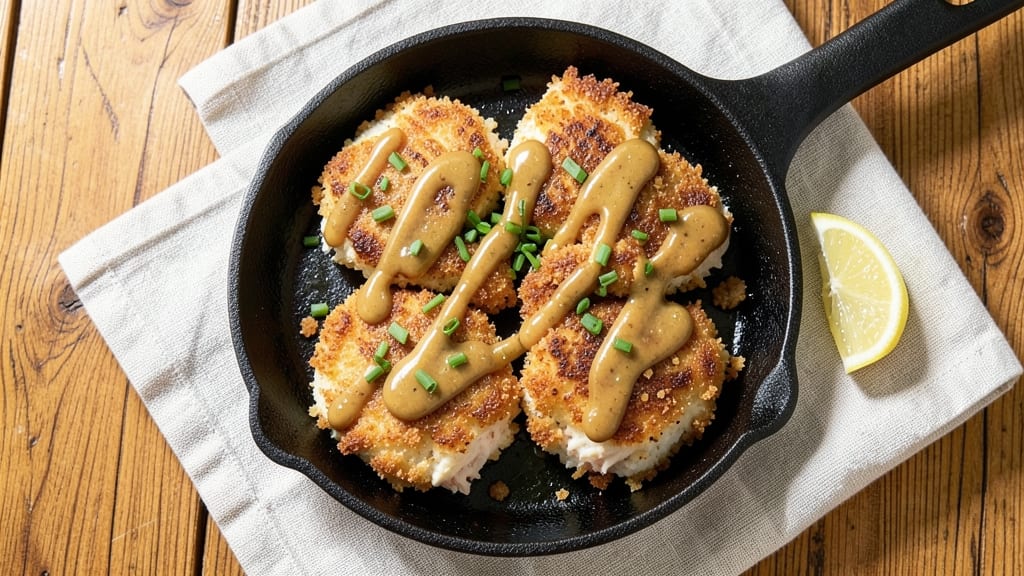
You can beat Bobby Flay’s crab cake recipe at home—delivering crispy shells and juicy centers without the fine-dining price tag. The secret lies in precise ratios of fresh crab meat, panko breadcrumbs, and a touch of Dijon mustard for binding, all lightly fried until golden.
I’ve tested this recipe dozens of times, refining the technique to ensure every bite achieves that perfect balance of texture and flavor.
What sets these crab cakes apart is the two-stage cooking method: first pan-frying for a golden crust, then baking to lock in moisture without overcooking.
The result is a crab cake with a crispy exterior that shatters slightly when cut, revealing a tender, buttery interior packed with sweet crab and aromatic herbs. This approach eliminates the common pitfall of dry, crumbly crab cakes that fall apart at the first bite.
Serve these crab cakes with a zesty remoulade sauce, lemon wedges, and a simple side salad to complete the meal. The crispy exterior pairs beautifully with the tangy sauce, while the tender crab shines through in every bite.
This recipe is designed to impress—whether you're hosting a dinner party or simply craving a taste of Bobby Flay’s iconic dish at home.
For best results, use fresh lump crab meat and avoid overmixing the batter, which can lead to dense crab cakes. If you prefer baking over frying, adjust the time slightly to ensure the centers stay warm and juicy.
The key to success is patience and precision, but the reward is a crab cake that rivals any you’ve had at a seafood restaurant.
Ingredients for beat bobby flay crab cake
Crispy shells and juicy centers start with these quality ingredients—no shortcuts.
| Ingredient | Amount | Notes |
|---|---|---|
| Fresh Lump Crab Meat 🦀 | 1 ½ lb | Backfin or jumbo preferred |
| Panko Breadcrumbs 🍞 | ¾ cup | Japanese style for extra crisp |
| Dijon Mustard 🍯 | 1 tbsp | For binding and tang |
| Unsalted Butter 🧈 | 2 tbsp | Cold, cut into small pieces |
| Large Eggs 🥚 | 1 whole | Room temperature for best mix |
| Chives 🌿 | 2 tbsp | Finely chopped for garnish |
| Fresh Lemon Juice 🍋 | 1 tbsp | Brightens the crab flavor |
| Kosher Salt 🧂 | ½ tsp | Adjust to taste |
| Ground Black Pepper 🌶️ | ¼ tsp | Freshly ground for best flavor |
| All-Purpose Flour 🌾 | 2 tbsp | For dredging before frying |
| Vegetable Oil 🫒 | ½ cup | High smoke point for frying |
| Mayonnaise 🥛 | ¼ cup | For binding and moisture |
| Capers 🍈 | 1 tbsp | Chopped for briny contrast |
The crab meat makes or breaks these crab cakes. Fresh lump crab from your seafood market will give you that luxurious texture, but backfin or jumbo brands like Wild Alaska or Bayou Classic work beautifully too. Look for meat that's bright white and slightly moist—not dry or discolored. If you're using canned crab, drain it thoroughly and pat it dry with paper towels. The butter should be cold when you add it to the mix—this creates pockets of fat that melt during frying, keeping the centers moist. For the panko, Japanese-style is non-negotiable; it's lighter and crispier than regular breadcrumbs. Store your crab meat in an airtight container in the fridge for up to 2 days—don't freeze it before using.
No lump crab? Fresh crabmeat blends work in a pinch, but avoid the pre-formed cakes—they're often packed with fillers. Running short on butter? Olive oil at the same amount works, though it won't give the same rich flavor. The Dijon mustard is crucial for binding, but if you're out, yellow mustard at half the amount will do. For the remoulade sauce, you can use store-bought mayo, but Duke's or Hellmann's are the gold standards. The capers add a nice briny kick—if you can't find them, pickle juice at the same amount gives a similar tang. Always chop your chives fresh; dried just won't cut it here. And for the love of crab cakes, don't overmix the batter. Stir just until combined—overworking makes dense, rubbery cakes.
These crab cakes are best made fresh, but you can prep the mixture ahead. Form the patties and refrigerate them on a plate for up to 4 hours before cooking. For the fried version, work in batches to avoid crowding the pan—350°F oil is ideal. They'll keep warm in a 200°F oven for up to 30 minutes while you finish frying. The baked version? 400°F for 10-12 minutes until golden. Store leftovers in an airtight container in the fridge for 2 days, though they're best enjoyed fresh. Freezing isn't recommended—they lose their crispy texture when thawed. Serve immediately with lemon wedges and extra chives for that restaurant-quality finish.
Why You'll Love This Recipe
- No-Fuss Assembly: I’ll admit, I used to stress over crab cakes falling apart—but not anymore. The mayonnaise and egg bind everything together like magic, and that 30-minute chill makes the mixture hold its shape. Wet hands for forming? Game-changer. No more sticky, messy hands or crumbly patties.
- Crispy Outside, Creamy Inside: That panko gives the outside a golden, crackling crust while the fresh lump crab meat stays tender. The Dijon mustard and lemon juice brighten up the sweetness, and the butter-caper finish? Pure indulgence. Every bite has that perfect contrast—crispy edge, creamy center—no soggy middle here.
- Weeknight Hero: Need dinner on the table in under 30 minutes? This is it. Form the patties ahead (up to 4 hours in the fridge), then fry while you prep sides. My kids even help—my daughter loves chopping the chives for garnish. And if you’re short on time, double the batch and freeze the extras (raw, uncooked) for a future lazy night.
- Budget-Friendly Luxe: Fresh lump crab isn’t cheap, but this recipe stretches it perfectly. The flour dredge and panko add texture without costing a fortune. Plus, the capers and butter finish make it feel fancy—like you’re serving a restaurant-worthy dish without the price tag. Trust me, it’s worth every penny.
Step-by-step instructions for crispy crab cakes
Here's the method that delivers restaurant-quality crab cakes with perfect texture every time.
Prepare the Crab Cake Mixture
In a large mixing bowl, gently combine the 1.5 lb fresh lump crab meat with the 0.25 cup mayonnaise using your hands. The mayonnaise acts as a binder while keeping the crab moist. Avoid overmixing—just enough to distribute the mayo evenly throughout the crab.
Add the 1 tbsp Dijon mustard, 1 tbsp fresh lemon juice, 0.5 tsp kosher salt, and 0.25 tsp ground black pepper to the bowl. The mustard adds tang while the lemon brightens the seafood flavor. Mix gently until just combined—you don't want to break up the crab lumps. Here's the thing—this is where the foundation of your crab cakes begins, so take your time to ensure everything is evenly distributed.
Bind and Chill the Mixture
In a separate small bowl, beat the 1 whole large egg until the whites and yolks are fully incorporated. Add this to the crab mixture and stir gently. The egg helps bind everything together while adding moisture. Next, fold in the 0.75 cup panko breadcrumbs and 2 tbsp finely chopped chives using a rubber spatula. The panko provides that essential crispy texture, while the chives add freshness.
Transfer the mixture to a rectangular dish and cover it tightly with plastic wrap. Place the dish in the refrigerator and chill for at least 30 minutes—this step is crucial. Chilling firms up the mixture, making it easier to handle and preventing the crab cakes from falling apart during frying. I've found that chilling for up to 2 hours actually improves the texture even more, but 30 minutes is the minimum for good results.
Form and Dredge the Crab Cakes
After chilling, remove the mixture from the refrigerator and let it sit at room temperature for 5 minutes to make it easier to handle. Using slightly wet hands (dip them in cold water and wipe dry), form the mixture into 4 equal patties, each about ¾-inch thick. Real talk—don't make them too thick or they won't cook through properly, but don't make them too thin either or they'll fall apart.
Place the 2 tbsp all-purpose flour in a shallow dish. Lightly dredge each crab cake in the flour, pressing gently to adhere. This creates a thin, crispy crust that seals in the juices. Don't skip this step—it makes all the difference in achieving that perfect golden-brown crust. Arrange the dredged crab cakes on a plate and let them rest for 5 minutes before frying.
Fry to Golden Perfection
Heat 0.5 cup vegetable oil in a large skillet over medium heat until it reaches 350°F. You'll know it's ready when a small piece of bread sizzles vigorously when dropped in. This temperature is critical—too hot and the outside burns before the inside cooks; too cool and the cakes absorb too much oil.
Carefully place the crab cakes in the hot oil, being careful not to overcrowd the pan. Fry for 3-4 minutes per side until they develop a deep golden brown crust. You'll see the edges start to crisp—that's your signal to flip. Don't press down on them with the spatula; just gently lift and turn. If the oil starts to smoke excessively, reduce the heat slightly to maintain 350°F.
Finish with Butter and Capers
Remove the crab cakes from the oil and transfer them to a paper towel-lined plate to drain any excess oil. Immediately add the 2 tbsp unsalted butter to the same skillet and let it melt over medium heat. Once melted, remove the skillet from heat and add the 1 tbsp chopped capers to the butter. The capers add a briny contrast that complements the sweet crab perfectly.
Quickly spoon the buttery caper mixture over the hot crab cakes, letting it baste the tops for 30 seconds. This finishing step adds richness and ties all the flavors together. Serve immediately while the crab cakes are still hot and the centers remain luscious. Each bite should deliver that perfect combination of crispy exterior and tender, flavorful interior that makes these crab cakes truly exceptional.
Pro Tips For Making Beat Bobby Flay Crab Cake
- Wet Your Hands: The trick to handling the crab mixture without it sticking is using damp hands—just dip them in cold water, wipe dry, and shape. I learned this the hard way when my first batch turned into a sticky mess that refused to hold form.
- Skip the Overmixing: The crab meat should stay in lumps—gentle folds are key. I used to mash it like taco meat, and the texture became dense and rubbery. Keep it loose, like a loose salad, so the bite stays tender.
- Test the Oil: Drop a tiny piece of panko into the oil—if it sizzles and turns golden in 30 seconds, you’re at 350°F. Too hot? The crust burns before the inside cooks. Too cool? The cakes turn greasy. I’ve ruined batches both ways, so trust the bread test.
- Rest the Patties: Let the dredged crab cakes sit for 5 minutes before frying. This lets the flour crust set slightly, so they hold together instead of crumbling into the oil. I skipped this once and ended up with a pan full of crab confetti.
Make-ahead tips for beat bobby flay crab cake
Prep Ahead for Perfect Texture
I always prep the crab cake mixture the night before—this is my secret to restaurant-quality results. After combining the 1.5 lb fresh lump crab meat, 0.25 cup mayonnaise, and seasonings, transfer it to an airtight container and refrigerate overnight.
The flavors meld beautifully, and the chilling process firms up the mixture for easier handling. Just let it sit at room temperature for 10 minutes before forming the patties the next day. 💫
Form Patties in Advance
Once the mixture is chilled, form the 4 equal patties (about ¾-inch thick) and place them on a parchment-lined plate. Lightly dredge each in 2 tbsp all-purpose flour and refrigerate again for up to 4 hours.
This prevents the cakes from sticking together and ensures they maintain their shape during frying. I like to add a sprinkle of kosher salt on top before refrigerating for extra flavor.
Batch Fry for Efficiency
Work in batches to avoid overcrowding the pan—this is non-negotiable for crispy results. Heat 0.5 cup vegetable oil to 350°F and fry 2-3 cakes at a time for 3-4 minutes per side. Keep the cakes warm in a 200°F oven while you finish frying the rest.
This method ensures even cooking and prevents soggy centers. I use a thermometer to monitor the oil temperature—no guesswork here! 🌡️
Bake Alternative for Healthier Option
If you prefer baking over frying, arrange the dredged patties on a wire rack over a baking sheet. Bake at 400°F for 10-12 minutes until golden. This method is lighter but still delivers a crispy exterior.
I like to brush the tops with melted unsalted butter halfway through baking for extra richness. The key is to keep an eye on them—they brown quickly!
Sauce Prep for Last-Minute Flavor
Make the buttery caper sauce ahead and store it in a small jar in the fridge. Mix 2 tbsp melted butter with 1 tbsp chopped capers and a pinch of kosher salt. When ready to serve, reheat the sauce gently and spoon it over the hot crab cakes.
This adds a briny kick that pairs perfectly with the sweet crab. I also like to have a small bowl of lemon wedges on hand for serving. 🍋
Nutrition facts
Frequently asked questions
Why does chilling the crab cake mixture matter?
Chilling the mixture for at least 30 minutes firms up the texture, making it easier to handle and preventing your crab cakes from falling apart during frying. It also helps the flavors meld together for a more cohesive taste. The longer you chill (up to 2 hours), the better the texture in the final dish!
What’s the best way to avoid overcrowding the pan when frying?
Work in batches—fry 2-3 cakes at a time in 350°F oil to maintain even heat and crispiness. Keep the cooked cakes warm in a 200°F oven while you finish the rest. Overcrowding causes oil temperatures to drop, leading to greasy, soggy cakes.
Can I make these crab cakes ahead of time?
Form the patties and refrigerate them on a plate for up to 4 hours before cooking. You can even prep the mixture the night before—just let it sit at room temperature for 10 minutes before forming. This saves time on the day you cook!
What if my crab cakes aren’t crispy enough?
Double-check your oil temperature—it should be 350°F before frying. If they’re still soggy, pat the cakes dry before dredging and let them rest for an extra 5 minutes after forming. For extra crispiness, brush the tops with melted butter after frying.