
Main Courses
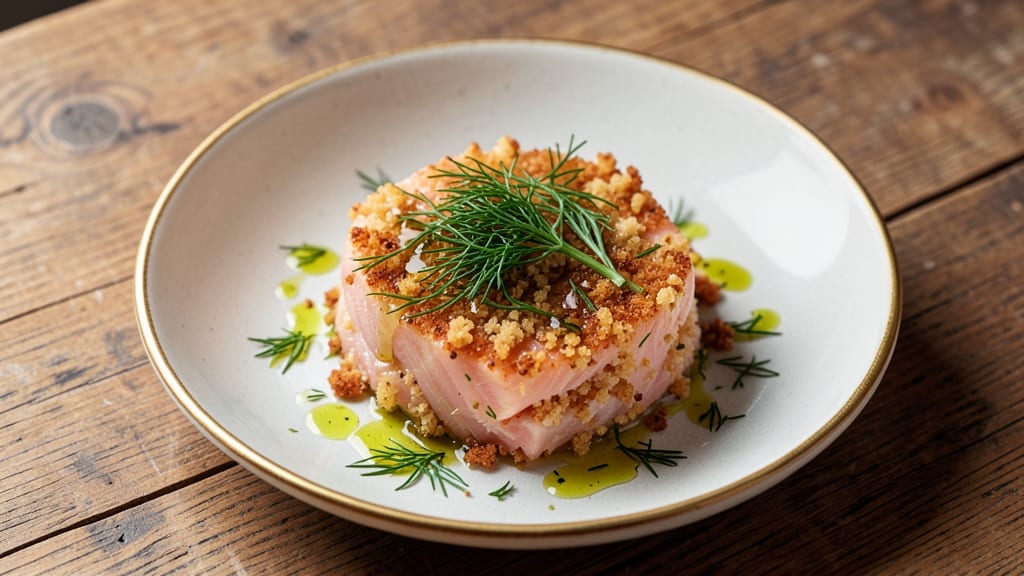
This basic salmon cake recipe delivers the perfect balance of a crispy crust and flaky fish inside, transforming simple ingredients into a restaurant-worthy dish. After years of perfecting the technique, I’ve developed a method that ensures tender salmon holds together beautifully while achieving that coveted golden-brown exterior.
The secret lies in precise texture control—using the right binding agents and cooking method to avoid dryness or mushiness.
The foundation of great salmon cakes begins with fresh salmon, finely chopped and mixed with breadcrumbs, eggs, and herbs to create a cohesive, flavorful mixture. Unlike traditional fish cakes, this recipe focuses on maintaining moisture while developing a satisfying crunch through careful pan-frying or baking.
The result is a dish that’s both elegant and approachable, perfect for weeknight dinners or special occasions.
What you’ll end up with is a plate of golden, crispy-edged salmon cakes that flake effortlessly when cut, revealing tender, moist fish beneath. The flavor profile is bright yet balanced, with optional citrus or dill glaze adding a fresh finish.
Serve immediately for the best texture, accompanied by a simple salad or steamed vegetables to complement the richness.
This recipe is designed to be versatile—adjust the seasoning to your taste, experiment with different binding agents like panko for extra crunch, or add a touch of heat with chili flakes.
The key is patience in the cooking process, ensuring even browning without overcooking the delicate fish inside. Let’s get started on creating your perfect salmon cakes.
Ingredients for basic salmon cake
Fresh salmon, crispy panko, and secret moisture binders—this is your crispy crust, flaky fish game-changer.
| Ingredient | Amount | Notes |
|---|---|---|
| Fresh Atlantic Salmon Fillet 🐟 | 1 lb | Skin removed, finely chopped |
| All-Purpose Flour 🌾 | ½ cup | For binding mixture |
| Japanese Panko Breadcrumbs 🍞 | ¾ cup | Light and crispy texture |
| Large Eggs 🥚 | 2 whole | Room temperature for even mixing |
| Fresh Dill Weeds 🌿 | ¼ cup | Finely chopped, stems removed |
| Extra-Virgin Olive Oil 🫒 | 2 tbsp | For pan-frying, high smoke point |
| Unsalted Butter 🧈 | 2 tbsp | Melted for crispy coating |
| Diamond Crystal Kosher Salt 🧂 | 1 tsp | Fine grain for even seasoning |
| Fresh Lemon Juice 🍋 | 1 tbsp | Brightens flavor profile |
| Garlic Cloves 🧄 | 2 cloves | Minced for aromatic depth |
| Mayonnaise 🥫 | 2 tbsp | For moisture retention |
| All-Purpose Baking Powder 🧂 | ½ tsp | Lightens texture slightly |
| Ground Black Pepper 🌶️ | ½ tsp | Freshly cracked for heat |
| Whole Milk 🥛 | 2 tbsp | For tenderizing mixture |
The salmon is absolutely essential—wild-caught Atlantic has the best texture, but farmed works too. Grab the fillet from Whole Foods or your local seafood counter—look for vibrant color and firmness. Chop it finely (about 1/4-inch pieces) so it holds together. I always buy extra because it’s worth it for that restaurant-quality texture. The panko? Japanese-style is non-negotiable here—it stays crispy while regular breadcrumbs turn soggy. Toast it lightly in a dry pan first if you're really feeling fancy (worth the extra minute).
No panko? Crushed cornflakes or matzo meal work in a pinch for crunch, though they won’t be as light. Short on dill? Fresh parsley or chives at the same amount add brightness. The mayo might seem odd, but it’s the secret to moisture retention—trust me, don’t skip it. For extra flavor, add a dash of hot sauce or finely grated lemon zest to the mixture. And if you’re feeling bold, swap half the panko for crushed potato chips for a next-level crunch (trust me on this one).
Salmon cakes are best served immediately, but you can reheat gently in a 300°F oven for 5-7 minutes to revive crispiness. Store leftovers in an airtight container for up to 2 days—though honestly, they’re better fresh. For meal prep, form the cakes ahead, chill them, and cook straight from the fridge for even browning. Freeze uncooked cakes on a tray, then transfer to a bag for up to 1 month. The key? Don’t overmix—just combine everything until just combined, or they’ll turn dense.
Why You'll Love This Recipe
- No-Fuss Assembly: The food processor does half the work here—just pulse that salmon until it’s chunky, and boom, you’re done with the chopping. No mincing garlic or dicing herbs by hand. The rest is just folding and pressing, which takes less time than microwaving leftovers.
- Crispy Outside, Creamy Inside: That panko-butter crust? It’s like a golden hug for every bite. The baking powder keeps the inside light, while the mayo and milk keep it from drying out. Trust me, the contrast is chef’s kiss—crunchy edge, flaky center, and that salmon flavor shining through.
- Weeknight Hero: I make these when I’m exhausted but still need something impressive. It’s one pan, one skillet, and you’re done in under 40 minutes. Serve it with a quick salad or just crack open a bottle of wine—no fuss, all flavor.
- Leftovers? Hardly Worth It: Honestly, these disappear in one sitting. But if you do have scraps, they reheat beautifully (though fresh is always better). And if you’re feeling fancy, freeze the uncooked cakes—just bake straight from the freezer (add 5 minutes to the oven time).
Step-by-step instructions for crispy salmon cake with flaky interior
Here's how to transform your salmon fillet into a golden, crunchy cake with a delicate, flaky center.
Create the Perfect Salmon Mixture
In a food processor, pulse the 1 lb fresh Atlantic salmon fillet (skin removed) until it forms a coarse, chunky texture—think of it like finely diced meat. You want visible pieces, not a paste. Transfer this to a large mixing bowl and set aside.
In a separate bowl, whisk together the 2 whole large eggs (room temperature), 2 tbsp mayonnaise, 2 tbsp whole milk, 1 tbsp fresh lemon juice, 0.5 tsp all-purpose baking powder, 0.5 tsp ground black pepper, and 1 tsp diamond crystal kosher salt. This mixture will keep your cake tender and moist while adding brightness. Add the egg mixture to the salmon and gently fold until just combined.
In another bowl, combine the 0.5 cup all-purpose flour and 0.25 cup finely chopped fresh dill weeds. Sprinkle this over the salmon mixture and fold gently—just until incorporated. Overmixing develops gluten, which can make your cake dense. The reason we use baking powder here is to create subtle lift, ensuring that flaky texture you're after.
Build the Crispy Crust Layer
Melt the 2 tbsp unsalted butter in a small saucepan over low heat until completely liquid but not browned. Remove from heat and let it cool slightly. This butter will be our secret weapon for creating that irresistible crispy crust.
In a shallow dish, mix the 0.75 cup Japanese panko breadcrumbs with the cooled melted butter until every crumb is evenly coated. The panko's light, airy structure will create that perfect crunch while the butter adds richness. This is the layer that will give your salmon cake its signature crispy exterior.
Transfer half of the salmon mixture to a greased 8-inch round cake pan (or similar size). Press it down gently but firmly to create an even base. Sprinkle half of the buttered panko mixture over the top, pressing down lightly so it adheres. Repeat with the remaining salmon mixture and panko, creating a layered effect. The key here is to keep everything level—uneven layers lead to uneven cooking.
Pan-Fry to Golden Perfection
Heat 2 tbsp extra-virgin olive oil in a large oven-safe skillet over medium heat until shimmering but not smoking. Place your assembled salmon cake in the pan and press down gently with a spatula to ensure good contact with the oil. This helps create an even, golden-brown crust on the bottom.
Cook for 4-5 minutes until the bottom is deep golden brown and the edges begin to crisp. You'll see the oil bubbling gently around the edges—that's your cue that the crust is forming properly. Here's the thing—don't rush this step. If you move too quickly, you'll end up with a pale, soggy bottom instead of that beautiful crispy crust we're after.
Carefully transfer the skillet to a 375°F preheated oven. Bake for 12-15 minutes until the top is golden brown and the internal temperature reaches 145°F when measured at the thickest part. The cake should feel firm to the touch but still slightly springy in the center. This baking time ensures the interior stays flaky while the crust finishes crisping.
Rest and Serve with Flavorful Garnish
Remove the salmon cake from the oven and let it rest for 5 minutes before attempting to slice. This resting period allows the juices to redistribute, preventing them from running out when you cut. I know it's tempting to dig in immediately, but trust me—this step makes all the difference in texture.
While it rests, mince the 2 cloves garlic and finely chop any remaining fresh dill. In a small bowl, mix these with 1 tbsp fresh lemon juice to create a bright, aromatic garnish. This final touch adds freshness that cuts through the richness of the salmon cake.
Slice the salmon cake into wedges and serve immediately, drizzled with the garlic-dill lemon mixture. The contrast between the crispy exterior and flaky interior should be your main focus here. Each bite should deliver that perfect combination of textures—crunchy crust giving way to tender, moist fish. Serve with a simple arugula salad or steamed vegetables to balance the richness.
Pro Tips For Making Basic Salmon Cake
- Pulse, Don’t Purée: DESCRIPTION: That food processor wants to turn your salmon into a paste, but you’re aiming for chunky—like rough dice, not fish glue. Hit pulse in 3-4 bursts, scrape down the sides between, and stop when you can still see flecks. I learned this the hard way after making a dense, sad patty that fell apart.
- Butter Panko Like a Pro: DESCRIPTION: Cold butter + warm panko = greasy mess. Melt the 2 tbsp unsalted butter first, then let it cool just enough to coat the crumbs without steaming them. Spread them in a single layer and toss gently—no clumps. This isn’t a snowball fight; precision matters.
- Press Don’t Pound: DESCRIPTION: When shaping the cake, press the salmon mixture firmly but evenly—like you’re tucking in a fitted sheet, not flattening a pancake. Too much force = dense center; too little = crumbly layers. The goal is a base that holds together but still feels tender when you cut it.
- Oil Hot, Pan Cold: DESCRIPTION: Your skillet should be shimmering with oil—hot enough to sizzle when the cake hits, but not smoking. If it’s too cool, the bottom steams instead of crisps. I used to rush this, and my cakes ended up greasy and pale. Give the oil 2 minutes to heat properly after adding it.
Wine and beer pairings for this dish
Bright Citrus Wines
The zesty flavors in your salmon cake pair beautifully with crisp, citrus-forward wines. I always reach for a Sauvignon Blanc from New Zealand—its bright acidity and notes of lime and passionfruit cut through the richness of the salmon.
Look for Cloudy Bay or Kim Crawford for that perfect balance of freshness and complexity. The lemon juice in your garnish will harmonize perfectly with the wine's citrus notes, creating a cohesive flavor experience. 🍋
Dry Rieslings
For a slightly more elegant pairing, a German Dry Riesling offers just the right amount of sweetness and acidity. These wines have vibrant stone fruit flavors that complement the delicate salmon without overpowering it.
I particularly love Dr. Loosen Blue Slate—its mineral notes enhance the dish's natural brightness. The wine's subtle honeyed finish pairs wonderfully with the crispy panko topping. 💫
Crisp Lager Options
If you prefer beer, a German Pilsner like Warsteiner or Krombacher provides the perfect clean, refreshing contrast. The malty sweetness balances the dish's savory elements while the crisp hop bitterness cuts through the richness.
For a craft beer alternative, try a Belgian Witbier like Hoegaarden, which adds a touch of citrus and coriander that echoes the dill in your salmon cake. 🍺
Oaked Chardonnay Balance
When you want something a bit more indulgent, an oaked Chardonnay from California can work surprisingly well. The buttery notes complement the melted butter in your crust, while the oak's vanilla undertones enhance the salmon's natural sweetness.
I recommend Kistler Russian River Valley—it's rich enough to stand up to the dish but still balanced. Pair it with your garlic-dill lemon garnish for a sophisticated touch. 🍷
Sparkling Wine Surprise
For a festive twist, serve your salmon cake with a French Brut Champagne like Veuve Clicquot. The effervescence cleanses your palate between bites, while the toasty notes complement the crispy panko.
The slight sweetness in some Champagnes also enhances the dish's bright lemon flavors. It's an unexpected but delightful pairing that feels special for any occasion. ✨
Nutrition facts
Frequently asked questions
Why does my salmon cake turn out dense instead of flaky?
Overmixing is the culprit! Gently fold the ingredients just until combined—no more than 10-12 strokes with a spatula. Also, ensure your baking powder is fresh; old baking powder loses its lift. The mayonnaise and milk in the mix help retain moisture, but if you skip them or overwork the batter, the texture suffers.
Can I make these salmon cakes ahead of time?
Form the cakes and refrigerate them for up to 24 hours before cooking. Cook straight from the fridge—the cold temperature helps maintain structure. For freezing, assemble the cakes on a tray, flash-freeze for 1 hour, then transfer to a bag. Cook from frozen, adding 3-5 extra minutes to the baking time.
What’s the best way to get a crispy crust without burning?
Start with medium heat in the pan, and let the oil shimmer—not smoke—before adding the cake. Press gently to ensure even contact. After 4-5 minutes of pan-frying, transfer to the oven at 375°F to finish cooking. This two-step method gives you a golden crust without overcooking the inside.
Can I substitute panko with something else?
Yes! For extra crunch, try crushed cornflakes or matzo meal, but panko is ideal because it stays light and crispy. If you’re in a pinch, use almond flour (though it’ll be denser) or even crushed potato chips for a salty crunch—just coat them well in melted butter first!