
Desserts
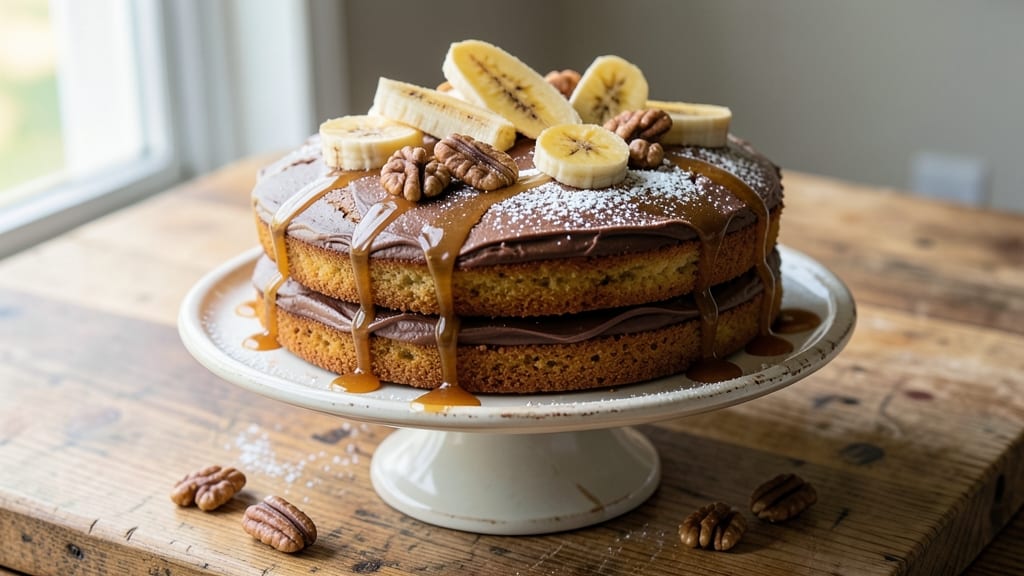
This banana cake recipe delivers moist, tender layers that stay fresh for days—thanks to a secret buttermilk boost that transforms ordinary cake into something extraordinary. 💛 I developed this version after testing countless recipes that either dried out too quickly or relied on heavy frosting to mask lackluster texture.
The buttermilk creates a subtle tang that balances the sweetness while keeping every slice perfectly moist.
The beauty of this recipe lies in its simplicity: one bowl, minimal mixing, and a foolproof method for achieving that signature banana cake flavor without overworking the batter.
Overripe bananas (the spottier, the better) form the base, while a touch of cinnamon and vanilla extract deepens the warm, comforting aroma that fills your kitchen as it bakes. The result is a cake that's rich yet light, with just enough density to hold its shape while remaining tender.
What makes this version truly special is how it handles moisture retention—no soggy bottoms or dry crumbs here. The buttermilk reacts with baking soda during baking, creating tiny air pockets that keep the cake moist for up to five days when stored properly.
Whether you prefer a simple powdered sugar dusting or a velvety cream cheese frosting, this cake serves as the perfect canvas for any topping while standing strong on its own.
Perfect for breakfast, dessert, or even a mid-afternoon pick-me-up, this recipe scales beautifully for gatherings while remaining simple enough for weeknight baking. The secret buttermilk technique ensures restaurant-quality results every time—no fancy equipment or advanced skills required. Let's get baking!
Ingredients for bannana cake
Pantry staples plus buttermilk's secret moisture boost—no fancy ingredients, just perfect banana cake.
| Ingredient | Amount | Notes |
|---|---|---|
| Overripe Bananas 🍌 | 2 cups | Mashed, spottier preferred |
| All-Purpose Flour 🌾 | 1 ½ cups | Sifted for even texture |
| Granulated Sugar 🍚 | 1 cup | White or light brown |
| Buttermilk 🥛 | 1 cup | Full-fat for richness |
| Unsalted Butter 🧈 | ½ cup | Room temperature, cubed |
| Baking Soda 🧂 | ½ tsp | Pure, not baking powder |
| Vanilla Extract 🍯 | 1 tbsp | Pure, not imitation |
| Ground Cinnamon 🌿 | 1 tsp | Freshly ground preferred |
| Salt 🧂 | ½ tsp | Fine sea salt |
| Large Eggs 🥚 | 2 whole | Room temperature |
| Powdered Sugar 🍚 | ¼ cup | For dusting |
| Cream Cheese 🧀 | 4 oz | Room temperature, optional |
The bananas are non-negotiable—spotted, mushy ones pack the most flavor. Trader Joe's often has perfect overripe ones, or check your own fruit bowl. Buttermilk is the star here: full-fat yields the richest texture, and Kroger's brand works perfectly. For the flour, King Arthur is my go-to—it's finely milled and reliable. The cinnamon should be freshly ground if possible, but store-bought works fine. Room-temperature butter is crucial—it blends smoothly without greasing the bowl excessively.
No buttermilk? Mix 1 cup milk with 1 tbsp vinegar or lemon juice, let sit 5 minutes. Substitute powdered sugar for regular sugar if needed, though it'll be slightly less moist. Almond flour can replace up to 25% of the all-purpose flour for a gluten-free version, but texture will differ. For the cream cheese frosting, Philadelphia brand is ideal—it's the most stable for whipping. If you're making this ahead, the batter can sit at room temperature for up to 24 hours before baking, which actually enhances the flavor.
This cake peaks at room temperature after 2-3 hours, but stays moist for 5 days wrapped in foil. For longer storage, freeze slices between parchment paper for up to 3 months. The frosting keeps 3 days refrigerated, but add a thin layer of butter on top to prevent drying. I always bake an extra cupcake—it's the perfect size for testing the batter consistency before committing to the full cake.
Why You'll Love This Recipe
- No Panic Prep: This recipe is my secret weapon for when I’m too tired to stand at the counter for hours. Just mash those overripe bananas—spots and all—and let the buttermilk and butter do the heavy lifting. No fancy techniques, just toss everything together and bake. Honestly, it’s the kind of cake where you can pull it out of the oven and call it a win, no matter what.
- Creamy, Cinnamon-Kissed Magic: The buttermilk makes this cake impossibly moist, while the cinnamon and vanilla extract from the overripe bananas create a flavor that’s dangerously addictive. That optional cream cheese layer? Chef’s kiss—it adds a tangy richness that balances the sweetness perfectly. Trust me, one bite and you’ll forget about sad, dry banana bread.
- Weeknight Crowd-Pleaser: I bring this to potlucks, game nights, or even just as a midnight snack when I’m craving something sweet. It’s the kind of cake that disappears fast—whether it’s your go-to dessert after dinner or a last-minute treat for a sleepover. Plus, the powdered sugar finish makes it look fancy without any extra effort.
- Fridge or Freezer Hero: This cake stays fresh for days, and if you’re like me and make it ahead, the buttermilk keeps it moist longer than any other banana cake I’ve tried. Need to meal prep? Slice it up and freeze between parchment paper for up to three months—no soggy surprises here. It’s my secret weapon for when I want dessert without the last-minute rush.
Step-by-step instructions for banana cake with buttermilk boost
Here's the method for a banana cake that stays moist for days—thanks to the buttermilk's magic.
👨🍳 Step 1: Prep Ingredients for Perfect Texture
Start by mashing the 2 cups overripe bananas in a medium bowl until completely smooth—no lumps allowed. The spottier the bananas, the more intense the flavor. In a separate bowl, whisk together the 1.5 cups all-purpose flour, 1 cup granulated sugar, 1 tsp ground cinnamon, 0.5 tsp salt, and 0.5 tsp baking soda. Sift the dry ingredients once to eliminate any clumps that could create dense pockets in the cake.
Measure out the 1 cup buttermilk and 2 whole large eggs separately. Let the 0.5 cup unsalted butter sit at room temperature until it yields slightly when pressed—this ensures even distribution in the batter. The room-temperature eggs will blend smoothly without creating air pockets.
🍳 Step 2: Mix Wet and Dry Ingredients Separately
In a large mixing bowl, combine the mashed bananas, 1 cup buttermilk, 0.5 cup unsalted butter, 1 tbsp vanilla extract, and the 2 whole large eggs. Whisk vigorously for 2 minutes until the mixture is homogenous and slightly thickened. The butter should be fully incorporated, creating a smooth, creamy base.
Gradually add the dry ingredients to the wet mixture while whisking continuously. Mix just until combined—do not overmix—or the cake will develop a tough, dense texture. The batter should be thick but pourable. Here's where the buttermilk's acidity shines: it tenderizes the gluten, keeping the final cake moist rather than dry.
🥘 Step 3: Bake in Layers for Even Moisture
Preheat your oven to 350°F. Grease two 8-inch round cake pans with butter or line them with parchment paper, then lightly flour them to prevent sticking. Divide the batter evenly between the pans—each should receive 1 cup of batter. Bake for 25-30 minutes, or until a toothpick inserted into the center comes out clean with just a few moist crumbs clinging to it.
Real talk: your oven might run hot, so start checking at the 20-minute mark. The cake should spring back slightly when pressed gently in the center. If the tops brown too quickly, tent loosely with aluminum foil to prevent over-browning while maintaining even cooking.
🍽️ Step 4: Add Cream Cheese Swirl (Optional but Worth It)
While the cakes are still warm, spread a thin layer of 4 oz cream cheese softened to room temperature on one of the cooled cake layers. The cream cheese should be smooth and spreadable—if it's too firm, microwave it in 10-second bursts until pliable. This step adds a luxurious tang that cuts through the sweetness.
Assemble the cakes with the cream cheese layer between them, then dust the top and sides generously with the 0.25 cup powdered sugar for a professional finish. Chill the cake in the refrigerator for at least 1 hour before slicing—this allows the layers to set properly and prevents crumbling.
Pro Tips For Making Bannana Cake
- Press Test Butter: That 0.5 cup unsalted butter needs to be room temperature—not warm, not cold, just soft enough it leaves a slight indent when you press a finger into it. I’ve ruined batches using cold butter that clumps into greasy lumps instead of blending smoothly into the wet ingredients.
- Sift Dry Ingredients Once: The 1.5 cups all-purpose flour, 1 cup granulated sugar, and baking soda mix should be sifted together once—no need to overdo it. I learned this after finding dense pockets in my cake; a single sift removes clumps without making the batter too airy.
- Whisk Wet Ingredients Hard: When mixing the mashed bananas, 1 cup buttermilk, 0.5 cup butter, eggs, and vanilla, whisk vigorously for 2 full minutes. The butter needs to emulsify completely, or you’ll end up with a cake that’s greasy in spots and dry in others.
- Check Toothpick Early: Start testing the cake at 20 minutes—your oven lies. The toothpick should come out with moist crumbs, not wet batter or dry powder. If it’s sticky after 25 minutes, your cake’s overdone; if it’s clean too soon, it’ll collapse.
Common mistakes when making your bannana cake
Overmixing the Batter
One of the most common mistakes I see is overmixing the batter after adding dry ingredients. When you mix beyond just until combined, you develop too much gluten, which creates a dense, tough cake instead of the tender crumb we want.
The buttermilk already tenderizes the gluten—don't undo its work! Stop mixing as soon as the flour disappears. 💡
Skipping Room-Temperature Ingredients
Cold butter or eggs will create lumps in your batter and prevent proper incorporation. Let your 0.5 cup unsalted butter and 2 whole large eggs sit at room temperature for at least 1 hour before mixing.
I always check by pressing the butter gently—it should yield slightly. Cold ingredients disrupt the emulsion and lead to uneven texture.
Underbaking for Soggy Centers
Pulling the cake out too soon is a classic mistake that results in a gummy center. Your cake is done when a toothpick comes out with just a few moist crumbs—not wet batter.
Bake until 25-30 minutes at 350°F, checking at the 20-minute mark. Underbaking creates a cake that's wet inside but dry outside, which no one wants.
Ignoring the Buttermilk Substitute
If you don't have buttermilk, mixing 1 cup milk with 1 tbsp vinegar or lemon juice works—but let it sit for 5 minutes to curdle properly. Skipping this step means you're not getting the acidity that tenderizes the cake and creates those air pockets for moisture.
The cake will be denser and drier without it.
Not Chilling Before Slicing
This is a game-changer! Chilling the assembled cake for at least 1 hour after dusting with powdered sugar prevents crumbling when you slice. The layers need time to set, especially if you added cream cheese.
I always wait until the cake is completely cool before cutting—patience here makes all the difference!
Nutrition facts
Frequently asked questions
Why does this banana cake recipe use buttermilk instead of regular milk?
The buttermilk creates a chemical reaction with the baking soda that produces tiny air pockets, keeping your cake moist for days. The acidity in buttermilk tenderizes the gluten too, preventing a dense texture. If you don't have buttermilk, mix 1 cup milk with 1 tbsp vinegar and let it sit for 5 minutes to curdle.
How do I know when the banana cake is fully baked?
Your cake is done when a toothpick inserted into the center comes out with just a few moist crumbs—not wet batter. Start checking at 20 minutes and bake for 25-30 minutes total at 350°F. If the top browns too quickly, cover it loosely with foil to prevent over-browning.
Can I make this cake ahead of time?
The batter can sit at room temperature for up to 24 hours before baking, which actually enhances the flavor. For longer storage, freeze individual slices between parchment paper for up to 3 months. The frosting keeps 3 days refrigerated if you add a thin layer of butter on top to prevent drying.
What’s the best way to avoid a dry cake?
Never overmix the batter—stop as soon as the flour disappears. Let your 0.5 cup unsalted butter and 2 eggs reach room temperature first, and don’t skip the 1 hour chilling before slicing. The buttermilk’s acidity is key to keeping the cake moist, so don’t substitute it without letting the milk curdle properly.