
Desserts
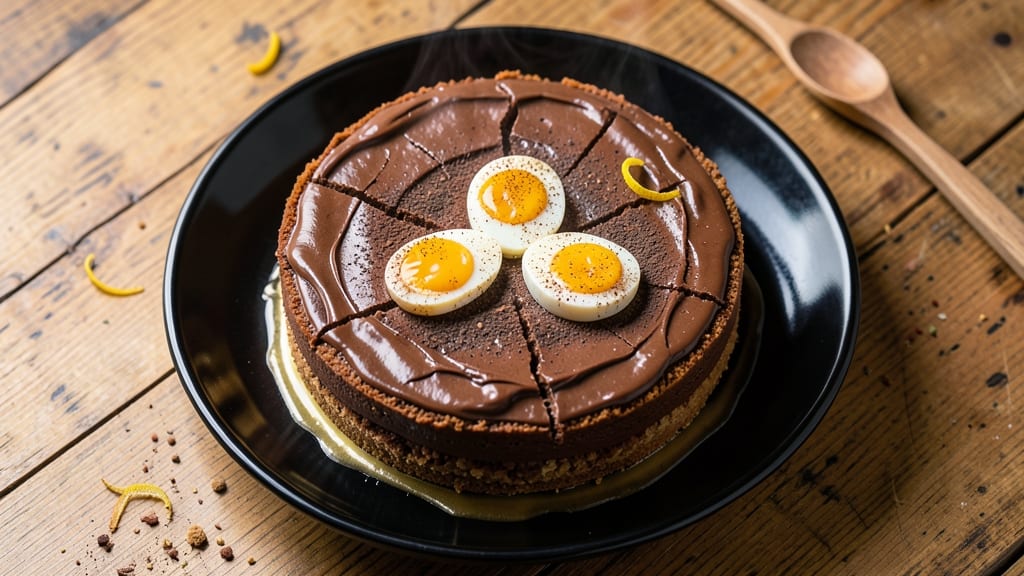
Austrian chocolate cake brings decadent dark chocolate layers with a nutty almond flour base—perfect for special occasions. This recipe delivers a moist, dense texture that balances rich cocoa with delicate almond flavor, inspired by traditional Austrian patisserie techniques.
The secret lies in precise layering and a velvety ganache that binds everything together without overpowering the chocolate's depth.
The almond flour foundation creates a subtly nutty contrast to the deep chocolate, while a touch of espresso powder enhances the cocoa's intensity. Baking at 350°F ensures even layers that stay perfectly moist, and the ganache—made with high-quality dark chocolate—adds luxurious shine and structure.
Every slice reveals a harmonious blend of textures and flavors that feels both elegant and approachable.
What sets this cake apart is its versatility: serve it warm with vanilla ice cream for a comforting dessert, or dust with powdered sugar for a classic finish. The recipe scales beautifully for gatherings, yet the technique remains simple enough for home bakers.
Whether you're celebrating a milestone or simply craving a treat, this cake delivers restaurant-quality results with a touch of Austrian charm.
Ready to impress your guests? The step-by-step instructions guide you through mixing, layering, and baking with confidence. No fancy equipment needed—just patience and attention to detail. Let’s create a cake that tastes like a trip to Vienna, one rich layer at a time.
Ingredients for austrian chocolate cake
Elegant layers of dark chocolate and almond flour create this sophisticated Austrian dessert masterpiece.
| Ingredient | Amount | Notes |
|---|---|---|
| Dark Chocolate (70% Cocoa) 🍫 | 8 oz | High-quality, chopped into chunks |
| Unsalted Butter 🧈 | 1 ½ cups | Cold, cubed for precise melting |
| Granulated Sugar 🍚 | 2 cups | Superfine preferred for smooth texture |
| Almond Flour 🌰 | 1 ½ cups | Finely ground, no baking soda added |
| Large Eggs 🥚 | 4 whole | Room temperature for even mixing |
| Espresso Powder ☕ | 1 tbsp | Enhances chocolate depth |
| Vanilla Extract 🌿 | 1 tbsp | Pure Madagascar preferred |
| All-Purpose Flour 🌾 | ½ cup | For structural balance |
| Baking Powder 🍞 | ½ tsp | Fresh for proper leavening |
| Salt 🧂 | ¼ tsp | Fine sea salt preferred |
| Heavy Cream 🥛 | 1 cup | Cold for stable ganache |
| Powdered Sugar 🍚 | 1 cup | For dusting and ganache |
The chocolate is non-negotiable here—Valrhona or Callebaut brands elevate the cake's depth, but Ghirardelli 70% cocoa works beautifully as a budget-friendly alternative. Almond flour should be finely ground (no baking soda) for a smooth texture; Bob's Red Mill or Anthony's Goods are reliable sources. For the espresso powder, Starbucks or Lavazza provide consistent quality, and a dark roast enhances the chocolate's intensity without bitterness. Butter should be European-style if possible—its higher fat content yields a richer crumb.
No espresso powder? Instant coffee granules at half the amount work in a pinch, though the flavor won't be identical. Substituting almond flour? Hazelnut flour offers a similar nutty profile, but texture may vary slightly. For a lighter cake, replace 0.25 cup almond flour with cake flour, though the nutty contrast will diminish. The heavy cream for the ganache must be cold—room temperature cream creates a grainy texture. If you prefer a dairy-free option, full-fat coconut cream mimics the richness, though the ganache will set firmer. Always temper the chocolate by melting butter first and whisking it into the chocolate before adding cream.
Store the cake layers at room temperature in an airtight container for up to 3 days, separated by parchment. The ganache can be made 1 day ahead and reheated gently for 30 seconds in the microwave. For serving, dust with powdered sugar immediately before cutting to maintain crispness. The cake freezes beautifully—wrap each layer individually in plastic, then foil, for up to 3 months. Thaw overnight in the fridge before assembling. Assemble the cake within 4 hours of baking to prevent drying; if needed, refrigerate the layers for 30 minutes before adding ganache for easier spreading.
Why You'll Love This Recipe
- No-Fuss Mixing: I swear by the 5-minute prep here—just melt butter and chocolate together, then fold in eggs and almond flour. No sifting, no measuring cups clogged with sugar. The almond flour keeps it light without the fuss of cake flour.
- Rich Without Overpowering: That 70% dark chocolate isn’t bitter—it’s deep, like a slow dance. The almond flour adds a subtle nuttiness that balances the cocoa, while the butter keeps it velvety. Honestly, it’s the kind of cake that tastes like a treat, not a guilty pleasure.
- Weeknight or Celebration: Same recipe for Tuesday dinners or birthday parties. Cut into squares for a picnic, slice for dessert, or even serve warm with ice cream. My kids ask for it after school snacks, but it’s also the showstopper when company comes over.
- Budget-Friendly Luxury: Almond flour might seem pricey, but you use less than flour-heavy cakes, and the dark chocolate’s intensity means you don’t need much. Leftovers? They actually improve overnight—moist, fudgy, and still crave-worthy the next day. (Yes, even on a Tuesday night.)
Step-by-step instructions for Austrian chocolate cake
This method delivers dense, fudgy layers with a perfectly balanced almond flour base.
Prepare the Chocolate Ganache
In a heatproof bowl, combine the 8 oz dark chocolate (70% cocoa) and 1.5 cups unsalted butter. Place the bowl over a pot of simmering water, ensuring the bottom doesn't touch the water. Stir gently until the chocolate and butter melt completely and the mixture reaches 110°F. Remove from heat and let cool to 100°F while you prepare the cake batter.
This ganache forms the soul of the cake—its temperature must be precise. If it's too hot, it will cook the eggs prematurely; too cool, and the layers won't set properly. The 100°F mark ensures perfect integration with the batter without curdling the eggs.
Whisk Wet Ingredients for Smooth Batter
In a separate large bowl, whisk together the 4 whole large eggs and 2 cups granulated sugar until the mixture lightens in color and triples in volume—about 3-4 minutes. This step incorporates air for a tender crumb. Add the 1 tbsp espresso powder and 1 tbsp vanilla extract, whisking until fully dissolved.
Here's where texture magic happens. The eggs should be pale yellow and slightly ribbony when you lift the whisk. If the mixture curdles at any point, strain it through a fine-mesh sieve to ensure a silky batter. The espresso powder enhances chocolate depth without bitterness—trust the measurement.
Combine Dry Ingredients and Ganache
Sift together the 1.5 cups almond flour, 0.5 cup all-purpose flour, 0.5 tsp baking powder, and 0.25 tsp salt in a medium bowl. Gradually fold these dry ingredients into the egg mixture until just combined—stop mixing when a few streaks of flour remain. Temper the mixture by slowly adding the cooled ganache while whisking constantly.
This folding technique prevents dense layers. The almond flour provides structure while keeping the cake moist, and the ganache infusion creates that signature Austrian richness. Work quickly but deliberately—overmixing develops gluten and compromises the tender texture we're after.
Bake in Layers for Perfect Rise
Preheat your oven to 350°F and grease three 8-inch round cake pans with butter, then dust with powdered sugar. Divide the batter evenly among the pans. Bake for 25-30 minutes or until a toothpick inserted in the center comes out clean. Let the cakes cool in the pans for 10 minutes, then transfer to a wire rack to cool completely.
The cakes should spring back when pressed gently—they'll firm up as they cool. If the tops brown too quickly, tent with foil after 15 minutes. Cooling completely prevents soggy layers when assembling. This patience ensures clean slices and proper layer adhesion.
Assemble with Ganache and Cream
Heat the 1 cup heavy cream in a saucepan until steaming but not boiling. Pour over 1 cup powdered sugar in a bowl and whisk until smooth. Spread 1/3 of this cream mixture between each cake layer, then pipe the remaining around the edges for a decorative border. Chill for 4 hours or overnight before serving.
This assembly creates the signature Austrian texture contrast—dense chocolate layers separated by light, velvety cream. The chilling time is non-negotiable; it allows the cream to set properly and the flavors to meld. Serve at room temperature for optimal texture and flavor release.
Pro Tips For Making Austrian Chocolate Cake
- Temper the Chocolate: Melt the dark chocolate (70% cocoa) in a heatproof bowl over simmering water—never microwave it. I learned this the hard way: microwaving burns the edges before the center melts, leaving you with grainy, uneven texture. Stir every 10 seconds until it’s smooth, then let it cool slightly before mixing with butter.
- Whisk Eggs at Room Temp: Take the eggs out of the fridge 30 minutes before using—no, don’t skip this. Cold eggs won’t emulsify properly with the butter and sugar, leading to a dense, dry cake. If you’re in a rush, run them under warm water for a minute, but let them sit afterward.
- Sift the Almond Flour Twice: Almond flour clumps like a stubborn mule, and this cake relies on it being light. Sift it once, then sift the remnants again to break up any hidden lumps. This isn’t just about aeration—it makes the texture buttery, not gritty.
- Bake in Two Stages: Preheat the oven to 350°F (175°C), but don’t put the cake in right away. Let the pan sit in the oven for 5 minutes to preheat the metal—this guarantees even rising. Then bake for 25-30 minutes, but check at 20: if the edges are set but the center jiggles slightly, it’s done. Overbaking turns this cake into a brick.
Troubleshooting this dish
Cake Too Dense
If your cake turns out dense instead of moist, the issue is likely overmixing or incorrect flour ratios. Almond flour absorbs moisture differently than all-purpose flour, so fold dry ingredients gently until just combined. Also, ensure your almond flour is finely ground—coarse texture can create a gritty, dense crumb.
For a lighter texture, replace 0.25 cup almond flour with cake flour, but expect a slightly less nutty flavor. 🌰
Dry or Cracked Top
Dry or cracked tops usually mean the oven was too hot or the cakes baked too long. Stick to 350°F and bake for 25-30 minutes max—check with a toothpick at 25 minutes.
If your oven runs hot, tent the pans with foil after 15 minutes. For extra insurance, brush the tops with 1 tbsp warm water before baking to encourage even browning without drying.
Ganache Separates
If your ganache looks grainy or separates, it’s likely due to temperature fluctuations. Always cool melted chocolate and butter to 100°F before combining with eggs. If it still separates, whisk in 1 tsp heavy cream to smooth it out.
For a foolproof method, melt the butter first, then whisk it into the chocolate before adding cream—this prevents curdling. 🍫
Layers Don’t Hold Together
Weak layers often mean the cake wasn’t cool enough before assembly. Let layers sit at room temperature for 2 hours before spreading cream. If they’re still too soft, chill them in the fridge for 30 minutes to firm up.
For extra stability, brush the cut sides with 1 tbsp warm apricot jam before adding cream—it acts as a natural glue.
Bitter Aftertaste
A bitter taste usually comes from overdoing the espresso powder or using low-quality chocolate. Stick to 1 tbsp espresso powder (or ½ tsp instant coffee) and use high-quality dark chocolate (70% cocoa) like Valrhona or Callebaut.
If the bitterness lingers, balance it with an extra ½ tsp vanilla extract or a pinch of sea salt in the batter.
Crumbling Edges
Crumbling edges happen when the cake dries out during cooling. After baking, transfer cakes to a wire rack immediately—don’t let them sit in the pan too long.
For extra protection, wrap cooled layers in plastic wrap and refrigerate for 1 hour before assembling. This keeps them moist and prevents breakage when slicing. ⏰
Nutrition facts
Frequently asked questions
Why does this Austrian chocolate cake use almond flour?
The almond flour creates a signature nutty contrast that balances the deep chocolate flavor, a hallmark of traditional Austrian pastries. It also keeps the cake moist longer than all-purpose flour while adding a delicate crunch. This combination is what gives the cake its elegant yet approachable texture.
Can I make this cake without espresso powder?
Yes! Use ½ teaspoon instant coffee granules instead, but the flavor won't be identical. The espresso enhances the chocolate's depth without bitterness. For a completely neutral version, simply omit it—though you'll lose some of that authentic Austrian richness.
How do I prevent the cake from cracking?
Bake at 350°F for no more than 25-30 minutes and check with a toothpick at 25 minutes. If your oven runs hot, tent the pans with foil after 15 minutes. Brush the tops with 1 tablespoon warm water before baking to promote even browning without drying.
Can I substitute dairy-free ingredients?
For the ganache, use full-fat coconut cream instead of heavy cream—it mimics richness but sets firmer. Replace butter with vegan butter (like Miyoko's), though the texture may be slightly denser. For the cream layer between cakes, coconut whipped cream works well when chilled properly.
How long can I store the assembled cake?
Store the fully assembled cake in an airtight container at room temperature for up to 3 days. For longer storage, refrigerate for up to 1 week or freeze for 3 months. Thaw overnight in the fridge before serving. The ganache may soften when chilled, so bring it to room temperature before slicing.