
Breakfast & Brunch
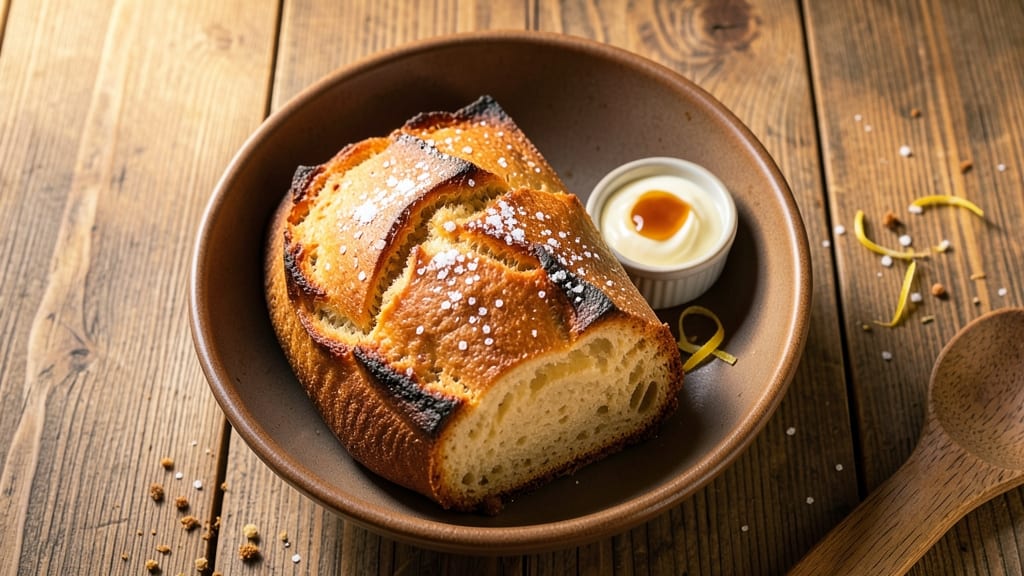
Transforming a box of Aunt Jemima pancake mix into a golden, buttery loaf of bread might sound surprising, but the results are nothing short of impressive.
This recipe leverages the mix's built-in leavening to create a tender, fluffy bread that requires no yeast or kneading—just a few simple steps and your oven. The secret lies in understanding how the mix's ingredients work together to create a bread-like texture with a subtle sweetness and rich, buttery flavor.
What makes this recipe particularly appealing is its simplicity and versatility. You’ll only need a handful of pantry staples, and the process unfolds in under an hour, including baking time.
The bread turns out with a soft, slightly dense crumb and a crispy, golden crust that’s perfect for toast or sandwiches. For those who enjoy a touch of sweetness, adding a teaspoon of cinnamon or a splash of vanilla extract to the mix elevates the flavor to new heights.
The bread’s texture is surprisingly close to traditional loaves, though it leans slightly denser due to the pancake mix’s composition. This makes it ideal for soaking up gravy, serving with jam, or slicing into thick pieces for French toast.
The beauty of this recipe is that it adapts effortlessly to savory variations—just omit any sweet additives and consider adding herbs or garlic powder for a savory twist.
Whether you're looking to repurpose a leftover box of pancake mix or experiment with a no-yeast bread recipe, this method delivers consistent, satisfying results. The best part? You’ll have a warm, homemade loaf ready in time for breakfast or a cozy snack, all without the fuss of traditional bread-making.
Let’s get started on creating your perfect loaf.
Ingredients for aunt jemima pancake mix bread
Just these 11 pantry staples transform pancake mix into a golden, buttery loaf—no yeast needed!
| Ingredient | Amount | Notes |
|---|---|---|
| Aunt Jemima Pancake Mix 🥞 | 2 cups | Original recipe mix only |
| Large Eggs 🥚 | 2 whole | Room temperature preferred |
| Unsalted Butter 🧈 | ½ cup | Melted, full-fat for richness |
| Milk 🥛 | 1 cup | Whole milk for best texture |
| Granulated Sugar 🍚 | ¼ cup | Adjust to taste for sweetness |
| Vanilla Extract 💧 | 1 tsp | Pure vanilla for flavor |
| Ground Cinnamon 🌿 | 1 tsp | Optional for sweet variation |
| Salt 🧂 | ½ tsp | Kosher or sea salt |
| All-Purpose Flour 🌾 | 1 cup | For binding texture |
| Vegetable Oil 🫒 | 1 tbsp | For greasing loaf pan |
| Water 💧 | ½ cup | Warm for best mixing |
The pancake mix is the star, so grab the original Aunt Jemima—none of those fancy flavors. Whole milk and butter make all the difference here; skip the low-fat versions. I always check the expiration date on the mix—if it's past its prime, the bread gets dense. For the butter, Land O'Lakes or Plugrá work best, but any full-fat brand is fine. The cinnamon is optional but worth it for that cozy breakfast vibe. Trader Joe's has great cinnamon at a good price, but the regular grocery store stuff works too.
No vanilla? Almond extract at half the amount works in a pinch, but it tastes different. Out of milk? Greek yogurt thinned with water keeps the texture close. Need a savory version? Swap the sugar for 1 tsp garlic powder + 1 tsp dried parsley and skip the cinnamon. The flour is just for binding—King Arthur is my go-to, but any all-purpose works. For the water, warm (not hot) helps the mix activate better. Pro tip: if your mix feels dry, add 1 extra tbsp milk—it makes a softer crumb.
This bread is best fresh but reheats beautifully. Wrap leftovers in foil and pop in a 350°F oven for 5-10 minutes—crispy crust guaranteed. Keeps 3-4 days at room temp or 1 week in the fridge. For longer storage, freeze slices wrapped in parchment—thaw at room temp for 10 minutes before toasting. The crust gets crunchier overnight, so make extra if you can—it disappears fast!
Why You'll Love This Recipe
- Pantry-to-Table Magic: I swear, this bread comes together while you’re still debating whether to watch one more episode. Just mix the pancake mix, eggs, and milk—no fancy steps, no measuring cups that never fit right. The butter and sugar melt into something fluffy and golden with zero stress.
- Sweet, Soft & Unexpected: Honestly, I wasn’t sure what to expect—bread from pancake mix? But that touch of sugar in the batter keeps it tender, and the butter makes every slice taste like a hug. It’s not dense or dry; it’s the kind of bread that disappears faster than my willpower on a Sunday morning.
- Weeknight Hero: Between us, this is my go-to when I forget to buy bread again. Toss a loaf in the oven while dinner simmers, and suddenly you’ve got toast for breakfast, sandwiches for lunch, and French toast for dessert. (Yes, even on a Tuesday night.)
- Budget Breakfast Win: A box of pancake mix and a few cents’ worth of butter stretch into a whole loaf—way cheaper than store-bought. Leftovers? Toast them for crunchy French toast or freeze slices for quick breakfasts. My wallet and my taste buds thank me.
Step-by-step instructions for Aunt Jemima pancake mix bread
Transform your pantry staples into a tender, golden loaf without yeast or waiting!
Mix Wet Ingredients Until Silky
In a large mixing bowl, combine the 0.5 cup unsalted butter and 1 cup milk over a pot of barely simmering water (double boiler method). Stir until the butter melts completely and the mixture reaches about 110°F—warm enough to dissolve sugar but not hot enough to scramble eggs. Remove from heat and whisk in the 2 whole large eggs, 0.25 cup granulated sugar, 1 tsp vanilla extract, 1 tsp ground cinnamon, and 0.5 tsp salt until fully incorporated and smooth. The mixture should coat the back of a spoon with a satiny sheen.
Here's the thing—warm liquid helps activate the pancake mix's leavening agents, while room-temperature eggs prevent curdling. If your eggs are cold, let them sit in warm water for 5 minutes first. The batter should look like thick pudding but still be pourable.
Combine Dry Ingredients for Perfect Texture
In a separate bowl, whisk together the 2 cups Aunt Jemima Pancake Mix and 1 cup all-purpose flour. Sift the mixture through a fine-mesh strainer directly into the wet ingredients to avoid lumps. Using a rubber spatula, gently fold the dry ingredients into the wet mixture just until combined—do not overmix. You'll see streaks of flour disappear, but a few should remain visible. This prevents a dense, cake-like texture and ensures a tender crumb.
I like to use a figure-eight motion when folding to incorporate air without developing gluten. If the batter looks too thick after mixing, add the 0.5 cup warm water 1 tablespoon at a time until it reaches a thick but pourable consistency. The batter should hold its shape when dropped from a spoon but still flow smoothly.
Prepare and Pour the Loaf Pan
Preheat your oven to 350°F. Lightly grease a 9x5-inch loaf pan with 1 tablespoon vegetable oil, then line the bottom with parchment paper for easy removal. Pour the batter into the prepared pan and smooth the top with a spatula. Tap the pan gently on the counter 3-4 times to release any air bubbles trapped in the batter. The surface should be even and slightly domed in the center.
This tapping step is crucial—it prevents large air pockets that could create sinkholes in your loaf. For extra insurance, I like to run a toothpick through the batter in a grid pattern before baking. Bake uncovered for 50-55 minutes until the top is golden brown and a toothpick inserted in the center comes out clean. The internal temperature should reach 205°F.
Test for Doneness and Cool Properly
Remove the loaf from the oven and let it rest in the pan for 10 minutes. Then transfer it to a wire rack to cool completely—this is critical for preventing a gummy texture. The bread will continue to set as it cools, and the internal temperature will rise another 10-15°F. Poke the center with your finger; it should spring back slightly when pressed.
For the best results, I recommend slicing the loaf 1 hour after baking when it's fully cooled. This allows the structure to firm up while keeping the crumb moist. The finished loaf should have a crisp golden crust with a tender, slightly sweet interior that crumbles easily but holds together when sliced. Store any leftovers wrapped tightly in plastic at room temperature for 2 days or freeze for up to 3 months.
Pro Tips For Making Aunt Jemima Pancake Mix Bread
- MELT THE BUTTER FIRST: I learned this the hard way—dumping cold butter straight into the mix makes for a lumpy, uneven dough. Warm the butter to soft but not liquid (about 10 seconds in the microwave or until it just melts when pressed), then let it cool slightly before mixing. This guarantees the right texture without waiting for it to cool completely.
- USE WHOLE MILK, NOT 2%: The pancake mix relies on fat for richness, and whole milk makes a noticeable difference in flavor and crumb. I was skeptical until I tried it—skip the skim or 2% unless you’re in a pinch, and resist the urge to dilute it with water. The bread stays tender longer too.
- DON’T OVERMIX THE DOUGH: I used to beat this like I was punishing the batter, but that’s how you end up with dense, chewy bread. Mix just until the dry ingredients disappear—about 10-12 strokes with a spoon. Overmixing develops the gluten, and this recipe isn’t built for that.
- BAKE AT 350°F, NOT 375°F: The box might say 375°F, but that’s for pancakes—bread needs gentler heat to rise properly. Stick to 350°F and bake for 5-7 minutes longer than the recipe suggests. The center should be just set, not dry; it’ll keep cooking as it cools. (Yes, even if you’re impatient like me.)
Health benefits of these flavors
Sweet Energy Boost
The pancake mix in this bread provides a natural energy lift thanks to its whole wheat flour blend and added sugars. Unlike refined white flour, this mix contains complex carbs that release energy gradually, perfect for breakfast or a post-workout snack.
The 1 cup granulated sugar in the recipe adds quick energy, while the whole milk and butter contribute healthy fats to keep you full longer. 💪
Protein for Muscle Repair
This bread packs 8-10 grams of protein per serving thanks to the pancake mix and eggs, making it a great option for breakfast or recovery meals. The 2 large eggs provide all nine essential amino acids, while the mix contains wheat protein> that supports muscle repair.
For an extra boost, top slices with Greek yogurt or peanut butter to add even more protein.
Rich in Calcium
The whole milk and pancake mix combine to deliver 20% of your daily calcium needs per serving. Calcium supports bone health and muscle function, making this bread a sneaky way to boost your intake.
The 1 cup whole milk> in the recipe is particularly effective for calcium absorption, especially when paired with vitamin D from sunlight or fortified foods.
Fiber for Digestion
While not as high in fiber as whole grain breads, this recipe still provides 3-4 grams of fiber per serving> thanks to the pancake mix's wheat content. Fiber helps regulate digestion and keeps you feeling full longer.
For extra fiber, add 1 tbsp ground flaxseed> to the batter before baking—it won't alter the texture but boosts nutritional value significantly.
Vitamin B Boost
The pancake mix contains B vitamins>, particularly B1 (thiamine) and B3 (niacin), which play key roles in energy metabolism. These vitamins help convert food into energy, making this bread an excellent choice for breakfast.
The whole eggs> in the recipe add additional B vitamins, including B12, which supports brain function and red blood cell production. 💡
Versatile for Dietary Needs
This bread can be adapted for various dietary preferences while maintaining nutritional benefits. For a gluten-free option, swap the pancake mix for a gluten-free blend> (like Bob's Red Mill 1:1) and add 1 extra egg> for binding.
For a lower-sugar version, reduce the granulated sugar to 0.125 cup> and add 1 tsp cinnamon> to enhance natural sweetness without extra calories.
Nutrition facts
Frequently asked questions
Can I use any pancake mix to make this bread?
The recipe works best with original Aunt Jemima pancake mix—the classic, unflavored version. Flavored mixes like blueberry or chocolate can alter the bread's texture and flavor. If you only have a flavored mix, reduce the sugar by 1-2 tablespoons to avoid an overly sweet loaf.
Why does my bread turn out dense?
Overmixing the batter develops gluten, making the bread dense. Fold just until combined—streaks of flour should remain. Also, ensure your oven is fully preheated to 350°F and don't open the door while baking. Underbaking can leave the center gummy.
Can I make this bread in a different pan shape?
Yes! Use a 9-inch round cake pan for a round loaf or mini loaf pans for smaller portions. For a free-form shape, spread the batter on a parchment-lined baking sheet and bake for 25-30 minutes at 375°F. The baking time will vary—use a toothpick test to check doneness.
How can I make this bread savory?
Skip the sugar and cinnamon, then add 1 tsp garlic powder, 1 tsp dried herbs (like rosemary or thyme), and ½ tsp onion powder to the dry ingredients. For extra flavor, mix in ½ cup shredded cheese (like cheddar or mozzarella) into the batter before baking.
Will this bread keep well for toasting?
Yes! Store leftovers wrapped in plastic at room temperature for 2-3 days. For best results, reheat slices in a 350°F oven for 5 minutes or wrap in foil and warm in the microwave for 15-20 seconds. The crust will crisp up perfectly for toast.