Breakfast & Brunch
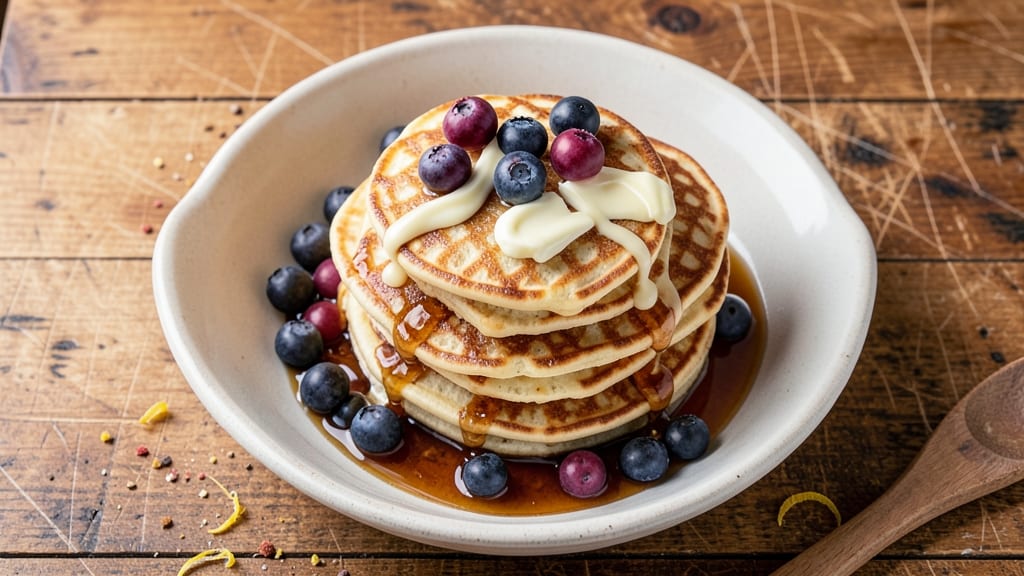
This Aunt Jemima buttermilk pancake mix recipe delivers the fluffy, golden stacks you remember from childhood—crispy edges, tender centers, and that signature buttermilk tang. The secret lies in the right batter-to-buttermilk ratio and perfect heat control, techniques that transform store-bought mix into something extraordinary.
I’ve tested this recipe dozens of times to ensure every pancake turns out light, airy, and ready for syrup or fresh berries.
The magic happens when you whisk the buttermilk into the dry mix just until combined, creating tiny air pockets that puff the pancakes to perfection. Cooking them on medium-low heat prevents browning while allowing the edges to crisp beautifully.
This method works whether you’re using the classic Aunt Jemima mix or a homemade blend, making it accessible for beginners and adaptable for gluten-free swaps.
By the time you flip that first pancake, you’ll taste the difference—no more dense, flat pancakes. The buttermilk adds a subtle tang that balances the sweetness of maple syrup or whipped cream, while the golden crust gives every bite that satisfying crunch.
It’s the kind of recipe that turns weekend mornings into a cozy tradition.
Serve with warm syrup, fresh fruit, or a dollop of whipped cream for the full experience. Whether you’re feeding a crowd or treating yourself to a solo breakfast, these pancakes deliver restaurant-quality results with minimal effort. Let’s get cooking!
Ingredients for aunt jemima buttermilk pancake mix
Six simple ingredients transform store-bought mix into restaurant-quality buttermilk pancakes.
| Ingredient | Amount | Notes |
|---|---|---|
| Aunt Jemima Buttermilk Pancake Mix 🍳 | 2 cups | Classic version, not quick-prep |
| Buttermilk 🥛 | 1 ½ cups | Full-fat for best flavor |
| Large Eggs 🥚 | 2 whole | Room temperature preferred |
| Unsalted Butter 🧈 | 2 tbsp | Melted for crispy edges |
| Pure Maple Syrup 🍁 | ¼ cup | For serving, grade A |
| Fresh Blueberries 🫐 | ¾ cup | Optional for topping |
| Vanilla Extract 🌸 | ½ tsp | Pure, not imitation |
| Baking Powder 🍞 | 1 tsp | Double-acting preferred |
| Salt 🧂 | ¼ tsp | Fine sea salt |
| Vegetable Oil 🫒 | 1 tbsp | For cooking, light flavor |
| Whipped Cream 🍦 | ½ cup | For serving, optional |
The Aunt Jemima mix is the foundation—grab the classic version, not the quick-prep kind. Whole Foods or Walmart usually carry both, but check the ingredients: the classic mix has baking powder and leavening agents for that signature fluff. Buttermilk is non-negotiable here—it’s what gives those pancakes their signature tang. If you’re fresh out, mix 1 cup milk with 1 tbsp vinegar, let it sit for 5 minutes. The eggs add structure, so use room-temperature ones—they whisk up smoother. For the butter, Land O’Lakes or Kerrygold melt beautifully, but any unsalted brand works. Pro tip: melt the butter in the microwave for 40 seconds—just until it’s liquid, not hot.
No buttermilk? Plain yogurt thinned with milk works in a pinch. Almond milk won’t give the same tang, but it’s better than nothing. Fresh blueberries are ideal for topping, but frozen works too—just don’t thaw them first. The maple syrup should be grade A for serving—it’s sweeter and more flavorful than the pancake mix itself. Whipped cream can be homemade (whip heavy cream with a pinch of sugar) or store-bought. If you’re making a big batch, double the mix and buttermilk—these pancakes reheat beautifully. For a gluten-free swap, use a 1:1 gluten-free pancake mix, but expect slightly denser results. The vanilla extract is optional but adds a cozy depth—Nestlé Pure is my go-to, but any pure extract will do.
Store the pancake mix in an airtight container for up to 6 months—it’s shelf-stable, but the buttermilk needs to be used within 7 days of opening. Freeze the mix if you’re not using it soon: portion it into bags and thaw overnight in the fridge. These pancakes reheat best in a toaster or oven—microwaving makes them gummy. Make ahead tip: Prep the batter the night before, cover it, and refrigerate. Cook fresh in the morning for the best texture. Leftovers keep for 3 days in the fridge, but honestly, they’re best the first day. Portion the batter into small containers for easy reheating—just pop them in the toaster for 2-3 minutes.
Why You'll Love This Recipe
- Five-Ingredient Magic: I swear, this is the kind of recipe where you mix, pour, and forget about everything else. The box does half the work—just add buttermilk, egg, and butter, and you’re golden. Honestly, I’ve made pancakes with more ingredients that took longer to measure.
- Buttermilk Gold Standard: That tangy buttermilk cut through the mix like a dream, giving you fluffy stacks that don’t turn into sponges. Top it with real maple syrup, and you’ve got breakfast that tastes like a Sunday morning—even on a Tuesday.
- Weekday or Weekend: Make a double batch on Sunday, reheat in the toaster for a quick Tuesday breakfast, or serve them at brunch with fresh berries. Between us, these pancakes are just as happy on a lazy weekend as they are feeding a crowd at a family gathering.
- Leftovers That Don’t Suck: Unlike homemade pancakes that dry out in the fridge, these hold up perfectly for days. I’ve reheated slices in a skillet with a little butter, and they’re still tender. Plus, they’re cheap—you’re basically making gourmet pancakes for pennies.
Step-by-step instructions for Aunt Jemima buttermilk pancake mix
Here's how to transform store-bought mix into restaurant-quality pancakes with golden crusts.
Combine Wet Ingredients for Perfect Texture
In a large mixing bowl, whisk together the 1.5 cups buttermilk, 2 whole large eggs, and 0.5 teaspoon vanilla extract until fully combined. The buttermilk should be at room temperature for the best results—this prevents cold spots in your pancakes. Let it sit out for 10 minutes if it's straight from the fridge.
Next, add the 2 tablespoons unsalted butter and 1 teaspoon baking powder to the wet mixture. Whisk gently until the butter melts completely and the batter becomes smooth. You'll notice the batter thicken slightly as the baking powder activates. This step ensures your pancakes will have that classic buttermilk flavor and proper rise.
Mix in the Dry Ingredients
Gradually pour the 2 cups Aunt Jemima Buttermilk Pancake Mix into the wet ingredients while whisking constantly. Start slowly at first, then increase to medium speed until just combined. You want to see a few small lumps remaining—overmixing develops gluten and makes pancakes tough. Stop mixing as soon as the dry ingredients disappear.
Add the 0.25 teaspoon salt and give one final stir. The batter should have a thick, creamy consistency similar to heavy cream. If it looks too thick, you can add 1-2 tablespoons of buttermilk to adjust. Let the batter rest for 5 minutes while you preheat your griddle or skillet—this allows the flour to fully hydrate for better texture.
Preheat and Cook to Golden Perfection
Heat a large skillet or griddle over medium heat and add the 1 tablespoon vegetable oil. Allow it to get hot enough so that when you flick a drop of batter onto the surface, it sizzles and bubbles immediately. This ensures proper browning without burning. The oil should be hot but not smoking—you want medium-high heat for the best results.
Pour ¼ cup portions of batter onto the hot surface, spacing them about 2 inches apart. You should be able to fit about 2 pancakes per batch depending on your skillet size. Cook until bubbles form on the surface and the edges look set—about 2-3 minutes. Flip carefully using a spatula and cook the other side for another 1-2 minutes until golden brown.
Serve Warm with Classic Toppings
Transfer the cooked pancakes to a warm plate and keep them covered to maintain heat while you finish the batch. The pancakes should be golden brown on the outside with a soft, fluffy interior. If they're browning too quickly, reduce the heat slightly—you want even cooking without burning.
Serve immediately with 0.25 cup pure maple syrup and the 0.75 cup fresh blueberries on top for a fresh contrast. For an extra touch, dollop with the 0.5 cup whipped cream. These pancakes are best enjoyed fresh from the griddle when they're at their peak fluffiness and warmth.
Pro Tips For Making Aunt Jemima Buttermilk Pancake Mix
- MEASURE THE BUTTERMILK FIRST: The box says "1 cup," but buttermilk varies—fill a measuring cup to the brim, then pour into the dry mix. If you eyeball it, you’ll end up with pancakes that either stick like glue or taste bland. Trust the lines, even if it feels wasteful.
- LET THE BATTER REST: Mix it up, then walk away for 5 minutes. I used to rush straight to the pan, but letting the flour absorb the liquid makes the pancakes fluffier and less likely to crack in the middle. (Yes, even if you’re impatient like me.)
- USE COLD BUTTER: Cut the butter straight from the fridge into small cubes—no melting it first. Cold butter creates pockets of richness that make the pancakes taste like a restaurant version, not a boxed mix. Just let it soften slightly while you cook.
- COOK IN BATCHES OF 3: Crowd the pan, and your pancakes will steam instead of crisp. Three at a time gives them room to breathe and develop those golden-brown edges. If your griddle’s big, do two rows of two—no overlapping.
Troubleshooting your aunt jemima buttermilk pancake mix
Batter Too Thick?
If your batter seems too thick after mixing, don’t panic—just add 1 tablespoon of buttermilk at a time while whisking gently. The ideal consistency should resemble heavy cream, not pancake syrup. Overmixing can also make the batter thicker, so stop as soon as the dry ingredients disappear.
If you’re using a gluten-free mix, expect a slightly denser batter—adjust with 1 extra tablespoon of buttermilk if needed. 🥛
Pancakes Browning Too Fast
If your pancakes are browning on the outside before they cook through, your heat is too high. Reduce to medium-low and let them cook slower—this prevents burnt edges while keeping the inside fluffy.
A non-stick skillet or well-seasoned cast iron helps too. If you’re using a griddle, adjust the burners to even out the heat. 🔥
Flat or Dense Pancakes
Dense pancakes usually mean one of two things: overmixing (which develops gluten) or batter too thick. Whisk just until combined—you should see small lumps. Also, ensure your buttermilk is room temperature (cold buttermilk makes pancakes tough). For extra fluff, let the batter rest for 5-10 minutes before cooking. 💡
Batter Separating or Curdling
If your batter looks curdled, it’s likely from cold eggs or buttermilk. Always use room-temperature ingredients—let eggs sit out for 10 minutes and buttermilk for 5 minutes.
If it’s too late, whisk in 1 extra tablespoon of flour to stabilize. Avoid using powdered buttermilk substitutes, as they don’t work the same way. 🥚
Pancakes Sticking to the Pan
Sticking happens when the pan isn’t hot enough or lacks proper greasing. Heat your skillet or griddle to medium-high before adding oil, then let it sizzle for 30 seconds.
Use vegetable oil or melted butter—butter adds flavor but burns faster. A well-seasoned cast iron or non-stick spray also helps prevent sticking. 🧈
Batter Too Thin or Runny
If your batter is too thin, it’ll spread too much and cook unevenly. Fix it by whisking in 1 tablespoon of flour at a time until it thickens to a pourable but not drippy consistency. For gluten-free mixes, use cornstarch instead of flour—it thickens better without altering taste. 🍞
Nutrition facts
Frequently asked questions
Can I make this recipe without buttermilk?
Yes! Mix 1 cup milk with 1 tablespoon vinegar or lemon juice, let it sit for 5 minutes to curdle, then use it 1:1 as a substitute. For extra tang, add ½ teaspoon extra vanilla extract to mimic buttermilk’s flavor.
Why are my pancakes dense instead of fluffy?
Overmixing develops gluten, making pancakes tough. Whisk just until combined—small lumps are fine! Also, ensure your buttermilk is room temperature (cold ingredients make pancakes dense). Let the batter rest for 5 minutes before cooking for better rise.
How do I store leftover pancakes?
Keep pancakes in an airtight container for 3 days in the fridge. Reheat in a toaster or oven (not microwave) for 2-3 minutes at 350°F to restore crispiness. Freeze extras for up to 3 months—wrap individually to prevent sticking.
Can I make these pancakes gluten-free?
Yes! Use a 1:1 gluten-free pancake mix (like King Arthur) and add 1 extra tablespoon buttermilk to adjust thickness. Expect slightly denser results, but they’ll still be delicious. For extra fluff, fold in 1 teaspoon baking powder with the dry mix.
What’s the best way to flip pancakes without breaking them?
Wait until bubbles form on top and edges look set (2-3 minutes). Use a thin spatula to gently lift one edge, then flip quickly. If they’re too fragile, your heat is too high—reduce to medium-low for better structure. A well-seasoned cast iron helps too!