
Desserts
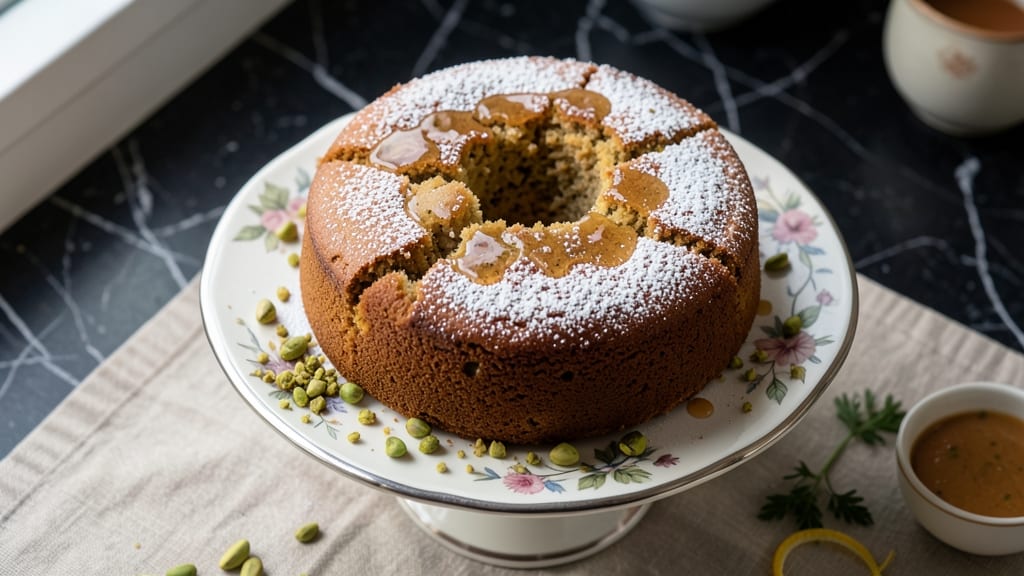
This atta cake recipe transforms simple whole wheat flour into layers of fragrant, melt-in-your-mouth perfection. The secret lies in balancing warm cardamom and delicate rosewater, creating a dessert that’s both nostalgic and refined.
I developed this version after years of perfecting the texture—soft yet sturdy, with a subtle crunch at the edges that disappears with each bite.
The beauty of atta cake is its versatility—traditionally steamed or baked, it adapts seamlessly to modern kitchens. Whether you use a tawa for classic charred edges or an oven for even layers, the result is the same: a dessert that feels like home.
The dough comes together in minutes, but the magic happens during the slow cooking process, where spices infuse deeply and the aroma fills your kitchen.
What makes this recipe stand out is the fragrant rosewater and cardamom layers, which create a symphony of flavors with every slice. The dough’s gentle sweetness pairs perfectly with the floral notes, while the cardamom adds warmth that lingers.
It’s the kind of dessert that disappears quickly, leaving only crumbs and satisfied smiles.
Perfect for celebrations or quiet afternoons, this atta cake requires just a few simple ingredients but delivers restaurant-quality results. Let’s create something special together—one layer at a time.
Ingredients for atta cake
Eight simple ingredients create layers of fragrant, melt-in-your-mouth atta cake perfection.
| Ingredient | Amount | Notes |
|---|---|---|
| Whole Wheat Flour (atta flour) 🌾 | 3 cups | Sifted for even texture |
| Ghee 🧈 | ½ cup | Clarified butter for richness |
| Granulated Sugar 🍚 | 1 ½ cups | White or brown preferred |
| Rosewater 🌸 | 1 tbsp | Pure, food-grade quality |
| Ground Cardamom 🌿 | 1 ½ tsp | Freshly ground preferred |
| Baking Soda 🧂 | ½ tsp | For lightness and lift |
| Salt 🧂 | ¼ tsp | Fine sea salt preferred |
| Warm Water 💧 | 1 ½ cups | 105°F for ideal dough |
| Semolina (sooji) 🌾 | ½ cup | For dusting layers |
| Powdered Sugar 🍚 | ¼ cup | For final dusting |
| Lemon Zest 🍋 | 1 tsp | Brightens flavor |
| Sliced Almonds 🌰 | ¼ cup | For garnish (optional) |
The atta flour is the heart of this recipe—look for stone-ground whole wheat flour for authentic texture. Patel Brothers or Bob's Red Mill carry excellent options. Cardamom is non-negotiable here; green cardamom pods from Whole Foods or Indian specialty stores are ideal—grind them fresh for maximum aroma. Rosewater should be pure, food-grade quality; avoid perfumed varieties. The ghee adds richness that butter can't match—Amul or local Indian brands work perfectly. For the warm water, 105°F is ideal—just warm tap water in a kettle works if you don't have a thermometer.
No cardamom pods? Ground cardamom works at double the amount, but fresh is worth hunting down. Short on rosewater? Orange blossom water at half the quantity gives a similar floral note. Using all-purpose flour? Add 1 tbsp extra flour to compensate for the difference in protein content. The semolina can be swapped for all-purpose flour if needed—just don't skip it entirely. For a richer version, add 2 tbsp yogurt to the dough. The sliced almonds are optional but add beautiful crunch—blanched almonds work best.
This dough keeps beautifully for 3 days in the fridge, wrapped tightly in plastic. For longer storage, freeze the dough balls for up to 3 months—thaw overnight before using. The cake itself stays fresh for 2 days at room temperature if stored in an airtight container. I like to make double batches and freeze half—steaming from frozen works perfectly. Serve warm with a dusting of powdered sugar and those sliced almonds for that restaurant-quality finish.
Why You'll Love This Recipe
- No-Fuss Mixing: I swear by this recipe—just fold the warm ghee into the atta flour until it crumbles like sand, then sprinkle in sugar and cardamom. No overworking, no stress, and honestly? The dough comes together faster than my coffee brews.
- Fragrant Magic: That first whiff of rosewater and cardamom hitting the hot ghee? Pure bliss. The sugar caramelizes just enough to give it a subtle crunch, while the ghee keeps it rich without being greasy—like a hug from my grandma’s kitchen.
- Weeknight Hero: Make a big batch on Sunday, and you’ve got snacks for tea breaks, gifts for neighbors, or a quick dessert when unexpected guests drop by. The cake stays fresh for days, and I’ve even reheated slices in the oven for a toasty treat—no one ever guesses it’s from yesterday.
- Pocket-Friendly Luxury: Attta flour and ghee might sound fancy, but a single batch costs less than takeout and feeds a crowd. Plus, the cardamom and rosewater are the kind of flavors that make even the simplest cake feel special—without breaking the bank.
Step-by-step instructions for atta cake recipe
This fragrant rosewater and cardamom cake delivers layers of delicate flavor and perfect texture—let's make it.
Prepare the Dough with Ghee and Aromatics
In a large mixing bowl, combine the 3 cups whole wheat flour (atta flour), 1.5 tsp ground cardamom, 0.5 tsp baking soda, and 0.25 tsp salt. Sift the mixture together to eliminate lumps and create a fine, even texture. This ensures your cake will rise properly and have a tender crumb.
In a separate bowl, melt the 0.5 cup ghee until completely liquid but not smoking. Add the 1.5 cups granulated sugar and 1 tbsp rosewater to the warm ghee, stirring until fully dissolved. The mixture should smell intensely floral and sweet—this is your signature flavor base. Slowly pour this liquid into the dry ingredients while mixing with a wooden spoon or dough whisk.
Gradually add the 1.5 cups warm water (around 105°F) to the bowl, mixing continuously until a smooth, pliable dough forms. The dough should be soft but not sticky—if it feels too dry, add 1 teaspoon more water at a time until it comes together. Cover the bowl with a damp cloth and let the dough rest for 15 minutes at room temperature. This resting period allows the gluten to relax, making it easier to roll out later.
Roll and Layer the Dough
Lightly dust a clean surface with semolina (sooji) and transfer the rested dough onto it. Divide the dough into three equal portions (about 1 cup each). Roll each portion into a 6-inch circle, keeping the thickness even at about ¼ inch. The edges should be smooth, and the center should feel firm but not tough.
For the first layer, place one rolled circle on a parchment-lined baking sheet. Brush it lightly with a little warm water using a pastry brush, then sprinkle 1 teaspoon of the sliced almonds evenly over the surface. This creates a subtle crunch and adds visual appeal. Repeat this process with the remaining two dough circles, stacking them directly on top of each other on the baking sheet.
Brush the top layer with a final light coat of warm water and sprinkle the remaining 1 teaspoon sliced almonds. Gently press down on the top layer to ensure good adhesion between the layers. The cake will rise slightly during baking, so don't worry if the layers aren't perfectly flush initially.
Bake to Golden Perfection
Preheat your oven to 350°F. Place the stacked cake layers on the middle rack of the oven and bake for 35-40 minutes, or until the top is golden brown and a toothpick inserted into the center comes out clean. The cake should smell deeply fragrant with notes of rosewater and cardamom.
I recommend checking the cake at the 30-minute mark—every oven runs slightly differently, and you want to avoid overbaking. The edges should pull away from the parchment just slightly, and the center should feel set but still tender. If the top browns too quickly, loosely cover it with aluminum foil after 20 minutes to prevent over-browning.
Once baked, remove the cake from the oven and let it cool on the baking sheet for 10 minutes. Then transfer it to a wire rack to cool completely. This gradual cooling process prevents the cake from becoming gummy or collapsing.
Finish with Powdered Sugar and Lemon Zest
While the cake cools, mix the 0.25 cup powdered sugar with the 1 tsp lemon zest in a small bowl. This bright, citrusy dusting balances the richness of the ghee and adds a refreshing contrast to the floral notes.
Once the cake is completely cool, use a fine-mesh sieve to dust the top evenly with the powdered sugar-lemon zest mixture. Tap the sieve gently to ensure an even, delicate coating. For an extra touch, arrange any remaining sliced almonds decoratively on top or around the sides of the cake.
The finished cake should have layers that are tender yet sturdy, with a fragrant aroma that fills the room. Slice it into 8 equal pieces and serve at room temperature. The rosewater and cardamom flavors will linger beautifully, making this cake a showstopper for any occasion.
Pro Tips For Making Atta Cake
- STEAM THE FLOUR FIRST: I learned this the hard way—skipping the steam step means your cake will taste dense and dry. Heat a heavy-bottomed pan with 2 tablespoons ghee, add the atta flour, and cook on medium-low while stirring constantly for 5-7 minutes until it smells nutty and turns a golden brown. This toasts the flour and removes raw flour taste, which is non-negotiable for a proper atta cake.
- USE COLD GHEE: Your cake’s texture hinges on this: mix the ghee into the flour while it’s still warm from toasting, but let it cool for 2-3 minutes first. Cold ghee creates pockets of fat that melt during baking, keeping the cake tender instead of greasy. I used to add it straight from the pan, and the result was always too heavy—this small pause makes a real difference.
- DON’T OVERMIX THE BATTER: Once you add the sugar, rosewater, and cardamom, stir just until combined—about 15-20 strokes with a spatula. Overmixing develops gluten in the atta, turning your cake into a tough, chewy brick. I’ve ruined batches by kneading it like dough, and the fix is always to start over. Keep it loose and crumbly.
- BAKE IN TWO STAGES: Preheat your oven to 350°F (175°C), then bake the cake for 10 minutes to set the edges. Drop the temperature to 300°F (150°C) and bake another 20-25 minutes. This two-stage approach prevents a cracked top (a common mistake) and ensures even cooking. The lower heat at the end lets the center bake through without burning the outside—trust the process.
Health benefits of atta cake
Whole Wheat Goodness
Atta cake is a powerhouse of nutritional benefits thanks to its whole wheat base. A single serving provides 6 grams of fiber—about 24% of your daily needs—supporting digestive health and keeping you full longer.
The protein content (around 5 grams per slice) makes this dessert more satisfying than refined flour options, while the low glycemic index of whole wheat helps stabilize blood sugar levels. 💪
Ghee's Healthy Fats
The ghee in this recipe isn't just for flavor—it contains conjugated linoleic acid (CLA), a fatty acid linked to reduced inflammation and improved metabolism. Unlike butter, ghee has a higher smoke point and no lactose, making it easier to digest.
I always use Amul or local Indian brands for their rich, authentic flavor and quality. The ½ cup in this recipe adds richness without excessive calories.
Cardamom's Health Perks
Cardamom isn't just aromatic—it's packed with antioxidants that combat oxidative stress. Studies show it may help lower blood pressure and improve digestion. The 1.5 tsp in this recipe provides antimicrobial properties too, making it a functional spice.
Freshly ground cardamom from Whole Foods or Indian specialty stores delivers the most potent benefits—never skip this step!
Rosewater's Gentle Benefits
Rosewater offers calming properties that reduce stress and anxiety, thanks to its linalool content. The 1 tbsp used here adds floral notes without overpowering, while also providing antiseptic qualities.
Always choose food-grade rosewater—avoid perfumed varieties that may contain additives. This ingredient elevates the cake's flavor while contributing to overall well-being. 🌸
Lemon Zest's Vitamin Boost
The 1 tsp lemon zest in the finishing powdered sugar adds vitamin C and flavonoids, which support immune function and skin health. The bright citrus notes cut through the richness of the ghee, creating a balanced flavor profile.
Freshly zested lemons work best—pre-packaged zest often loses potency. This small addition makes the cake feel lighter and more refreshing.
Gluten-Free Adaptation
While traditional atta cake contains gluten, you can adapt this recipe by replacing 1 cup of atta flour with ½ cup gluten-free whole wheat flour and ½ cup almond flour. The texture will be slightly denser, but the flavor remains rich.
For best results, use a gluten-free baking blend with xanthan gum. This makes the cake accessible to those with gluten sensitivities while keeping the nutritional benefits intact. ✨
Nutrition facts
Frequently asked questions
Can I make atta cake without ghee?
Yes, you can substitute ghee with ½ cup melted butter or ½ cup coconut oil for a dairy-free version. The flavor will be slightly different, but the texture remains similar. For a neutral taste, use vegetable shortening, though it lacks the rich aroma of ghee. If using oil, reduce the warm water by 1 tbsp to maintain the right dough consistency.
Why did my atta cake turn out dense? Dense atta cake usually happens from overmixing the dough or insufficient resting time.
Can I bake atta cake in a microwave?
While not traditional, you can microwave the cake for a quick version! Place the stacked layers on a microwave-safe plate and cover loosely with a damp paper towel. Microwave on high for 2-3 minutes, then check—it should be warm through but not dry. For best texture, finish under a broiler for 1-2 minutes to create a golden top. This method works best for small batches or when you're in a hurry.
How do I store atta cake for maximum freshness?
Store the cake in an airtight container at room temperature for up to 2 days. For longer storage, wrap individual slices in plastic wrap and freeze for up to 1 month. Thaw at room temperature for 30 minutes before serving. The cake actually tastes better the next day as the flavors meld together—just reheat gently in the oven for 5 minutes at 300°F to restore moisture.
What's the best way to serve atta cake?
Serve warm with a dusting of powdered sugar and a cup of chai or hot milk for the full experience. For a festive touch, arrange sliced almonds decoratively on top. You can also pair it with coconut milk or rose syrup for dipping. The cake's delicate texture pairs beautifully with creamy or spiced beverages that complement its floral notes.