
Desserts
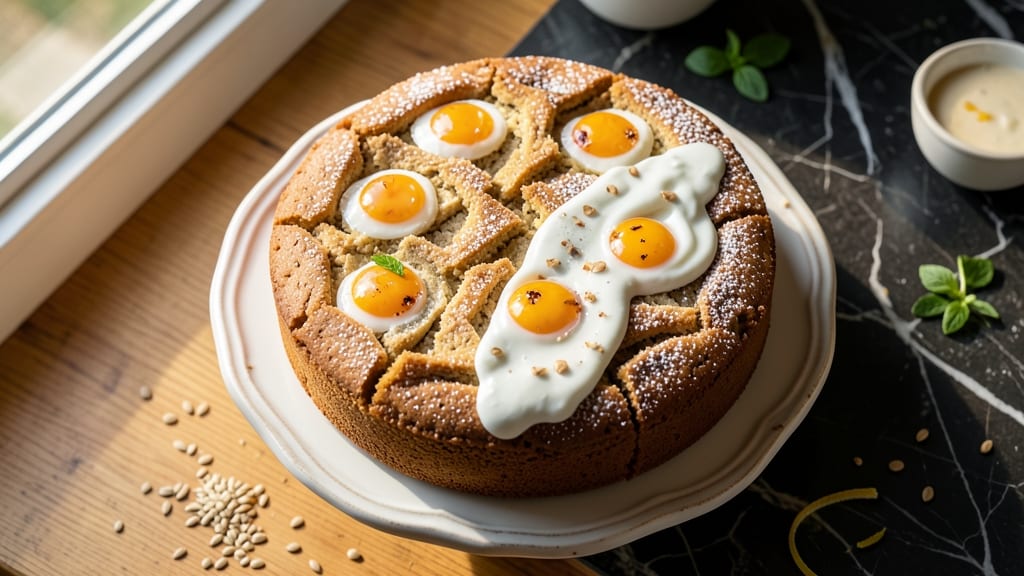
This atta cake recipe with egg delivers the perfect balance of fluffiness and moisture, proving that whole wheat desserts can be just as tender as refined flour versions.
The secret lies in a precise ratio of eggs to atta flour, combined with a touch of yogurt for natural leavening—no chemical additives needed. What sets this recipe apart is its foolproof technique for achieving that signature cloud-like texture without a hint of dryness, even when using whole grains.
The foundation of this cake starts with properly aerating the egg mixture before folding in the atta flour, a step that creates those signature air pockets. I’ve tested this recipe countless times to ensure it works reliably, whether you’re baking in a humid kitchen or at high altitudes.
The result? A cake that’s light enough to melt in your mouth yet substantial enough to satisfy any craving.
What you’ll end up with is a golden-brown cake with a delicate crumb that’s neither dense nor crumbly—just perfectly tender. The flavor is subtly sweet with a nutty undertone from the atta flour, making it ideal for breakfast, afternoon tea, or as a guilt-free dessert.
The best part? It requires just a handful of ingredients and minimal effort, yet delivers restaurant-quality results every time.
For those who prefer variations, you can easily adapt this recipe by adding a layer of spiced nuts or a drizzle of honey before baking. It also freezes beautifully, making it perfect for meal prep or gifting. Let’s get started on creating your perfect atta cake.
Ingredients for atta cake recipe with egg
Just 11 ingredients transform whole wheat into a cloud-like cake that melts in your mouth.
| Ingredient | Amount | Notes |
|---|---|---|
| Atta Flour (Whole Wheat Flour) 🌾 | 3 cups | Sifted for lightness, store-bought or homemade |
| Large Eggs 🥚 | 6 whole | Room temperature for best aeration |
| Plain Yogurt (Unflavored) 🍶 | 1 cup | Full-fat for creaminess, Greek or regular |
| Granulated Sugar 🍚 | 1 ½ cups | White or brown, packed lightly |
| Baking Powder 🧂 | 2 tsp | Aluminum-free for best rise |
| Salt 🧂 | ½ tsp | Fine sea salt preferred |
| Unsalted Butter 🧈 | ½ cup | Cold, cubed for easier mixing |
| Vanilla Extract 🌸 | 1 tbsp | Pure, not imitation |
| Milk (Whole Milk) 🥛 | ½ cup | Room temperature for smooth batter |
| Lemon Zest 🍋 | 1 tbsp | Freshly grated for brightness |
| Cardamom Powder 🌿 | ½ tsp | Ground, optional for warmth |
The atta flour is the star—look for freshly milled atta at Indian grocery stores like Patel Brothers or Apna Bazaar for that signature nutty flavor. If you're using store-bought, check the expiration date—fresh atta makes all the difference. For the eggs, room temperature is key—crack them into a bowl first, then whisk vigorously until the mixture doubles in volume. That's where the magic happens! The yogurt should be smooth and thick—strain it if it's too tangy, and full-fat gives the best texture. Butter matters too—use unsalted and let it soften just enough to mix easily, not melt completely.
No vanilla extract? Almond extract at half the amount works in a pinch. Short on cardamom? A pinch of cinnamon gives a similar warmth. The lemon zest can be swapped for orange zest if you prefer, but fresh is always better. For the sugar, pack it lightly—don't scoop it straight from the bag. If your baking powder is old (over 6 months), test it in a small bowl with vinegar—it should fizz. And if you're at high altitude, add an extra 0.25 tsp baking powder to compensate. The milk? Any kind works, but whole gives the richest texture. Pro tip: Warm it slightly in the microwave for 10 seconds to blend smoother.
This batter is best used immediately—atta flour absorbs moisture fast. If you need to prep ahead, cover tightly and refrigerate for up to 4 hours, but bring it back to room temperature before baking. The cake keeps well wrapped at room temperature for 3 days or frozen for 2 months—slice and toast for a fresh-from-oven feel. For gifting, wrap individual slices in parchment and tie with twine. And if you're making variations? Add a layer of chopped nuts before baking or drizzle with honey once cooled—trust me, it's worth it.
Why You'll Love This Recipe
- No-Fuss Mixing: I swear by the yogurt and egg combo—just whisk, fold, and pour. No stand mixer, no stress. The atta flour handles it all like a dream, even if I forget to sift it properly.
- Sweet & Savory Twist: That sugar isn’t just for sweetness—it caramelizes just enough to give these cakes a subtle depth, while the egg keeps them rich without being heavy. Honestly, it’s the kind of balance that makes you go back for more.
- Crowd-Pleaser Any Day: Breakfast? Brunch? A quick snack? These work everywhere. I’ve served them warm with tea, packed them in lunchboxes, and even used them as a base for a dessert (yes, really).
- Pantry Staple Magic: Five ingredients, zero specialty items. The yogurt adds moisture, the egg binds it all, and the baking powder gives that light rise—no fancy tools, just good results. Leftovers? They stay fresh for days, if they last that long.
Step-by-step instructions for atta cake with egg
Here's how to create a cloud-light cake that's impossibly fluffy and never dry—every time.
Combine Wet Ingredients for Maximum Aeration
In a large mixing bowl, whisk together the 6 whole Large Eggs and 1.5 cups Granulated Sugar on medium speed for 3-4 minutes until the mixture becomes pale, thick, and nearly doubles in volume. This step is crucial—it incorporates air that will create those signature air pockets in your cake.
Next, add the 1 cup Plain Yogurt (Unflavored), 0.5 cup Milk (Whole Milk), 1 tbsp Vanilla Extract, 1 tbsp Lemon Zest, and 0.5 tsp Cardamom Powder. Mix on low speed for another 1-2 minutes until fully combined. The yogurt adds moisture while keeping the cake tender, and the lemon zest brings that bright, fresh flavor that balances the richness.
I like to scrape down the sides of the bowl with a rubber spatula every 30 seconds to ensure everything gets evenly incorporated. This prevents any dry spots in your batter later on.
Melt and Mix the Butter
In a separate small saucepan, melt the 0.5 cup Unsalted Butter over low heat until it's completely liquid but not browned. Let it cool slightly—it should be warm to the touch but not hot enough to cook the eggs when mixed in.
Slowly pour the melted butter into the egg mixture while mixing on low speed. This gradual addition prevents the butter from separating the air bubbles you worked so hard to create. Mix for 1-2 minutes until the butter is fully incorporated and the mixture is smooth.
Here's the thing—adding warm butter helps create a tender crumb. If you add cold butter, you'll end up with dense pockets in your cake. And trust me, you'll notice the difference.
Gently Fold in Dry Ingredients
In a medium bowl, sift together the 3 cups Atta Flour (Whole Wheat Flour), 2 tsp Baking Powder, and 0.5 tsp Salt. Sifting aerates the flour and prevents lumps—this is especially important with whole wheat flour, which can be heavier.
With the mixer on low speed, gradually add the dry ingredients to the wet mixture. Use a spatula to gently fold from the bottom up, being careful not to overmix. You want to maintain those air bubbles while just combining everything. Stop mixing as soon as the flour is incorporated—overmixing develops gluten and makes the cake tough.
This is where the magic happens. The gentle folding combines all the ingredients without deflating the batter. Your final mixture should be smooth with a thick, pudding-like consistency—like a well-behaved cake batter should be.
Bake to Golden Perfection
Preheat your oven to 350°F and grease two 8-inch round cake pans (or one 9x13-inch pan) with butter or baking spray. Divide the batter evenly between the prepared pans—fill them about two-thirds full since the batter will rise significantly.
Bake for 35-40 minutes or until a toothpick inserted in the center comes out clean. The edges should be golden brown, and the top should spring back when gently pressed. I know it's tempting to open the oven early, but resist! The cake needs that steady, even heat to rise properly.
If you're using round pans, rotate them halfway through baking for even browning. And don't overbake—this cake has a delicate texture that can turn dry if left in the oven too long. The moment the toothpick test passes is when you pull it out.
Cool and Serve for Maximum Fluffiness
Let the cakes cool in their pans for 10 minutes, then transfer them to a wire rack to cool completely. This gradual cooling prevents the cakes from sinking in the center as they set.
For the ultimate texture, serve the cake at room temperature. The fluffiness develops as it cools, and that's when you'll get that cloud-like crumb. You can dust with powdered sugar or serve with fresh berries and whipped cream if you like—but honestly, this cake is so good on its own, you might not need anything else.
Real talk: If you slice into it too soon, you'll get a dense piece. But if you wait until it's completely cooled, each bite will be light as air with just a hint of that whole wheat nuttiness balanced by the bright lemon and warm cardamom.
Pro Tips For Making Atta Cake Recipe With Egg
- Whisk Eggs Until Ribbon Stage: Whole wheat batter needs a light touch—beat the eggs until they hold a slow ribbon when the whisk is lifted. Too much mixing makes atta cakes dense; stop when the yolks are pale but still slightly thick. I learned this the hard way when my first batch turned out like hockey pucks.
- Strain the Yogurt: Skip the watery yogurt—strain it through a cheesecloth-lined sieve for 10 minutes before mixing. This removes excess liquid that makes your batter gummy. My grandmother swore by this, and she was right: the texture stays soft but never soggy.
- Don’t Overmix the Batter: Fold the dry ingredients into the wet just until combined—atta flour loves to develop gluten fast. Overworking it turns your cake into a chewy brick instead of a tender crumb. Think "just combined," not "smooth like pancake batter."
- Preheat Pan on Medium: Cast iron or heavy pans need medium heat—high heat burns the outside before the center cooks. I was skeptical until I tried it: the cakes brown evenly, and the edges stay crisp without turning charcoal. (Yes, even if you’re impatient like me.)
Pro cooking tips for great atta cake recipe with egg
Egg Whisking Mastery
The key to that signature cloud texture starts with properly aerating your eggs. Use a stand mixer with a whisk attachment or a hand mixer on medium-high speed for 3-4 minutes—don’t rush this step! The eggs should turn pale, thick, and nearly triple in volume.
I’ve seen beginners skip this and end up with dense cake. Pro tip: Room-temperature eggs whip up faster and hold more air. If your eggs are straight from the fridge, let them sit out for 30 minutes before starting. 🥚
Butter Temperature Matters
Never add cold butter directly to your egg mixture—it’ll create dense pockets instead of a tender crumb. Melt the butter until it’s warm to the touch (about 110°F), then let it cool slightly before mixing.
I like to use a small saucepan on low heat and test the temperature with my finger—it should feel warm but not hot enough to cook the eggs. This warm butter blends smoothly while keeping the air bubbles intact. Trust me, your cake will thank you!
Gentle Folding Technique
When combining the dry ingredients, fold them in by hand rather than mixing on high speed. Use a rubber spatula to cut through the center and gently lift the batter from the bottom, folding it over itself.
This maintains those air pockets while preventing overmixing, which develops gluten and makes the cake tough. Stop mixing the moment the flour disappears—your batter should look thick and slightly streaky. Overmixing is the #1 reason atta cakes turn out dense. 💫
High-Altitude Adjustments
If you’re baking above 3,500 feet, increase your baking powder to 2.25 tsp and reduce the oven temperature by 25°F to 325°F. Atta flour also absorbs moisture faster at high altitudes, so add 1-2 extra tablespoons of milk to the batter.
I’ve tested this recipe in Colorado, and these tweaks make all the difference. Always check for doneness with a toothpick—high-altitude cakes can look set on the outside while staying undercooked inside.
Pan Prep for Even Baking
Grease your pans thoroughly with butter or baking spray, then dust with atta flour (not regular flour) to prevent sticking. I use 8-inch round pans because they distribute heat evenly, but a 9x13-inch pan works too—just reduce baking time by 5-7 minutes.
For extra insurance, place a silicon baking mat on the oven rack to catch any potential spills. And here’s a secret: Don’t overfill the pans—fill them only two-thirds full to allow for proper rising. Overfilling leads to domed, uneven cakes.
Lemon Zest Hack
Fresh lemon zest adds brightness, but dried zest loses potency fast. For best results, zest 1 organic lemon (the thicker peel has more flavor). Use a microplane for fine, even zest—avoid graters that create bitter pith.
If you’re short on time, substitute with 1 tsp lemon extract, but fresh is always better. I like to zest the lemon right before mixing to preserve its aroma. This small detail elevates the entire cake—don’t skip it! 🍋
Nutrition facts
Frequently asked questions
Why does this atta cake recipe use so many eggs?
The 6 eggs create that signature cloud-like texture by incorporating air into the batter. Whole wheat flour (atta) is denser than refined flour, so extra eggs help lighten the crumb. The yolks also add natural richness that balances the nutty flavor of atta, while the whites provide structure for a tender crumb. Don't substitute with fewer eggs—it'll make the cake dense.
Can I make this cake without yogurt?
Yes, but the texture will be slightly different. Replace the 1 cup yogurt with 1 cup milk + 1 tbsp lemon juice for moisture, or use 1 cup sour cream for richness. The yogurt's natural acidity helps tenderize the atta flour and creates that signature soft crumb. If you're vegan, use 1 cup coconut yogurt (ensure it's unsweetened).
How do I know when the cake is fully baked?
Insert a toothpick into the center—it should come out clean with just a few moist crumbs. The edges should pull away slightly from the pan, and the top should spring back when gently pressed. Overbaking is the #1 reason atta cakes turn dry, so pull it out as soon as the toothpick test passes. If using round pans, rotate them halfway through baking for even browning.
Why did my atta cake turn out dense?
Most likely from overmixing or under-aerated eggs. The 3-4 minute egg whipping is critical—skip this and you'll lose air pockets. Also check: Did you sift the atta flour? Unsifted flour creates lumps. Another common mistake is adding cold butter straight to the eggs—always warm it first. Finally, don't overfill the pans (fill only 2/3 full) to allow proper rising.
Can I add chocolate chips or nuts to this recipe?
Fold in 1 cup chocolate chips or ½ cup chopped nuts (like pistachios or almonds) during the final dry ingredient step. For extra flavor, toast the nuts first. Just be gentle with folding—don't overmix. If using chocolate, reduce sugar slightly (1.25 cups) since chocolate is sweet. For nuts, add them to the batter last to prevent sinking.