
Desserts
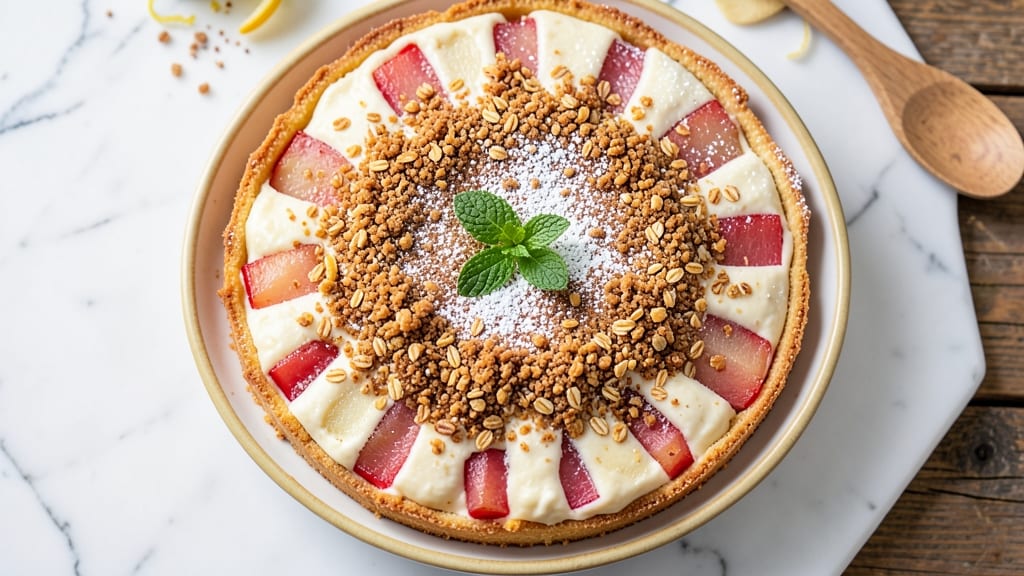
This Asian pear cake recipe delivers a moist, fragrant dessert that balances sweet vanilla swirls with tender pear layers and a buttery streusel topping. The secret lies in using ripe Asian pears—their natural sweetness and delicate texture transform a simple cake into something extraordinary.
I developed this recipe after years of experimenting with fruit cakes, and it never fails to impress.
The cake features a vanilla-infused batter that stays tender and lightly sweet, while the streusel adds a satisfying crunch. Ripe Asian pears are folded into the batter, releasing juices that keep the cake moist for days.
Baking at the right temperature ensures a golden crust without drying out the center—a common challenge with fruit cakes.
What makes this recipe special is how the flavors come together: the caramelized pears, the warm vanilla, and the buttery streusel create a dessert that’s both elegant and comforting.
The texture is perfect—tender yet sturdy enough to hold slices neatly, with a streusel topping that stays crisp even after cooling.
Serve it warm with a dollop of whipped cream or a drizzle of honey for extra indulgence. This cake is ideal for special occasions or as a comforting treat any day of the week. Let’s bake it together—your kitchen will smell like a bakery in minutes.
Ingredients for asian pear cake
Ripe pears, tender batter, and buttery streusel create this elegant yet comforting dessert masterpiece.
| Ingredient | Amount | Notes |
|---|---|---|
| All-Purpose Flour 🌾 | 2 ½ cups | Sifted for even texture |
| Granulated Sugar 🍚 | 1 ½ cups | White or light brown |
| Unsalted Butter 🧈 | 1 cup | Cold, cubed for streusel |
| Ripe Asian Pears 🍐 | 3 medium | Peeled, cored, diced small |
| Large Eggs 🥚 | 2 whole | Room temperature |
| Pure Vanilla Extract 🍯 | 2 tsp | High-quality for flavor |
| Baking Powder 🌶️ | 2 tsp | Aluminum-free preferred |
| Salt 🧂 | ½ tsp | Fine sea salt |
| Vanilla Bean Paste 🌿 | 1 tbsp | For visible swirls |
| Old-Fashioned Oats 🌾 | 1 cup | Blended into flour |
| Light Brown Sugar 🍚 | ½ cup | Packed for streusel |
| Ground Cinnamon 🌶️ | 1 tsp | Freshly ground preferred |
| Heavy Whipping Cream 🥛 | ½ cup | For serving option |
The Asian pears are the heart of this cake—choose ripe but firm ones with vibrant yellow skin and minimal bruising. Asian grocery stores often have the best selection, but any well-stocked market will carry them in late summer and fall. Look for pears that yield slightly when pressed; they should be sweet and juicy but not mushy. If you can't find Asian pears, Bosc pears are a decent substitute, though they're less tender. The vanilla bean paste is worth the splurge—it adds visible swirls and deeper flavor than regular extract. For the flour, King Arthur or Gold Medal brands work best for consistent results.
No Asian pears? Substitute with 2 cups diced ripe mango or peaches, but reduce the sugar to 1 cup to avoid over-sweetness. The vanilla extract can be swapped for vanilla sugar at half the amount, but you'll lose the swirl effect. For a nutty twist, replace half the oats with chopped walnuts or pecans. The streusel topping is non-negotiable—it's what gives this cake its signature crunch. If you're short on butter, coconut oil works in a pinch, though it adds a slight coconut flavor. The baking powder should be fresh; if it's over a year old, test it first by mixing with water—it should bubble vigorously.
Store the cake in an airtight container at room temperature for up to 3 days, though it's best enjoyed fresh. For longer storage, wrap tightly and refrigerate for 1 week. The streusel topping stays crisp for about 2 days before softening slightly. Freeze slices wrapped in plastic for up to 3 months. To serve, dust with powdered sugar or drizzle with honey—both complement the pear's natural sweetness. The cake reheats beautifully; wrap a slice in foil and warm in the oven for 10 seconds to restore that bakery-fresh aroma.
Why You'll Love This Recipe
- No-Pearl-Handling Hassle: I’ve made cakes with fresh fruit before, and this is the first time I didn’t have to fuss with peeling or seeding—just slice those ripe Asian pears and layer them straight in. The juices soak into the batter perfectly, no extra work.
- Sweet-Tart Magic: That balance of buttery cake and the natural, honey-like sweetness of Asian pears? It’s like dessert had a personality upgrade. Honestly, I reach for this over store-bought cake every time—it’s just more interesting.
- Office Picnic Hero: Between us, this cake travels flawlessly. Slice it the night before, wrap it in parchment, and it stays moist for days. My coworkers always ask for the recipe—someone even brought in a fruit salad to pair with it. (Yes, even on a Tuesday.)
- Budget Baking Win: You’re using pantry staples here—flour, sugar, butter—and turning them into something that feels special. I’ve made this for birthdays, potlucks, and just because, and no one ever guesses it’s not from a bakery. That’s the kind of smart spending I love.
Step-by-step instructions for Asian pear cake
Here's the method for a perfectly moist cake with tender pear swirls and buttery streusel topping.
Prepare the Pear Filling and Streusel Topping
Peel, core, and dice the 3 medium ripe Asian pears into small, even pieces—about ¼-inch cubes. Set aside in a bowl. For the streusel, pulse the 1 cup old-fashioned oats in a food processor until finely ground, then mix with the ½ cup light brown sugar, 1 cup unsalted butter (cold, cubed), 1 tsp ground cinnamon, and ½ tsp salt in a separate bowl. Use your fingers to work the butter into the oat mixture until it resembles coarse crumbs with some pea-sized butter pieces remaining.
Real talk: The pears should be ripe but not mushy—press gently, and they should yield slightly. If using very firm pears, let them sit at room temperature for 15 minutes before dicing to soften slightly. The streusel texture is key here: you want a mix of crumbly and slightly sticky pieces to create that perfect balance of crisp and tender in every bite.
Mix the Cake Batter
Preheat your oven to 350°F and grease an 8-inch round cake pan, then line the bottom with parchment paper. In a large mixing bowl, whisk together the 2.5 cups all-purpose flour, 2 tsp baking powder, and ½ tsp salt. In another bowl, beat the 2 whole large eggs (room temperature) with the 1.5 cups granulated sugar until pale and slightly thickened—about 3-4 minutes with an electric mixer on medium speed.
Gradually fold the dry ingredients into the egg mixture, alternating with the 2 tsp pure vanilla extract and 1 tbsp vanilla bean paste, mixing just until combined. Don't overmix—you should still see a few flour streaks. Gently fold in the prepared pear pieces, reserving ¼ cup for the topping if desired. The batter should be thick but pourable; if it's too stiff, add 1-2 tablespoons of heavy whipping cream to loosen it slightly.
Assemble and Bake the Cake
Pour half of the batter into the prepared cake pan, then sprinkle a thin layer of the reserved pear pieces (if using) over the top. Add the remaining batter, then gently swirl with a knife to create marbled patterns. Sprinkle the streusel mixture evenly over the top, pressing down lightly to ensure good contact with the cake batter. Bake for 40-45 minutes, until a toothpick inserted into the center comes out clean and the top is golden brown.
I always tap the pan gently on the countertop after 30 minutes to check for doneness—this helps prevent overbaking while ensuring the center is fully set. The cake is done when the edges pull away slightly from the pan and the top springs back when touched. Let it cool in the pan for 15 minutes, then transfer to a wire rack to cool completely before serving.
Serve with Whipped Cream (Optional)
Once fully cooled, slice the cake into 8 equal wedges. For serving, whip the ½ cup heavy whipping cream with a hand mixer until soft peaks form, then dollop onto each slice. The cream adds a luxurious finish that complements the cake's natural sweetness and buttery streusel. Store any leftovers in an airtight container at room temperature for up to 3 days or refrigerate for up to 5 days, though I find this cake disappears quickly!
This cake shines best at room temperature, so let it sit for 30 minutes before serving if it's been refrigerated. The contrast between the moist vanilla cake, tender pear swirls, and crisp streusel topping makes every bite a perfect balance of textures and flavors. Enjoy immediately for the ultimate experience!
Pro Tips For Making Asian Pear Cake
- Chill the Butter First: Take that cold butter straight from the fridge—no room temp nonsense. Creaming cold butter with sugar creates air pockets that make the cake light, while warm butter just melts into a greasy mess. (Yes, even if you’re impatient like me.)
- Slice Pears Just Before Mixing: Asian pears oxidize fast, turning your cake batter brown and watery. Thinly slice them right before folding into the batter, and pat them very dry with paper towels. Wet pears = dense, soggy cake.
- Don’t Overmix the Batter: Once the flour hits the wet ingredients, stop stirring after 10-12 turns. Overmixing develops gluten, and this cake relies on a tender crumb. A few lumps? Doesn’t matter—your cake won’t fall apart.
- Bake Until Golden, Not Just Set: The cake’s edges should pull away from the pan and have a deep golden hue, not just a pale crust. Underbaking keeps it gummy; overbaking dries it out. A toothpick with moist crumbs? Perfect. With wet batter? Needs 5 more minutes.
Pro cooking tips for great asian pear cake
Temperature Control
The oven temperature of 350°F is critical for this cake—any hotter, and the pears will release too much moisture too quickly, making the cake gummy. I recommend using an oven thermometer to verify your oven's accuracy, as many run 25°F hotter than set.
Place the cake pan on the center rack for even heat distribution, and avoid opening the oven door during the first 30 minutes to prevent temperature fluctuations. 🌡️
Batter Consistency
Your batter should be thick but pourable—like a well-tempered cake batter with visible flour streaks. If it's too stiff, add 1-2 tablespoons of heavy whipping cream to loosen it slightly. Overmixing introduces gluten, which can make the cake tough.
I use a rubber spatula to gently fold in the pears and vanilla bean paste, ensuring the swirls remain visible in the final product. The key is patience—mix just until combined.
Pear Ripeness Test
Ripe Asian pears are the secret to this cake's moisture. Press gently—they should yield slightly but not feel mushy. If your pears are firm, let them sit at room temperature for 15 minutes before dicing.
Overripe pears will turn the batter into a runny mess, while underripe ones won’t release enough juice to keep the cake tender. I’ve found that pears from an Asian grocery store tend to be sweeter and more tender than those from regular markets.
Streusel Texture
The streusel topping should be a mix of coarse crumbs with some pea-sized butter pieces remaining—this ensures a balance of crisp and tender in every bite. Work the butter into the oat mixture with your fingers until it resembles wet sand.
If the streusel clumps together, pulse it briefly in a food processor to break it up. Press it lightly onto the cake before baking to create a golden, crunchy crust that contrasts beautifully with the moist cake beneath. 💛
Baking Time
Bake the cake for 40-45 minutes, but don’t rely solely on the timer—tap the pan gently on the countertop after 30 minutes. If the edges pull away slightly from the pan and the top springs back when touched, it’s done.
Overbaking dries out the cake, while underbaking leaves it gummy. A toothpick inserted into the center should come out clean, but don’t worry if it has a few moist crumbs—the cake will continue setting as it cools.
Cooling Technique
Let the cake cool in the pan for 15 minutes before transferring it to a wire rack. This prevents it from cracking or sinking in the center.
If you’re in a hurry, slide a thin metal spatula around the edges to loosen it from the pan before the 15 minutes are up. Cooling completely before slicing ensures clean, neat pieces. I often dust the top with powdered sugar while it’s still warm for a bakery-style finish. ✨
Nutrition facts
Frequently asked questions
Can I substitute Asian pears with another fruit?
Yes! While Asian pears are ideal for their tender texture, you can use ripe mango, peaches, or Bosc pears instead. Reduce the sugar to 1 cup to balance the fruit's natural sweetness. For the best results, choose fruits that are soft but not mushy to maintain the cake's moisture.
How do I know when the cake is fully baked?
Insert a toothpick into the center—the cake is done when it comes out clean or with a few moist crumbs. Tap the pan gently on the countertop after 30 minutes—if the edges pull away slightly, it's ready. Overbaking dries out the cake, so trust your senses over the timer.
Why does my cake look dense instead of moist?
Overmixing the batter or using underripe pears can cause density. Mix just until combined (visible flour streaks are fine) and ensure your pears are ripe but firm. Also, avoid opening the oven door during the first 30 minutes to prevent moisture loss. A slightly underbaked center will set as it cools.
Can I make this cake ahead of time?
This cake keeps well for 3 days at room temperature in an airtight container. For longer storage, refrigerate for up to 1 week or freeze slices for 3 months. Let it sit at room temperature for 30 minutes before serving to restore texture. The streusel stays crisp for about 2 days before softening.
What’s the best way to serve this cake?
Dust with powdered sugar or drizzle with honey for extra elegance. For a luxurious touch, top each slice with whipped cream or a scoop of vanilla ice cream. The contrast of warm cake and cool cream enhances the flavors. Serve warm for the best experience!