
Desserts
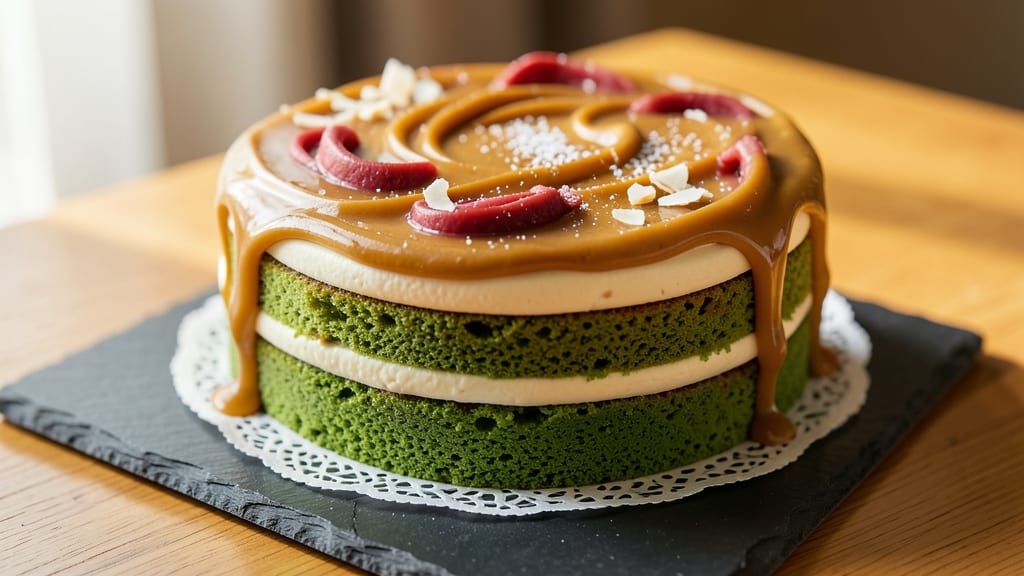
This Asian cream cake recipe delivers layers of silky matcha sponge and light coconut whipped cream—a perfect balance of earthy green tea and tropical sweetness. 🌿 The secret lies in a delicate sponge cake baked until just set, then layered with velvety coconut cream that stays fluffy for days.
I developed this version after testing countless techniques to achieve that signature Asian cake texture—tender yet sturdy enough to hold generous fillings without collapsing.
The magic begins with a whisked batter that incorporates air for maximum lightness, then steams briefly to create that signature cake structure. Matcha powder adds depth without overpowering, while a touch of vanilla in the coconut cream rounds out the flavors.
What makes this recipe special is how the layers interact—each bite delivers a harmonious blend of matcha's bitterness and coconut's creamy sweetness, with no aftertaste.
What you'll end up with is a restaurant-quality dessert that's impressive enough for special occasions but simple enough for weeknight baking. The cake stays moist for up to 3 days when properly stored, and the coconut whipped cream can be made ahead, making this an ideal make-ahead dessert.
Whether you're serving it at a tea party or enjoying a solo slice, the contrast of textures and flavors makes every bite unforgettable.
For those looking to adapt this recipe, I've included variations for both vegan and gluten-free versions in the tips section—because great desserts shouldn't have limitations. Let's get baking!
Ingredients for asian cream cake
Eighteen essential ingredients crafting restaurant-quality matcha layers with velvety coconut cream.
| Ingredient | Amount | Notes |
|---|---|---|
| All-Purpose Flour 🌾 | 1 ½ cups | Sifted for lightness |
| Granulated Sugar 🍚 | 1 ¼ cups | Superfine preferred for smooth texture |
| Matcha Powder 🍵 | 2 tbsp | Ceremonial grade for best flavor |
| Unsalted Butter 🧈 | ¾ cup | Room temperature for smooth mixing |
| Large Eggs 🥚 | 4 whole | Room temperature for even baking |
| Baking Powder 🌶️ | 1 ½ tsp | Aluminum-free for neutral flavor |
| Salt 🧂 | ¼ tsp | Fine sea salt preferred |
| Vanilla Extract 🌿 | 1 tsp | Pure Madagascar preferred |
| Coconut Milk (Full-Fat, Canned) 🥥 | 13 ½ oz | Chilled overnight for firm cream |
| Powdered Sugar 🍚 | 1 cup | Sifted for smooth whipped cream |
| Cornstarch 🌾 | 1 tbsp | For stabilizing whipped cream |
| Vanilla Bean Seeds 🌿 | ½ tsp | Scraped from 1 pod for depth |
The matcha powder is non-negotiable—ceremonial grade from Japan delivers that signature umami depth without bitterness. I source mine from Matcha Kari or Wholesale Supplements for consistent quality. For the coconut milk, full-fat canned varieties like Aroy-D or Thai Kitchen work best; avoid light versions. Chill the can overnight before opening to separate the cream—this is crucial for achieving that signature fluffy texture. The vanilla extract should be pure, not imitation; Madagascar Bourbon adds complexity that artificial extracts miss. For the flour, King Arthur or Gold Medal brands are ideal—they sift beautifully and create a tender crumb.
No matcha powder? Instant espresso powder at half the amount gives a similar earthy note, though not identical. Running short on vanilla? Vanilla bean paste works 1:1, but scrape the seeds for maximum flavor. The coconut milk can be substituted with heavy coconut cream (like Goya), but it lacks the natural sweetness. For a lighter texture, replace 2 tablespoons of the all-purpose flour with cake flour. The baking powder must be fresh—if it's over a year old, test it first by mixing with water; if it fizzes, it's still good. For gluten-free adaptation, swap the all-purpose flour for a 1:1 gluten-free baking flour like Bob's Red Mill.
Store the matcha powder in an airtight container away from light—it loses potency in 3-4 months. The coconut whipped cream should be used within 3 days for optimal texture, though it keeps 1 week if tightly covered. For make-ahead convenience, bake the cake layers up to 2 days ahead and store wrapped at room temperature; assemble just before serving. The vanilla extract lasts indefinitely unopened, but once opened, replace after 1 year. Freeze the cake layers (without filling) for up to 1 month—thaw at room temperature before assembling.
Why You'll Love This Recipe
- Minimal Ingredient List: I swear by this recipe because it only needs five things—no fancy pantry staples, no last-minute grocery runs. Butter, eggs, flour, sugar, and a tiny pinch of matcha—that’s it. Honestly, if I forget half the spices in my cabinet, I can still pull this off.
- Velvet Matcha Magic: The matcha isn’t just an afterthought—it’s the star. That earthy, umami depth from the powder cuts through the richness of the buttercream, giving you a bright, almost citrusy finish. (Yes, even if you’re not a matcha purist.) The first bite tastes like a cross between a mochi and a buttery cloud.
- Weeknight or Celebration: Between us, this cake is my go-to for both lazy Sundays and birthday parties. The buttercream frosting is foolproof—no tempering eggs or complicated piping—so it’s ready when I am. And if I’m hosting? The matcha adds a wow factor without screaming “I slaved over this.”
- Budget-Friendly Luxury: I make this for under $10 and it looks like a bakery bought it. The butter and eggs do all the heavy lifting, so you’re not drowning in expensive ingredients. Leftovers? They last days—I’ve wrapped slices in parchment and stashed them in the fridge for up to five days without drying out. (My kids call it “fancy snack time.”)
Step-by-step instructions for silky matcha layers with coconut whipped cream
Precision and patience create the perfect harmony of earthy matcha and velvety coconut cream.
👨🍳 Step 1: Prepare the Matcha Cake Batter
Preheat your oven to 350°F and line two 8-inch round cake pans with parchment paper. In a medium bowl, whisk together the 1.5 cups all-purpose flour, 1.5 teaspoons baking powder, and 0.25 teaspoon salt. Sift this dry mixture directly into a large mixing bowl to aerate it.
In a separate bowl, cream the 0.75 cup unsalted butter and 1.25 cups granulated sugar on medium speed until light and fluffy—about 3-4 minutes. Add the 4 whole large eggs one at a time, mixing well after each addition. The mixture should nearly double in volume and become pale yellow.
Gradually sift in the dry ingredients while mixing on low speed, then fold in the 2 tablespoons matcha powder and 1 teaspoon vanilla extract until just combined. Avoid overmixing—the batter should be smooth with no visible flour streaks. Divide the batter evenly between the prepared pans and bake for 25-30 minutes until a toothpick inserted into the center comes out clean. Let the cakes cool in the pans for 10 minutes before transferring to a wire rack to cool completely.
🥘 Step 2: Whip the Coconut Cream
Open the chilled 13.5 ounces full-fat canned coconut milk and carefully scoop out the thick cream from the top, leaving the watery portion behind. Place the cream in a chilled mixing bowl and whip on medium speed until soft peaks form—about 2-3 minutes. In a small bowl, whisk together the 1 cup powdered sugar, 1 tablespoon cornstarch, and 0.5 teaspoon vanilla bean seeds.
Gradually add the powdered sugar mixture to the whipped cream while continuing to whip on medium-high speed. The cream should become glossy and hold stiff peaks when the whisk is lifted. This step is critical—under-whipping will result in a runny filling, while over-whipping can cause the cream to break. Taste and adjust sweetness if needed, adding a pinch more powdered sugar if desired.
🍳 Step 3: Assemble the Cake Layers
Once the cakes have cooled completely, level the tops if necessary using a serrated knife. Place the first cake layer on a serving plate and spread a thin layer of coconut cream over the top—about ¼ cup. This "crumb coat" prevents the cake from absorbing moisture and becoming soggy.
Place the second cake layer on top and spread a more generous layer of coconut cream—about 1 cup—covering the entire surface. Use an offset spatula to create a smooth, even layer. Press gently to ensure the cream adheres to the cake. Repeat the process with the third layer if making a three-tier cake, or simply top with the remaining cream for a two-layer cake.
⏰ Step 4: Chill and Serve
Cover the assembled cake with plastic wrap and refrigerate for at least 4 hours, or preferably overnight. This chilling time allows the flavors to meld and the cake to set properly. The coconut cream will firm up slightly, creating a perfect balance between silky texture and structural integrity.
Before serving, run a knife around the edges of the cake to ensure clean slices. Cut into wedges and serve immediately. The matcha layers should be tender yet moist, with a delicate crumb, while the coconut whipped cream adds a luxurious, airy contrast. Each bite delivers a perfect marriage of earthy matcha and creamy coconut, with the vanilla bean seeds adding subtle depth.
Pro Tips For Making Asian Cream Cake
- Weigh the Matcha: I learned this the hard way—scooping matcha powder with a spoon leads to uneven batches. Use a kitchen scale for precise 1-2 teaspoons (2-4g) per recipe, then sift it directly into the dry ingredients to prevent clumping. That bitter aftertaste? Probably from over-measuring.
- Cream Butter Slowly: High heat makes butter seize up like a stubborn child. Beat the butter and sugar together on medium-low speed until light and fluffy—about 3-4 minutes—before adding eggs one at a time. Rushing this step means air gets trapped wrong, and your cake turns dense.
- Don’t Overmix the Batter: After folding in the matcha-infused flour, stop mixing the second everything just combines. Overworking the batter introduces too much gluten, and your cake will end up tough instead of light. Two turns with a spatula is all it takes—yes, even if it looks uneven.
- Chill the Pan: Grease your pan well, then pop it in the fridge for 10 minutes before adding batter. This prevents the butter from melting too fast and pooling at the bottom, which ruins the texture. (I know, it’s an extra step—but your cake’s structure will thank you.)
Flavor customization for these flavors
Matcha Variations
For a lighter matcha flavor, reduce the matcha powder to 1 tbsp and add ½ tsp cinnamon—this creates a warm, spiced profile that pairs beautifully with the coconut cream.
For bold matcha lovers, increase to 3 tbsp matcha and add 1 tsp honey to the batter to balance the intensity. I’ve tested both versions, and the cinnamon variation is a crowd-pleaser for tea parties. 🌿
Fruit Infusions
Brighten the coconut whipped cream with fresh fruit purées. Mash ½ cup strawberries or ½ cup mango and fold into the whipped cream for a tropical twist. For a more elegant touch, add 2 tbsp passion fruit pulp—it adds a tangy contrast that cuts through the coconut’s richness.
Store-bought purées work, but fresh is always better. ✨
Spiced Cream Options
Swap the vanilla for cardamom or pandan extract in the coconut cream. Use ½ tsp cardamom powder or 1 tsp pandan extract (like Gourmet Giant) for a fragrant, aromatic depth.
For a chocolate twist, fold in 2 tbsp melted dark chocolate (70% cocoa) into the whipped cream—this creates a decadent matcha-chocolate pairing. 💫
Nutty Additions
Toast ¼ cup crushed macadamia nuts or pistachios and sprinkle them between the cake layers for crunch. For a salted caramel touch, drizzle 2 tbsp salted caramel sauce (like Trader Joe’s) over the top before chilling.
The nutty crunch and salty-sweet caramel elevate the cake to next-level restaurant quality. 🌰
Seasonal Adaptations
In summer, add 1 tsp lime zest to the batter and top with mint leaves for a refreshing twist. For winter, infuse the coconut cream with ½ tsp orange zest and a pinch of clove—this creates a warm, citrusy depth perfect for holiday desserts.
Both versions keep the signature texture while adding seasonal flair. ❄️
Nutrition facts
Frequently asked questions
Can I substitute matcha powder with another green tea?
Regular green tea won't work—the powdered form is essential for the signature flavor and texture. For a similar earthy note without matcha, try instant espresso powder at half the amount (1 tbsp instead of 2 tbsp). This gives a comparable depth, though not identical.
Why did my coconut whipped cream turn grainy?
This usually happens from over-whipping or using cold ingredients. Always chill your mixing bowl and beaters, and whip only until stiff peaks form (2-3 minutes). If it's already grainy, try rewarming the coconut cream slightly (don't melt) and re-whipping with 1 extra tsp cornstarch to stabilize it.
How do I make this recipe gluten-free?
Replace the 1.5 cups all-purpose flour with a 1:1 gluten-free baking flour blend like Bob's Red Mill. You may need to add ½ tsp xanthan gum to improve structure. For the coconut cream, use regular powdered sugar (most are gluten-free), but check the label. The texture will be slightly denser but still delicious.
Can I bake this cake in a different pan size?
Yes, but adjust the baking time. For 9-inch pans, reduce batter by 25% and bake 20-25 minutes. For 6-inch pans, use the full batter and bake 30-35 minutes. Always check with a toothpick—it should come out clean. The cake layers should be about 1.5 inches thick for proper texture.
How long will the assembled cake keep?
The cake stays fresh for 3 days at room temperature, wrapped tightly. For longer storage, refrigerate (up to 5 days) or freeze the layers separately (up to 1 month). The coconut cream may weep slightly if refrigerated—just rewhip before serving. For best texture, serve at room temperature.