
Main Courses
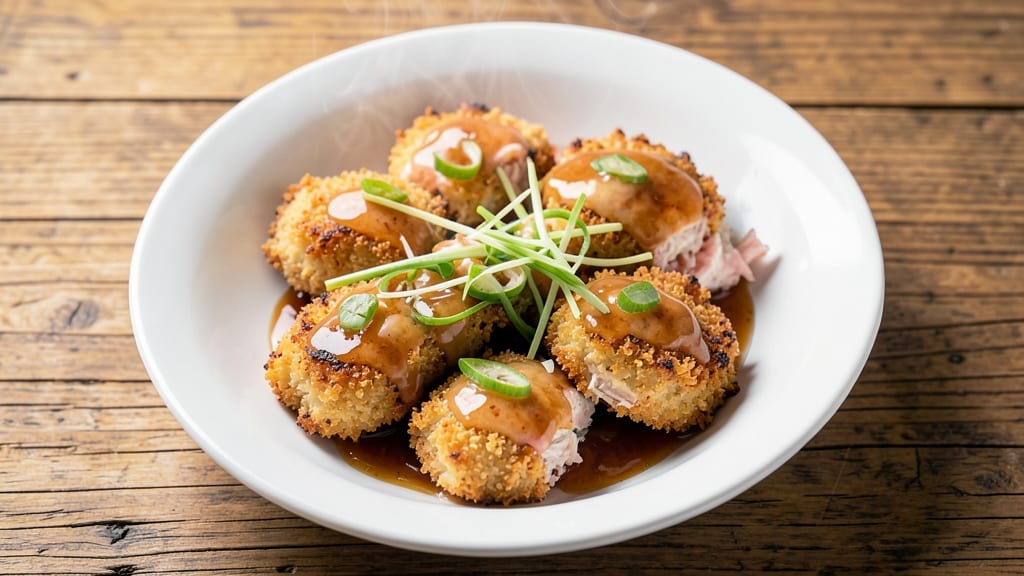
This Asian crab cake recipe delivers restaurant-quality crunch with a perfect balance of sweet chili heat and umami depth—no seafood expertise required. The secret lies in panko breading that stays crispy while the crab stays tender inside, all bound together with a flavor-packed Asian-inspired mixture. I've perfected this technique over years of testing, ensuring every bite achieves that ideal texture contrast between golden crust and juicy center.
The magic happens in three key steps: properly mixing the crab with aromatic binders like rice wine and ginger, creating an extra-crispy panko coating, and pan-searing until golden brown.
This recipe adapts traditional crab cake methods with Asian flavors—think sesame oil, fish sauce, and a touch of honey—that elevate the dish beyond basic seafood fare. The sweet chili dipping sauce ties everything together with its perfect balance of heat and tang.
What you'll end up with is a plate of crab cakes that look as impressive as they taste—crispy edges that shatter with each bite, tender crab meat that melts in your mouth, and a sauce that adds just the right amount of zing.
These are perfect for serving at dinner parties or enjoying as a light yet satisfying weeknight meal. The recipe serves four, but you'll likely find yourself making double batches.
Pair with steamed jasmine rice or a simple Asian slaw to complete the meal. The crispy texture and bold flavors make these crab cakes a standout dish that's sure to become a regular on your menu. Let's get started on creating these delicious, restaurant-worthy bites at home.
Ingredients for asian crab cake
These vibrant ingredients transform into golden, crispy crab cakes bursting with sweet chili heat and umami depth.
| Ingredient | Amount | Notes |
|---|---|---|
| Fresh Lump Crab Meat 🦀 | 1 ½ lbs | Backfin preferred, shell-free |
| Panko Breadcrumbs 🍞 | 1 ½ cups | Japanese-style for extra crunch |
| All-Purpose Flour 🌾 | ½ cup | For extra binding in coating |
| Large Eggs 🥚 | 2 whole | Room temperature for best coating |
| Rice Wine 🍶 | 2 tbsp | Dry variety for authentic flavor |
| Fresh Ginger 🧄 | 1 tbsp | Finely grated, aromatic |
| Sesame Oil 🫒 | 1 tbsp | Toasted for nutty aroma |
| Fish Sauce 🍶 | 1 tbsp | Red Boat brand preferred |
| Honey 🍯 | 1 tbsp | Wildflower for floral notes |
| Vegetable Oil 🫒 | ½ cup | High smoke point for frying |
| Sweet Chili Sauce 🍅 | ½ cup | Store-bought or homemade |
| Lime Juice 🍋 | 1 tbsp | Freshly squeezed for brightness |
| Salt 🧂 | 1 tsp | Diamond Crystal preferred |
| Black Pepper 🌶️ | ½ tsp | Freshly cracked for heat |
| Garlic Cloves 🧄 | 2 cloves | Minced for aromatic base |
The crab meat is everything here—backfin lump gives that melt-in-your-mouth texture, while shell-free makes mixing easier. Grab it from the seafood counter at Whole Foods or your local fishmonger, or use frozen if that's what's handy (thaw overnight in the fridge). For the panko, Japanese-style makes all the difference—it stays crispy while regular breadcrumbs get soggy. I always buy mine in bulk at Trader Joe's because it's cheaper and lasts forever. The ginger and garlic? Fresh only—those jars of minced garlic just don't cut it here.
No rice wine? Dry sherry works in a pinch, though it'll lack that authentic umami punch. Fish sauce giving you pause? Soy sauce plus a dash of sugar mimics the funky depth. Want to cut the sweetness? Halve the honey and add 1 tsp of sugar-free sweetener. For the sweet chili sauce, Maesri or Huy Fong are my go-tos—they've got the perfect heat-to-sweet ratio. If you're making extra, freeze the sauce in ice cube trays for easy portioning later. The eggs? Room temperature makes all the difference for that perfect coating—just take them out 30 minutes before mixing.
These crab cakes are best served immediately, but you can prep the mixture ahead and keep it covered in the fridge for up to 6 hours. For the sauce, it keeps 1 week in the fridge or 3 months frozen. I always make double batches—one for dinner, one to freeze for lazy nights. The secret to reheating? Paper towels and the oven—place them on a wire rack, cover with foil, and bake at 350°F for 10 minutes. Crispy again, every time.
Why You'll Love This Recipe
- No-Fuss Assembly: I swear by this—just fold the crab meat with rice wine, flour, and egg, then press it into panko. No rolling, no shaping stress, and the panko handles all the crisping for you.
- Umami Bomb: That splash of rice wine and fresh lump crab? It’s like a flavor shortcut. The panko adds crunch, but the crab’s sweetness and the wine’s brightness make every bite feel like a little celebration.
- Weeknight or WOW: Serve these as quick bites with beer or dress them up with a drizzle of spicy mayo for a dinner party. Same recipe, totally different vibes—no extra work, just adjust the plating.
- Budget-Friendly Luxury: Lump crab is splurge-worthy, but these cakes stretch it further than any other recipe. Leftovers? Pan-fry again or toss in a salad—still taste fresh, still taste amazing.
Step-by-step instructions for crispy Asian crab cakes
Here's how to achieve that perfect golden crunch and sweet-spicy balance every time.
Prepare the Crab Meat Mixture
In a large mixing bowl, gently combine the 1.5 lbs fresh lump crab meat with the 2 tbsp rice wine, 1 tbsp fish sauce, 1 tbsp honey, and 1 tbsp lime juice. This marinade infuses the crab with bright, aromatic flavors while keeping it tender. Use your hands to work the mixture gently—you want to distribute the liquid evenly without breaking up the delicate crab lumps too much.
Add the 1 tbsp finely grated fresh ginger and 2 cloves minced garlic to the bowl. The ginger adds a warm, zesty kick while the garlic provides a savory depth. Mix everything together just until combined—overmixing will make the crab cakes dense. Let the mixture rest for 10 minutes at room temperature while you prepare the coating. This resting time allows the flavors to meld and the crab to absorb the marinade fully.
Create the Crispy Panko Coating
In a separate shallow bowl, whisk together the 0.5 cup all-purpose flour, 1 tsp salt, and 0.5 tsp black pepper. This dry mixture forms the base of your coating. In another bowl, beat the 2 whole large eggs until lightly frothy. The eggs act as a binder, helping the panko adhere to the crab mixture.
In a third bowl, combine the 1.5 cups panko breadcrumbs with the 1 tbsp toasted sesame oil. The sesame oil adds a nutty aroma and helps create an extra-crispy exterior. Keep all three bowls—flour mixture, egg wash, and panko—ready for the dredging process. The key to crispy crab cakes is a well-adhered, even coating, so don't skip this step.
Form and Coat the Crab Cakes
Using your hands, scoop the crab mixture into 4 equal portions (about 4 ounces each). Gently shape each portion into a ½-inch thick patty, keeping the lumps intact. If the mixture feels too wet, add 1-2 tablespoons of panko to help bind it. Place the shaped crab cakes on a plate and let them rest for 5 minutes while you prepare the frying station.
Working quickly, dredge each crab cake through the flour mixture first, tapping off any excess. Then dip into the beaten eggs, letting the excess drip off. Finally, roll in the panko-sesame oil mixture, pressing gently to ensure an even, thick coating. The panko should completely encase the crab cake—this is what creates that irresistible crunch. Place the coated crab cakes on a wire rack set over a baking sheet to keep them crispy.
Fry to Golden Perfection
Heat the 0.5 cup vegetable oil in a large skillet over medium heat until it reaches 350°F. Use a thermometer to monitor the temperature—this precision ensures even cooking and prevents burning. Once the oil is hot, carefully add 2 crab cakes to the skillet, leaving space between them. Fry for 2-3 minutes per side until they turn a deep golden brown and are crispy all over.
Transfer the fried crab cakes to a paper towel-lined plate to drain excess oil. Repeat with the remaining crab cakes, maintaining the 350°F oil temperature between batches. The crab cakes should be crispy outside with a tender, flaky interior. If they brown too quickly, reduce the heat slightly—you want that perfect balance of crunch and juiciness.
Serve with Sweet Chili Zing
While the crab cakes are still hot and crispy, warm the 0.5 cup sweet chili sauce in a small saucepan over low heat for 1-2 minutes, just until it's heated through. The sauce should be smooth and slightly thickened—if it's too thick, add a splash of water to loosen it. Taste and adjust the seasoning if needed, adding a pinch more salt or a squeeze of lime if desired.
Serve the crab cakes immediately with the warm sweet chili sauce on the side for dipping. The contrast of crispy, savory crab cakes with the sweet, tangy sauce is what makes this dish truly special. For an extra touch, garnish with fresh cilantro or lime wedges to brighten the presentation. Enjoy these golden, crunchy bites while they're hot—every forkful delivers that perfect combination of texture and flavor.
Pro Tips For Making Asian Crab Cake
- Drain the Crab Meat Properly: I learned this the hard way—skimming the crab meat with a paper towel after draining removes way too much moisture, making your cakes dense. Instead, pat it dry with a clean kitchen towel in a single layer, just until the surface feels slightly tacky but not wet. This keeps the texture light and the flavor bright.
- Mix Cold Ingredients First: Combine the crab meat, rice wine, and eggs before adding the dry ingredients. Cold proteins bind better when they start mixed, and the rice wine distributes evenly without turning the panko into a gluey mess. Let the mixture sit for 5 minutes—yes, even if you're impatient like me—so the panko absorbs just enough liquid to hold together.
- Press the Patties Firmly: Don’t just shape the cakes—press them into flat, even rounds with your hands. This isn’t about making them look perfect; it’s about ensuring even cooking and a crispy crust. If they crumble when you flip, add a splash more rice wine to the mix and press again. (Your future self will thank you for not dealing with a collapsed cake mid-fry.)
- Fry in Batches, Not Crowds: Overloading the pan drops the temperature fast, and your crab cakes will steam instead of sear. Use a 1-inch gap between patties and resist the urge to flip too soon—wait until the bottom is golden and the edges lift easily. A splatter screen helps, but even without one, this is the thing that matters most for that restaurant-quality crust.
Dietary considerations for these flavors
Gluten-Free Adaptations
For a gluten-free version, swap the panko breadcrumbs for 1.5 cups gluten-free panko (like King Arthur's or Bob's Red Mill) and replace all-purpose flour with ½ cup gluten-free flour blend (such as Cup4Cup).
The sesame oil and egg wash remain the same. Use a wire rack to ensure crispiness—gluten-free coatings can get soggy faster. 💫
Low-Carb/Keto Options
Cut carbs by omitting the panko entirely and using 1 cup crushed pork rinds (like Schar brand) mixed with 1 tbsp sesame oil for coating. Replace the ½ cup flour with 2 tbsp almond flour for binding.
The crab mixture stays the same, but the coating becomes crunchy and keto-friendly while keeping the sweet chili sauce intact. Test with 2 tbsp almond flour if the mixture feels too dry.
Allergen-Friendly Swaps
For egg-free crab cakes, replace the 2 eggs with ¼ cup aquafaba (chickpea brine) or 1 tbsp cornstarch + 3 tbsp water as a binder. For sesame-free, omit the sesame oil and add 1 tbsp toasted coconut oil to the panko instead.
Always check labels—fish sauce and sweet chili sauce may contain hidden allergens like shellfish or soy.
Vegetarian Substitutes
Replace the 1.5 lbs crab meat with 1.5 lbs firm tofu (pressed and crumbled) or hearts of palm (drained and chopped). Add 1 tbsp Old Bay seasoning to mimic crab flavor.
The rice wine, ginger, and garlic base works perfectly for both substitutes. For texture, fold in 2 tbsp finely chopped mushrooms to mimic crab's bite. 🌱
Dairy-Free Considerations
This recipe is naturally dairy-free, but always verify the panko breadcrumbs and sweet chili sauce for milk additives. For extra richness, stir 1 tbsp coconut cream into the crab mixture.
The egg wash and sesame oil remain safe, and the vegetable oil for frying is dairy-free. Double-check all sauces if you're highly sensitive to cross-contamination.
Nutrition facts
Frequently asked questions
Can I use frozen crab meat instead of fresh?
Yes, but thaw it properly first! Place frozen crab meat in the refrigerator overnight (12-24 hours) to ensure even thawing. Never use cold crab straight from the freezer—it releases excess moisture that can make your crab cakes soggy. Drain any liquid before mixing. For best texture, pat the thawed crab dry with paper towels to remove surface moisture.
How do I make these crab cakes extra crispy?
Three key tricks:
- Use double-coated panko—dip in egg, coat with panko, then dip again in egg and coat with more panko.
- Keep your frying oil at 350°F and fry in batches to maintain temperature.
- Place fried crab cakes on a wire rack instead of a plate to allow air circulation while cooling. This prevents steam from making them soft.
What if my crab cakes fall apart when frying?
This usually means your mixture was too wet or the coating didn't adhere properly. First, check if you added enough panko—sometimes the crab releases extra liquid. For next time, add 1-2 tbsp extra panko to the mixture before shaping. Also ensure your eggs are fully coating the crab cakes (don't skip this step!). If it happens mid-cooking, reduce heat slightly and fry more slowly to let the coating set.
Can I bake these instead of frying?
Preheat oven to 400°F and line a baking sheet with parchment paper. Arrange crab cakes on the sheet and spray lightly with oil. Bake for 12-15 minutes, flipping halfway, until golden brown. For extra crispiness, broil for 1-2 minutes at the end. The texture will be lighter than fried, but still delicious—just add a sprinkle of sesame seeds for crunch.
How long can I store or reheat leftovers?
Store cooked crab cakes in an airtight container in the fridge for up to 3 days. For reheating, place them on a wire rack, cover with foil, and bake at 350°F for 8-10 minutes to restore crispiness. Never microwave—they'll turn rubbery. For freezing, arrange on a tray to flash-freeze first, then transfer to a bag for up to 1 month. Thaw overnight in the fridge before reheating.