
Desserts
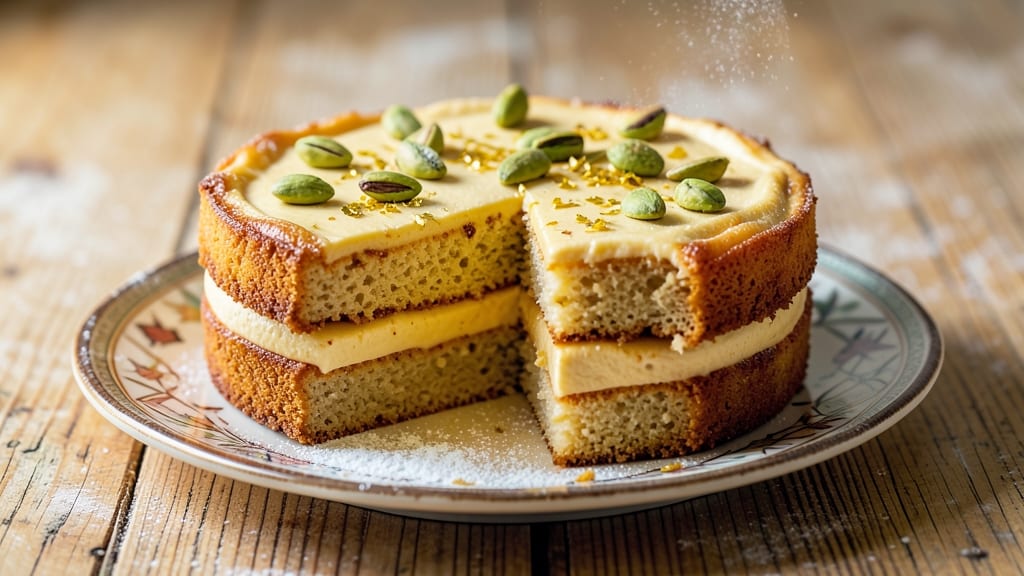
This Arabic saffron cake recipe brings the golden hues and aromatic depth of Middle Eastern tradition to your kitchen. Saffron, the world's most expensive spice, transforms ordinary cake batter into a luxurious dessert with its floral notes and vibrant color.
The secret lies in properly steeping the saffron threads in warm milk to extract maximum flavor and color without bitterness.
What makes this recipe special is the balance between tender crumb and crisp golden crust, achieved through precise baking techniques. Arabic cakes often incorporate semolina or cornmeal for texture, and this version delivers that signature combination.
The cake's fragrance alone will transport you to bustling markets of Cairo or Dubai, where saffron-infused sweets are beloved.
By following this method, you'll create a cake with layers of moist, spiced cake and a caramelized top that's impossible to resist. The saffron's delicate aroma permeates every bite, creating a dessert that's both elegant and comforting. Perfect for special occasions or as a showstopping centerpiece for any gathering.
Traditionally, this cake is served at celebrations like Eid or weddings, where its golden beauty symbolizes prosperity. The recipe includes tips for achieving the perfect saffron infusion and baking results that rival professional bakeries. Let's create this fragrant masterpiece together.
Ingredients for arabic saffron cake
Golden saffron threads and aromatic spices transform simple ingredients into Middle Eastern luxury.
| Ingredient | Amount | Notes |
|---|---|---|
| Saffron Threads 🌼 | ¼ tsp | High-quality, organic preferred |
| Warm Whole Milk 🥛 | ½ cup | Not boiling, ~160°F |
| All-Purpose Flour 🌾 | 3 cups | Sifted for light texture |
| Granulated Sugar 🍚 | 2 cups | Superfine preferred |
| Unsalted Butter 🧈 | 1 cup | Cold, cubed for creaming |
| Large Eggs 🥚 | 4 whole | Room temperature |
| Vanilla Extract 🌿 | 2 tsp | Pure Madagascar preferred |
| Ground Cardamom 🌶️ | 1 tsp | Freshly ground for aroma |
| Fine Sea Salt 🧂 | ½ tsp | Diamond Crystal preferred |
| Semolina Flour 🌾 | ½ cup | For signature texture |
| Cornmeal 🌽 | ¼ cup | Fine grind preferred |
| Baking Powder 🧪 | 1 ½ tsp | Aluminum-free |
| Orange Zest 🍊 | 1 tbsp | Freshly grated |
| Powdered Sugar 🍚 | ½ cup | For dusting |
The saffron is non-negotiable here—look for organic threads from Iran or Spain at specialty spice shops like Penzeys or Burlap & Barrel. These brands guarantee potency and purity, crucial for authentic flavor. Warm the milk to 160°F (not boiling) to preserve saffron's delicate compounds while extracting maximum color and aroma. For the butter, European-style brands like Plugrá or Kerrygold melt more cleanly, creating a smoother batter. Cardamom should be freshly ground—pre-ground loses its vibrant aroma within weeks, so invest in whole pods if you bake frequently.
No saffron? Turmeric at 1/4 tsp plus a pinch of orange food coloring mimics the golden hue, though lacks floral notes. Substitute vanilla with 1 tsp almond extract plus 1/2 tsp rose water for Middle Eastern depth. For gluten-free adaptation, replace semolina with fine cornmeal plus 1 tbsp xanthan gum. The baking powder must be aluminum-free—Bob's Red Mill or Clabber Girl are reliable brands. Orange zest can be dried and stored in the freezer for up to 3 months, preserving its bright flavor longer than fresh.
Saffron-infused milk keeps 3 days refrigerated in an airtight jar, though flavor peaks within 24 hours. The dry ingredients (flour, semolina, cornmeal) should be stored in airtight containers in a cool, dark pantry for up to 6 months. For maximum freshness, portion the batter into greased 8-inch pans immediately before baking—this cake doesn't reheat well, so plan for fresh slices. The finished cake stays moist 3 days at room temperature when wrapped tightly in parchment and foil, making it ideal for gifting or special occasions.
Why You'll Love This Recipe
- Golden Infusion Magic: I swear by that first sip of warm milk steeping the saffron—it’s the secret. Just 10 minutes of patience transforms basic flour and sugar into something luxurious, with that unmistakable floral aroma that makes your kitchen smell like a bakery in Damascus.
- No-Fuss Whisking: Honestly, this cake is more about folding than fussing. You cream butter and sugar like always, then fold in the flour and milk—no sifting, no extra bowls. Even if you’re not a baker, the saffron milk does half the work by infusing color and depth while you mix.
- Weekday Hero: Between us, this is my go-to when I need something special but can’t bake from scratch. The crumb stays moist for days, so I’ll make one batch on Sunday and nibble slices all week. Perfect for lunchboxes or when you’re craving cake but forgot to plan ahead.
- Budget Luxury: A pinch of saffron costs more than a coffee, but it turns simple ingredients into something ridiculously good. You’re not sacrificing flavor—just swapping out ordinary for extraordinary. Plus, the butter and milk make it rich enough to feel like a treat without breaking the bank.
Step-by-step instructions for Arabic saffron cake
This traditional cake delivers signature Middle Eastern flavors with a tender crumb and fragrant saffron aroma.
Infuse the Saffron and Prepare the Wet Ingredients
Begin by steeping the 0.25 tsp saffron threads in the 0.5 cup warm whole milk for 10 minutes. This creates the cake's signature golden hue and delicate floral aroma. While the saffron infuses, measure out the 1 cup unsalted butter and let it soften to room temperature—it should yield slightly when pressed but not be greasy.
In a large mixing bowl, combine the infused milk, 2 cups granulated sugar, and 4 whole large eggs at room temperature. Whisk vigorously for 3-4 minutes until the mixture lightens in color and nearly triples in volume. This thorough creaming ensures a tender, airy crumb. The mixture should resemble pale ribbons when you lift the whisk.
Incorporate Dry Ingredients and Specialty Flours
In a separate bowl, sift together the 3 cups all-purpose flour, 0.5 cup semolina flour, 0.25 cup cornmeal, 1.5 tsp baking powder, 1 tsp ground cardamom, 0.5 tsp fine sea salt, and 1 tbsp orange zest. The semolina and cornmeal create that signature Middle Eastern texture—don't skip this step. Whisk the dry ingredients until evenly distributed, then gradually add them to the wet mixture in three additions.
After each addition, use a spatula to gently fold from the bottom up until just combined. Overmixing develops gluten, which can make the cake dense. The batter should be thick but pourable, with a few small lumps remaining. Fold in the 2 tsp vanilla extract last, ensuring even distribution throughout the batter.
Bake to Golden Perfection
Preheat your oven to 350°F and grease a 9-inch round cake pan or line it with parchment paper. Pour the batter into the prepared pan and smooth the top with a spatula. Bake for 40-45 minutes or until a toothpick inserted in the center emerges clean. The edges should be golden brown while the center remains slightly springy to the touch.
I've found that baking times can vary slightly based on your oven's calibration. Start checking for doneness at the 35-minute mark—the cake should pull away slightly from the pan's edges but still have a soft top. Remove from the oven and let cool in the pan for 10 minutes before transferring to a wire rack to cool completely.
Dust and Serve
Once completely cooled, dust the top generously with 0.5 cup powdered sugar using a fine-mesh sieve. This creates that signature cloud of powder that's traditional in Arabic cakes. The cake should have a tender, slightly chewy texture with a delicate saffron aroma that permeates every bite.
For best results, serve at room temperature. The saffron's floral notes combine beautifully with the warm cardamom and bright orange zest, creating a flavor profile that's both comforting and sophisticated. This cake pairs perfectly with strong Arabic coffee or mint tea for an authentic experience.
Pro Tips For Making Arabic Saffron Cake
- Infuse Saffron Properly: I learned this the hard way—just tossing saffron threads into warm milk and calling it a day? That’s how you end up with a cake that smells like saffron but tastes like nothing. Crush the threads with a pinch of sugar first, then steep in warm milk for at least 10 minutes. The sugar helps release the flavor, and the warmth opens up those delicate strands.
- Use Room-Temp Butter: This isn’t the prettiest method, but it’s the tastiest. Cold butter in Arabic saffron cake means pockets of unmelted fat that make your crumb dense and uneven. Let that butter sit out for 30-45 minutes before creaming—yes, even if you’re impatient like me. Trust the process.
- Don’t Overmix the Batter: I used to beat this batter like I was trying to win a baking contest, and every time, the cake turned out tough and dry. Arabic saffron cake relies on a tender crumb, so mix the dry ingredients and wet ingredients just until combined. A few lumps? Doesn’t matter. Overmixing is the real enemy here.
- Test for Doneness Early: This cake isn’t like your average sponge—it sets up slower and can go from perfect to gummy if you wait too long. Start checking for doneness with a toothpick at 20 minutes (yes, even if the recipe says 30). If it comes out with a few moist crumbs but no wet batter, it’s ready. Pull it then, or you’ll end up with a sad, dense brick.
Flavor customization for this dish
Citrus Variations
Swap the orange zest for lemon or grapefruit zest to brighten the flavor profile. Use 1 tbsp lemon zest for a sharper tang or 1 tbsp grapefruit zest for a tropical twist.
Pair with 1 tsp lemon extract instead of vanilla for a zesty contrast. I've found grapefruit zest works beautifully with a pinch of ground cinnamon for warmth. 🍋
Spiced Adaptations
Enhance the warmth by adding ½ tsp ground cinnamon or ¼ tsp ground nutmeg to the dry ingredients. For a smoky depth, fold in ½ tsp smoked paprika with the vanilla.
These spices complement saffron's floral notes while adding complexity. I recommend testing small amounts first—spices can intensify during baking. 🌶️
Nutty Enhancements
Fold in ½ cup toasted chopped pistachios or walnuts for texture and richness. Toast the nuts in a dry pan over medium heat for 3-4 minutes until fragrant, then chop coarsely.
This adds crunch while balancing the cake's tenderness. For extra decadence, drizzle melted dark chocolate over the top after baking. 🌰
Fruit Infusions
Add ½ cup finely chopped dried apricots or dates to the batter for natural sweetness and chewiness. Soak the fruit in warm water for 10 minutes to soften, then drain before mixing.
Alternatively, fold in 1 cup fresh berries like raspberries or blackberries for a fruity surprise. These additions create delightful pockets of flavor. 🍓
Creamy Variations
Transform this into a layered cake by adding a ½ cup sour cream or Greek yogurt to the wet ingredients. For extra richness, replace ½ cup milk with heavy cream in the saffron infusion.
These adjustments create a moister, denser crumb that holds up beautifully to frosting or fruit toppings. 🥛
Gluten-Free Options
Replace the all-purpose flour with a 1:1 gluten-free baking flour blend like Bob's Red Mill or King Arthur. Add 1 tbsp xanthan gum to improve texture.
For the semolina, use fine cornmeal or almond flour—both work well while maintaining the cake's signature crumb. These swaps keep the cake tender and flavorful. 🌾
Nutrition facts
Frequently asked questions
Why does Arabic saffron cake need semolina and cornmeal?
These specialty flours create the cake's signature texture—semolina adds a delicate crunch while cornmeal enhances moisture retention. Together, they mimic traditional Middle Eastern baking techniques that result in a tender yet slightly chewy crumb. The combination also helps stabilize the cake's structure, preventing it from becoming too dense.
Can I substitute saffron with turmeric?
Yes, but expect different results. Use ¼ tsp turmeric plus a pinch of orange food coloring for the golden hue, though it won't replicate saffron's floral aroma. For authentic flavor, invest in quality saffron—even 0.1 tsp makes a noticeable difference. The spice's cost reflects its potency and unique taste profile.
How do I know when the cake is fully baked?
Insert a toothpick into the center—it should emerge clean with just a few moist crumbs. The edges should be golden brown while the top remains slightly springy. Baking times vary by oven, so start checking at 35 minutes for a 9-inch pan. Overbaking can dry out the cake's delicate texture.
What's the best way to store this cake?
Wrap tightly in plastic wrap followed by aluminum foil to preserve moisture. Store at room temperature for up to 3 days or refrigerate for 5 days. For longer storage, freeze slices wrapped individually for up to 2 months. The cake's texture suffers from reheating, so serve fresh whenever possible.
Why does my cake taste bitter?
Bitterness usually comes from oversteeping saffron or using old spices. Steep threads in warm milk for only 10 minutes—no longer! Also check your butter quality (European-style brands melt cleaner) and avoid overmixing the batter. Freshly ground cardamom and quality vanilla extract are crucial for authentic flavor.