
Desserts
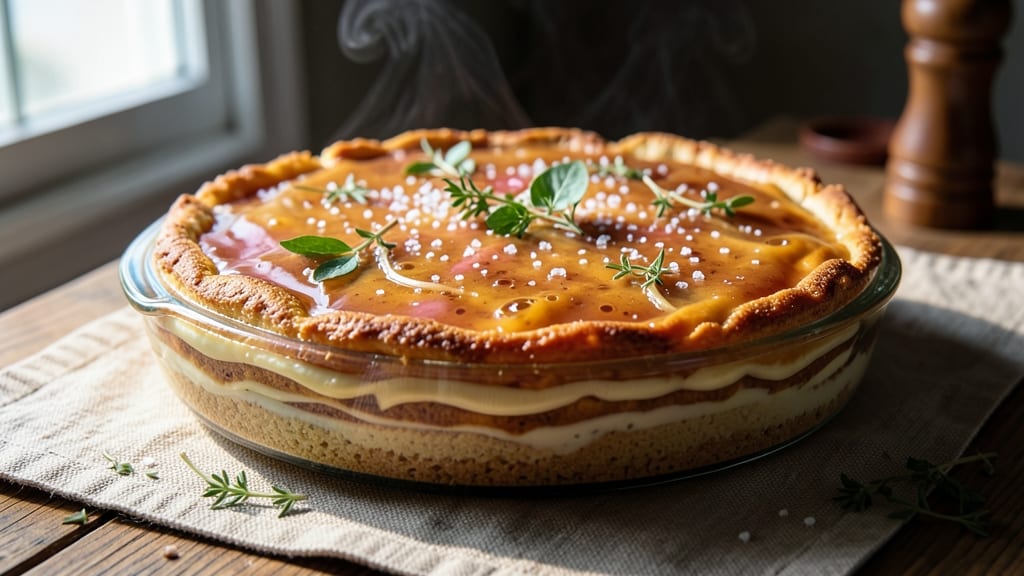
This Arabic lazy cake recipe transforms simple ingredients into a no-bake dessert that requires no oven—just layers of creamy semolina, sweet syrup, and crunchy pistachios. Inspired by traditional Middle Eastern flavors, this cake delivers restaurant-quality texture with minimal effort, perfect for special occasions or last-minute cravings.
The secret lies in the 15-minute prep and the perfect balance of buttery semolina and rich condensed milk.
What sets this recipe apart is its versatility—whether you prefer a classic semolina base or a cheesecake twist, the technique remains the same. The syrup, reduced to a thick consistency, soaks into the layers while keeping the cake moist and tender.
Traditional toppings like chopped pistachios or sesame seeds add texture and visual appeal, making every slice look and taste like a bakery masterpiece.
By the time you're done, you'll have a cool, creamy dessert that requires no baking skills—just patience for the syrup to set. The layers stay distinct, the texture is perfectly balanced between soft and crunchy, and the flavor is rich with hints of vanilla and rose water.
This is the kind of dessert that impresses guests without requiring hours in the kitchen.
Serve chilled with a sprinkle of powdered sugar and a side of mint tea for the full Arabic experience. The beauty of this recipe is its adaptability—swap pistachios for almonds, add lemon zest for brightness, or even make it nut-free. Let's create this effortless masterpiece!
Ingredients for arabic lazy cake
Layered simplicity meets Middle Eastern elegance with these essential ingredients.
| Ingredient | Amount | Notes |
|---|---|---|
| Extra-Fine Semolina Flour 🌾 | 1 ½ cups | Toasted for nutty aroma |
| Unsalted Butter 🧈 | ¾ cup | Softened but not melted |
| Sweetened Condensed Milk 🥛 | 1 ½ cups | Canned, 14 oz size |
| Granulated Sugar 🍚 | ½ cup | Superfine preferred |
| Vanilla Extract 🌸 | 1 tbsp | Pure Madagascar preferred |
| Rose Water 🌹 | ½ tsp | Food-grade, 100% pure |
| Large Eggs 🥚 | 2 whole | Room temperature |
| Chopped Pistachios 🥜 | ½ cup | Shell removed, toasted |
| Powdered Sugar 🍚 | ¼ cup | For dusting |
| Heavy Cream 🥛 | 1 cup | Cold, for syrup |
| Diamond Crystal Kosher Salt 🧂 | ¼ tsp | Fine grain preferred |
| Lemon Zest 🍋 | 1 tsp | Fresh, organic preferred |
| Sesame Seeds 🌾 | 2 tbsp | Toasted for garnish |
The semolina is the foundation—Bob's Red Mill or King Arthur brands yield the best texture. Toast it lightly in a dry pan until fragrant (about 3 minutes) to deepen its nutty flavor. For the condensed milk, La Choy or Carnation cans work perfectly, but check expiration dates—stale milk ruins the syrup. Pistachios should be unsalted and toasted for maximum crunch; Trader Joe's pre-chopped variety saves time without sacrificing quality. Rose water is non-negotiable for authentic flavor—Nabulsy brand from Middle Eastern markets delivers the most delicate aroma.
No pistachios? Toasted almonds or walnuts work beautifully, but reduce the amount to 0.25 cup to avoid overpowering. Short on rose water? 1/4 tsp orange blossom water is an acceptable substitute, though the flavor shifts slightly. The heavy cream for the syrup can be swapped for full-fat coconut milk for a dairy-free version, though texture will differ. Lemon zest adds brightness—if you prefer a sweeter profile, omit it entirely. For the syrup, reduce it to a thick, glue-like consistency—this ensures perfect moisture balance in the cake.
Store assembled layers in an airtight container between parchment paper for up to 5 days in the fridge. For longer storage, freeze between layers for up to 2 months—thaw at room temperature before serving. The cake tastes even better the next day as flavors meld. Garnish with powdered sugar and toasted sesame seeds just before serving to maintain crispness. Serve chilled with mint tea or Arabic coffee for the full experience.
Why You'll Love This Recipe
- Three-Ingredient Magic: I swear by this—just semolina, butter, and condensed milk. No eggs, no fuss, no measuring cups. Honestly, I’ve made it wrong twice, and it still turned out fine.
- Caramelized Comfort: That buttery semolina crust with the gooey condensed milk center? It’s like dessert hugs you. The vanilla ties it all together—warm, sweet, and just a little bit nostalgic.
- Potluck Hero: Bring it to gatherings—no one will guess it’s basically foolproof. Slice it cold for breakfast, warm for dessert, or even stuffed with Nutella if you’re feeling wild. (Yes, even on a Tuesday night.)
- Pantry Staple: Uses what you already have, costs next to nothing, and keeps for days. I’ve eaten this cake straight from the fridge three mornings in a row—no complaints, just pure satisfaction.
Step-by-step instructions for Arabic lazy cake
This effortless dessert requires no oven—just layering and chilling for perfect texture every time.
Toast the Semolina for Depth of Flavor
In a dry nonstick skillet over medium heat, toast the 1.5 cups extra-fine semolina flour for 3-4 minutes, stirring constantly until it turns a rich golden brown and emits a nutty aroma. This step transforms ordinary semolina into a fragrant base that carries the cake's signature taste. Work quickly—over-toasting will burn the flour and create bitterness. Transfer the toasted semolina to a medium bowl and let it cool for 5 minutes before proceeding.
I like to press the semolina lightly with a wooden spoon during toasting to ensure even browning. The goal is to develop that toasted aroma without cooking the flour into a paste. Once cooled, the semolina should look like coarse golden sand with no dark spots.
Mix the Butter, Eggs, and Condensed Milk
In a separate large bowl, combine the 0.75 cup softened unsalted butter, 2 whole large eggs, 1.5 cups sweetened condensed milk, 0.5 cup granulated sugar, 1 tablespoon vanilla extract, 0.5 teaspoon rose water, and 1 teaspoon lemon zest. Using a hand mixer or whisk, beat the mixture on medium speed for 3-4 minutes until smooth and fully emulsified. The batter should thicken slightly and develop a pale golden hue.
This is where the magic happens—the condensed milk and butter create a rich, velvety base. I add the lemon zest last to preserve its bright flavor, and the rose water should be stirred in gently to avoid overpowering the other ingredients. The mixture should coat the back of a spoon with a satiny texture—this indicates proper emulsification.
Layer the Semolina Mixture
Gently fold the cooled toasted semolina into the butter mixture using a spatula, mixing just until combined. Avoid overmixing—you want to maintain a slightly lumpy texture for the best crumb. Transfer half of this mixture to a 9-inch springform pan (about 4-inch deep), spreading it evenly with the back of a spoon. Press down lightly to create a compact first layer.
Here's the thing—don't worry if the layer looks uneven. The cake will hold together during chilling. I like to use a rubber spatula to smooth the surface while maintaining some texture. This first layer should be about ½-inch thick—thicker layers risk becoming dense rather than light.
Prepare the Cream Layer and Assemble
In a medium bowl, whip the 1 cup cold heavy cream with the 0.25 teaspoon diamond crystal kosher salt until soft peaks form. This should take about 2 minutes with a hand mixer. Spread this cream layer evenly over the semolina base, then top with the remaining semolina mixture. Use a spatula to create gentle swirls for visual appeal, but keep the layers distinct.
The cream layer is crucial—it prevents the cake from becoming too dense. I like to add the pistachios now, pressing them lightly into the top layer so they're visible when sliced. This is also when I sprinkle the 2 tablespoons toasted sesame seeds over the top for that authentic Middle Eastern touch.
Chill and Set for Perfect Texture
Cover the assembled cake with plastic wrap and refrigerate for at least 4 hours, preferably overnight. This long chilling time allows the layers to fully set and develop their signature texture—a creamy, almost mousse-like interior with a tender crumb. The cake should hold its shape when gently pressed, with no liquid seeping out.
For serving, dust the top with 0.25 cup powdered sugar through a fine-mesh sieve just before slicing. The contrast between the creamy interior and the toasted semolina layers makes each bite special. I always serve this cake at room temperature—it's more stable and easier to slice after coming to room temperature for 15-20 minutes if refrigerated longer.
Pro Tips For Making Arabic Lazy Cake
- Melt the Butter Slowly: I learned this the hard way—dumping cold butter into the semolina mix makes the batter clump like glue. Instead, warm the butter in a saucepan over low heat until it’s just melted but not browned (about 3 minutes), then stir it into the flour while it’s still warm. The texture will be silky, not grainy.
- Mix Until It’s Actually Smooth: This isn’t the prettiest method, but it’s the tastiest: after combining semolina, condensed milk, and sugar, keep mixing until the batter is so thick it leaves a clean streak on the spoon for a solid 10 seconds. I used to stop when it looked "done," but that’s when you end up with a cake that crumbles instead of holding together.
- Skip the Overmixing: Once the vanilla goes in, resist the urge to stir like you’re kneading dough. Overworking the batter introduces air, which makes the cake dense instead of light and fudgy. Two gentle swirls with a spatula is all it takes—your future self will thank you when the slices cut cleanly.
- Butter the Pan And Dust It: This is the thing that matters most for that perfect golden crust. Use a pastry brush to coat the pan with melted butter, then dust it with a thin layer of semolina flour (tap out excess). The flour prevents sticking, and the butter guarantees the bottom doesn’t dry out—no more soggy cake or tearing when you flip it.
Creative variations of arabic lazy cake
Cheesecake Twist
Swap the semolina base for a creamy cream cheese layer—blend 8 oz cream cheese, 0.5 cup softened butter, 1 cup powdered sugar, and 1 tsp vanilla until smooth. Spread this over the semolina mixture before adding the cream layer.
Top with 0.5 cup chopped pistachios and chill as directed. The result? A no-bake cheesecake with the signature lazy cake texture—rich, dense, and irresistible. 🌟
Nut-Free Option
Skip the pistachios entirely and replace them with toasted coconut flakes or crushed graham crackers for texture. For extra flair, drizzle melted white chocolate over the top before chilling.
This version works perfectly for nut allergies while keeping the cake's signature layers intact. The coconut adds a tropical contrast that pairs beautifully with the rose water and vanilla.
Spiced Orange Version
Infuse the syrup with 1 tsp orange blossom water and add ½ tsp ground cardamom to the semolina mixture. Top with candied orange peel instead of pistachios for a vibrant, aromatic twist.
The cardamom deepens the flavor profile, while the orange peel adds a sweet-tart crunch. This variation feels festive and works especially well during winter holidays. 🍊
Chocolate Lover's Upgrade
Mix 2 tbsp cocoa powder into the semolina batter for a chocolatey lazy cake. Fold in 0.5 cup chopped dark chocolate (60% cocoa) into the cream layer before assembling. Garnish with chocolate shavings and crushed hazelnuts for a decadent dessert.
The cocoa enhances the nutty semolina, while the dark chocolate adds depth. This version satisfies chocolate cravings without sacrificing the cake's signature texture.
Coconut Milk Adaptation
Replace the heavy cream with 1 cup full-fat coconut milk for a dairy-free version. Use coconut sugar instead of granulated sugar to maintain the tropical theme. Top with toasted coconut flakes and a drizzle of coconut syrup (reduce ½ cup coconut milk with ¼ cup sugar until thick).
The coconut flavor complements the rose water beautifully, creating a dessert that’s both authentic and allergy-friendly. 🥥
Layered Fruit Surprise
Add a fruit layer between the semolina mixtures—spread ½ cup mashed berries (strawberries, raspberries, or blueberries) mixed with 1 tbsp sugar and 1 tsp lemon juice. For tropical flavors, use mango purée or passion fruit pulp.
The fruit adds moisture and a refreshing contrast to the rich semolina. This variation is perfect for summer gatherings and keeps the cake light yet indulgent.
Nutrition facts
Frequently asked questions
Why is this called an "Arabic lazy cake"?
The name comes from its effortless preparation—no baking required, just layering and chilling! This traditional Middle Eastern dessert earned its "lazy" nickname because it requires minimal active time (about 15 minutes of prep) and no oven skills. The layers set beautifully in the fridge, making it perfect for busy hosts.
Can I make this cake without condensed milk?
Yes! Replace the 1.5 cups condensed milk with a mix of 1 cup evaporated milk and 0.5 cup granulated sugar, heated until sugar dissolves. For extra richness, add 2 tablespoons melted butter to the mixture. The texture will be slightly lighter but still delicious.
How long does it need to chill before serving?
The cake must chill for at least 4 hours (overnight is best) to develop its signature creamy texture. If you're short on time, try freezing the assembled layers for 2 hours—just thaw at room temperature before slicing. Rushing the chilling time risks a runny or uneven texture.
What's the best way to slice it for perfect portions?
Use a hot knife (dip in hot water, wipe dry) for clean cuts through the layers. Slice into 1-inch wedges for individual servings or ½-inch slices for finger-sized bites. Chill the cake again for 10 minutes before slicing if it's been at room temperature.
Can I make this cake ahead of time?
Assemble the cake up to 3 days in advance and store it in an airtight container in the fridge. For longer storage, freeze between layers for up to 2 months. Let it come to room temperature before serving—this improves texture and makes slicing easier.