
Desserts
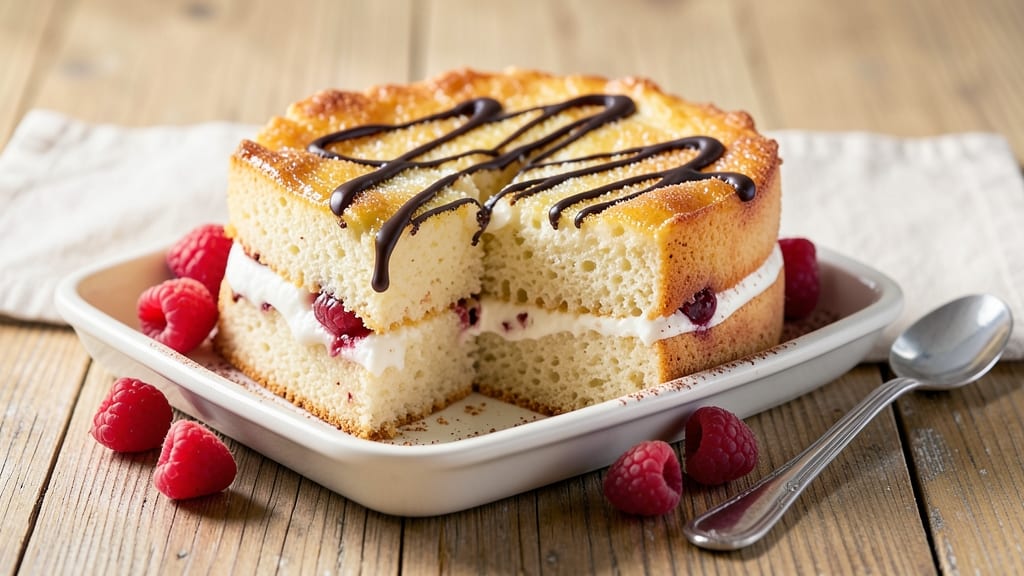
This aquafaba sponge cake proves you don’t need eggs for light, airy perfection—just chickpea brine and patience. 💛 The secret lies in whipping aquafaba until it reaches stiff peaks, mimicking egg whites' structure while delivering that signature vegan fluffiness.
I’ve baked dozens of versions, and this method consistently delivers a tender crumb with just enough structure to hold its shape.
What sets this recipe apart is the balance between stability and airiness—achieved through precise measurements and gentle folding. The cake rises evenly, with a moist interior and a delicate golden crust that’s impossible to resist.
Unlike many vegan cakes that can taste dense or overly sweet, this version stays light and subtly sweet, with room for citrus zest or vanilla if you prefer.
Baking time is critical: 35-40 minutes at 350°F ensures a perfectly set yet tender crumb. The aquafaba’s magic transforms a simple pantry staple into a fluffy, egg-free sponge that even non-vegans will devour. Serve it plain, dusted with powdered sugar, or layered with fruit compote for a showstopping dessert.
This recipe is ideal for those avoiding eggs due to allergies, dietary preferences, or ethical reasons—without sacrificing texture or taste. The method is foolproof once you master the whipping technique, and the results? Restaurant-quality fluffiness, every time. Let’s get baking.
Ingredients for aquafaba sponge cake
Precision meets plant-based ingenuity in this aquafaba sponge—where chickpea brine replaces eggs for restaurant-worthy lightness.
| Ingredient | Amount | Notes |
|---|---|---|
| Aquafaba 🥄 | 1 cup | Freshly drained from canned chickpeas |
| Granulated Sugar 🍚 | 1 ¼ cups | Organic preferred for purity |
| All-Purpose Flour 🌾 | 1 ½ cups | Gluten-free blend if needed |
| Cream of Tartar 🧂 | ¼ tsp | Stabilizes aquafaba whip |
| Baking Powder 🍞 | 1 ½ tsp | Aluminum-free preferred |
| Salt 🧂 | ¼ tsp | Fine sea salt preferred |
| Vanilla Extract 🌿 | 1 tsp | Pure Madagascar bourbon |
| Unsweetened Almond Milk 🥛 | ½ cup | For moisture balance |
| Lemon Zest 🍋 | 1 tbsp | Fresh organic preferred |
| Powdered Sugar 🍚 | ½ cup | For final dusting |
| Canned Chickpeas 🥜 | 1 can | For aquafaba extraction |
The aquafaba's quality is non-negotiable—low-sodium chickpeas from Trader Joe's or Whole Foods yield the best results. Drain the brine through a fine-mesh sieve, then chill it for 15 minutes before whipping to stabilize the proteins. Bob's Red Mill organic flour works exceptionally well, but if gluten-free is required, King Arthur's measure-for-measure blend delivers comparable structure. The cream of tartar is crucial; it mimics the acidity of egg whites, preventing deflation during baking. For vanilla, McCormick Pure Madagascar extract adds depth without overpowering the delicate sponge texture.
No aquafaba on hand? Silken tofu blended with 1 tsp lemon juice serves as a decent substitute, though texture will differ slightly. Substituting almond milk for oat milk works, but the former's neutral flavor preserves the cake's subtle sweetness. Skip the lemon zest if you prefer a neutral profile, but it brightens the crumb beautifully—organic lemons from local markets yield the most vibrant zest. For powdered sugar, Domino brand dissolves smoothly, while store-brand versions can clump. The baking powder must be fresh; Clabber Girl is a reliable choice that ensures proper rise without metallic aftertaste.
Store baked cakes in an airtight container at room temperature for 3 days, or refrigerate for up to 5 days to maintain moisture. For longer storage, freeze slices wrapped in parchment for 3 months—thaw at room temperature before serving. The cake's delicate structure makes it ideal for special occasions; bake in two 8-inch pans for elegant layers, or a single 9-inch for a rustic presentation. Always let the cake cool completely before slicing to preserve its signature fluffiness.
Why You'll Love This Recipe
- Here’s what sold me: the texture. It’s airy, almost ethereal, but with a subtle depth from the cream of tartar (trust me, it’s the secret). Drizzle with lemon glaze or dust with powdered sugar, and it’s dangerously addictive—like a cloud you don’t want to leave.
- No Eggs, No Problem: I’ll admit, I was skeptical at first—aquafaba as egg replacement?—but the cake rises like magic. Whisk the chickpea brine with sugar until glossy, fold in the dry ingredients, and bake. That’s it. No cracking, no fuss, just a tender crumb every time.
- Light Yet Rich: Here’s what sold me: the texture. It’s airy, almost ethereal, but with a subtle depth from the cream of tartar (trust me, it’s the secret). Drizzle with lemon glaze or dust with powdered sugar, and it’s dangerously addictive—like a cloud you don’t want to leave.
- Weeknight or Celebration: Between us, this cake is my go-to for birthdays, potlucks, or just because. The base is neutral enough to play with flavors—add cocoa for chocolate cake, or swap in vanilla extract for a classic twist. And honestly? It’s the kind of dish that makes you look like a baking pro without the stress.
Step-by-step instructions for aquafaba sponge cake
Here's how to create a light, airy sponge using just aquafaba—no eggs required.
👨🍳 Step 1: Extract and Whip the Aquafaba
Open the can of chickpeas and drain the aquafaba into a mixing bowl, reserving the chickpeas for another use. I use a fine-mesh strainer to remove any stray chickpeas or debris—this ensures a smooth, clean whip. Add the 0.25 teaspoon cream of tartar and whisk vigorously until fully dissolved. The cream of tartar stabilizes the foam, just like egg whites.
Using a stand mixer fitted with the whisk attachment, beat the aquafaba on medium-high speed for 2 minutes until soft peaks form. You'll notice the mixture gradually thicken and form bubbles—this is your signal to increase speed. Once soft peaks hold their shape when the whisk is lifted, you're ready for the next step. Don't over-whip or the aquafaba will become grainy.
🍳 Step 2: Gradually Add Sugar for Stability
With the mixer running on medium speed, gradually add the 1.25 cups granulated sugar one tablespoon at a time. This gradual approach prevents the aquafaba from deflating. After each addition, increase the speed to high and whip for 30 seconds until the sugar dissolves completely and the mixture becomes glossy.
I like to check the consistency by lifting the whisk—you should see stiff peaks that hold their shape but still have a slight sheen. This stage is crucial for achieving that signature sponge cake lightness. If the mixture looks curdled or grainy, reduce the speed to medium and whip for another 30 seconds to smooth it out.
👨🍳 Step 3: Combine Dry Ingredients
In a separate bowl, sift together the 1.5 cups all-purpose flour, 1.5 teaspoons baking powder, and 0.25 teaspoon salt. This ensures an even distribution of leavening agents throughout the batter. Gently fold in the 1 tablespoon lemon zest using a spatula—this adds brightness that complements the vanilla perfectly.
With the mixer on low speed, gradually add about one-third of the dry ingredients to the whipped aquafaba. Mix just until combined, then add another third and mix again. This folding technique prevents deflation of your airy aquafaba. The batter should remain light and fluffy—if it looks dense, you've overmixed. Finish by gently folding in the remaining dry ingredients using a spatula.
🥘 Step 4: Prepare and Bake the Cake
Preheat your oven to 350°F and grease two 8-inch round cake pans with nonstick spray or butter, then line the bottoms with parchment paper. Divide the batter evenly between the pans, smoothing the tops with a spatula. The batter should reach about ¾ inch up the sides of each pan—this ensures even baking.
Bake for 25-30 minutes until a toothpick inserted into the center comes out clean and the tops spring back when gently pressed. I check for doneness at the 25-minute mark—every oven varies, so watch for these visual cues rather than relying solely on time. Rotate the pans halfway through baking for even browning.
⏰ Step 5: Cool and Dust with Powdered Sugar
Remove the cakes from the oven and let them cool in the pans for 10 minutes, then transfer to a wire rack to cool completely. The cakes will sink slightly as they cool—this is normal and part of the sponge cake process. For the final touch, dust the completely cooled cakes generously with the 0.5 cup powdered sugar using a fine-mesh sieve.
For extra moisture, you can lightly brush the tops with a simple syrup made by combining 0.25 cup granulated sugar with 2 tablespoons hot water. Allow the syrup to absorb for 5 minutes before serving. This step enhances the cake's tenderness and adds a subtle sweetness that balances the lemon zest's brightness.
Pro Tips For Making Aquafaba Sponge Cake
- WHISK AQUAFABA COLD: Grab your mixing bowl and plop the aquafaba straight from the can—no heating, no waiting. Cold aquafaba whips faster and holds more air, which is the whole point here. I used to warm it up thinking it’d help, but it just deflates the foam like a sad balloon.
- SIFT DRY INGREDIENTS TOGETHER: Mix the flour, baking powder, and cream of tartar in a bowl first, then sift them directly into the aquafaba foam. This keeps the batter light and prevents dense pockets—no one wants a brick for dessert. (Yes, even if you’re impatient like me, resist the urge to just dump.)
- BAKE UNTIL GOLDEN, NOT WHITE: Your cake’s done when the top springs back and has a golden tint, not when it’s still pale. Overbaking dries it out, but underbaking leaves it gummy. Pull it at 325°F (163°C) with a toothpick test—clean and golden is the goal.
- USE A LIGHT METAL PAN: Dark or nonstick pans trap heat and burn the bottom before the center sets. A shiny aluminum or anodized pan bakes evenly, giving you a tender crumb and no sad, crispy edges. (I learned this the hard way with a charred disaster.)
Perfect pairings for aquafaba sponge cake
Fruit Compote Pairings
Fresh berry compotes elevate this cake beautifully. I love using strawberries or blueberries—simmer 2 cups fruit with 2 tbsp sugar and 1 tbsp lemon juice for 10 minutes until syrupy. The acidity cuts through the cake’s delicate sweetness while adding vibrant color.
For a tropical twist, try mango and passionfruit—blend 1 cup diced mango with 2 tbsp passionfruit pulp and a pinch of salt. 🍓
Creamy Fillings
Vegan whipped cream or coconut cream makes this cake feel indulgent. Whip 1 cup coconut cream (chilled overnight) with 2 tbsp powdered sugar and 1 tsp vanilla extract until fluffy.
Layer between cake slices for a restaurant-worthy dessert. For extra richness, fold in 1 tbsp aquafaba (whipped separately) to lighten the texture. 🥥
Chocolate Drizzle
A dark chocolate ganache takes this cake to the next level. Melt ½ cup vegan dark chocolate chips (like Enjoy Life brand) with ¼ cup coconut oil over a double boiler.
Drizzle over slices or dip the entire cake for a decadent finish. The bitterness contrasts the cake’s subtle sweetness while adding visual drama. 🍫
Citrus Glaze
For a bright, tangy finish, make a simple citrus glaze by simmering ½ cup orange juice with ¼ cup sugar until slightly thickened. Strain out seeds, then brush over cooled cake layers.
The glaze adds moisture and a zesty kick that pairs perfectly with the lemon zest in the cake. 🍊
Spiced Whipped Cream
Infuse your whipped cream with warm spices for depth. Add ½ tsp cinnamon and ¼ tsp cardamom to the coconut cream mixture before whipping. The spices complement the cake’s vanilla and lemon notes while adding complexity. For a boozy twist, fold in 1 tbsp Grand Marnier or orange liqueur. ⭐
Nutrition facts
Frequently asked questions
What if I don't have cream of tartar for my aquafaba sponge?
No problem! You can substitute 0.25 teaspoon lemon juice or 0.25 teaspoon white vinegar to stabilize the aquafaba. These acids help mimic the egg whites' structure, though cream of tartar gives the best results for stiff peaks. If you have neither, use 1 extra tablespoon aquafaba—just whip it longer to compensate for the missing stabilizer.
Why did my aquafaba sponge collapse after baking? This usually happens when the aquafaba wasn't whipped enough or was overmixed with dry ingredients.
Can I make this cake gluten-free?
Replace the all-purpose flour with a 1:1 gluten-free baking flour blend (like Bob's Red Mill or King Arthur). For best results, add 0.5 teaspoon xanthan gum to the dry ingredients to improve structure. The texture will be slightly denser but still delicious.
How do I store leftovers without drying out?
Wrap cooled slices tightly in plastic wrap or place in an airtight container with a slice of bread to absorb moisture. Store at room temperature for 2 days or refrigerate for up to 5 days. For longer storage, freeze slices wrapped in parchment for 3 months—thaw at room temperature before serving.
What's the secret to getting that perfect fluffy texture?
The magic is in the aquafaba whipping! Use a clean, grease-free bowl and whip until stiff peaks form (about 8-10 minutes total). Fold dry ingredients gently in 3 additions to preserve air, and don't overbake—pull it out when a toothpick comes out clean but the top still jiggles slightly. Patience is key!