
Desserts
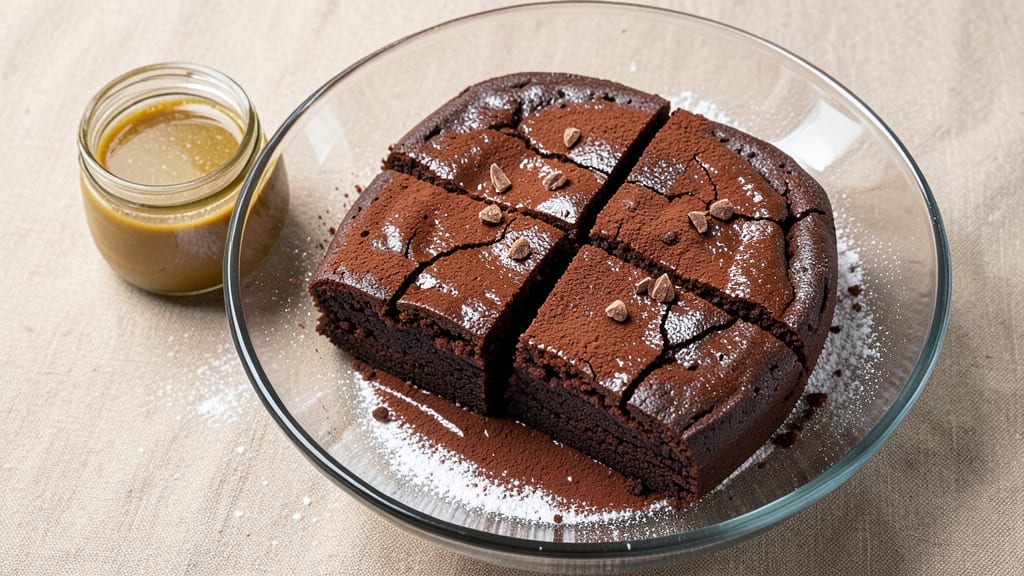
This aquafaba chocolate cake recipe delivers all the rich, fudgy magic of classic chocolate cake—without a single egg in sight. The secret lies in chickpea brine, transformed into fluffy, cloud-like peaks that replace eggs entirely.
After years of experimenting with plant-based baking, I finally cracked the code for a cake that's moist, tender, and so decadent you'd never guess it's vegan.
The beauty of this recipe is its simplicity: one bowl, minimal prep, and no special equipment beyond a whisk and oven. Aquafaba (the liquid from canned chickpeas) whips up to create structure and airiness, while cocoa powder and melted butter deliver that signature chocolate depth.
The key technique? Whisking the aquafaba to stiff peaks—like meringue, but with none of the fuss.
What you'll end up with is a single-layer cake with a crackly top, fudgy crumb, and just the right amount of moisture. The flavor is pure chocolate bliss, with none of the dryness common in vegan cakes.
It bakes in 35-40 minutes at 350°F, giving you a warm, aromatic kitchen filled with the scent of melted chocolate.
Serve it plain for maximum chocolate impact, or dust with powdered sugar and fresh berries for a pop of color. This recipe proves that plant-based baking doesn't mean sacrificing texture or flavor—just pure indulgence. Let's get baking!
Ingredients for aquafaba chocolate cake
This egg-free chocolate cake relies on aquafaba's magic and simple pantry staples for rich, fudgy perfection.
| Ingredient | Amount | Notes |
|---|---|---|
| Aquafaba (Chickpea Brine) 🥫 | 1 cup | From 1 can chickpeas, whisked to stiff peaks |
| Unsweetened Cocoa Powder 🍫 | ½ cup | Natural or Dutch-processed, high-quality |
| Granulated Sugar 🍚 | 1 cup | Organic preferred for refined texture |
| All-Purpose Flour 🌾 | 1 ½ cups | Sifted for optimal aeration |
| Baking Soda 🧂 | ½ tsp | Pure, aluminum-free |
| Salt 🧂 | ¼ tsp | Fine sea salt preferred |
| Vanilla Extract 🌿 | 1 tbsp | Pure alcohol-free preferred |
| Unsalted Vegan Butter 🧈 | ½ cup | Melted, full-fat for richness |
| Plant-Based Milk 🥛 | ¼ cup | Almond or oat for neutral flavor |
| Dark Chocolate Chips 🍫 | 1 cup | Vegan, 70% cocoa minimum |
| Powdered Sugar 🍚 | ¼ cup | For dusting, organic preferred |
The aquafaba is non-negotiable—use chickpea brine from a can of chickpeas (not reduced or flavored). Trader Joe's or Whole Foods carry high-quality chickpeas, but any canned brand works. Whisk it to stiff peaks like meringue, which requires a clean, grease-free bowl and electric mixer for best results. For the cocoa powder, Valrhona or Guittard brands deliver superior flavor, but Hershey's Special Dark is a budget-friendly alternative. Sift the flour and cocoa together to prevent lumps and ensure even distribution in the batter.
No aquafaba? Flax eggs (3 tbsp ground flaxseed + 9 tbsp water) can replace the structure, though texture won't be identical. Swap plant-based milk for coconut milk if you prefer a richer flavor, but almond milk keeps the cake's lightness. For the chocolate chips, Enjoy Life or Pascha brands are vegan-certified and melt beautifully. If you're short on time, pre-whisk the aquafaba while the oven preheats—every second counts for stiff peaks. The vanilla extract should be pure, alcohol-free for the cleanest flavor, though regular extract works in a pinch.
Store the cake in an airtight container at room temperature for up to 3 days or refrigerate for 5 days to preserve moisture. For longer storage, freeze the baked cake (without frosting) for up to 3 months—thaw at room temperature before serving. The crackly top develops as it cools, so resist the urge to slice immediately. Dust with powdered sugar just before serving to highlight the cake's fudgy texture. Portion into slices for individual servings or keep whole for a dramatic presentation.
Why You'll Love This Recipe
- I’ll be real: my kitchen is a disaster most days, so a recipe with one bowl and five ingredients is my secret weapon. Just mix, bake, and done—no extra bowls, no extra cleanup. The baking soda does all the heavy lifting, so you don’t even need to fuss with leavening agents.
- No Eggs, No Stress: I’ll admit, I was skeptical at first—using chickpea water as an egg substitute? But that aquafaba whips into a dreamy meringue that holds this cake together perfectly. No cracking eggs, no messy shells, just a simple whisk and you’re golden.
- Rich Without Guilt: Between us, this cake is ridiculously good—fudgy, moist, and packed with that deep cocoa flavor—but it’s also lighter than most chocolate cakes. The secret’s in the aquafaba’s airiness, which cuts through the richness like a breath of fresh air. (Yes, even on a Tuesday night.)
- Budget-Friendly Luxury: Honestly, this recipe saved me during my "I can’t afford groceries but still want dessert" phase. Cocoa powder and chickpea brine are cheap staples, and you’re left with a cake that tastes like it cost a fortune. Plus, the leftovers? They’re my go-to for quick breakfasts or late-night cravings.
Step-by-step instructions for aquafaba chocolate cake
This one-bowl method transforms simple pantry staples into a decadent, egg-free chocolate cake with perfect texture.
Whip the Aquafaba to Stiff Peaks
In a large mixing bowl, combine the 1 cup Aquafaba (Chickpea Brine) using a stand mixer fitted with the whisk attachment. Beat on high speed for 4-5 minutes until the mixture forms stiff peaks—when you lift the whisk, the peaks should hold their shape for several seconds. This step mimics egg whites, providing the cake's structure and lightness.
Here's the thing—don't rush this process. The aquafaba needs time to incorporate air properly. If you stop too early, the cake will be dense. You'll know it's ready when the peaks are glossy and hold their shape like meringue. Keep the bowl and whisk dry to prevent premature deflation.
Gradually Incorporate Dry Ingredients
With the mixer running on low speed, gradually add the 1.5 cups All-Purpose Flour, 0.5 cup Unsweetened Cocoa Powder, 1 cup Granulated Sugar, 0.5 tsp Baking Soda, and 0.25 tsp Salt to the whipped aquafaba. Mix on low for 1-2 minutes until just combined—you should still see small pockets of flour. Overmixing develops gluten, which can make the cake tough.
I sift the flour and cocoa powder together first to prevent clumping. Add them slowly to avoid deflating the aquafaba. The batter should be thick but pourable, resembling a rich chocolate pudding. If it looks too dry, add 1 tablespoon of the Plant-Based Milk to help bind everything together.
Fold in Wet Ingredients and Chocolate
Remove the bowl from the mixer and gently fold in the 0.5 cup Unsalted Vegan Butter (melted and cooled slightly), 0.25 cup Plant-Based Milk, and 1 tbsp Vanilla Extract using a spatula. The mixture will be thick but smooth. Then, fold in the 1 cup Dark Chocolate Chips by hand to distribute them evenly throughout the batter.
This is where the cake's richness comes from. The melted butter adds moisture and tenderness, while the chocolate chips create pockets of gooey goodness. Don't overmix—just combine until the chocolate chips are evenly distributed. The batter will be thick, almost like brownie dough, which is perfect for this dense yet fluffy cake.
Bake Until Golden and Springy
Preheat your oven to 350°F and grease an 8-inch round cake pan or line it with parchment paper. Pour the batter into the prepared pan and smooth the top with a spatula. Bake for 30-35 minutes until the top is deep golden brown and a toothpick inserted in the center comes out with moist crumbs (not wet batter).
I check for doneness at the 25-minute mark—the cake should spring back slightly when pressed in the center. If the edges brown too quickly, tent the cake with foil to prevent overbrowning while the center finishes baking. The cake is done when it's set but still slightly fudgy in the middle.
Cool and Dust with Powdered Sugar
Remove the cake from the oven and let it cool in the pan for 10 minutes. Then transfer it to a wire rack to cool completely. Once fully cooled, dust the top generously with 0.25 cup Powdered Sugar for a classic finishing touch. The cake will firm up as it cools, developing a perfect balance of moisture and structure.
Slice into 8 equal wedges for serving. Each piece should have a tender crumb with pockets of melted chocolate. The aquafaba gives it a subtle eggy richness, while the cocoa and chocolate deliver deep, satisfying flavor. Serve with a dollop of vegan whipped cream or a dusting of cocoa powder for extra indulgence.
Pro Tips For Making Aquafaba Chocolate Cake
- WHISK AQUAFABA HOT: I learned this the hard way—whipping aquafaba straight from the can? It’ll never hold. Heat it first in a saucepan until it’s just about to simmer (160°F/70°C), then let it cool slightly before whipping. The proteins relax and stabilize better, giving you that cloud-like meringue texture the cake needs.
- SIFT THE COCOA: Dry cocoa powder clumps like a stubborn guest who won’t leave. Sift it directly into the dry ingredients with the flour and baking soda—no lumps, no bitter pockets. I used to just stir it in, and the cake turned out dense in spots. A quick sift makes all the difference.
- STOP WHEN IT’S PEAKY: Overwhipped aquafaba turns into butter, and that’s a fast track to a gummy cake. You want stiff peaks that hold their shape but still look glossy, not dry or crumbly. Test it by lifting the whisk—if the peaks bend but hold, you’re golden. No need to go further.
- USE A TOOTHPICK TEST: The cake’s done when the center springs back slightly when pressed, but there’s still a tiny bit of wet batter clinging. If you pull out a toothpick with crumbs but no wet batter, you’ve nailed it. Overbaking dries out the aquafaba’s moisture, leaving you with a brick instead of a fudgy slice.
Troubleshooting great aquafaba chocolate cake
Flat Cake Result
If your cake flattens instead of rising, the aquafaba likely wasn't whipped to stiff peaks. Re-whip any unused aquafaba to test consistency—it should hold its shape like meringue. Also check your baking soda (it must be fresh) and ensure you didn't overmix the batter.
A 1/4 tsp extra baking powder can help next time if you're using an older batch.
Dense Texture
Dense cake usually means insufficient air incorporation. Whip the aquafaba for an extra 2-3 minutes to ensure maximum volume. Sift all dry ingredients together first to prevent lumps that can weigh down the batter. For extra moisture, add 1 tbsp extra plant-based milk when folding in wet ingredients.
Cracked Top
A crackly top is normal as the cake cools, but excessive cracking suggests overbaking. Remove the cake when the center is just set (toothpick with moist crumbs).
If your oven runs hot, reduce temperature to 325°F and bake for 40-45 minutes. For extra insurance, tent with foil after 25 minutes to slow browning.
Grainy Aftertaste
Graininess often comes from improperly sifted flour or cocoa powder. Sift all dry ingredients together through a fine-mesh sieve before mixing. For a smoother texture, replace 1/4 cup all-purpose flour with 1/4 cup cake flour in future batches. Always use high-quality cocoa powder—avoid cocoa mixes with added sugar.
Underbaked Center
An underbaked center happens when the cake isn't fully set after 35 minutes. Increase baking time by 5-10 minutes and check again. For even cooking, rotate the pan halfway through baking.
If your oven has hot spots, place the pan on the middle rack. Always use an oven thermometer to verify 350°F—many ovens run 25°F hotter than set.
Sunken Middle
A sunken center typically means the cake cooled too quickly. Let the cake cool in the pan for the full 10 minutes before transferring to a rack. For extra support, place a baking sheet under the pan to catch any drips.
If this happens repeatedly, reduce the baking soda by 1/8 tsp and increase flour by 2 tbsp for better structure.
Nutrition facts
Frequently asked questions
Can I use aquafaba from any chickpea brand?
Yes, but quality matters! Any canned chickpeas will work, but avoid brands with added salt or preservatives. For best results, choose plain chickpeas from brands like Trader Joe's or Whole Foods—they yield the purest aquafaba for stiff peaks. Always drain the liquid from a fresh can (not reduced or flavored).
What if my aquafaba doesn't whip to stiff peaks?
Don't worry—this happens with older aquafaba or greasy bowls. Try whisking for 5-7 minutes total, or add 1/4 tsp cream of tartar to stabilize it. If it still won't hold shape, fold in 1 extra tbsp flour to compensate for lost structure. A hand mixer works, but a stand mixer gives better volume.
Can I make this cake gluten-free?
Replace the 1.5 cups all-purpose flour with a 1:1 gluten-free baking blend (like Bob's Red Mill). Add 1/2 tsp xanthan gum if your blend doesn't contain it. For extra moisture, reduce the sugar by 1 tbsp—gluten-free cakes can dry out faster. Use an oven thermometer to ensure 350°F accuracy.
How do I store leftovers?
Keep the cake in an airtight container at room temperature for 3 days or refrigerate for 5 days. For longer storage, freeze slices wrapped in plastic for 3 months. Thaw at room temperature—microwaving can make it gummy. The texture stays moist, but flavor peaks within 2 days of baking.
Why does my cake taste bitter?
Bitter notes usually come from overbaking or low-quality cocoa. Check your baking time—remove when the center is just set (30-35 minutes). For cocoa, use natural or Dutch-processed (like Valrhona or Guittard). If using baking cocoa, add 1 tsp extra sugar** to balance. Never use cocoa mixes with added sugar or spices.