
Desserts
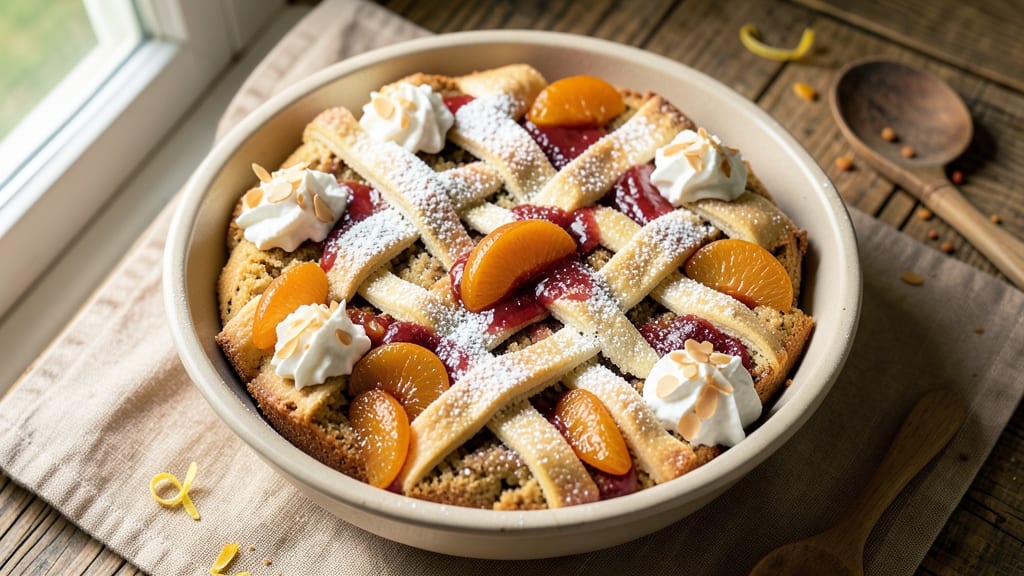
This apricot Danish coffee cake delivers the perfect balance of buttery layers, jam-filled bliss, and tender coffee cake texture—all in one golden, flaky masterpiece. The secret lies in a rich, coffee-infused batter that pairs beautifully with apricot jam swirled between layers, creating a dessert that’s both nostalgic and refined.
Every bite delivers a harmonious mix of sweet, fruity, and caramelized notes, making it ideal for brunch or a special treat.
The recipe begins with a classic Danish dough, rolled out and brushed with melted butter for that signature flakiness. Apricot jam is spread generously between layers, while the coffee cake batter adds moisture and depth.
Baking at the right temperature ensures a tender crumb without losing the flaky texture, resulting in a cake that’s both sturdy enough to slice and delicate enough to melt in your mouth.
What sets this recipe apart is the balance of flavors—rich, buttery layers contrast beautifully with the tart-sweet apricot jam, while the coffee-infused batter adds a subtle warmth.
The final presentation is just as important: dusted with powdered sugar and sliced into perfect squares, it’s a dessert that looks as impressive as it tastes.
Serve it warm with a dollop of whipped cream or a cup of espresso to enhance the coffee notes, or enjoy it at room temperature for a more balanced experience.
The versatility of this recipe makes it perfect for holidays, brunch gatherings, or even a cozy weekend treat. Let’s get baking!
Ingredients for apricot danish coffee cake
Buttery layers, coffee-infused batter, and jam-filled magic—here’s everything you need for this showstopper dessert.
| Ingredient | Amount | Notes |
|---|---|---|
| All-Purpose Flour 🌾 | 4 cups | Sifted for flaky layers |
| Unsalted Butter 🧈 | 1 ½ cups | Cold, cubed for flakiness |
| Granulated Sugar 🍚 | 1 ½ cups | Superfine preferred |
| Light Brown Sugar 🍚 | ½ cup | Packed for moisture |
| Large Eggs 🥚 | 2 whole | Room temperature |
| Instant Espresso Powder ☕ | 2 tbsp | For deep coffee flavor |
| Baking Powder 🧂 | 2 tsp | Aluminum-free preferred |
| Salt 🧂 | ½ tsp | Fine sea salt |
| Milk 🥛 | 1 cup | Whole milk preferred |
| Vanilla Extract 🌿 | 1 tsp | Pure vanilla preferred |
| Apricot Jam 🍑 | 1 ½ cups | Seeds removed, thick |
| Powdered Sugar 🍚 | ½ cup | For dusting |
The butter is non-negotiable here—European-style or Plugrá from the store’s bakery section gives the best flakiness. Grab it cold from the fridge, cut into cubes, and don’t let it warm up while mixing. For the espresso powder, Starbucks Via or Nescafé work perfectly, but instant is a must—it dissolves completely. The apricot jam? Mott’s or Bon Appétit brands have that perfect balance of tart and sweet. I always buy extra because it disappears fast—great for toast or pancakes too!
No instant espresso powder? Strong brewed coffee cooled works in a pinch, but you’ll need about 2 tbsp. Short on butter? Vegan butter in equal amounts, though it won’t be quite as flaky. The milk can be swapped for heavy cream if you want extra richness, but whole milk keeps it classic. For the jam, if you can’t find apricot, peach or plum jam will still shine—just adjust the sweetness to taste. And if you’re feeling fancy, infuse the milk with a vanilla bean while it warms up for mixing.
This cake is best made a day ahead—flavors meld beautifully overnight. Store leftovers in an airtight container at room temperature for 3 days or in the fridge for 5 days. To reheat, wrap a slice in foil and warm in the oven at 300°F for 5-7 minutes. The powdered sugar dusting is optional, but it adds that bakery-fresh touch. I like to slice it into 1-inch squares for perfect portions—easy to serve at brunch or holiday gatherings.
Why You'll Love This Recipe
- No-Fuss Mix-In: The dough comes together faster than you can cream butter and sugar—just fold in those dried apricots and a handful of chopped nuts if you’re feeling fancy. Honestly, the hardest part is waiting for it to bake.
- Buttery Apricot Bliss: That caramelized brown sugar crust? It’s the real star. The apricots soak up the buttery richness while the eggs bind everything into a tender, slightly dense crumb—like a hug in cake form.
- Weekday Workhorse: Slice it warm for breakfast with a smear of cream cheese or pack it for lunches—it stays moist for days. Between us, I’ve even sent a piece in my kid’s lunchbox without a second thought.
- Budget Breakfast Win: Uses pantry staples (hello, flour and sugar) and stretches into multiple servings. The butter makes it feel special, but the cost? Less than half of what you’d pay for a bakery coffee cake. Worth every penny.
Step-by-step instructions for apricot Danish coffee cake
This buttery, jam-filled masterpiece delivers flaky layers and sweet apricot bursts—here's how to bake it perfectly every time.
Create the Coffee-Infused Dough
In a large mixing bowl, whisk together the 4 cups all-purpose flour, 2 tbsp instant espresso powder, 2 tsp baking powder, and 0.5 tsp salt. This dry mix forms the foundation of our flavor-packed cake. In a separate bowl, cream the 1.5 cups unsalted butter with 1.5 cups granulated sugar and 0.5 cup light brown sugar until light and fluffy—about 3-4 minutes on medium speed. You'll know it's ready when the mixture nearly doubles in volume and leaves clean streaks on the bowl.
Add the 2 whole large eggs, one at a time, mixing well after each addition. Scrape down the sides of the bowl to ensure everything incorporates evenly. Stir in the 1 cup milk and 1 tsp vanilla extract until just combined. Now gradually add the dry ingredients to the wet, mixing on low speed until the dough comes together. Be careful not to overmix—just until the flour is mostly incorporated. The dough should be soft but not sticky, forming a smooth ball when pressed.
Layer the Jam and Shape the Cake
Divide the dough into three equal portions. On a lightly floured surface, roll out one-third of the dough into a 12-inch circle (about ¼-inch thick). Spread ½ cup apricot jam evenly over the rolled-out dough, leaving a ½-inch border around the edges. This will create our signature jam-filled layers. Roll up the dough tightly from the long side, like a jelly roll, and pinch the seam to seal.
Repeat this process with the remaining two portions of dough, using the remaining 1 cup apricot jam. Place the three rolled dough pieces side by side in a 9x13-inch baking pan, seam-side down. Press gently to create a single, even layer. The dough will expand slightly as it bakes, creating those beautiful, flaky layers we all love. Don't worry if it looks uneven now—it'll come together beautifully in the oven.
Bake to Golden Perfection
Preheat your oven to 350°F while you prepare the cake. Brush the top of the dough with a little milk to create a golden crust. Bake for 40-45 minutes until the edges are golden brown and a toothpick inserted in the center comes out clean. The cake should spring back slightly when pressed gently in the center—this ensures it's fully baked but still moist.
Here's the thing—don't open the oven during the first 25 minutes of baking. The steam is crucial for those flaky layers. When you do check, rotate the pan for even browning. The cake is done when it's deep golden on top and the edges pull away slightly from the pan. If the top browns too quickly, tent it loosely with aluminum foil after 30 minutes to prevent over-browning.
Dust and Serve Warm
Remove the cake from the oven and let it cool in the pan for 10 minutes. This resting period prevents it from falling apart when you transfer it. While it cools, whisk together the 0.5 cup powdered sugar with 1-2 tablespoons milk to create a light dusting glaze. This gives our cake that professional bakery finish.
Transfer the cake to a wire rack and carefully brush the glaze over the top. Let it cool completely before slicing—this ensures clean cuts and prevents the jam from oozing out. Serve warm with a cup of freshly brewed coffee for the ultimate morning treat. Each slice should reveal those beautiful jam-filled layers, with a tender crumb and rich coffee flavor that pairs perfectly with the sweet apricot.
Pro Tips For Making Apricot Danish Coffee Cake
- Chill the Dough: I learned this the hard way—rolling out warm apricot dough is a recipe for tears (and sticky messes). Pop the dough between two sheets of parchment in the fridge for 20 minutes before shaping. The butter won’t ooze out, and the layers stay crisp instead of turning into a sad, greasy blob.
- Cut Butter in Cold: Skip the microwave—your butter’s not melting ice cream. Use cold, cubed butter straight from the fridge (or freezer for 10 minutes) when creaming with the sugars. This keeps the crumb tender and prevents the cake from turning dense. Yes, even if you’re impatient like me.
- Don’t Overmix the Batter: Two minutes past combined is too late. Once the flour disappears into the wet ingredients, stop stirring. Overworking the batter develops gluten, which makes the cake tough instead of light and pillowy. A few lumps? No problem—your future self will thank you.
- Use Room-Temp Eggs: Cold eggs drop like stones in your batter, causing uneven mixing and potential cracks in the cake. Let them sit in warm water for 5 minutes before cracking them in. The batter will blend smoother, and the texture stays consistent—no surprise pockets of goo. (I know, I know, but trust the process.)
Common mistakes when making this recipe
Overmixing the Dough
I’ve seen this happen more times than I can count—dough turning tough and chewy instead of tender and flaky. The moment you start adding the dry ingredients to the wet, mix just until combined.
Overworking the gluten creates a dense, rubbery texture that ruins the delicate layers. Stop mixing as soon as the dough forms a shaggy mass—it should still look slightly uneven. 💫
Skipping the Resting Time
Rushing to bake immediately after shaping is a recipe for disaster. The dough needs 30-60 minutes to relax in the fridge. Without this rest, the layers won’t develop properly, and the jam might ooze out during baking. Trust me, that extra wait makes all the difference in the final texture.
Uneven Jam Distribution
Sloppy jam spreading leads to pockets of dry dough or jam-heavy spots. Use a small offset spatula to spread the jam evenly, leaving that ½-inch border around the edges.
If you’re nervous about rolling, practice on parchment paper first—it’s easier to control there. A well-distributed jam layer ensures every bite has that perfect sweet-tart balance.
Opening the Oven Too Soon
Peeking too early disrupts the steam that creates those magical flaky layers. Resist the urge to check until at least 25 minutes have passed. If you’re worried, use the oven light to monitor progress. Once you do open the door, rotate the pan for even browning—but only once!
Overbaking for a "Drier" Texture
This cake should be moist, not dry. The moment a toothpick comes out clean (with a few moist crumbs) is perfect. Overbaking by even 5 minutes turns the crumb tough. If your kitchen runs hot, reduce the temperature to 325°F and bake for 50-55 minutes instead.
Ignoring the Cooling Phase
Transferring the cake too soon makes it crumble apart. Let it rest in the pan for 10 full minutes before moving it to a rack. This gives the structure time to set.
Patience here means cleaner slices and less jam leakage. And remember—cool completely before slicing for that bakery-perfect presentation. ✨
Nutrition facts
Frequently asked questions
Can I make this recipe without instant espresso powder?
Yes, you can substitute with 2 tablespoons strong brewed coffee that's been cooled completely. For best results, use freshly brewed coffee and let it sit for 10 minutes to cool before adding it to the batter. The flavor will be slightly less intense but still delicious. If you don't have coffee at all, try 1 teaspoon coffee extract as a last resort.
How do I store leftovers to keep them fresh?
Store your apricot coffee cake in an airtight container at room temperature for up to 3 days. For longer storage, refrigerate for up to 5 days or freeze for 2 months. To reheat, wrap a slice in foil and warm in a 300°F oven for 5-7 minutes. The texture stays best when stored properly—no soggy layers here!
What's the best way to slice this cake for perfect portions?
For clean cuts and beautiful presentation, use a sharp serrated knife and dip it in hot water, then wipe dry between slices. Cut into 1-inch squares for individual servings or 2-inch rectangles for larger portions. Chill the cake in the fridge for 15 minutes before slicing if it's warm—this helps prevent crumbling and keeps the jam contained.
Can I substitute apricot jam with another fruit preserve?
Try peach, plum, or apricot preserves for similar results. For extra tartness, use raspberry or blackberry jam, but you may want to reduce the sugar in the batter slightly (1/4 cup less granulated sugar). Avoid overly runny jams—they can make the layers too wet during baking. Always remove seeds and thicken if needed by simmering for 5 minutes.
Why did my cake turn out dense instead of flaky?
This usually happens from overmixing the dough or using warm butter. For flaky layers, keep the butter cold and mix just until combined—stop when the dough forms a shaggy mass. Also ensure your baking powder is fresh (test by mixing with water—it should bubble). If your kitchen is humid, chill the dough for 30 minutes before rolling to prevent excess moisture.