
Desserts
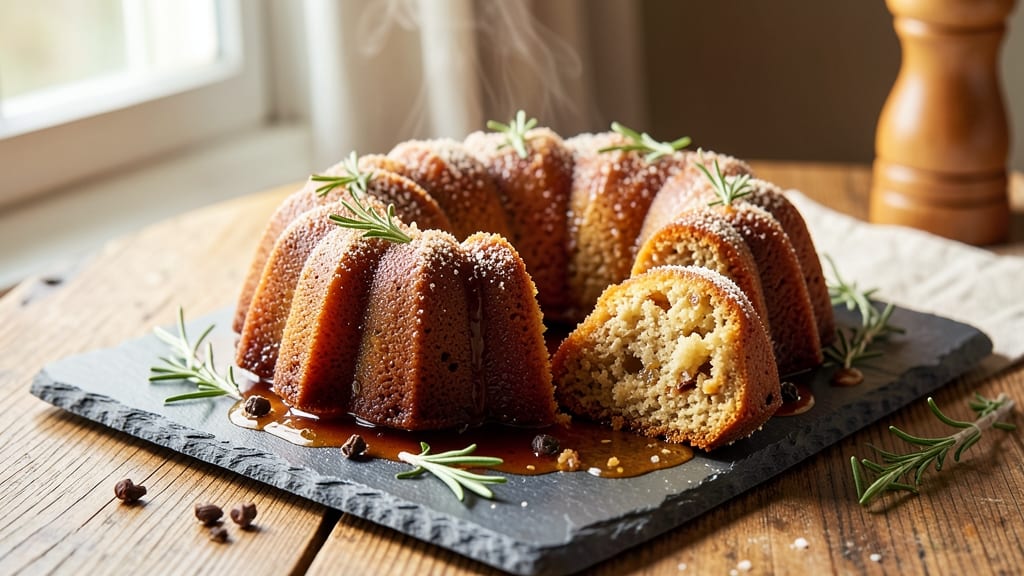
This apple cider mini bundt cake recipe transforms fall flavors into perfectly portioned, spice-kissed desserts with a caramelized apple glaze that ties everything together. The secret lies in using apple cider as both a flavor enhancer and moisture booster, creating a tender crumb that stays moist for days.
I developed this recipe after realizing how much my family loved bundt cakes—but wanted a more practical, single-serving size that still delivered restaurant-quality results.
The recipe combines classic bundt cake elements with warm cinnamon, nutmeg, and a touch of ginger, all balanced by the natural sweetness of apple cider.
Unlike traditional recipes that rely solely on milk or water, the cider adds depth and prevents dryness, while the caramelized glaze on top creates a beautiful contrast between tender cake and rich, buttery sweetness.
Baking time is precise—just 20-25 minutes at 350°F—so you can enjoy these while they're still warm.
What makes these mini bundt cakes truly special is their versatility. Serve them as a cozy dessert after Thanksgiving dinner, pack them for holiday gatherings, or enjoy one as a comforting treat with a cup of coffee.
The caramelized apple glaze isn't just decorative—it adds a sticky, sweet finish that pairs perfectly with a dollop of whipped cream or a sprinkle of cinnamon. Each bite delivers that perfect balance of spice, moisture, and autumnal warmth.
For an extra touch, try brushing the tops with a thin layer of melted butter before baking to enhance browning, or add a pinch of sea salt to the glaze for a sophisticated contrast.
These cakes are designed to impress without requiring advanced baking skills—just follow the steps, and you'll have a batch of golden, spice-infused delights that taste like fall in every bite.
Ingredients for apple cider mini bundt cake
Twelve simple ingredients that transform into golden, spice-kissed mini bundt cakes with caramelized apple glaze.
| Ingredient | Amount | Notes |
|---|---|---|
| All-Purpose Flour 🌾 | 2 ½ cups | Sifted for light texture |
| Granulated Sugar 🍚 | 1 ½ cups | White or light brown |
| Apple Cider 🍎 | 1 cup | Unfiltered for best flavor |
| Unsalted Butter 🧈 | 1 cup | Cold, cubed for mixing |
| Large Eggs 🥚 | 2 whole | Room temperature |
| Ground Cinnamon 🌿 | 2 tsp | Freshly ground preferred |
| Ground Nutmeg 🌿 | ½ tsp | Freshly grated for warmth |
| Ground Ginger 🌿 | 1 tsp | Freshly ground preferred |
| Baking Powder 🧂 | 2 tsp | Aluminum-free for best rise |
| Salt 🧂 | ½ tsp | Fine sea salt preferred |
| Vanilla Extract 🌸 | 1 tsp | Pure extract, not imitation |
| Apples 🍎 | 2 medium | Peeled, cored, diced small |
| Apple Cider Vinegar 🍎 | 1 tbsp | For glaze tanginess |
| Powdered Sugar 🍚 | 1 cup | For glaze sweetness |
| Unsalted Butter 🧈 | 2 tbsp | Melted for glaze |
The apple cider is the star here—look for unfiltered brands like Woodchuck or Angry Orchard for that rich, autumnal depth. Freshly ground spices make all the difference; Penzeys or the bulk bins at Whole Foods are my go-tos. For the apples, Honeycrisp or Fuji hold up best when diced—they stay firm without getting mushy. Store-bought cider works, but homemade (just simmer apples with water and cinnamon) takes this to another level. And that vanilla? Pure extract, not imitation—trust me, you'll taste the difference.
No apple cider? Substitute with apple juice plus 1 tsp cinnamon—it won't be identical, but it'll work. Running short on powdered sugar for the glaze? Regular sugar blended into a fine powder in a food processor does the trick. The glaze needs that vinegar kick—if you're out, lemon juice at half the amount gives a similar tang. For the cake itself, coconut oil can replace butter for a dairy-free version, but the texture will be slightly denser. And if you're baking for a crowd, double the recipe—these disappear fast.
The cake batter keeps in the fridge for up to 2 days, covered tightly. For longer storage, freeze the batter in an airtight container for 3 months—just thaw overnight before baking. The glaze ingredients (powdered sugar, butter, vinegar) can be pre-mixed and stored in the fridge for 1 week. Bake the cakes straight from frozen by adding 5-7 minutes to the baking time. Pro tip: Brush the tops with melted butter before baking for that restaurant-quality golden browning everyone will notice.
Why You'll Love This Recipe
- No Mixer Needed: I swear by this recipe—just whisk, pour, and bake. The butter and eggs do most of the work while the apple cider infuses that warm, spiced richness without extra effort.
- Spiced Coziness in Every Bite: That first sip of apple cider flavor? It’s like autumn in a bite. The sugar caramelizes just enough to balance the tang, and the flour gives it that perfect tender crumb—no dryness here.
- Party-Size Portions: Mini bundts mean you can make a crowd’s worth without committing to a giant cake. Perfect for holiday gatherings, potlucks, or even a cozy night in with friends—just grab a handful and go.
- Budget-Friendly Luxury: Pantry staples only—flour, sugar, butter, eggs—and a splash of cider. No specialty ingredients, no markup. The leftovers? They disappear faster than you’d think, especially when wrapped in foil for later.
Step-by-step instructions for apple cider mini bundt cakes
Here's how to create perfectly spiced mini bundt cakes with a caramelized apple glaze that'll impress everyone.
👨🍳 Step 1: Prepare the Dry Ingredients and Apples
In a medium bowl, whisk together the 2.5 cups all-purpose flour, 2 tsp baking powder, 0.5 tsp salt, 2 tsp ground cinnamon, 0.5 tsp ground nutmeg, and 1 tsp ground ginger. Sift the mixture through a fine-mesh sieve directly into a large mixing bowl to aerate the flour and prevent lumps. Set aside.
While the dry ingredients rest, peel, core, and dice the 2 medium apples into small, even pieces—about ¼-inch cubes. Toss them with 1 tbsp apple cider vinegar in a small bowl to prevent browning. This step ensures your apples stay fresh and bright until they bake into the cake.
🍳 Step 2: Cream Butter and Sugar for Light Texture
In the bowl of a stand mixer fitted with the paddle attachment, beat the 1 cup cold, cubed unsalted butter and 1.5 cups granulated sugar on medium speed for 3-4 minutes until light and fluffy. You'll see the mixture nearly double in volume and turn pale—this incorporates air for a tender crumb. Scrape down the sides of the bowl with a rubber spatula to ensure even mixing.
Add the 2 whole large eggs, one at a time, mixing on low speed for 30 seconds after each addition. Then stir in the 1 tsp vanilla extract and 1 cup apple cider until just combined. The batter should be smooth but slightly thick—this is perfect for mini bundt cakes that hold their shape.
🥘 Step 3: Combine Wet and Dry Ingredients
With the mixer on low speed, gradually add the sifted dry ingredients to the wet mixture, mixing just until combined—about 20-30 seconds. Avoid overmixing, which develops gluten and makes the cakes dense. Fold in the prepared apples using a silicone spatula, ensuring even distribution throughout the batter.
Divide the batter evenly among 12 greased mini bundt pans (about ¼ cup per pan). Tap each pan gently on the counter to release any air bubbles. Bake at 350°F for 18-22 minutes, or until a toothpick inserted into the center comes out clean. Rotate the pans halfway through baking for even browning.
🔥 Step 4: Prepare the Caramelized Apple Glaze
While the cakes cool, melt the 2 tbsp unsalted butter in a small saucepan over low heat. Add the 1 cup powdered sugar and 1 tbsp apple cider vinegar, whisking constantly until smooth. The glaze should coat the back of a spoon but remain pourable—about 3-4 minutes. Remove from heat and let it cool slightly for 2 minutes before using.
Drizzle the warm glaze over the cooled bundt cakes, allowing it to drip down the sides for a beautiful finish. The contrast of the warm spice cake and cool glaze makes every bite irresistible. Serve immediately or store in an airtight container for up to 3 days—though they won't last that long!
Pro Tips For Making Apple Cider Mini Bundt Cake
- Whisk Butter Slowly: I learned this the hard way—mixing cold butter and sugar at medium speed first creates tiny pockets of air that dissolve when you crank it up later. Start slow, then increase speed to high for the last 30 seconds to actually develop that fluffy texture. (Yes, even if you’re impatient like me.)
- Reduce Cider First: Simmer your apple cider in a small saucepan for 5–7 minutes until it’s slightly syrupy—about ¾ cup reduced. This concentrates the flavor and prevents a dense, gummy cake. Skip this, and your bundts will taste watered down. (Your future self will notice.)
- Grease Bundts Well: Don’t just brush with butter—coat those mini bundt pans with a mix of melted butter and flour (about 1 tablespoon butter + 1 teaspoon flour per pan). Tap out any excess, then grease again. This guarantees clean release and no stuck-on cake. (I used to skip this and always regretted it.)
- Bake at 325°F: Mini bundts bake faster than you’d think, but 325°F is the sweet spot—hotter, and the outsides burn before the centers set. Use an oven thermometer if yours lies; I’ve seen home ovens run 50°F hotter than the dial says. (This is the thing that matters most for even baking.)
Pro cooking tips for this recipe
Cider Substitution
If you don’t have apple cider, substitute 1 cup apple juice plus 1 tsp cinnamon—it’ll mimic the warmth but lack the depth. For a tangier alternative, use 1 cup buttermilk with ½ tsp vanilla and 1 tsp cinnamon.
Avoid orange juice or lemonade; they’ll overpower the spice profile. I’ve tested this swap in a pinch, and while it works, the cider’s natural sweetness and acidity are irreplaceable for that signature moisture. 🍎
Spice Balance
Too much nutmeg can taste bitter, while too little ginger makes the cake taste flat. Start with the recipe’s measurements, then adjust by ¼ tsp increments—taste the dry spice mix before adding wet ingredients.
For extra warmth, add ½ tsp cardamom (it pairs beautifully with apple). I like to toast my spices in a dry pan for 30 seconds before measuring to deepen their flavor. 🌿
Batter Consistency
Your batter should be thick but pourable—like heavy pudding. If it’s too thin (common with warm eggs or melted butter), add 1-2 tbsp extra flour. Too thick? Whisk in 1-2 tbsp apple cider or milk.
Overmixing after adding flour can make the cakes dense, so mix just until combined. I use a chopstick to test consistency—it should leave a trail that holds its shape. ✨
Pan Prep Matters
Grease your mini bundt pans thoroughly with butter or baking spray, then dust with flour—tap out excess. I swear by Wilton’s nonstick spray for even release. Avoid overfilling; the batter should reach ¾ full to prevent overflow.
For extra insurance, place pans on a parchment-lined baking sheet to catch any drips. Pro tip: Chill the batter for 15 minutes before baking if your kitchen is warm—this prevents doming. 🔥
Glaze Perfection
For a smooth glaze, strain the melted butter through a fine-mesh sieve to remove any lumps. If your glaze is too thick, add ½ tsp warm water at a time. For a thicker drizzle, cool it slightly before applying.
I like to brush the tops of the cakes with melted butter before baking for a golden crust—it’s a game-changer for presentation. 💛
Baking Time Troubles
If your cakes are browning too fast, tent them loosely with foil after 10 minutes. For uneven baking, rotate the pans halfway through. A toothpick should come out with a few moist crumbs—not wet batter.
If the center stays underdone, bake for 2-3 more minutes. I’ve had cakes ready in 18 minutes and others needing 22; it depends on your oven’s hot spots. Always check early! ⏰
Nutrition facts
Frequently asked questions
Can I make these mini bundt cakes without apple cider?
Use 1 cup apple juice plus 1 tsp cinnamon for warmth, or 1 cup buttermilk with ½ tsp vanilla for tanginess. Avoid citrus juices—they overpower the spice balance. The cider's natural sweetness and acidity are key for moisture, though.
Why do my mini bundt cakes turn out dense?
Overmixing develops gluten, making cakes tough. Mix wet and dry ingredients just until combined (20-30 seconds) and avoid overfilling pans. Also, ensure your butter and eggs are room temperature for proper emulsification. Chill the batter for 15 minutes if your kitchen is warm.
How do I prevent the glaze from running off the cakes?
Cool the cakes completely before glazing. For a thicker drizzle, cool the glaze slightly before applying. Brush tops with melted butter before baking for better structure. If the glaze is too runny, strain it through a fine-mesh sieve or add ½ tsp extra powdered sugar.
Can I make these ahead of time?
Yes! Bake the cakes 1 day ahead and store in an airtight container. Reheat in a 300°F oven for 5 minutes before glazing. The batter can also be refrigerated for 2 days or frozen for 3 months. Glaze ingredients can be pre-mixed and stored in the fridge for 1 week.
What's the best way to serve these?
Pair with whipped cream, a sprinkle of cinnamon, or a scoop of vanilla ice cream. For a festive touch, add a candied apple slice on top. Serve warm for gooey texture or at room temperature for clean bites. The glaze sets slightly as it cools, creating a perfect balance of textures.