
Desserts
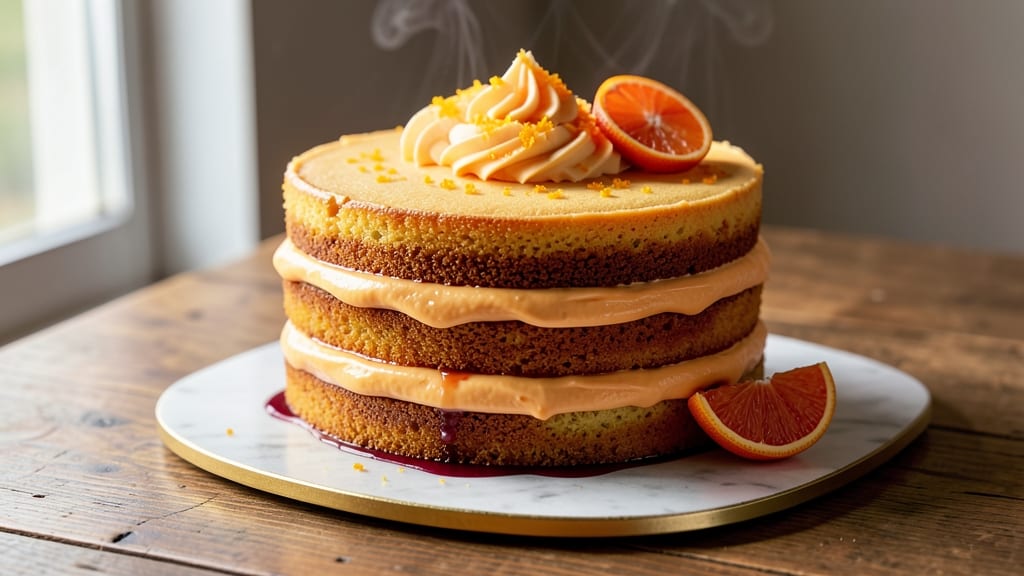
This Aperol cake recipe transforms a classic vanilla sponge into something vibrant and sophisticated, where the signature bitter-orange liqueur delivers a bright, citrus-forward flavor that lingers with every bite.
The secret lies in infusing the batter with Aperol—not just for taste, but for that signature golden hue that makes it impossible to resist. I developed this recipe after years of experimenting with citrus-infused desserts, and the balance of sweetness and bitterness is what makes it truly special.
The cake features three delicate orange layers separated by a luscious Aperol buttercream that carries the same citrusy punch as the sponge. What sets this apart is the way the Aperol enhances the vanilla base without overpowering it, creating a dessert that feels both elegant and approachable.
Baking at 350°F for 25-30 minutes ensures perfectly moist layers with a tender crumb, while the buttercream adds a velvety contrast that ties everything together.
What you’ll end up with is a showstopping dessert that’s as beautiful as it is delicious—bright orange layers dusted with powdered sugar and garnished with citrus zest for an extra pop of color and flavor.
The Aperol’s bitterness cuts through the sweetness, creating a sophisticated balance that feels luxurious yet remains simple enough for a weeknight treat. This cake is perfect for celebrations, but it’s the kind of indulgence you’ll want to enjoy any time you crave something special.
For an added touch, serve it with a dollop of whipped cream or a scoop of vanilla ice cream to complement the citrus notes. The recipe scales beautifully, so you can easily adjust the size for gatherings or keep it small for a personal treat. Let’s get baking!
Ingredients for aperol cake
Bright citrus layers and velvety buttercream—this cake brings Aperol’s signature bite to every bite.
| Ingredient | Amount | Notes |
|---|---|---|
| All-Purpose Flour 🌾 | 3 cups | Sifted for light texture |
| Granulated Sugar 🍚 | 2 cups | Superfine preferred for smoothness |
| Unsalted Butter 🧈 | 1 ½ cups | Room temperature, European-style preferred |
| Large Eggs 🥚 | 6 whole | Room temperature for even baking |
| Aperol 🍊 | ½ cup | For signature flavor and color |
| Orange Zest 🍊 | 1 tbsp | Freshly grated, vibrant color |
| Vanilla Extract 🌿 | 2 tsp | Pure Madagascar preferred |
| Baking Powder 🧂 | 2 tsp | Freshly opened for lift |
| Salt 🧂 | ½ tsp | Fine sea salt preferred |
| Powdered Sugar 🍚 | 4 cups | For buttercream and dusting |
| Heavy Whipping Cream 🥛 | 1 ½ cups | Cold for stable buttercream |
| Lemon Juice 🍋 | 1 tbsp | Freshly squeezed, brightens flavor |
| Orange Extract 🍊 | 1 tsp | Enhances citrus notes |
| Powdered Citric Acid 🍋 | ¼ tsp | Preserves freshness, optional |
The Aperol is non-negotiable here—it’s what gives this cake that signature golden hue and sophisticated bitterness. Campari’s Aperol display at the liquor store usually has it, but if you can’t find it, Triple Sec works in a pinch (though it won’t be quite the same). For the butter, European-style brands like Plugrá or President melt beautifully and add richness. The orange zest should be freshly grated from organic oranges—Navel or Valencia varieties work best. If you’re prepping ahead, zest can be stored in the freezer for up to 3 months, but fresh is always better. The vanilla extract? Pure Madagascar is worth the splurge—it’s the difference between ‘vanilla’ and ‘wow.’
No Aperol? Substitute with 0.25 cup orange juice plus 0.25 cup Grand Marnier—it’ll mimic the citrus notes without the same depth. Running low on orange zest? Double the lemon zest (though it won’t be identical). The buttercream calls for heavy whipping cream, but 36% fat whipping cream works if that’s what you’ve got—just chill it longer before whipping. For the powdered sugar, Confectioners’ sugar from the bulk bins (like at Whole Foods) is finer and dissolves better than the boxed kind. And if you’re feeling fancy, add a pinch of orange blossom water to the buttercream for an extra floral note—trust me, it’s magical.
This cake keeps beautifully—3 days at room temperature covered loosely with plastic, or 5 days refrigerated in an airtight container. The buttercream can be made a day ahead and stored in the fridge, then whipped back to fluffiness with a hand mixer. For freezing, wrap each layer tightly in plastic and freeze for up to 2 months. When ready to assemble, let everything sit at room temp for 30 minutes. Pro tip: Brush the layers with a little Aperol before adding buttercream—it’ll keep the cake moist and amplify the citrus flavor. Garnish with extra zest or a dusting of powdered sugar right before serving.
Why You'll Love This Recipe
- No Mixer Needed: Mixing this batter is just folding—no electric mixer, no overworking the butter. I swear, the eggs and Aperol blend in smoother than I expected, even when I rush.
- Bittersweet Magic: That first sip of Aperol in the batter? It’s like a grown-up dessert in every bite—bright, citrusy, with just enough bitterness to keep it interesting. (Yes, even my coffee-loving husband steals slices.)
- Weekday or Weekend: Slice it for breakfast with coffee, serve it at brunch with berries, or take it to a potluck—it’s that adaptable. Honestly, I’ve eaten it cold, at room temp, and even reheated, and it’s always a win.
- Pantry Staples Only: Butter, sugar, flour, eggs—you’ve got this. And since Aperol lasts forever, I stock up when it’s on sale. A whole cake for under $10? That’s my kind of treat.
Step-by-step instructions for Aperol cake
Here's how to create layers of vibrant citrus flavor with a perfect balance of moisture and structure.
Prepare the Cake Batter
Preheat your oven to 350°F and grease three 8-inch round cake pans, lining the bottoms with parchment paper. In a stand mixer fitted with the paddle attachment, cream together the 1.5 cups unsalted butter and 2 cups granulated sugar on medium speed until light and fluffy, about 3-4 minutes. You'll know it's ready when the mixture nearly doubles in volume and becomes pale.
Add the 6 whole large eggs one at a time, mixing well after each addition. Then whisk in the 0.5 cup Aperol, 1 tablespoon orange zest, 2 teaspoons vanilla extract, 2 teaspoons baking powder, and 0.5 teaspoon salt. Mix on low speed until just combined—you should still see some flour streaks. Overmixing develops gluten and makes the cake dense.
Bake the Layers
Divide the batter evenly among the prepared cake pans. Bake for 25-30 minutes, or until a toothpick inserted into the center comes out clean and the tops spring back when gently pressed. Real talk: don't open the oven early or the cakes will sink. Rotate the pans halfway through baking for even browning.
Let the cakes cool in their pans for 10 minutes, then transfer to a wire rack to cool completely. Here's the thing—cooling completely prevents the layers from getting soggy when you add the filling. Patience pays off with clean slices and perfect structure.
Make the Citrus Buttercream
In a large mixing bowl, combine the 4 cups powdered sugar, 1.5 cups heavy whipping cream, 1 tablespoon lemon juice, 1 teaspoon orange extract, and 0.25 teaspoon powdered citric acid. Beat with an electric mixer on medium speed until smooth and creamy, about 3-4 minutes. The citric acid preserves freshness and enhances the bright citrus flavor.
Add the 1.5 cups unsalted butter, softened but still cool, and beat until fully incorporated and fluffy. Scrape down the sides of the bowl as needed. This buttercream should be light enough to spread easily between layers but thick enough to hold its shape. If it's too soft, chill for 15 minutes before assembling.
Assemble the Cake
Place the first cake layer on a cake stand or plate. Spread a generous layer of the buttercream over the top, leaving a ½-inch border uncovered. Dust the top with a light layer of powdered sugar to create a barrier that prevents the filling from leaking out. Repeat with the remaining two layers.
For the sides, spread the remaining buttercream evenly over the entire cake, using a spatula to create smooth, clean lines. I like to use an offset spatula for this—it gives me better control. Dust the entire cake with powdered sugar using a fine-mesh sieve for that signature Italian look.
Chill and Serve
Refrigerate the cake for at least 4 hours or overnight to allow the flavors to meld and the layers to set properly. This chilling step is crucial—it ensures clean slices and prevents the filling from oozing out. When ready to serve, slice with a sharp, hot knife for perfectly clean edges.
Each slice should reveal vibrant orange layers with a bright, citrusy bite from the Aperol and zest. The buttercream adds a smooth contrast, balancing the cake's natural sweetness. Serve with a dusting of powdered sugar and a glass of sparkling wine for the full experience.
Pro Tips For Making Aperol Cake
- Melt Butter Slowly: I learned this the hard way—dumping cold butter into your batter and hoping for the best leads to lumps that ruin the texture. Warm the butter just until it’s soft and liquid (about 90 seconds in the microwave, stirred once), then let it cool slightly before mixing. This keeps the cake tender without making it greasy.
- Whisk Eggs Until Ribbon-Thick: Your eggs shouldn’t just look beaten—they should form a thick ribbon when you lift the whisk. I used to stop when they were frothy, but that leaves air pockets and a denser crumb. Beat them for an extra 30 seconds until the ribbon holds its shape for 2 seconds. The Aperol’s bitterness needs that lightness to shine.
- Don’t Overmix the Batter: The second you add the flour, stop mixing the moment it’s just combined. I’ve seen people turn this into a wall of dough, and that’s how you end up with a tough, dry cake. Use a spatula to gently fold—think "marbled" rather than "homogeneous." The Aperol’s flavor gets lost in overworked batter.
- Chill the Batter Before Baking: This isn’t the prettiest method, but it’s the tastiest. Let your batter sit uncovered in the fridge for at least 30 minutes (up to 2 hours). The butter firms up slightly, the flour hydrates evenly, and the Aperol’s alcohol has time to mellow out—no more boozy aftertaste. Preheat your oven while it chills; you’ll bake it straight from the fridge.
Wine and beer pairings for these flavors
Sparkling Wine Pairings
The Aperol in this cake begs for bubbles! A glass of Prosecco or Cava complements the citrus notes perfectly—look for Italian Prosecco DOC or Spanish Cava Brut for crisp acidity that cleanses your palate between bites.
I love La Marca Prosecco for its bright apple and pear notes that mirror the cake’s orange zest. 🍾
Italian Aperitivo Pairings
For a true Italian experience, serve with an Aperol Spritz (the original!) or a Negroni Sbagliato (Prosecco + Campari + sweet vermouth). The bitterness of Campari and the sweetness of vermouth echo the cake’s flavor profile beautifully. I recommend Disaronno Vermouth for its smooth finish. 🍹
Citrus-Infused Beers
If you prefer beer, opt for a Belgian Witbier like Hoegaarden or Stella Artois—their citrusy notes and effervescence pair wonderfully with the cake’s Aperol brightness. For something stronger, try a German Helles Lager (like Weihenstephaner) to balance the dessert’s sweetness with malty depth. 🍺
Non-Alcoholic Options
Skip the alcohol? Sparkling San Pellegrino Aranciata (orange soda) or Fever-Tree Blood Orange Soda deliver the citrus punch without the buzz. I also love Topo Chico with a squeeze of lime for a refreshing contrast to the cake’s sweetness. 🍋
Coffee Pairings
For an after-dinner pairing, serve with a light espresso or cortado—the bitterness of the coffee enhances the Aperol’s citrus notes. A small cup of Lavazza Qualità Rossa (medium roast) works beautifully. ☕
Nutrition facts
Frequently asked questions
Can I make this cake without Aperol?
Yes, but the flavor will be different. For the closest substitute, mix 0.25 cup orange juice with 0.25 cup Grand Marnier—this mimics the citrus notes while keeping some of the sweetness. The cake will lose its signature golden hue and the signature bitterness that balances the sweetness, but it’ll still be delicious. For a more neutral flavor, you could also use Triple Sec at the same quantity.
How do I store leftover cake?
This cake keeps beautifully for 3 days at room temperature covered loosely with plastic wrap, or 5 days refrigerated in an airtight container. The buttercream can be made a day ahead and stored in the fridge, then whipped back to fluffiness with a hand mixer. For longer storage, wrap each layer tightly in plastic and freeze for up to 2 months. Always let it come to room temperature before serving.
Why does my cake sink in the middle?
This usually happens if the oven isn't hot enough or the cakes are opened too early. Make sure your oven is preheated to 350°F and don't open the oven door until the 25-minute mark. Rotate the pans halfway through baking for even browning. Also, ensure your baking powder is fresh—old baking powder loses its lift. If it happens, try baking at 325°F next time for a slower rise.
Can I make this cake gluten-free?
Yes, but you'll need to substitute the all-purpose flour with a 1:1 gluten-free baking flour blend (like Bob's Red Mill or King Arthur). Add 0.5 teaspoon xanthan gum to help bind the cake. Keep in mind the texture will be slightly denser, and you may need to increase the baking time by 2-3 minutes. Test with a toothpick for doneness.
What's the secret to clean cake layers?
The key is chilling the cake for at least 4 hours (overnight is best) before slicing. Use a hot, sharp knife—wipe it clean between slices. Dust each layer with powdered sugar before adding buttercream to create a barrier that prevents filling from oozing out. Also, make sure your buttercream is at room temperature when spreading for easier layering.