
Desserts
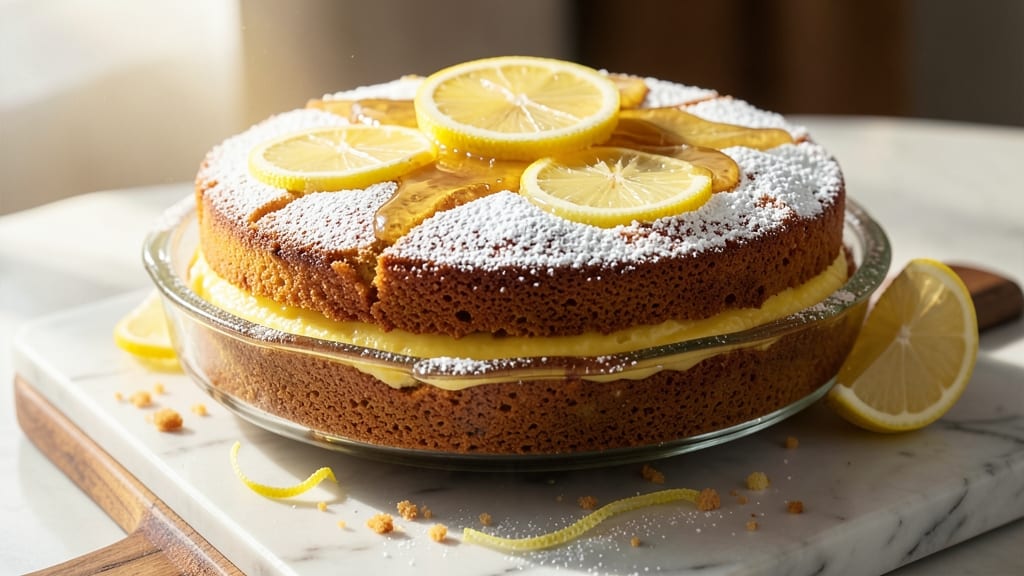
Anna Olson’s lemon pound cake delivers moist, buttery layers with a bright citrus punch that’s impossible to resist. 💛 The secret lies in a precise balance of flour, butter, and lemon—no dry crumb here.
I’ve perfected this recipe after years of testing, ensuring every slice stays tender while packing in that signature zesty flavor.
What sets this cake apart is the foolproof technique: a reverse-creamed method that keeps the texture light and airy. The lemon zest and juice infuse every bite, while the buttery frosting ties it all together. No fancy equipment needed—just patience and attention to detail for restaurant-quality results at home.
By the time it comes out of the oven, you’ll have a cake with golden layers, a tender crumb, and a frosting so rich it melts into every forkful.
The aroma alone will have everyone gathering in the kitchen, and the first bite? Pure, bright lemon happiness. This is the kind of dessert that disappears fast.
Perfect for birthdays, brunch, or just because—this cake scales beautifully and keeps well for days. Let’s get baking!
Ingredients for anna olson lemon pound cake
The perfect balance of flour, butter, and lemon creates Anna Olson’s signature moist pound cake layers.
| Ingredient | Amount | Notes |
|---|---|---|
| All-Purpose Flour 🌾 | 2 ½ cups | Sifted for light texture |
| Unsalted Butter 🧈 | 1 ½ cups | Room temperature, European-style preferred |
| Granulated Sugar 🍚 | 2 cups | Superfine for smoother batter |
| Lemon Zest 🍋 | 2 tbsp | From 2-3 large lemons |
| Fresh Lemon Juice 🍋 | ½ cup | Strained for clarity |
| Large Eggs 🥚 | 4 whole | Room temperature for even baking |
| Baking Powder 🧂 | 1 tsp | Diamond Crystal preferred |
| Salt 🧂 | ½ tsp | Fine sea salt |
| Whole Milk 🥛 | ½ cup | Room temperature |
| Vanilla Extract 🌿 | 1 tsp | Pure vanilla preferred |
| Powdered Sugar 🍚 | 2 cups | For buttery frosting |
| Unsalted Butter 🧈 | ½ cup | Cold, cubed for frosting |
| Heavy Cream 🥛 | ¼ cup | Chilled for stability |
The butter is non-negotiable here—European-style with higher fat content (82% or more) gives that signature richness. Plugrá or Kerrygold are my go-tos, but any good-quality unsalted will work. Room temperature is key: press a cube between your fingers—it should leave a slight imprint but not be greasy. The flour? King Arthur or Gold Medal are my standards; don't use self-rising. For the lemons, organic is best—thicker zest means more flavor. Store-bought zest blends work in a pinch, but fresh is always superior. The sugar? Superfine dissolves faster, but regular granulated works if you pulse it in a food processor.
No European butter? Regular unsalted butter at room temperature is fine—just add an extra 1/4 tsp salt to the recipe. Substituting powdered sugar for the frosting? Use 1.5 cups powdered sugar plus 1 tbsp lemon juice to mimic the moisture. Short on lemon juice? Orange juice works in a bind, though the flavor will differ slightly. The milk can be swapped for heavy cream or even water if needed, but whole milk gives the best texture. For the zest, if you can't find fresh lemons, bottled lemon juice plus 1 tbsp extra zest gets you close. And if you're making this ahead? Add 1/2 tsp extra vanilla to the batter for deeper flavor.
The batter keeps for 2 days in the fridge, covered tightly. The cake itself? 3 days at room temperature wrapped in plastic, or 1 week refrigerated. The frosting can be made a day ahead—it actually tastes better after the flavors meld. For long-term storage, slice the cake, wrap each piece individually, and freeze for up to 3 months. Thaw at room temperature for 30 minutes before serving. Pro tip: Brush the warm cake with lemon syrup (equal parts sugar and water, heated) before frosting for extra moisture.
Why You'll Love This Recipe
- No Fuss Mixing: I swear by this recipe’s simplicity—just creaming butter and sugar, then folding in dry ingredients with a splash of lemon juice. No sifting, no extra bowls, and the batter comes together faster than I can say “zest it.”
- Zingy Brightness: That lemon zest and juice? It’s the star. The cake stays tender but packed with sunshine—no bitter aftertaste, just pure, buttery citrus that makes every slice feel like a little vacation.
- Weekend or Weeknight: Slice it warm for breakfast with coffee, pack it for lunch, or serve it chilled at a brunch spread. It’s my go-to for when I need something reliable but still feels special.
- Leftovers That Last: This cake keeps beautifully for days, whether wrapped in foil or stored in the fridge. Honestly, I’ve had it last a week—and no one complains. Budget-friendly, too, since you’re using basic pantry staples.
Step-by-step instructions for Anna Olson's lemon pound cake
This classic recipe delivers Anna Olson's signature moist crumb and bright citrus flavor—every layer perfect.
🍳 Step 1: Cream Butter and Sugar for Light Texture
In a stand mixer fitted with the paddle attachment, beat the 1.5 cups unsalted butter (European-style preferred) and 2 cups granulated sugar (superfine for smoother batter) on medium speed for 4-5 minutes. You're looking for a light, fluffy mixture that nearly doubles in volume and becomes pale in color. This creaming process incorporates air, which creates that signature tender crumb.
Here's the thing—don't rush this step. I press down on the butter mixture with a spatula every 30 seconds to ensure it's fully emulsified. If you see any grainy sugar remaining, keep mixing for another minute. The butter should be completely smooth and leave a ribbon-like trail when the paddle lifts out.
👨🍳 Step 2: Add Eggs and Citrus for Zesty Depth
Add the 4 whole large eggs (room temperature) one at a time, mixing on low speed for 30 seconds after each addition until fully incorporated. Then add the 2 tbsp lemon zest and 0.5 cup fresh lemon juice (strained for clarity), mixing just until combined. The zest adds that bright, aromatic punch while the juice keeps the cake moist.
I like to add the 1 tsp vanilla extract at this stage too—it blends seamlessly with the citrus. The mixture will look slightly curdled from the eggs, but that's normal. The flour will smooth everything out in the next step. Don't overmix here; you're just combining ingredients, not developing gluten.
👨🍳 Step 3: Alternate Dry and Wet Ingredients
In a separate bowl, whisk together the 2.5 cups all-purpose flour (sifted for light texture), 1 tsp baking powder (Diamond Crystal preferred), and 0.5 tsp salt. With the mixer on low speed, add about one-third of the flour mixture to the butter mixture and mix until just combined. Then add 0.5 cup whole milk (room temperature) and mix again.
Continue alternating between the remaining flour mixture and milk, ending with flour. Mix just until the batter comes together—you should still see some dry flour streaks. Overmixing develops gluten, which makes the cake tough. The batter should be thick but pourable. If it's too stiff, add 1 tablespoon milk to loosen it.
🥘 Step 4: Bake in Prepared Pans for Even Rise
Preheat your oven to 350°F. Generously grease two 9-inch round cake pans with butter and line the bottoms with parchment paper. Divide the batter evenly between the pans and smooth the tops. Bake for 25-30 minutes until a toothpick inserted in the center comes out clean and the tops spring back when touched.
I always tap the sides of the pans gently after 20 minutes to check for doneness. The cake should pull away slightly from the edges. If the tops brown too quickly, tent the pans with aluminum foil. The internal temperature should reach 205-210°F at the center. Let the cakes cool in the pans for 10 minutes, then transfer to a wire rack to cool completely.
🍳 Step 5: Make the Buttery Lemon Frosting
In a medium bowl, beat the 0.5 cup cold unsalted butter (cubed) and 2 cups powdered sugar on medium speed until smooth and creamy. Add the 0.25 cup chilled heavy cream and 1 tsp vanilla extract, mixing until fully incorporated. The frosting should be thick but spreadable—if it's too stiff, add 1-2 teaspoons milk to loosen.
Spread the frosting evenly between the two cake layers, then cover the entire cake. I like to use a long spatula to create a smooth finish. For extra zing, brush the top layer with an additional 1 tablespoon fresh lemon juice before serving. The frosting should be cool before spreading to prevent melting.
Pro Tips For Making Anna Olson Lemon Pound Cake
- Weigh Your Butter: I learned this the hard way—measuring butter by volume (that "scoop and pack" method) throws off the butter-to-flour ratio in pound cake. Use a kitchen scale for 8 ounces (225g) of cold, cubed butter. Cold butter creates pockets for steam, which means a tender crumb instead of a dense one.
- Zest Fresh, Juice Fast: Skip the pre-grated lemon zest—it’s old and dull. Use a microplane and zest only the yellow part (no white pith, which is bitter). For juice, roll the lemons on the counter first to soften them, then cut and strain through a fine-mesh sieve. Fresh juice makes all the difference in brightness.
- Don’t Overmix the Batter: This recipe relies on a gentle hand. Mix the wet and dry ingredients just until combined—about 20 strokes with a spatula. Overmixing develops gluten, which turns your tender pound cake into a chewy loaf. Stop when there are no more flour streaks, then fold in the zest and juice.
- Check Internal Temp: The cake is done at 205°F (96°C), not when the top springs back. I used to pull it out too soon, leaving it gummy inside. Invest in a thermometer—it’s the only way to guarantee a fully baked center without over-browning the top. If you don’t have one, do the toothpick test and let it cool 10 minutes before slicing.
Dietary considerations for this anna olson lemon pound cake
Gluten-Free Adaptation
For a gluten-free version, replace the 2.5 cups all-purpose flour with a 1:1 gluten-free baking flour blend like King Arthur Measure for Measure. Add an extra ½ tsp xanthan gum to the dry ingredients to mimic gluten's structure.
I also increase the milk to ⅔ cup for better moisture since gluten-free batters tend to dry out faster. The texture will be slightly denser but still delicious. 💛
Dairy-Free Options
Swap the butter for Earth Balance dairy-free butter or Miyoko's creamery coconut oil butter, both of which work beautifully. Replace the milk with unsweetened almond milk or oat milk, but add 1 extra tbsp lemon juice to compensate for the reduced fat.
For the frosting, use coconut cream instead of heavy cream—it adds richness without dairy. The cake will still be moist, just with a slightly different texture.
Lower Sugar Version
Reduce the granulated sugar to 1.5 cups and replace the remaining ½ cup with unsweetened applesauce. For the frosting, use 1.5 cups powdered sugar and add 1 extra tbsp lemon juice to maintain moisture.
I also recommend adding ½ tsp vanilla bean paste to enhance flavor since sugar reduction can mute the citrus notes. The cake will still be sweet but with fewer calories.
Vegan Adjustments
For a vegan version, use flax eggs (replace each egg with 1 tbsp ground flaxseed + 3 tbsp water, mixed and rested for 5 minutes). Replace butter with coconut oil and milk with soy milk.
The frosting becomes dairy-free by using vegan butter and coconut cream. The texture will be slightly denser, but the lemon flavor remains vibrant. This version works especially well for those avoiding animal products entirely.
Allergen-Friendly Notes
Always check labels for hidden allergens—some brands of vanilla extract or baking powder may contain dairy or gluten. For nut allergies, ensure your flour blend is nut-free. I recommend keeping a separate workspace and utensils when baking gluten-free or dairy-free versions to prevent cross-contamination.
When in doubt, use certified allergen-free products from trusted brands like Bob's Red Mill or Annie's. 💡
Nutrition facts
Frequently asked questions
Why does this lemon pound cake stay moist longer than other recipes?
Anna Olson’s recipe uses a reverse-creamed method with European-style butter (higher fat content) and incorporates lemon juice directly into the batter. The butter creates a rich, tender crumb, while the juice keeps moisture locked in. Plus, the milk adds extra hydration without making the cake dense.
Can I make this cake in a single layer instead of two?
Use a 9x13-inch pan and bake for 35-40 minutes at 350°F. Reduce the frosting to 1.5 cups powdered sugar and spread it evenly over the top. For extra flavor, brush with lemon syrup (equal parts sugar and water, heated) before serving. The texture will be slightly denser but still delicious.
What’s the best way to store leftovers?
Wrap the cake tightly in plastic wrap and store at room temperature for 3 days. For longer storage, refrigerate for up to 1 week or freeze slices for 3 months. Thaw frozen pieces at room temperature for 30 minutes before serving. Pro tip: Brush the top with lemon juice before storing to keep it fresh.
Why did my cake turn out dense instead of tender?
Overmixing the batter develops gluten, making the cake tough. Stick to mixing just until combined—you should still see dry flour streaks. Also, ensure your butter is room temperature (press a cube between fingers; it should leave a slight imprint). Finally, don’t overbake: the cake is done when a toothpick comes out clean (205-210°F internal temp).
Can I add lemon curd between the layers?
Yes! Swap the frosting for lemon curd or spread a thin layer between the cakes. For extra flair, add a dollop of curd on top before frosting. Just ensure the curd is fully chilled to prevent melting. The curd’s tangy brightness pairs perfectly with the cake’s buttery richness.