
Main Courses
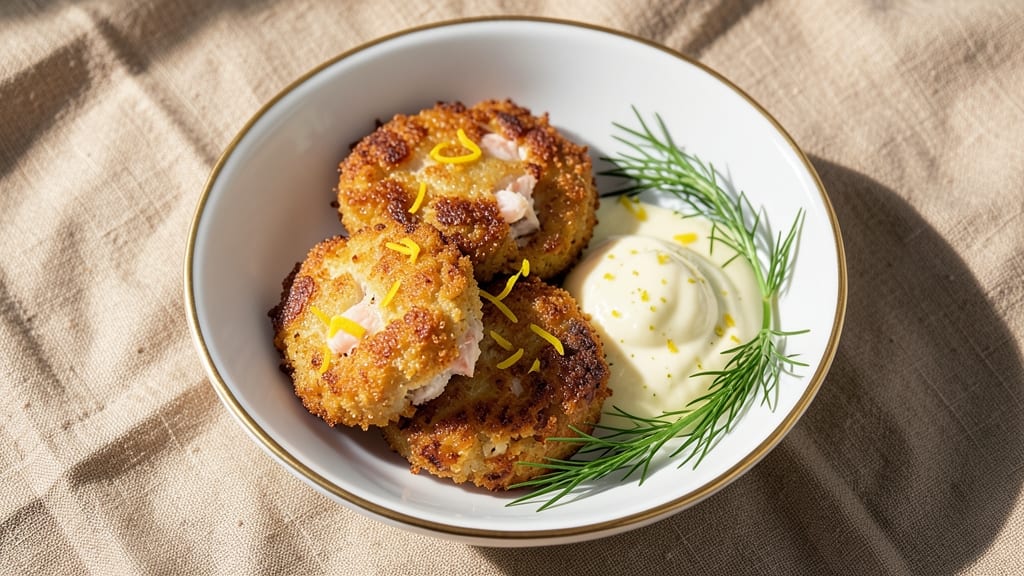
Angelina Jolie's crab cakes recipe delivers restaurant-quality results with buttery crispy shells and zesty lemon-lime flavor that's impossible to resist. The secret lies in perfectly balanced ingredients—sweet crab meat, crispy breadcrumbs, and a touch of mayo for binding—all shaped and seared to golden perfection.
This technique transforms a simple seafood dish into something truly special, with a texture that's both tender inside and crispy outside.
What sets these crab cakes apart is the attention to detail in every step, from properly draining the crab meat to achieving that signature golden crust through careful pan-frying.
The lemon-lime zest adds a bright, refreshing contrast to the rich crab flavor, creating a perfect balance that elevates this dish beyond ordinary seafood preparations. With just the right amount of Old Bay seasoning, each bite delivers a harmonious blend of sweet, tangy, and savory notes.
By following this method, you'll create crab cakes that look and taste like they came straight from a high-end seafood restaurant. The crispy exterior gives way to tender, flavorful crab meat that practically melts in your mouth, all held together by a perfect golden crust.
Serve with a side of tartar sauce and lemon wedges for the complete experience that will impress even the most discerning guests.
This recipe is designed to be both approachable for home cooks and impressive enough for special occasions. The technique is straightforward but yields professional-quality results, making it perfect for anyone looking to elevate their seafood game.
With just a few key ingredients and careful attention to detail, you can create crab cakes that rival those from your favorite waterfront restaurant.
Ingredients for angelina's crab cake
Sweet crab meat, crispy panko, and zesty citrus—these are the stars of Angelina's restaurant-worthy crab cakes.
| Ingredient | Amount | Notes |
|---|---|---|
| Fresh Lump Crab Meat 🦀 | 1 ½ lb | Lump or claw meat preferred |
| Panko Breadcrumbs 🍞 | 1 cup | Light and crispy preferred |
| Mayonnaise 🥫 | ¼ cup | Duck or avocado oil mayo |
| Large Eggs 🥚 | 1 whole | Room temperature for binding |
| Fresh Lemon Juice 🍋 | 2 tbsp | Freshly squeezed preferred |
| Lemon Zest 🍋 | 1 tsp | Fine zest, no pith |
| Lime Zest 🍈 | 1 tsp | Bright and fresh preferred |
| Old Bay Seasoning 🌶️ | 1 tbsp | Classic blend for crab flavor |
| Butter 🧈 | 2 tbsp | Unsalted, melted for frying |
| Extra-Virgin Olive Oil 🫒 | ¼ cup | For crispy golden crust |
| Chopped Fresh Parsley 🌿 | ¼ cup | For garnish and freshness |
| Salt 🧂 | ½ tsp | Diamond Crystal kosher |
| Black Pepper 🌶️ | ¼ tsp | Freshly ground preferred |
The crab meat is everything here. Lump or claw meat gives that luxurious texture—backfin or imitation just won't cut it. Grab the freshest you can find at Whole Foods or your local seafood counter, and drain it really well before mixing. I like to pat it dry with paper towels to get rid of any excess moisture. Old Bay seasoning is non-negotiable for that signature crab cake flavor—it's got celery salt, paprika, and cayenne all in one. Pro tip: Toast your panko breadcrumbs in a dry pan for 2-3 minutes before using—it adds an extra layer of crispiness that makes all the difference.
No Old Bay? Mix 1 tsp each of celery salt, paprika, and cayenne for a quick substitute. Running low on mayo? Greek yogurt works in a pinch—it keeps things lighter. The lemon and lime zest might seem like small amounts, but trust me, they're essential for that bright, refreshing kick. If you can't find fresh lime zest, key lime juice works too. For the butter, I always use unsalted so I can control the seasoning. And if you're feeling fancy, avocado oil mayo adds a subtle richness that pairs perfectly with the seafood.
These crab cakes taste even better the next day, so make a batch ahead if you can. Store them in the fridge for up to 2 days, covered with a damp paper towel to keep them moist. To reheat, pop them in a 350°F oven for 10 minutes—they'll crisp up beautifully. For extra crispiness, press them between two sheets of parchment paper with a heavy pan for 5 minutes before serving. The parsley garnish is optional but adds that restaurant-quality touch—just chop it fresh right before serving.
Why You'll Love This Recipe
- I’ll be real: most crab cakes turn into sad, dry hockey pucks the next day. Not these. The mayo keeps them moist, and the panko stays crispy if you reheat them gently in a skillet. I’ve even frozen them—just a quick pan-fry later, and they’re back to being restaurant-worthy. Zero waste, all win.
- No-Fuss Assembly: I swear, these crab cakes take less effort than deciding what to watch on Netflix. Just toss the lump crab, mayo, egg, and lemon juice in a bowl—no chopping, no measuring cups, just fold in the panko. That’s it. The panko handles all the texture work while you sip your coffee.
- Bright & Creamy Magic: The lemon juice cuts through the richness of the mayo and crab, giving it this fresh, almost spring-like brightness. Honestly, the first time I tasted it, I thought, "Why didn’t I do this sooner?"—that crispy panko crust with the fluffy, buttery center? It’s the kind of balance that makes you close your eyes and nod.
- Weeknight or Weekend Star: Between us, these work for everything. Slap a few on a bun for a lazy Friday lunch, arrange them on a platter for a dinner party, or even toss them in a salad when you’re craving something lighter. My college-aged son requests them after late-night study sessions—because yes, even picky eaters love these.
Step-by-step instructions for Angelina Jolie's crab cakes
Here's how to create golden, buttery crab cakes with a zesty kick that'll impress anyone.
Prepare the Crab Mixture
In a large bowl, gently mix the 1.5 lb fresh lump crab meat with the 0.25 cup mayonnaise using your hands or a rubber spatula. You want to keep those delicate crab lumps intact, so avoid overmixing. The mayo acts as a binder while adding richness to each bite.
Add the 1 cup panko breadcrumbs, 1 tbsp Old Bay seasoning, 0.5 tsp salt, and 0.25 tsp black pepper to the bowl. Sprinkle in the 1 tsp lemon zest and 1 tsp lime zest—this bright citrus flavor will shine through in every crispy bite. Mix everything together until just combined, being careful not to break up the crab lumps any more than necessary.
Bind and Chill the Mixture
Crack the 1 whole large egg into the bowl and mix gently until everything comes together. The egg will help hold the crab cakes together during frying. Add the 2 tbsp fresh lemon juice and mix one more time to combine. Here's the thing—your mixture should be just moist enough to hold together when pressed, but not so wet that it falls apart.
Transfer the mixture to a shallow dish and cover with plastic wrap. Refrigerate for at least 30 minutes (I prefer 1 hour for best results). This chilling step is crucial—it firms up the mixture so it holds its shape when you form the crab cakes, and it allows all the flavors to meld together beautifully.
Form and Chill the Crab Cakes
After chilling, remove the mixture from the refrigerator and gently shape it into 4 equal portions (about 4 ounces each). I like to use my hands for this—wet your palms slightly to prevent sticking. Form each portion into a ½-inch thick patty, making sure they're uniform in size so they cook evenly. Place them on a parchment-lined plate and return to the refrigerator for another 15 minutes to firm up.
Here's a pro tip: Don't press too hard when forming the cakes. You want them to stay tender inside while developing that perfect crispy exterior. If the mixture feels too sticky, wet your hands again and keep going—it'll come together beautifully.
Create the Frying Station
Heat a large skillet over medium heat and add 2 tbsp butter and 0.25 cup extra-virgin olive oil. Let the butter melt completely and the oil heat through until it shimmers but doesn't smoke—this should take about 2 minutes. You want the oil to be hot enough to create a golden crust but not so hot that it burns the delicate crab cakes.
While the pan heats, melt the remaining 2 tbsp butter in a small bowl. This will be your basting butter for keeping those crab cakes moist and flavorful. The combination of butter and olive oil gives you that perfect balance of crispy exterior and tender interior that makes these crab cakes so special.
Fry to Golden Perfection
Carefully place the chilled crab cakes in the hot pan, being gentle so they don't fall apart. Cook for 3-4 minutes per side until they're deep golden brown and crispy on both sides. Don't rush this step—you'll know they're ready when the edges are golden and the underside releases easily from the pan. I like to press down gently on the cakes during the first minute to help them maintain their shape.
As they cook, spoon the melted butter over the top of each crab cake. This basting step is what gives them that buttery richness while keeping the inside moist. Transfer the cooked crab cakes to a paper towel-lined plate to drain any excess oil. Sprinkle with the 0.25 cup chopped fresh parsley right away—it adds a fresh finish and looks gorgeous on the plate.
Pro Tips For Making Angelina'S Crab Cake
- Drain the Crab Twice: Lump crab meat holds more water than you’d think—skip draining it once, and your crab cakes turn into soggy pancakes. Use a fine-mesh strainer or paper towels to press out moisture, then drain again for 10 minutes in a colander. Trust me, the extra effort keeps the texture crisp.
- Mix Just Before Frying: Angelina’s recipe calls for a quick assembly, and for good reason. Panko breadcrumbs lose their crunch when sitting in mayo and egg too long. Combine everything right before forming patties—your future self will thank you when the first bite stays crispy.
- Use a Cast-Iron Skillet: Nonstick pans work, but they can’t handle the heat like cast iron. Preheat your skillet until it’s smoking hot, then add just enough oil to coat the bottom—about 2 tablespoons. High heat seals the crab cakes fast and gives that golden crust everyone loves.
- Press the Patties Firmly: Loose crab cakes fall apart when frying. Pack the mixture into the pan with the back of a spoon, pressing down until the edges hold. If it feels wobbly, add a little more panko to the mix—this isn’t the time to be gentle.
Dietary considerations for these flavors
Gluten-Free Adaptation
For a gluten-free version, replace the 1 cup panko breadcrumbs with 1 cup gluten-free panko or a mix of ½ cup gluten-free breadcrumbs and ½ cup crushed gluten-free cornflakes. I recommend Bob's Red Mill gluten-free panko—it stays crispy and holds up well during frying.
Just be sure to toast it in the dry pan for 2-3 minutes before mixing to enhance its texture. 🥄
Dairy-Free Options
Skip the butter entirely and use ¼ cup avocado oil for frying instead. For the binding element, replace the ¼ cup mayonnaise with ¼ cup dairy-free vegan mayo (like Hellmann's Vegan) or ¼ cup unsweetened applesauce for a lighter option.
The avocado oil will still give you that golden crust, just without the dairy. 🌱
Low-Carb Modifications
Cut the mayo in half (2 tbsp) and replace the remaining 2 tbsp with 2 tbsp mashed avocado for creaminess without extra carbs. Use ½ cup almond flour instead of breadcrumbs—it adds a nutty depth and keeps the dish low-carb.
For extra flavor, add ½ tsp garlic powder to the almond flour before mixing. These adjustments keep the crab cakes delicious while fitting a keto-friendly diet. 🥑
Seafood Allergies
If you're avoiding seafood entirely but want the same technique, try this chicken crab cake variation: Replace the crab with 1.5 lb finely chopped cooked chicken breast (about 3 cups).
Keep all other ingredients the same, but reduce the mayo to 2 tbsp since chicken is moister. The texture will be slightly different but still crispy and flavorful. 🍗
Vegetarian Substitutes
For a vegetarian version, swap the crab for 1.5 cups finely chopped hearts of palm (drained and rinsed well). Add 1 tbsp nori flakes for an oceanic flavor and 1 tbsp soy sauce to mimic the umami of crab.
The texture will be more plant-based but still satisfying. Garnish with extra parsley and a squeeze of lemon for brightness. 🌿
Nutrition facts
Frequently asked questions
Can I use imitation crab in this recipe?
I don't recommend it for this specific recipe. The texture and flavor of imitation crab just won't match the luxurious quality of fresh lump crab meat. The delicate crab lumps are what create that perfect bite in Angelina's version—imitation crab would make the finished product denser and less elegant. If you're on a tight budget, look for the freshest backfin crab you can find, but it still won't be the same as premium lump.
How do I keep my crab cakes from falling apart?
Proper chilling and gentle handling are key! Always refrigerate the mixture for at least 30 minutes before shaping, and form the cakes with wet hands to prevent sticking. The egg and mayo act as binders, but if your mixture feels too wet, add 1-2 tbsp more panko breadcrumbs. For extra stability, press the cakes gently with your palm during the first minute of frying to help them hold their shape.
What's the best way to reheat leftover crab cakes?
For maximum crispiness, place leftover crab cakes between two sheets of parchment paper and press with a heavy pan for 5 minutes at 350°F. This restores the golden crust without making them soggy. If you prefer a quicker method, use the air fryer at 375°F for 3-4 minutes—just watch them closely so they don't overcook. Never microwave them as this will make them rubbery.
Can I make these crab cakes ahead of time?
Form the crab cakes and refrigerate them uncovered on a wire rack for 2-3 hours to dry the surface slightly—this creates an even crispier crust when frying. You can also freeze them before cooking by placing shaped cakes on a tray, freezing solid, then transferring to a bag. Cook from frozen, adding 1 extra minute per side to the frying time.
What's the secret to getting that perfect golden crust?
The golden crust comes from three key elements: using panko breadcrumbs (toasted in a dry pan first), maintaining medium heat in your skillet, and basting with melted butter during cooking. The butter adds richness while the oil creates that signature crispiness. Pro tip: Let the pan heat through completely before adding the cakes—you'll know it's ready when the butter sizzles but doesn't burn.