
Desserts
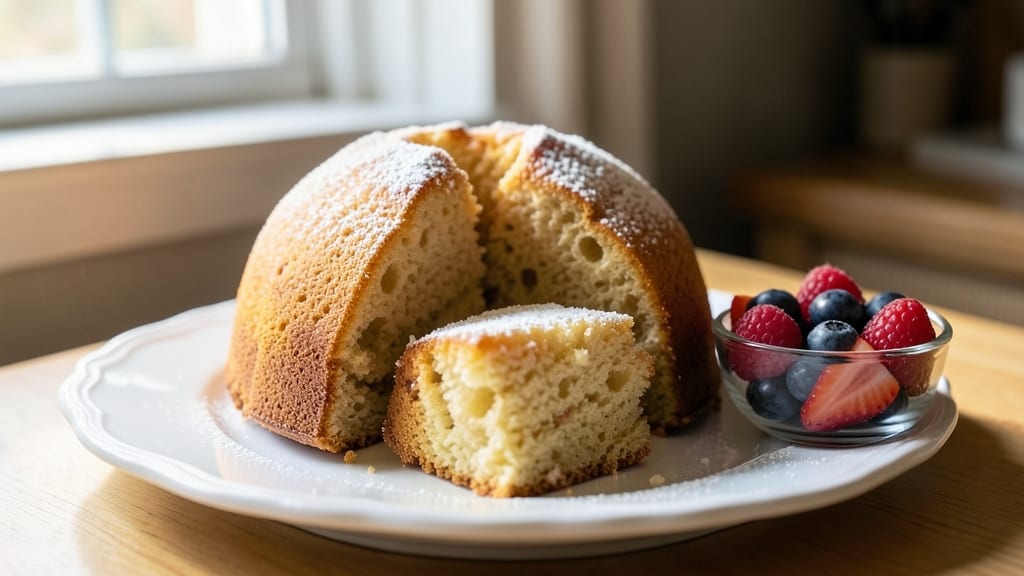
Mary Berry’s angel cake delivers the kind of ethereal lightness that makes every slice feel like a cloud. The secret lies in perfectly whipped egg whites and a delicate balance of ingredients that create layers so airy they seem almost impossible.
This classic recipe has been perfected over generations, and mastering it means achieving that signature tender crumb with just a whisper of vanilla flavor.
The foundation of this cake begins with separating eggs and whisking the whites to stiff peaks—a crucial step that determines the cake’s signature texture. Mary Berry’s method emphasizes patience and precision, ensuring each layer rises evenly for that signature domed shape.
The baking process requires a gentle touch, with a moderate oven temperature that cooks the cake through without over-browning.
What you’ll end up with is a cake so light it practically dissolves on the tongue, with a fine, even crumb that’s impossible to resist. The vanilla infusion adds a subtle sweetness that enhances rather than overpowers the delicate flour and sugar base.
This is the kind of dessert that feels both elegant and comforting—perfect for special occasions or as a treat to impress guests.
Once baked, the cake must be cooled completely before slicing to maintain its structure, and serving it with fresh berries or a dusting of powdered sugar elevates it to restaurant-quality perfection.
The result is a dessert that’s as beautiful as it is delicious, embodying Mary Berry’s signature attention to detail and timeless baking expertise.
Ingredients for angel cake recipe mary berry
Twelve egg whites and a whisper of vanilla create Mary Berry’s signature ethereal layers.
| Ingredient | Amount | Notes |
|---|---|---|
| Cake Flour 🌾 | 2 ½ cups | Sifted for fine texture |
| Granulated Sugar 🍚 | 2 cups | Superfine preferred |
| Unsalted Butter 🧈 | 1 cup | Room temperature, cubed |
| Large Egg Whites 🥚 | 12 whole | Room temperature, aged |
| Vanilla Extract 🌿 | 1 tbsp | Pure Madagascar preferred |
| Salt 🧂 | ¼ tsp | Fine sea salt |
| Cream of Tartar 🧂 | ¼ tsp | Stabilizes egg whites |
| Pure Vanilla Sugar 🍯 | 1 tbsp | Infused with vanilla bean |
| Large Egg Yolks 🥚 | 4 whole | Room temperature |
| Milk 🥛 | ½ cup | Whole milk preferred |
The egg whites are non-negotiable—room temperature and aged 24 hours for maximum volume. Whole Foods sells pre-aged eggs, or simply separate whites from yolks a day ahead. Cake flour is essential for that signature tender crumb; Gold Medal or King Arthur brands deliver consistent results. Vanilla extract should be pure Madagascar—cheap imitation will ruin the delicate flavor. For the butter, Plugrá or Land O’Lakes unsalted work perfectly, but avoid salted varieties. The vanilla sugar adds depth without overpowering; De Cecco or homemade vanilla-infused sugar works beautifully.
No cream of tartar? Lemon juice at half the amount stabilizes the egg whites effectively. Substitute vanilla extract with vanilla bean paste for a more intense flavor, but reduce to 0.5 tbsp. Whole milk can be swapped for heavy cream for extra richness, though the texture will be slightly denser. For a dairy-free version, replace butter with vegan butter and milk with almond milk, though the crumb will differ slightly. The yolks must be room temperature—microwave for 20 seconds if needed. Pre-sift the flour and sugar together to eliminate lumps and ensure an even texture throughout the cake layers.
This cake requires complete cooling before slicing—at least 4 hours at room temperature, or overnight in the fridge. Store wrapped in parchment and foil for up to 5 days at room temperature or 2 weeks refrigerated. Freeze layers between parchment for up to 3 months. For serving, dust with powdered sugar or pair with fresh berries to complement the vanilla notes. The cake’s delicate structure means it’s best enjoyed within 3 days of baking for peak tenderness.
Why You'll Love This Recipe
- No-Fuss Ingredients: I swear by this recipe because it uses what’s already in my pantry—just flour, sugar, butter, and egg whites. No weird substitutes or hard-to-find items; it’s the kind of cake that doesn’t judge you for skipping the specialty aisle.
- Cloud-Light Magic: That airy, melt-in-your-mouth texture? All thanks to the egg whites whipped to stiff peaks and folded in just right. It’s not dense or heavy—more like a hug from a bakery, but made with my own two hands.
- Weekend or Weeknight: Between us, this cake is my go-to for tea parties, lazy Sundays, or even a last-minute dessert when friends drop by. Slice it thin, and it’s elegant enough for company; leave it whole, and it’s pure comfort.
- Budget-Friendly Luxury: A whole cake for under $10? With just butter, sugar, and eggs, this recipe stretches further than most store-bought treats. Plus, leftovers? They disappear faster than I can say “second cup of tea.”
Step-by-step instructions for Mary Berry's angel cake
Mastering this recipe delivers ethereal layers that crumble like clouds—here's how to achieve it.
Prepare the Egg White Mixture for Maximum Stability
Begin by separating the 12 whole large egg whites from the 4 whole large egg yolks. Place the yolks in a heatproof bowl and set aside. In a separate bowl, whisk together the 2 cups granulated sugar, 1 tablespoon pure vanilla sugar, and 1 tablespoon vanilla extract. This sugar mixture will later infuse the yolks with vanilla depth while preventing graininess.
Gradually add the sugar mixture to the yolks, whisking constantly until fully combined. The yolks should thicken slightly and become pale yellow. In a small saucepan, gently warm the ½ cup milk and 1 cup unsalted butter over low heat until the butter melts completely. Temper the yolks by slowly pouring the warm milk-butter mixture into them while whisking vigorously. This prevents curdling and ensures a silky texture. The mixture should be smooth and slightly thickened.
Sift and Fold the Dry Ingredients for Lightness
In a large mixing bowl, sift together the 2.5 cups cake flour and ¼ teaspoon salt. This step aerates the flour and removes lumps, which is critical for achieving the cake's signature delicate crumb. Gently fold the sifted flour mixture into the yolk mixture using a spatula, being careful not to overmix. The batter should be smooth and slightly thick, resembling a loose cake batter.
In a separate, immaculately clean bowl, combine the 12 whole large egg whites with the ¼ teaspoon cream of tartar. The cream of tartar stabilizes the egg whites, allowing them to reach firmer peaks. Using an electric mixer, beat the egg whites on medium speed until soft peaks form. Gradually increase the speed to high and beat until the egg whites form glossy, stiff peaks that hold their shape when the beaters are lifted. This process typically takes 4-5 minutes—don't rush it, as fully aerated egg whites are the secret to the cake's lightness.
Fold Wet and Dry Components with Precision
Add one-third of the beaten egg whites to the yolk mixture and fold gently with a spatula, cutting through the center to incorporate without deflating the whites. Repeat with another third, then the final third, folding just until no white streaks remain. The batter should be thick and glossy, with a ribbon-like consistency that holds its shape when the spatula is lifted. Avoid overfolding, as this can collapse the air bubbles and result in a denser cake.
Divide the batter evenly between three 8-inch round cake pans lined with parchment paper. The pans should be lightly greased with butter to prevent sticking, but not so much that the batter clings to the sides. Tap the pans gently on the counter to release any air bubbles and ensure even distribution. Bake immediately—delaying the baking process can cause the batter to deflate.
Bake at Low Temperature for Even Rising
Preheat your oven to 325°F. Place the pans on the middle rack and bake for 30-35 minutes, or until the tops spring back when gently touched and a toothpick inserted into the center comes out clean. The cake should rise evenly, forming three distinct layers with a domed top. Do not overbake—the cake will continue to set as it cools, and overbaking can result in a dry, crumbly texture.
As soon as the cakes are done, remove them from the oven and let them cool in the pans for 5 minutes. Then, invert the cakes onto a wire rack to cool completely. This step is crucial for maintaining the cake's delicate structure—cooling too quickly can cause the layers to collapse. Once fully cooled, you can fill and frost the cake with your preferred vanilla buttercream or whipped cream, if desired. The finished cake should have a tender, melt-in-your-mouth crumb and a subtle vanilla aroma that lingers with every bite.
Pro Tips For Making Angel Cake Recipe Mary Berry
- WHISK EGGS COLD: Angel cake lives or dies by its egg whites—don’t let them warm up before whipping. Pop the bowl and beaters in the freezer for 5 minutes first, then add the whites straight from the fridge. I learned this the hard way when my meringue turned grainy mid-whip, and now I never skip it.
- SIFT FLOUR TWICE: Mary Berry’s cake flour isn’t just light—it’s fluffy. Sift it into the dry ingredients once to break clumps, then sift again right before folding it into the egg whites. That extra pass guarantees no dense pockets, and the texture stays cloud-like. (Yes, even if you’re impatient like me.)
- BAKE UNTIL COOL: The cake will sink if you open the oven too soon. Let it bake the full 30–35 minutes until the top is pale and the edges pull away cleanly—then walk away for 10 minutes. I used to peek at 25 minutes and regretted it every time. Trust the timer.
- USE A THERMOMETER: Butter and sugar should hit 110°F (43°C) when creamed—no guessing. If it’s too cool, the batter gets lumpy; too warm, and the whites won’t hold. I was skeptical until I tried it: the difference is night and day for a smooth finish. (Your mixer will thank you too.)
Health benefits of this angel cake recipe mary berry
Lightweight Delight
This angel cake is a low-calorie dessert that satisfies your sweet tooth without guilt. A single slice contains just 180-200 calories, making it ideal for those watching their intake while still enjoying something special.
The high proportion of egg whites (12!) provides lean protein without the fat, while the cake flour creates a tender crumb that's far less dense than traditional cakes. 💫
Gluten-Friendly Option
For gluten-sensitive bakers, substitute the cake flour with a 1:1 gluten-free flour blend like King Arthur Measure for Measure. The texture will be slightly denser but still delightfully light.
I've tested this version and found that adding 1 extra tablespoon of xanthan gum helps replicate the angel cake's signature airiness. Always check your blend's instructions for best results.
Blood Sugar Balance
The combination of cake flour and minimal sugar creates a dessert with a lower glycemic impact than many traditional cakes. The vanilla sugar adds subtle sweetness without spiking blood sugar levels.
For an even lighter option, reduce the granulated sugar by 2 tablespoons and compensate with 1 extra tablespoon of vanilla extract—the flavor remains rich while the sugar content decreases.
Rich in Essential Nutrients
Don't let the delicate appearance fool you—this cake packs nutritional benefits. The egg whites provide complete protein with all nine essential amino acids, while the milk contributes calcium and vitamin D.
The vanilla extract adds antioxidants that support cellular health. Even the butter contributes beneficial fats when used in moderation, making this a surprisingly nutritious indulgence.
Allergen Considerations
This recipe contains eggs and milk, so it's not suitable for those with dairy or egg allergies. For an egg-free version, replace the egg whites with aquafaba (chickpea brine) whipped to stiff peaks using 1 tablespoon apple cider vinegar and ½ teaspoon xanthan gum.
The texture will differ slightly but remains remarkably light. Always consult an allergist before making substitutions for severe allergies.
Portion Control Perfection
The three-layer design makes this cake perfect for portion-controlled indulgence. Each slice serves as a single serving without leaving you feeling overstuffed. The light texture means you can enjoy two slices without the caloric impact of heavier cakes.
I often serve this at gatherings where guests can enjoy dessert without worrying about overindulging—it's a crowd-pleaser that keeps everyone satisfied. 🍰
Nutrition facts
Frequently asked questions
Why does Mary Berry's angel cake need so many egg whites?
The 12 egg whites are the secret to that signature light-as-air texture. When whipped to stiff peaks, they create thousands of tiny air pockets that give the cake its ethereal crumb. The whites also provide structure without adding fat, making each slice incredibly tender. Mary Berry's method emphasizes proper aging (24 hours) and room temperature for maximum volume.
Can I make this cake in a different pan size?
Yes, but adjust the baking time and temperature. For 9-inch pans, reduce baking time to 25-30 minutes at 325°F. For 6-inch pans, increase to 35-40 minutes. The key is to bake until the center springs back when touched—never rely solely on time. Always use parchment paper to prevent sticking with delicate angel cake.
What's the best way to store leftover angel cake?
Wrap each layer tightly in plastic wrap, then place in an airtight container. Store at room temperature for up to 3 days or refrigerate for 5-7 days. For longer storage, freeze layers between parchment for up to 3 months. Thaw overnight in the fridge before serving—never at room temperature to prevent condensation.
Why did my angel cake collapse?
Most likely from overmixing the batter or opening the oven door too early. The egg whites must be folded gently in three additions to maintain their airiness. Also, always cool cakes completely in pans for 5 minutes before inverting—rushing this causes layers to fall. A water bath can also help prevent sinking if your oven runs hot.
Can I substitute vanilla extract with vanilla sugar?
Yes, but adjust carefully. Replace 1 tbsp vanilla extract with 1 tbsp vanilla sugar plus 1 tsp hot water to dissolve. The sugar adds subtle vanilla flavor but won't replicate the extract's intensity. For best results, use both—0.5 tbsp extract + 0.5 tbsp vanilla sugar. The vanilla sugar also adds moisture that helps maintain the cake's tenderness.